


Tesla’s Aggressive Price War: Reshaping the Automotive Industry and Securing Early Gains
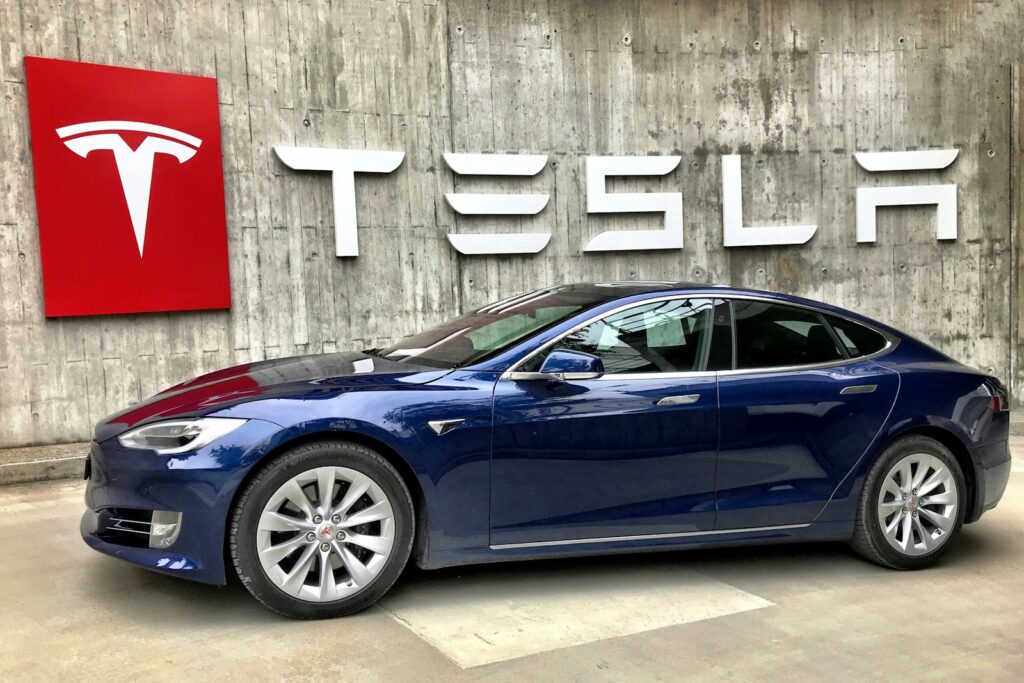
Automotive industry is experiencing a paradigm change, which was triggered by the aggressive pricing of Tesla that has caused a ripple effect in the electric vehicle (EV) market and in the conventional car manufacturers. As of the start of 2023, the company of Elon Musk has drastically adjusted the prices of its flagship models, which is an indication of a radical statement of a price war. This aggressive action does not only pertain to competition, but this move indicates a much bigger plan to rebrand the whole industry landscape with the initial signs indicating that Tesla is making a big breakthrough.
Tesla has always proven capable of breaking the status quo, and its history of innovating in the development of EVs and self-driving technology. The vision of electric powertrains that the company had ten years ago was not taken seriously by the industry giants. The same trend is being seen today where legacy automakers seem to be missing the fact that Tesla has a formidable lead in autonomous driving, just as a historical underestimation of the disruptive innovations that the Austin-based manufacturer has produced.
The similarities are, in fact, very vivid and indisputable. The leaders of such giants as Ford or GM used to underestimate the importance of sustainable powertrains in the 2010s, considering them to be a niche or unprofitable. Even Elon Musk himself, in an interview in 2014, remarked that competitors only really started to think about the potential of electric vehicles when the Model S started to cut into the market and shake the established order. The introduction of the mass-market Model 3 in 2017 subsequently became a turning point that was critical and legacy companies had to face the reality of their shrinking market share.
These old players had been left behind in a changing party, and they were struggling with the new Tesla exciting technology that would save on maintenance and offer a new approach to passenger cars, among other benefits. Although they now have their own electric vehicles, they are still behind in key aspects like sales and, particularly, infrastructure, frequently having to use Tesla Supercharger network in the latter. This historical background gives the necessary insight into the dynamics of the automotive market as it is now.
Early Market Impact and Strategic Price Cuts at Tesla
The most recent offensive by Tesla started in earnest in mid-January, and the core lineup was cut considerably. The price of the entry-level Model 3 sedan, the best-selling car in the company, was reduced by 6.4 percent to 43,990. At the same time the entry-level Model Y SUV was cut by even a larger percentage, by 20 percent, down to $52,990, a significant decrease compared to its former cost of $65,990.

These price changes did not apply to the more accessible models only. In January, Tesla also reduced the prices of its high-end Model S sedan and Model X SUV and followed through with additional price cuts in early March. The entry-level Model X is now priced at $99,990, a 14 percent reduction since the beginning of the year, whereas the basic Model S costs 89,990, which is a reduction of around 17 percent. These massive and wholesale cuts underscore the aggressive aspect of the Tesla strategy.
Interestingly, Ford is the only traditional car manufacturer that has followed the footsteps of Tesla in 2023, with discounts on its plug-in Mustang Mach-E line. These were between 1-8.8 percent. This defensive reaction of other legacy players highlights the perceived risk and complexity of reacting to the aggressive pricing of Tesla, especially since they have established dealership business models and different cost structures.
Although the competition based on price is an established strategy in the automotive market, the magnitude of the recent cuts made by Tesla makes it clear that the company has a larger objective: to dominate the industry, not only in the EV sector. This point of view was expressed by Seth Goldstein, an analyst at Morningstar, who wrote, “Tesla does not only compete with other EV manufacturers, but with other car manufacturers. He also explained, they are lowering prices to the point that the Model 3 will be able to compete with other sedans and the Model Y will be able to compete with other SUVs.
Mass-Market Strategy, Demand Surge, and Advantage of Sales Model of Tesla
Elon Musk himself has publicly expressed his opinion that such discounts will open the doors to a huge number of new customers who would have otherwise not thought of buying a Tesla due to its high costs. In January, in his fourth-quarter earnings call, Tesla said, “There are simply too many people that would like to purchase a Tesla car, but cannot afford it, and that these price adjustments are really significant to the average consumer. This business focus explains why the company is determined to increase its market presence in a big way.
In fact, there exists preliminary evidence to the efficacy of these dramatic price changes in driving demand. This trend was confirmed by Jessica Caldwell, executive director of insights at the car-shopping site Edmunds, who said, “The Model 3 and the Model Y were of interest after the price drops, so it certainly did move the needle. She noted that the cuts created significantly more attention to Tesla cheaper models 3 and Model Y than the more expensive Model S and Model X.
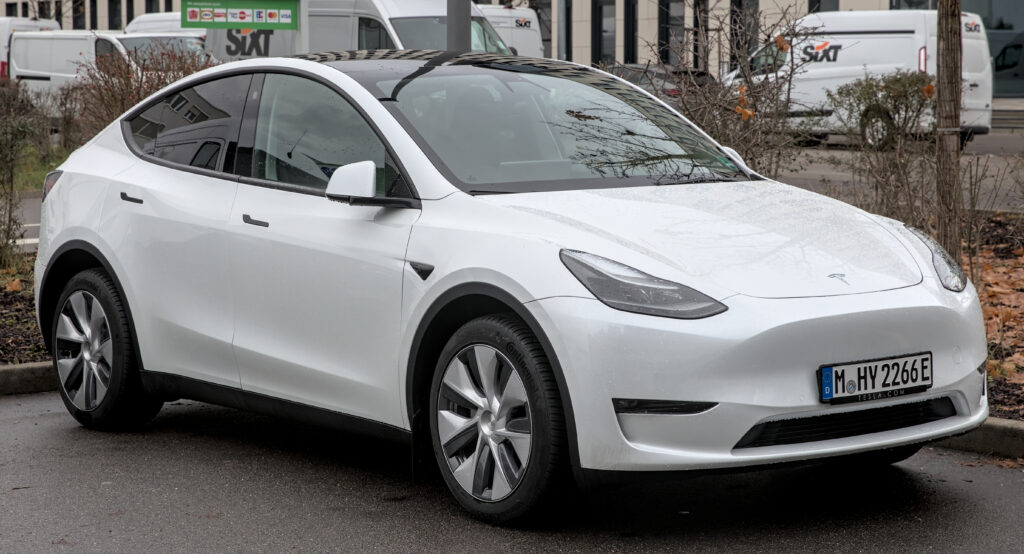
This higher demand is further supported by the fact that buyer waiting times of the Model Y have allegedly risen by two to four weeks since January based on research conducted by AllianceBernstein. An interesting global example of the pricing power of Tesla can be seen in China, where BYD, the largest EV manufacturer in the country, lost an 18-billion-dollar valuation between February 1 and March 3 due to the fact that Tesla has been making aggressive price cuts.
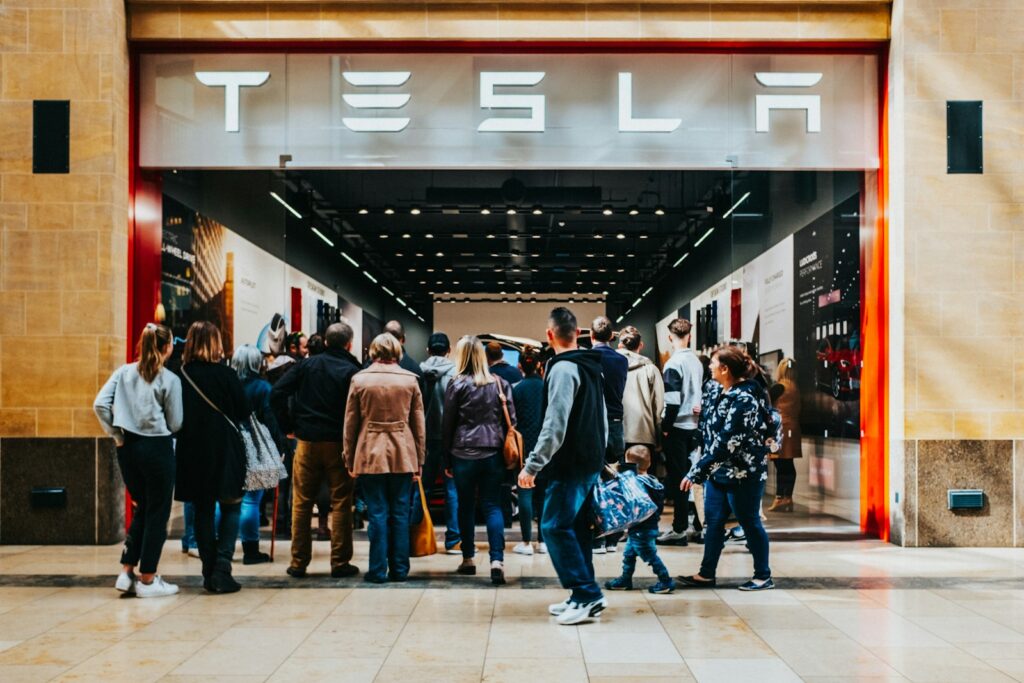
One of the main strengths that allow Tesla to make rapid and direct price changes is the sales model. Tesla will be able to convey price reductions with unprecedented ease and immediacy to potential customers by selling to consumers directly through its web site. This is in sharp contrast to the traditional automakers, who have to work through a more complicated system, based on extensive dealer networks, in which the end price may well lie with the individual dealer.
Price Cuts and Long-Term Strategy risks of Tesla
According to Jessica Caldwell, price-cutting is much more complex when it comes to traditional automakers, as they are selling to their dealer who has the final say in the price unlike Tesla that does not work that way. She also noted that consumers tend to appreciate Tesla’s direct approach to price cuts “because it’s very straightforward,” highlighting a significant operational and marketing differential that favors Tesla in a price-sensitive market.
Nevertheless, this aggressive approach does not pass without difficulties. Another significant disadvantage of dramatic price cuts is that it may cause the loss of new customers who have recently purchased their cars only before a major price cut. These clients can complain about the fact that the value of their new asset has decreased abruptly. This was admitted by Caspar Rawles, chief data officer at Benchmark Mineral Intelligence, who said, “Customers also do not like price cuts. He also warned of a next cut fear and pointed out, “Perhaps people will also wait another two months before they get another price cut, which is also a problem. This is one of the aspects that should be handled carefully to ensure customer satisfaction and loyalty.
In addition to simple sticker pricing, the Tesla approach to the market is a multi-dimensional masterpiece, which is sometimes called a 4D chess strategy by observers. Competitors and Wall Street may be interested in short-term financial indicators, which certainly reflected inhumane immediate effects, in the form of operating margins dropping to 7.6% to 17.2% and operating income declining 52 percent to 1.7 billion, but Musk has a much longer-term view.
The used car market was not spared either as some Tesla models have lost as much as 28.9% of their value in just one year. As an example, a 2020 Model 3 experienced depreciation in three years that is equivalent to that of a 2022 model in one year. These are short term compromises, yet important, but they are known to be strategic steps in a bigger strategic plan, which is to dominate the market in the long run and diversify revenues.
The real profit generator of Tesla, other than hardware sales, is its Full Self-Driving (FSD) software. This software is sold at $12,000 per car, which is a close-to-pure profit stream, which essentially re-positions Tesla not only as a car company but as a technology company. This view is important in interpreting the overall master plan of Musk.
Software Profit Model, Robotaxis and the Marketing Revolution of Tesla
The following plan contains a number of interconnected elements: reducing the prices of vehicles strategically to quickly achieve market share, which will result in the number of Teslas on the road increasing exponentially. The company will be able to upsell its high-margin software capabilities, especially FSD, with a larger fleet. Finally, this increased fleet and strong software ecosystem are the building blocks to future readiness of a robotaxi network, which is a genuinely radical vision of personal transportation. The established car manufacturers, bound by various business models, and with no software experience and integrated technological ecosystem that Tesla has, struggle to play in this field at all.
The marketing revolution is perhaps one of the most outstanding aspects of the Tesla market strategy. The company is able to record its high sales with the help of spending practically no money on conventional advertising. This is a sharp contrast to its big competitors: Ford spends about 2.2 billion on advertising every year, General Motors spends about 3.3 billion, and Toyota spends an unbelievable 4.1 billion. However, even with such a huge difference in advertising expenditures, Tesla sells a greater number of electric cars than all these companies put together, which proves a paradigm shift in the way the contemporary businesses can interact with the consumers.
In a sense, Tesla has broken the code of modern-day marketing and realized that traditional advertising is dwindling in returns. Tesla is building millions of dollars’ worth of free publicity in other avenues in the age of TV commercials being passed over, billboards mostly being disregarded, and online advertisements being blocked. These are the very active and provocative social media presence of Elon Musk, the strong word-of-mouth marketing, and the army of customer evangelists who is very active and who passionately promote the brand and its products.
Resistance and Autonomy Gap of Legacy Automakers
The tendency to underestimate the role of legacy automakers is not only valid in the early dismissal of EVs but also in their current hesitation to adopt the Full Self-Driving technology of Tesla. In late November, Elon Musk wrote that he was frustrated and said that he had attempted to warn legacy automakers and even proposed to license Tesla Full Self-Driving, though they do not want it. He emphasized the half-hearted conversations when they do occasionally contact, usually with the implementation of FSD of a small program in 5 years with impractical requirements on Tesla, so useless.
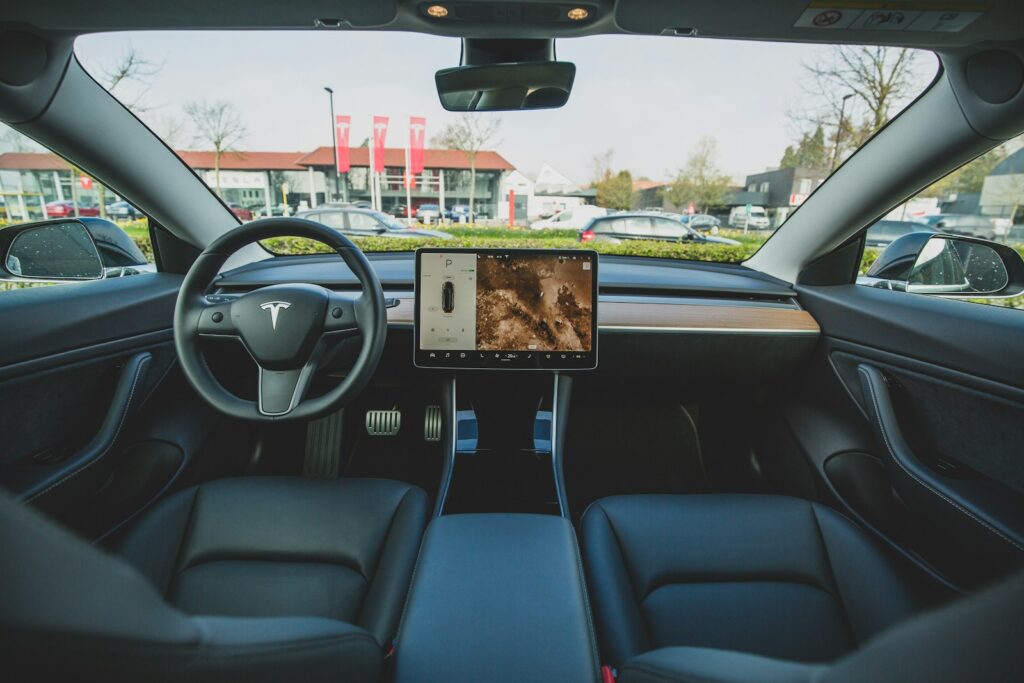
Tesla has been the unquestionable leader in the field of self-driving technology, especially in the United States. Although there are strong rivals, Tesla FSD suite is praised due to its strength and its unparalleled capabilities to work everywhere and anywhere, as it is not tied to a particular location or a specific road. Although this is an obvious technological edge, the current leadership of the company in self-driving technology is, again, being overlooked by the traditional car manufacturers, just as it was previously with the development of EVs.
The few speculative reasons given by competing companies as to why they do not want to license FSD include competitive pride, regulatory issues, high costs, or in-house preference. This hesitation, however, is similar to the first rejection of EVs, a trend that has always underscored their historical underestimation of disruptive innovations by Tesla. This initial opposition to new technology is usually translated to reactive, not proactive strategies in the future, which is one of the reasons why they are experiencing the very ills they are experiencing in the fast-changing automotive world.
The effects of this trend are getting more and more apparent. Ford is also said to be reducing its EV activities, and the projects conducted by GM are experiencing serious difficulties. Although both the firms have their own in-house self-driving projects, they are lagging far behind the progress of Tesla and even other rivals. This increasing gap threatens to transform a temporary reluctance into a significant long-term loss, which would compel them to depend on a powerful competitor to bail them out of an awkward situation, as some had depended on Tesla to provide EV charging infrastructure.
Increasing Autonomy Distance and Future Market Interests
The development of self-driving technology in Tesla does not indicate any deceleration, on the contrary, it is gaining momentum. This long-term innovation, coupled with a disdainful attitude of other firms, will tend to punish them more as time goes by. Loss of autonomy would seriously diminish market share, particularly since self-driving features will become a key marketing differentiator over the coming few years. This may ultimately force firms to enter into joint ventures as the economic forces mount pressure, a situation that is not totally new considering the early adoption of EVs that did not bear much success.
In addition to commercial benefit, self-driving initiatives have a wider benefit to the society, such as increased affordability and safety. Tesla has repeatedly shown figures that show that its self-driving technology is significantly safer than human drivers, most recently by a significant margin. This development can potentially decrease accidents by a significant margin and make roads much safer to all. In addition, healthy competition in the market is always good as it lowers the prices to consumers and results in constant innovation.
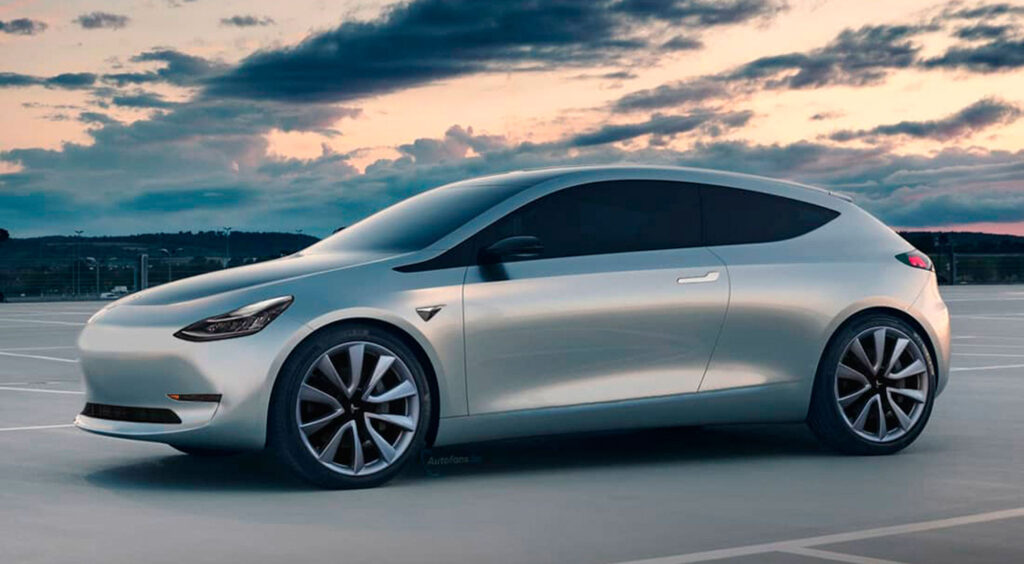
In the future, the industry is looking forward to another possible game-changer: a new, cheaper Tesla car, which is allegedly going to be in the range of 25,000. Although a few Tesla shareholders were disappointed that the so-called Model 2 was not announced during a recent investor day, and analysts think it may not be introduced until 2025, its eventual introduction would be a blow to the traditional automotive companies. Analyst Dan Ives of Wedbush was categorical that the cheaper future Model 2 is the key to targeting the masses, and the golden goose is a sub-30,000 car. It is the world of Tesla, and everybody is renting. This prospective development makes Tesla firm in its long-term plan of penetrating the masses.
The Manufacturing Edge and EV Cost Revolution of Tesla
The fact that Tesla is able to reduce its costs by an impressive margin is not only a marketing gimmick, but it is engraved in its production and supply chain processes. Tesla has simplified its production processes through huge investments in battery technology and strategic growth of its global manufacturing network, which have resulted in huge cost cuts. Its giant Gigafactories form part of this strength, as they allow mass production which in itself reduces the unit cost and allows it to offer more competitive prices in its line of vehicles.
More so, Tesla innovations in battery chemistry and advanced production technologies have played a crucial role in lowering costs of batteries and at the same time increasing the range and performance of vehicles. The vertical integration strategy of the company, which implies the control of a large part of the supply chain, is also crucial. Tesla has a significant competitive advantage in the ever-changing EV market by producing the main parts internally instead of heavily depending on third-party manufacturers, which allows the company to be more cost-efficient and responsive to market changes. This production expertise is a pillar that supports the position of Tesla in the current EV price war.
The most concrete result of this stiff price competition, which Tesla has triggered, is the huge benefit it brings to consumers. With the drop in prices of the electric vehicles, they will be much more affordable to a wider group of people, speeding up the uptake of the EVs and in line with the global goals of sustainability. This low cost turns EVs into a luxury in the niche, and a realistic possibility to ordinary consumers, and the shift to electric mobility becomes a feasible possibility to many other households.
A high competition rate among the manufacturers due to aggressive pricing by Tesla is also a strong catalyst to innovation. The automakers are encouraged to make and incorporate better technologies, which improve the performance of a vehicle, its safety, and its value. This competition also makes sure that the consumers are not only enjoying cheaper prices but also a product that is in a constant state of improvement. Finally, the increased use of EVs will have a direct impact on reducing carbon emissions and decreasing the reliance on fossil fuels, which will have significant environmental benefits.
The Past and Future of the Industry
The similarities are very evident, and the picture of the history repeating itself is vivid. A decade ago, the traditional automakers mostly dismissed electric vehicles, considering them to be a practical novelty, and even recalled and destroyed their own fledgling EV initiatives, placing their bet on the internal-combustion engine status quo. It was only later that they saw Tesla redefine the industry forcing them into a scramble of billions of catch-up capital and technology. These same companies are, again, rejecting recurring invitations to license Tesla Full Self-Driving technology, which has reached a high level of development, on the assumption that they can create a better autonomy internally, despite the fact that their own programs are being recalled, laid off, and missing deadlines. History is not rhyming; it is repeating almost note-for-note.
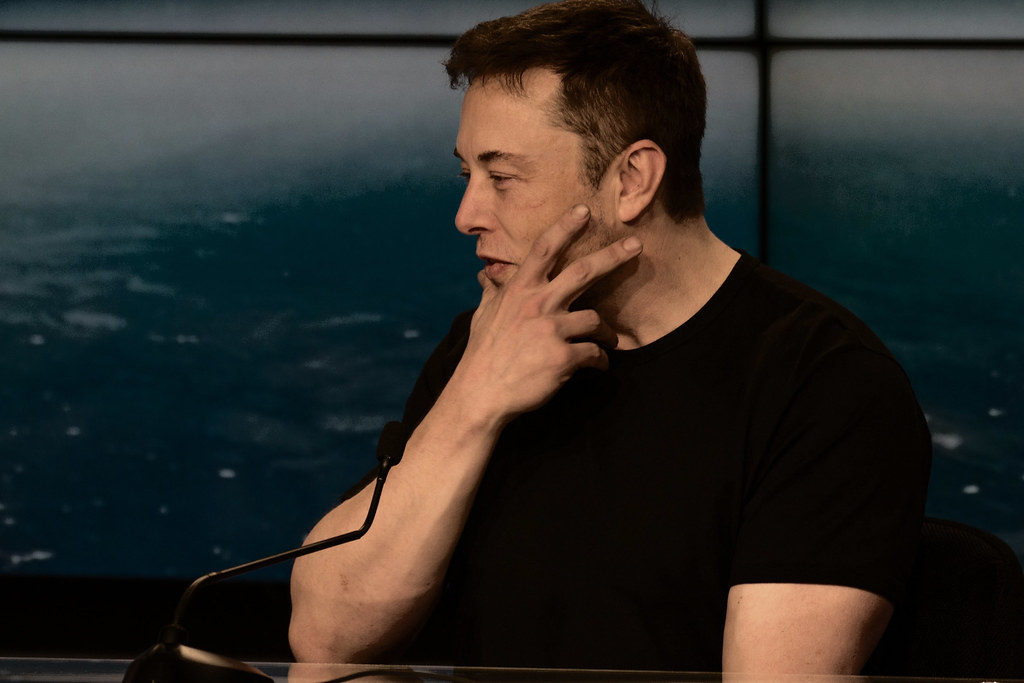
Elon Musk has over the last twenty years been making warnings that the bureaucratic stagnation and short-term thinking that the automotive industry had become trapped in would eventually leave it on the wrong side of the historic technological revolutions. Whether Tesla has a considerable advantage or not is no longer the question, but whether the old giants of Detroit, Stuttgart, and Toyota will ever listen to these warnings before the next wave of innovation leaves them staring at another leader pulling decisively ahead in the rearview mirror. This time it is not about market share; it is about the very meaning and future nature of what a car will become in the decades to come.
A New Labor Power and Industry Direction
The Ford-UAW contract is a historical event that extends much beyond a single contract. It is an indicator of the changing level of worker-corporation value, stability, and long-term vision negotiation in the American auto industry. Autoworkers have reclaimed their central role in an industry that is in transition by obtaining historic wage increases, reinstated protection and increasing their control over future plant decisions. This turning point emphasizes that significant development is achieved when labor strength is combined with strategic persistence, which influences the results that not only the present employees but also the generations to come.
With automakers moving to the process of electrification, international competitiveness, and new approaches to manufacturing, the standards established in this agreement will have a trickle-down effect on the rest of the economy. The manner in which this moment redefines the anticipations of fairness, shared success, and industrial stability will be closely monitored by other companies, unions, and policymakers. The deal is a reminder that technology or innovation alone does not determine the future of the auto industry but rather the individuals whose efforts make it happen. The way forward will be complicated, yet the groundwork laid here will provide a strong launching pad to a more balanced and worker-focused era.