


Tesla Navigates Brand Challenges Amid Elon Musk’s Social Media Engagements and Shifting Market Dynamics
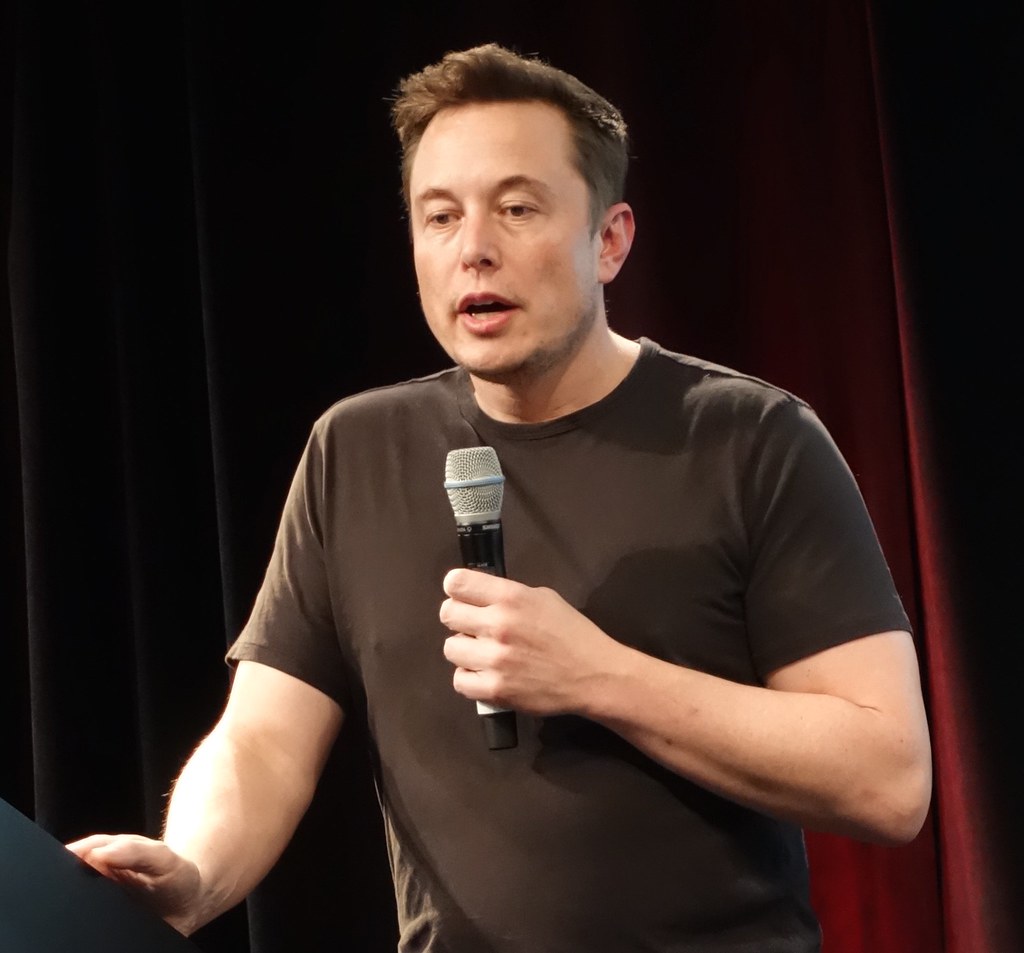
Tesla has always been more than a car manufacturer since it has been about breaking the envelope, imagining a cleaner world, and pursuing the insatiable ambition of Elon Musk to bring crazy ideas into being. However, at the moment when we are sitting at the beginning of 2026, the company is passing through one of the most difficult periods in its history. This has dealt a real setback to the sales, protests have erupted around the world and the once unshakable brand loyalty is shaky to many long term fans and potential consumers. His profile political activities particularly his stint as head of the Department of Government Efficiency (DOGE) have brought a tempest to the Tesla fan club that has driven some of its most ardent fans away and provided its rivals with a lot of breathing space.
It is not merely a momentary decline due to factory fixes or business cycles but it runs deeper to perception, trust and whether or not Tesla can decouple its innovative attitude and the scandals surrounding its CEO. The pressures are increasing, as major declines in major markets are being experienced, as well as uncertainty over where to go in the long run, but still, some lights at the end of the tunnel are in other areas such as energy storage and technological advancements in the future. We should take a step wise analysis of the actual happening, as this story is not the end.
1. The Brand Crisis In Tesla Growing
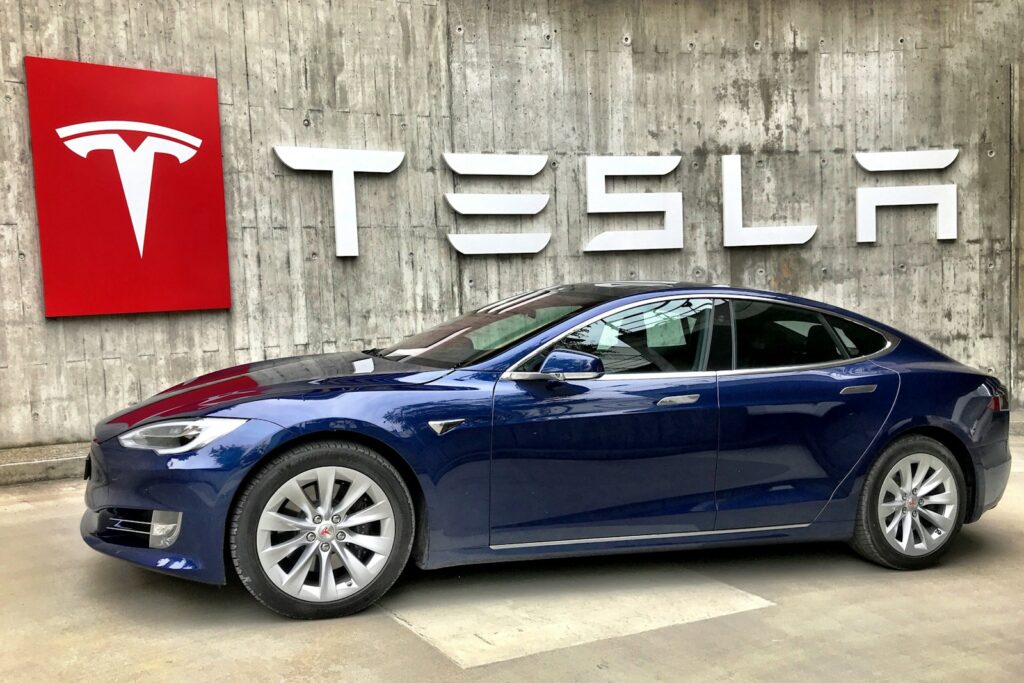
It is difficult to overestimate the extent to which Tesla has been damaged as a brand in recent history. What once was a sincere desire to marvel at the innovative technology and environmental leadership has, to an increasing number of individuals, become intertwined with the anxiety regarding Elon Musk and his vocal far-right politics and his high-level engagement in governmental matters. It is not just the online buzz the company is bleeding to the streets, demonstrations are taking place in showrooms, factories and even at other public events around the continent. Buyers who had previously considered Tesla as an innovative, forward-thinking option are being ambivalent, and the change in emotion is taking its toll on sales.
The irony is hurting since Tesla made their success by attracting individuals who are highly concerned with sustainability and innovation. When the audience begins doubting that the brand represents their values any longer, it will be felt in a ripple effect that is difficult to undo soon. Consumer sentiment analysts have been noticing the continued onslaught of a declining favorability, particularly among the environmentally aware population that had fueled initial growth. This is not an issue of PR any more this is a business issue that may take years to come out of unless it is handled in a wise manner.
Key Signs of Brand Damage:
- International demonstrations at factories and show rooms.
- Car vandalism and boycotts.
- Radical decline in popularity amongst core purchasers.
- Analysts refer to it as a full-blown crisis.
- Expert reputational issues in the long run.
2. Market Share Erosion and Sales Plunge
Tesla is in a bleak situation as indicated by the hard numbers. The year-over-year decrease in the number of deliveries in the first quarter of 2025 reached 13%, which is one of the lowest results in recent history. This followed an unprecedented annual sales drop in the company in 2024 and the pressure has escalated to late 2025 and early 2026 with year-end numbers indicating another decrease. Europe has been especially severe and the number of registrations has fallen sharply although high falls have been recorded in key markets such as Germany.
In the meantime, competitors are taking swift strides in order to gain the grounds which Tesla is losing. Chinese companies such as BYD have been moving ahead internationally, European brands are introducing strong new models and even in the U.S., the EV market dominance that Tesla once had has been reduced significantly. It is no longer the undisputed leader in the space that competitors are demonstrating their ability to offer exciting and affordable alternatives as quickly as the mood of the general public changes.
Major Sales Highlights:
- Q1 2025 deliveries down 13% YoY.
- Europe sales plunged 30-40% early 2025.
- The Germany registrations decreased more than 60%.
- EV share in the U.S. fell to less than half.
- BYD passed Tesla as the leading seller of EVs worldwide.

3. The Political Role of Musk and its direct effect
The move of Elon Musk to plunge into politics in particular his high-profile chairing of the Department of Government Efficiency (DOGE) and his outspokenness in favor of far-right personalities have elicited a heated response well outside the U.S. Nowadays, most individuals who used to respect Tesla as a progressive, earth-saving corporation are now uncomfortable with their name being associated with a brand that has become synonymous with controversial positions. This has resulted in public push back, both in the form of street protests, and social media campaigns asking people to sell their Teslas or refrain from buying them at all.
What is notable is the fact that the world has been globalised in this sentiment. Protests have been extremely intense in Europe, thousands of miles away, where individuals have been exposed to frustration due to Musks endorsements of regional-far-right political leaders. The problem of losing touch with emotions is actual buyers who had previously selected Tesla because of its green reputation now wonder whether it will still be worth the values, and that doubt is now coming to bear in the form of on-the-ground implications on the firm.
Notable Protest Examples:
- Effigies of Musk in Milan protests.
- Salute projections on factory on Berlin.
- Swasticar posters boycotted in London.
- Political protests in U.S. showrooms.
- International vandalism associated with anti-Musk.
4. Professional Cautions: It Is not a Trend
Even long-time supporters of Tesla are now casting some serious red flags toward the long-term health of the brand. Other observers such as Gene Munster who has been following the company keenly and who has been usually positive, now cite hard facts, that the reputational problems are the primary cause of the crashing deliveries. He has even estimated the harm and says it has cost tens of thousands of potential sales in recent quarters alone and cautions that the trend might deteriorate unless something is done.
This change of tone by long time supporters is significant. It is not just factory upgrades or economic cycles when the experts who previously shook such short-term dips away as simple minor issues start referring to the situation as unprecedented. It is increasingly coming into agreement that this is structural and is attributed to the perception of the people towards Musk, and through him, Tesla itself and recovery will require more than instant solutions.
Analyst Perspectives on Damage:
- Dan Ives calls it a “full-blown crisis.”
- JP Morgan warns of “unprecedented” harm.
- Munster estimates ~80k lost deliveries in Q1.
- Experts agree: Beyond temporary factors.
- Forecasts predict further growth declines.
5. Competition Heating Up on All Fronts
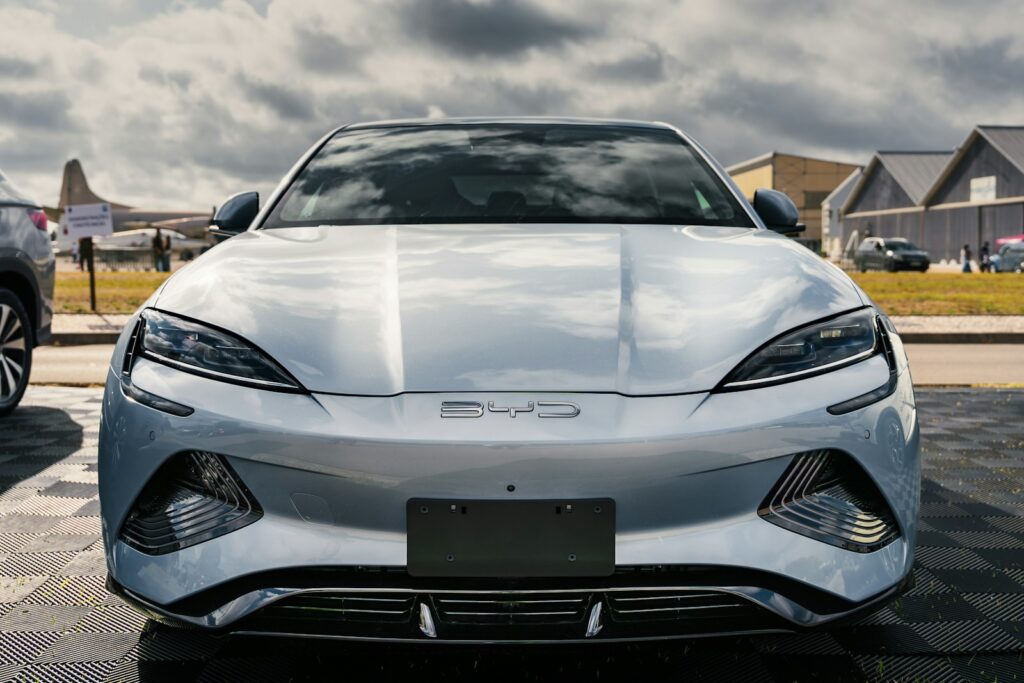
While Tesla deals with internal and perception challenges, rivals aren’t waiting around they’re gaining ground aggressively. Chinese powerhouse BYD has surged past Tesla to become the world’s top EV seller in recent periods, thanks to massive scale, affordable pricing, and rapid tech advancements like ultra-fast charging. In Europe, local manufacturers are rolling out fresh, competitive models just as Tesla’s appeal wanes in the region.
The U.S. market tells a similar story: Tesla’s once-overwhelming dominance in EVs has eroded noticeably, with its share dropping significantly as more options from established players enter the fray. The EV space is no longer Tesla’s to own it’s become a crowded, fast-moving battlefield where competitors are proving they can deliver value and innovation without the same baggage.

6. The Cybertruck Gamble That Fell Short
The Cybertruck rolled out with massive hype a futuristic, stainless-steel beast that was supposed to redefine trucks and pull in huge volumes. Elon Musk talked up annual targets in the hundreds of thousands, painting it as the next big thing for Tesla. But reality has been a different story: shipments have lagged badly, with far fewer units making it to customers than promised, even after production ramped up.
For a lot of longtime fans, this feels like a missed chance. Many were hoping for something more practical, like a smaller, affordable model that could sell in big numbers and broaden Tesla’s appeal. Instead, the focus on this heavy, pricey, polarizing design has left some feeling the company drifted from what made it special in the first place delivering accessible, high-volume EVs that change lives.
Cybertruck Performance Issues:
- Under 50,000 units shipped overall.
- High price starting over $80,000.
- Heavy 7,000-pound design limits appeal.
- Far short of 250,000 annual target.
- Fans disappointed by no affordable options.

7. Autonomy Promises: History of Delays
Musk has kept the spotlight on autonomy, repeatedly promising driverless Cybercabs launching soon and millions of Teslas running fully autonomously in the near future. He talks about over-the-air updates turning existing cars into self-driving machines, with bold timelines that get investors excited. But the track record is tough similar pledges, like full self-driving by 2020, have been pushed back year after year.
Right now, federal regulators haven’t given the green light for true unsupervised operation on public roads. Ongoing safety investigations into the current Full Self-Driving system especially around low-visibility issues add real uncertainty. While Waymo and others have logged millions of real-world driverless miles, Tesla is still playing catch-up in that practical experience.
Autonomy Challenges:
- Repeated missed deadlines for full autonomy.
- Ongoing federal safety probes.
- Waymo leads with millions of driverless trips.
- Over-the-air updates promised but delayed.
- Skepticism from past optimistic timelines.

8. Financial Strain and High Valuation Risks
Tesla’s stock has been on a rollercoaster plunging sharply earlier before partial recoveries but even now, the valuation looks stretched compared to traditional automakers. Profits have taken a big hit from weaker sales, and the market cap has seen massive swings. The stock trades at a premium that assumes huge future growth, leaving little buffer if things don’t improve quickly.
This high multiple often over 100 times expected earnings puts pressure on every quarter. When compared to giants like General Motors (trading at a fraction of that), it shows how much faith investors are putting in Musk’s vision over current results. Any slip in execution could spark volatility.
Financial Red Flags:
- Stock down sharply from peaks earlier.
- Valuation at 100+ times expected earnings.
- Profits slashed significantly.
- Massive market cap losses in tough periods.
- High expectations with slim error margin.

9. Shifting to Edgy Marketing on X
Tesla has always prided itself on not needing traditional advertising word of mouth and Musk’s own massive following did the heavy lifting for years. But with demand softening and the brand taking hits, the company has quietly pivoted toward a much more active, and frankly edgier, social media presence, especially on X. What started as occasional product announcements has turned into a stream of memes, sarcastic replies, and attempts at humor that mirror Musk’s own style on the platform.
It’s a risky move because the tone often feels forced, like the company is trying too hard to be the cool kid in the room. Some posts have landed awkwardly, and focusing almost entirely on X where the audience is already heavily pro-Tesla means they’re mostly talking to people who don’t need convincing. Broader platforms like Instagram or TikTok could reach new buyers, but for now, Tesla seems tied to Musk’s ecosystem, spending real money on verified accounts while the results remain questionable.
10. Silver Linings and Paths Forward
Even in the middle of all these storms, Tesla still has some genuine strengths to lean on, and that’s worth remembering. Building most vehicles in the markets where they sell gives the company a real edge against tariffs and trade uncertainty something Musk himself pointed out recently. A more affordable version of the bestselling Model Y is still expected soon, which could bring back price-sensitive buyers and boost volumes significantly.
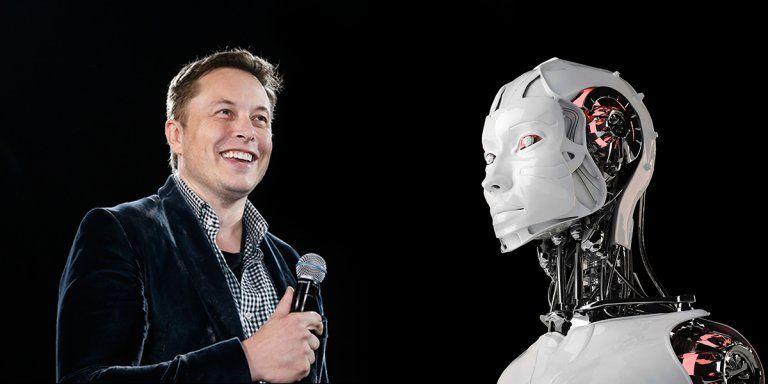
Beyond cars, the energy storage side had an outstanding quarter, and robotics with Optimus is moving forward with plans to produce thousands of units this year. Musk has also signaled he’ll scale back his time in Washington to focus more on Tesla, which gave the stock a nice bump. These are real levers the company can pull if executed well, they could help steady the ship and rebuild momentum.
Positive Factors Ahead:
- Localized production reduces tariff risks.
- Affordable Model Y variant coming soon.
- Strong energy storage performance.
- Thousands of Optimus robots planned.
- Renewed CEO focus on core business.