

NASCAR’s Tech Crossroads: Unpacking the New Era of Challenges and Innovations for Cup Series Teams
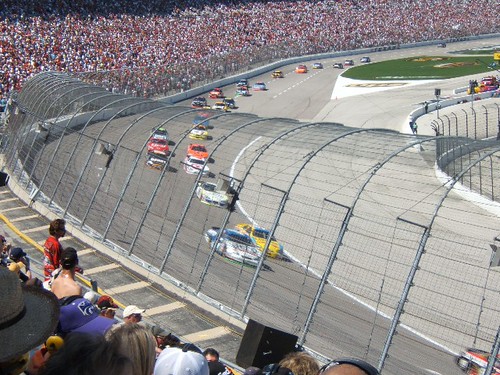
The NASCAR world is one of the constant whirls of speed, strategy, and the latest technology, constantly changing to test the boundaries of competitive racing. This dynamic climate, on the one hand, is the source of unbelievable progress, but on the other hand, it presents a special range of challenges to teams aiming to win the Cup Series. The most recent happenings have clearly shown the extent to which technology, on and off the track, has been embedded into the intricate ecosystem of the sport, even in the pre-race inspections and even the design of the race cars themselves.
Over the past few seasons, the same story has played out: teams have been facing obstacles when it comes to the important pre-race inspection process. These inspections form the basis of a level playing field, where all the vehicles are subjected to the high standards of safety and performance as required by the sanctioning body. Even the most experienced teams may find themselves in the middle of these strict checks with some serious outcomes.
Take into account the fines that were given after pre-race inspection of a Cup Series race on Atlanta Motor Speedway on July 8, 2023. Three of the top teams, including the No. 8 Richard Childress Racing Chevrolet, the No. 23 23XI Racing Toyota, and the No. 31 Kaulig Racing Chevrolet, were both inspected twice. Although all three finally passed on their third attempt, which enabled them to take part in qualifying, failure had instant consequences.
Each of the punished teams suffered a twofold blow: they were denied the choice of a prized pit stall to race in the next week and one of their crew members was thrown out during the week. Particularly, car chief Clay Alexander was fired by the No. 8 team, car chief Zachary Marquardt was fired by the No. 23 team, and the No. 31 team engineer Garrett Peterson was ejected. Such losses of personnel, even in one event, can interfere with the rhythm of the team and the implementation of the strategy.
Struggle to Qualify and Competitive Consequences
The difficulties were extended to the qualifying session of the No. 23 team. Having passed the inspection test, Bubba Wallace went out to his warmup lap. But there was an unknown problem, and he was not able to take the green flag, and instead, he pulled back on the pit road. This accident caused apparent irritation on the part of Wallace who was debriefing with crew chief Bootie Barker.
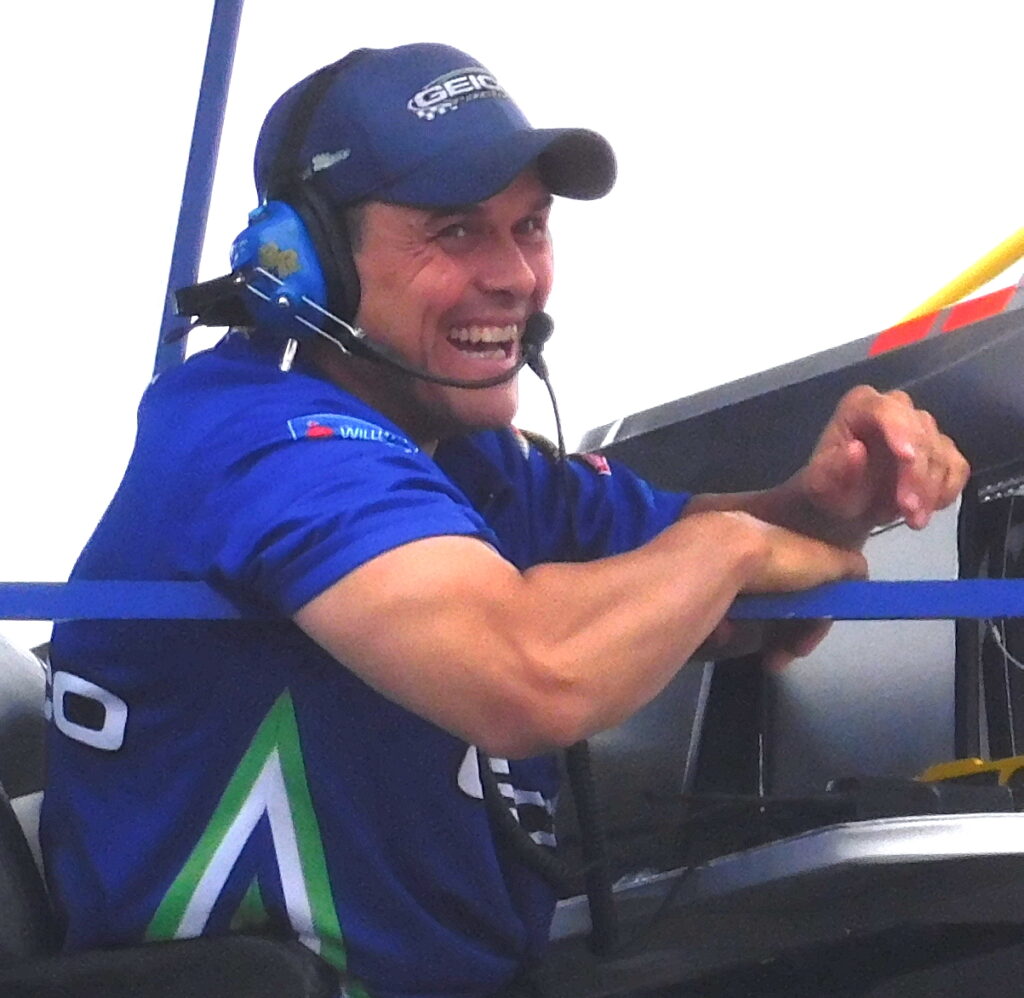
Wallace was able to briefly explain to PRN how disappointed he was, saying, it is about execution and we are not executing. He pointed out that this was the most diplomatic manner in which he could have said what he felt at that time. This disqualifying blow would put Wallace at the back of the Atlanta race, which is a daunting challenge in a plate race where position on the track is everything.
The qualifying activities of the other sanctioned teams further highlighted the short-term effects of poor performances at the beginning of the weekend. Both Justin Haley in the No. 31 Kaulig Racing Chevrolet Camaro and Kyle Busch in the No. 8 Richard Childress Racing Chevrolet Camaro made their laps, but neither made it to the second round of qualifying. Haley had the 17 th fastest lap, with a time of 31.574 seconds, two positions ahead of his teammate AJ Allmendinger.
Busch, who was driving on behalf of Richard Childress Racing, was the fastest to lap Atlanta Motor Speedway in 31.731 seconds. This put him in the 11th row with Cole Custer. The qualifying session was also a difficult one to the entire Richard Childress Racing, with Austin Dillon, in the No. 3 car, only able to achieve the 33rd-fastest lap of 32.525 seconds. Dillon was particularly loud regarding the handling problems of his car when he ran at the Georgia circuit.
Inspection Failures in the Cup Series
Irrespective of these qualifying challenges, Richard Childress Racing has a good reputation of introducing competitive cars to the superspeedway races. This historical performance indicates that both the No. 8 and No. 3 teams still have a chance to recover in the real night race in Atlanta Motor Speedway, as long as they are able to get over their first weekend setbacks.
Later on, the careful inspection procedure was still being used to test teams. Prior to the Daytona 500, Ricky Stenhouse and Shane van Gisbergen had experienced comparable pre-race technical inspection failures, being inspected twice. This led to the two drivers being sent to the back of the grid in the iconic race, and both teams lost one of their key staff members, the car chief of van Gisbergen and the engineer of Stenhouse.
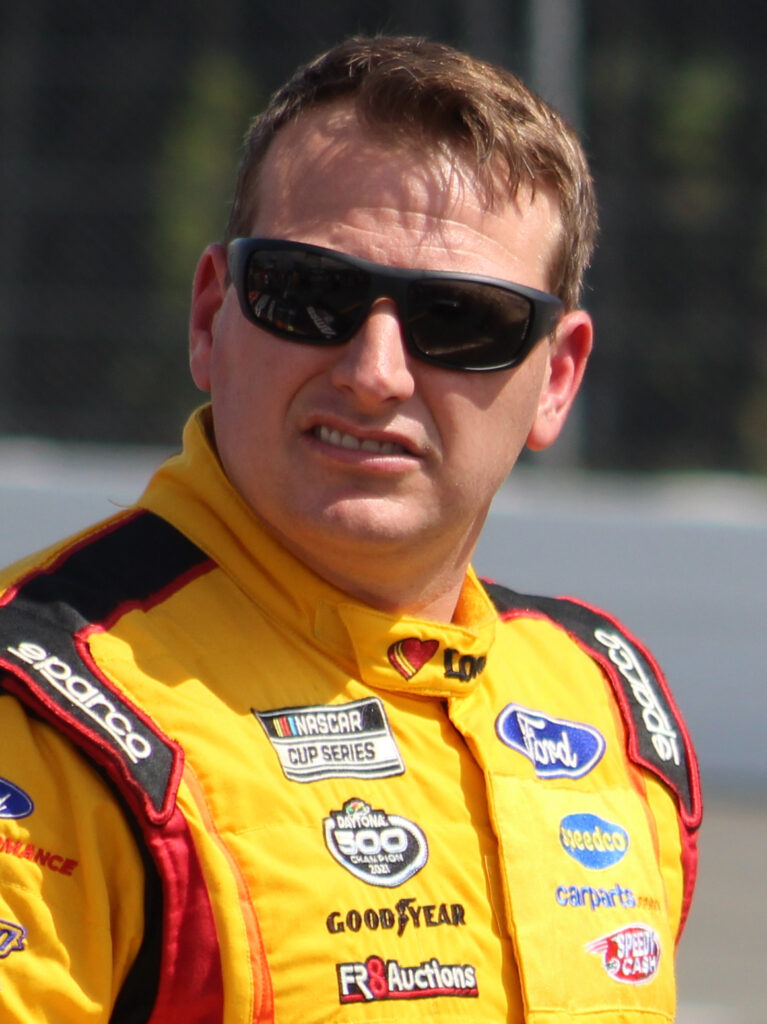
Another case of pre-race inspection problems at Phoenix was in the 2025 season. The only two-time failures in the Cup Series garage were Michael McDowell and his No. 71 team. Similar to the above cases, the car owned by McDowell finally passed on the third attempt, although he lost his power to choose his pit stall and lost his car chief throughout the rest of the weekend. These recurrent problems underscore the technical requirements that are always present on teams.
The Next Gen Car and Racing Culture has been criticized
In addition to one-on-one team fines, the very fabric of competitive organization of NASCAR has been discussed in a more serious vein by the respected representatives of the sport. Chris Gabehart, the present competition director of Joe Gibbs Racing and the former crew chief of Denny Hamlin, made an honest evaluation of what he sees as the underlying issues that are ailing the current NASCAR racing. Gabehart has been a witness of the development of the sport, and his comments have weight.
Gabehart raised an issue that the modern NASCAR racing is being systematically dismantled by two key issues that, according to him, are much deeper than the observations of most fans. His view is that of a veteran who has won championships as a driver and a crew chief, which gives his opinion a special level of insight into this current debate on the future of the sport.
The design of the Next Gen car is one of the main criticisms that Gabehart makes, as it was introduced in the Cup Series in 2022. He said, some of it is the car and how it has made track position so important because it cannot pass. This fact indicates a tremendous change in the race dynamics wherein the ability to stay in the track has been disproportionately more advantageous than the natural speed of a car or the ability of a driver to pass.
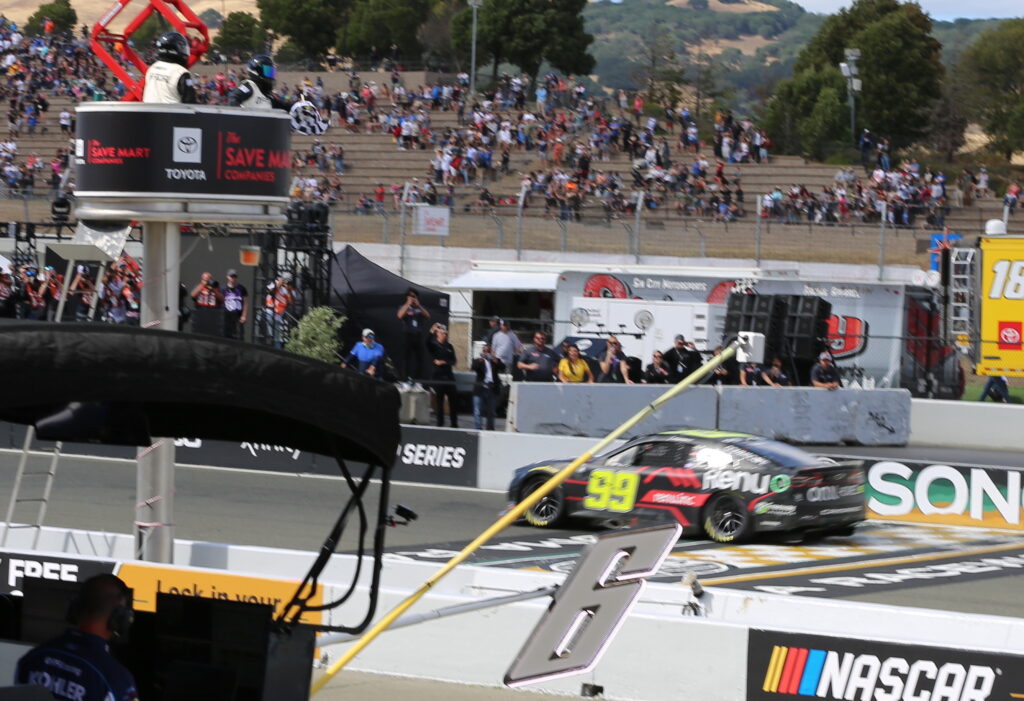
The Next Gen car aerodynamic design is one of the factors in this challenge. It creates a lot of problems associated with dirty air, the turbulent air that trails a racing car. Cars that pass through this disturbed air have a severe loss of downforce and passing a car in the opposite direction becomes much harder on most circuits.
Opportunity, Merit, and the NASCAR Road Less Traveled
These technical shortcomings of the Next Gen car have been especially troublesome on the intermediate circuits and short circuits. These tracks also have few optimum racing lines, which only exacerbate the challenges of overtaking. These concerns have been shared by veteran driver Denny Hamlin who has openly stated that they simply did not do enough testing. The car wasn’t ready.” This points to a perceived disconnect between development and practice.
The result of this technical shortcoming is a racing situation in which track position frequently determines the result rather than actual racing talent. The drivers are stuck in the rut, and they cannot express their ability and even participate in the dramatic, wheel-to-wheel action that was once the hallmark of the sport and its fans.
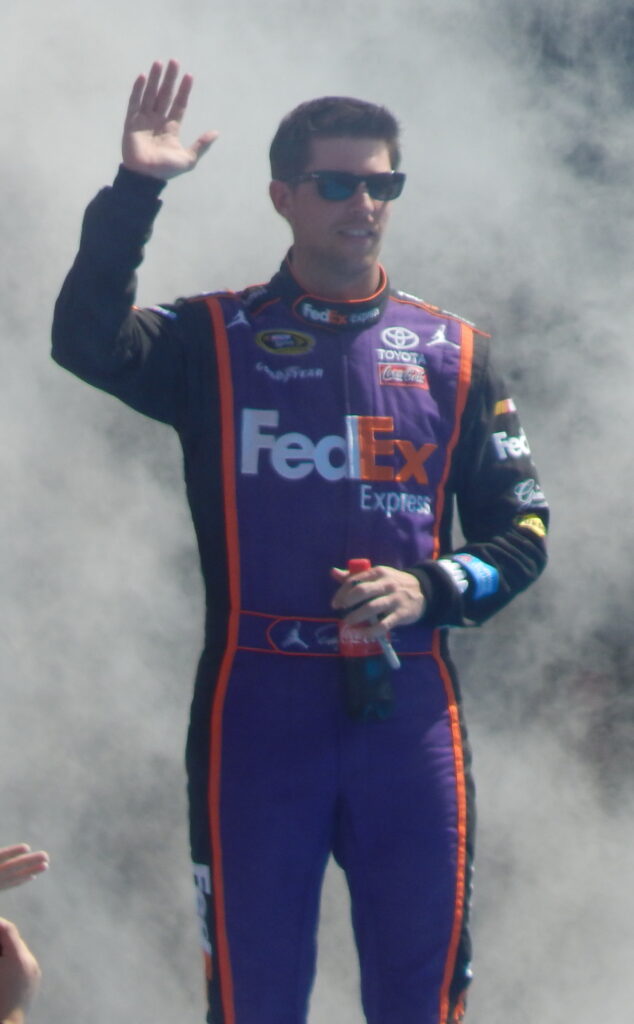
In addition to the technical factors, Gabehart also found a major cultural problem that he thinks is compromising the values of the sport. He complained of the absence of dirt under fingernails to gain the opportunities, citing a perceived drop in the number of drivers who have made it through grassroots racing.
In contemporary NASCAR, it is developing into a belief that progression among drivers is more and more determined by financial support instead of being driven by unadulterated racing talent. The financial realities of the sport dictate that competitive rides at the developmental levels can be very expensive to obtain and this can exclude a lot of good drivers who may not have the resources needed to demonstrate their abilities.
Information, Control and Technological Response of NASCAR
Gabehart also cited the absence of boys have at it when such opportunities are stolen, which alludes to the historical philosophy of NASCAR in letting driver’s police themselves on the track. Some have said that this system of self-regulation has faded away. The result is a breed of drivers that might not necessarily understand the unwritten rules of the sport or receive sufficient punishment at the hands of their peers who break those rules, resulting in a new competitive relationship.
The combination of these technical challenges with the cultural changes is what most observers call a perfect storm, and it has affected the quality of racing in the top series of NASCAR. The critical evaluation of the sport by Gabehart is especially timely, as the sport is becoming more and more criticized in terms of the overall level of competition in the Next Gen era.
Although these issues are a complicated scenario, NASCAR is also actively adopting technological innovation to overcome discrepancies and improve the integrity of its races. The 2022 launch of the Next Gen car was an essential change, radically changing the way cars are built and serviced, with drivers no longer having to work on their own race cars on a regular basis.
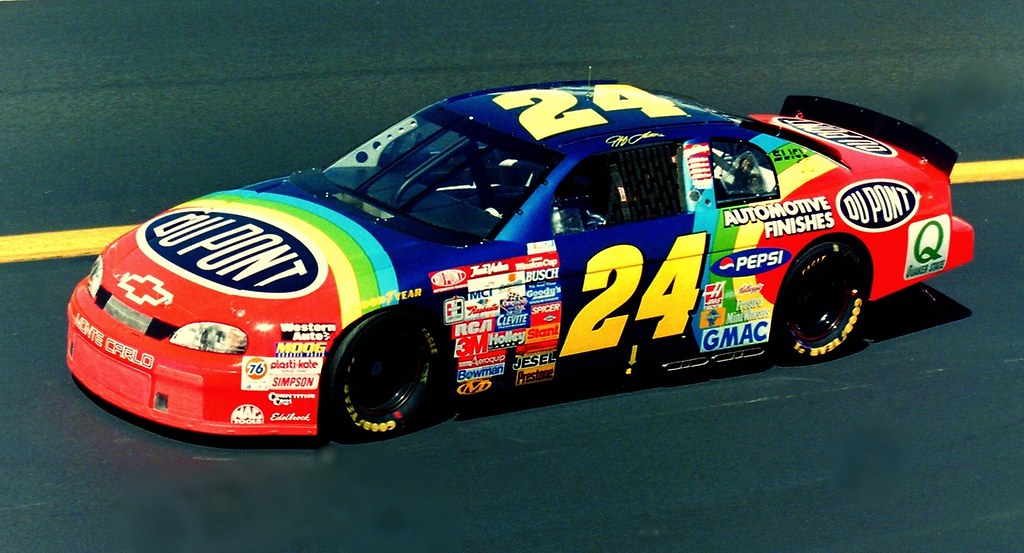
Continuing this technological push, and in reaction to “heavy allegations” in 2024 regarding “inconsistent race decisions” NASCAR is making a major technological move in the next season of 2025.
GPS Tracking, Data Control, and the Road Ahead
This device will be installed on every vehicle, which will be in effect as of February 12, 2025, as it was reported and illustrated by journalist Jerry Jordan. This new antenna is part and parcel of the necessary Incident Data Acquisition System (IDAS) that cars will also be fitted with. More importantly, NASCAR will have exclusive rights to all the IDAS data that are produced and captured by the high-speed camera and regulate its use and distribution to maintain impartiality and consistency.
This action towards increased data scrutiny is not a one-off event but an extension of the long-standing activities of NASCAR to utilize technology in race management. In the past, race officials used photographs and eye observation as the main means of establishing race results. Nevertheless, the 21st century has enabled the sport to tap into a treasure trove of live data due to the rapid digitalization of the sport.

Nowadays, the authorities are able to track such vital parameters as RPM, braking, throttling, speed and lap split times of every vehicle in real-time. This massive data potential was greatly enhanced by a legendary deal that was launched in 2016 with Microsoft, a tech giant that is now worth nearly 3 trillion dollars.
With the engines running and the action taking place, it is evident that technology will remain a major protagonist in the unfolding story of NASCAR. It is the capacity of the sport to evolve, develop and deal with its issues directly and with the help of advanced technological means that will make it remain popular and will ensure a bright and fair future of generations of racing fans.