




Airbus A350 Design Evolution and the Qatar Airways Resolution
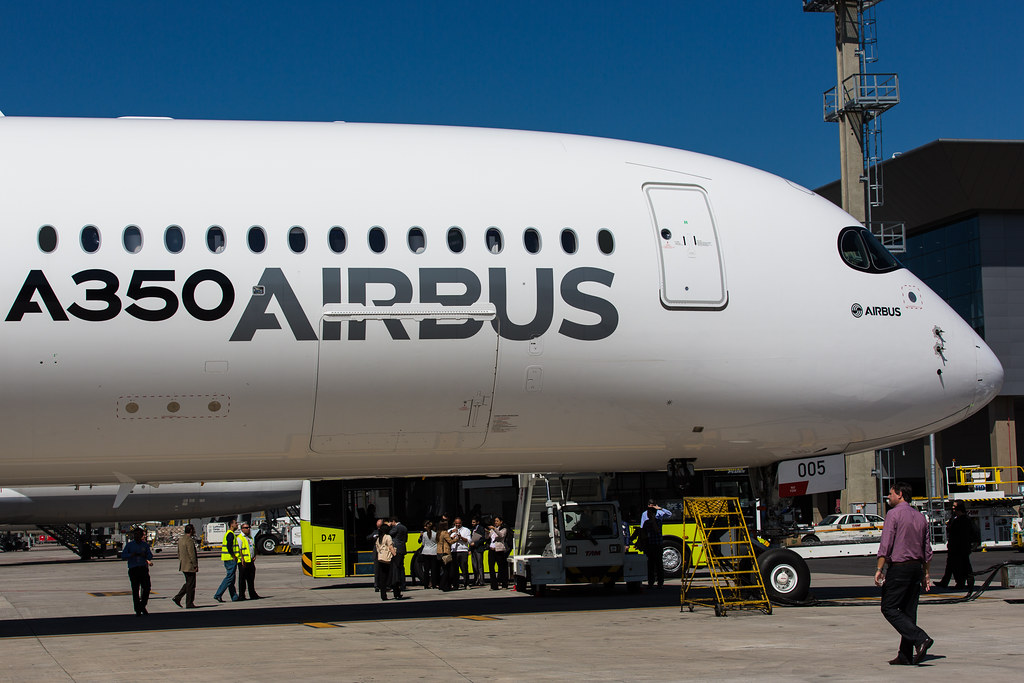
The aviation sector has just seen the end of one of the most complicated and high-stakes legal cases, Airbus and Qatar Airways declared an amicable and mutually agreeable settlement. This agreement, which was published on February 1, 2023, is an indication of the end of the long legal fight that had severely damaged the relationship between the European aircraft manufacturer and one of its biggest clients.
The exact conditions of this historic settlement are secret, which is typical of such high-profile settlements. More importantly, the two parties confirmed that the settlement is not a confession of liability on either side, a fact that is meant to enable both parties to save face and proceed without admitting their culpability in a court of law.
The history of this saga dates to the end of 2020, when Qatar Airways voiced concerns regarding the presence of cracks in the paint of some of its recently acquired A350 aircraft. After these findings, the airline acted decisively and decided to ground a large number of its A350s claiming possible safety consequences. By the time the conflict broke out, Qatar Airways had a large fleet of 53 Airbus A350s, of which 34 were of the -900 model and 19 of the -1000 model, and 19 more of the type were on order.
Public Escalation and Aircraft Cancellation
During the controversy, Airbus repeatedly denied any claims that the structural integrity or safety of its A350 aircraft was in any way undermined by the reported paint problems. This vehement difference preconditioned months of highly visible disputes and a confrontation of legal battles, which would eventually be settled in the High Court in London.
The tensions were also enhanced when Airbus took a rare and major step of unilaterally canceling the pending aircraft orders of Qatar Airways. It involved a preliminary cancellation of 50 A321neo in January 2022 and the cancellation of all A350 orders of Qatar in September 2022. Such a radical action compelled Qatar Airways to find alternative ways to sustain its planned growth program in a very short period of time, which shows how critical the dispute was to its operational strategy.
The design of one of the main elements of the A350 aircraft was the focus of the technical side of this dispute. Airbus assured Insider that it has actually made a switch to the metal coating on its jets. The producer is moving away to expanded copper foil (ECF) to perforated copper foil (PCF).
Position of Airbus and Technical Design Changes
This copper foil is a very important protective factor, as it is located between the layers of paint and the carbon fuselage. Its main purpose is to protect the aircraft against the potentially harmful impact of lightning strikes, which is a normal requirement to certify aircraft and operate it safely.
Airbus said that the company started gradually incorporating PCF into the production of A350 aircraft, and it was implemented fuselage section by fuselage section. This gradual rollout began with deliveries in late 2022, but the older ECF version is said to still be used to some extent in the production process.
Airbus insists that the move to swap ECF with PCF has nothing to do with the Qatar litigation. According to the company, this design change was actually carried out in 2019, with the aim of reducing weight since the new copper foil is lighter. A spokesperson of the company explained, this improvement is a part of the continuous aircraft development that is completely normal in the industry, and it is a normal evolution in the aircraft designing.
Interestingly, although it was not its original intention, Airbus admitted that the new PCF will increase the longevity of the paint system despite the fact that it was not designed to do this. This is an incidental advantage to the technical story of the current development of the A350 and the attempts to improve its long-term performance and maintenance profile.
The Safety Concerns and Court Developments at Qatar Airways
Although Airbus claimed, the position of Qatar Airways was strong, and the problem was far beyond the aesthetics. The airline claimed that the broken paint revealed the metal mesh beneath and thus presented a real danger to safety. This belief saw the grounding of 29 of its 53-strong A350 fleet, with Qatar Airways pursuing compensation in excess of US 2 billion. To support its arguments, Qatar published photos that allegedly depicted vast sections of paint peeling, bare rivets and copper mesh on the fuselage of its affected A350 planes.
Contrastingly, Airbus always insisted that the problem of surface degradation was merely a cosmetic one. Other A350 operators, including Delta Air Lines and Etihad Airways, also supported this stance, although they admitted that some damage was caused, they did not view it as a safety issue and did not ground their wide-body aircraft on the issue.
Another aspect of the legal action was Qatar Airways challenging the redesign in court, namely, seeking an examination of the possibility of a lightning strike affecting the safety of flights in the new circumstances. The airline requested the modeling data of the A350, a demand that initially met resistance by the French authorities who cited the security threats due to the fact that the designs are also used by the European governments. Nevertheless, both parties’ lawyers eventually reached tentative agreements to submit the demanded data, an action that averted a corporate trial that was originally scheduled in June.
The conflict had grown more bitter, to the extent that in December 2021, Qatar CEO Akbar Al Baker said that the issue had ruined the relationship between the airline and Airbus. Airbus, in its turn, had already supported the A350 and claimed that the move by this customer to present this particular issue as an airworthiness concern is a menace to the global procedures on safety issues. It is a sign of the sharpness and the openness of the conflict.
Material Properties and Forward Path Following Settlement
The A350 itself, which is made of highly composite materials, has contrasting thermal characteristics to that of aluminum, which is traditionally used in aircraft production. Airbus has cited this basic difference of material as a partial cause of the noted flaking of paint, indicating that it is a natural trait and not a flaw.
The way forward of these two aviation giants is now more apparent with the settlement being confirmed. Airbus has undertaken to reinstate the orders of 50 A321 single-aisle aircraft by Qatar Airways, which is an indication of a re-entry into commercial partnership. Moreover, Airbus will continue with the delivery of the remaining 23 A350s in the current order book of Qatar, which will start delivery this year.
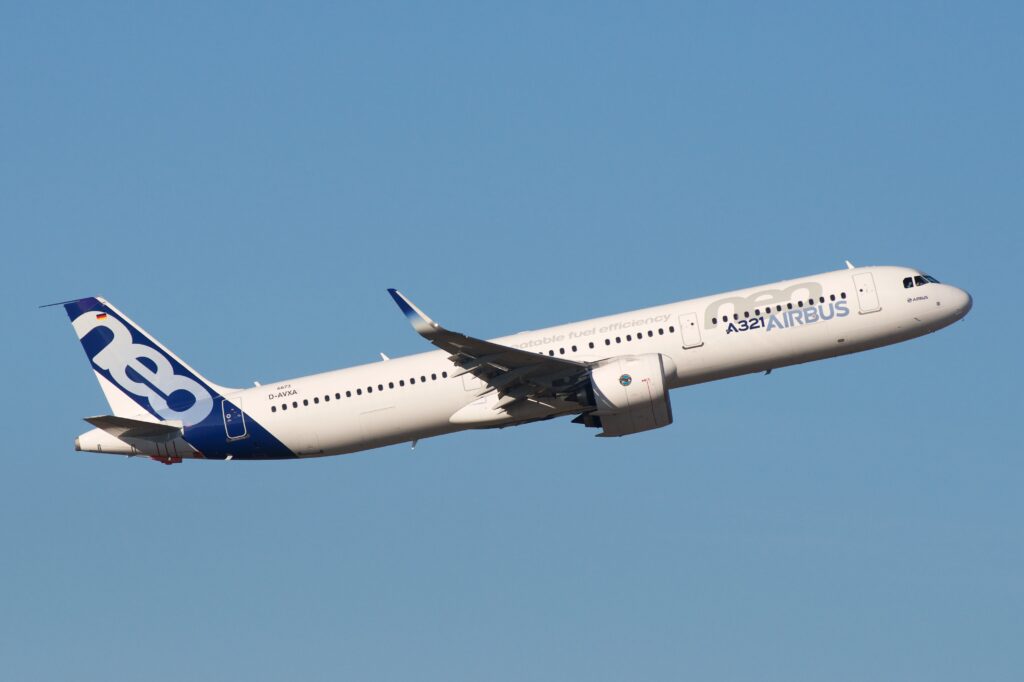
One of the main logistical changes that have been caused by the dispute is the new delivery schedule of the A321neo models. These aircraft will now be delivered to Qatar starting in 2026 which is a huge delay considering the earlier schedule had seen them being delivered as early as 2023. This re-timing is an indication of the supply chain and operational complications that were required as a result of the protracted legal tussle and subsequent reconciliation.
The key point in the practical solution is that the airline and the aircraft manufacturer are currently involved in a mutual repair program. The main goal of this joint action is to methodically deal with the affected aircraft, which will allow returning them to service and eventually bring the grounded aircraft into the sky. This teamwork strategy highlights the reaffirmation of the partnership.
A New Chapter in Airbus-Qatar Partnership
This deal is a strong statement of the fact that the global aviation supply chain is often a complex matter, and even the most controversial issues may ultimately yield to compromise. The stakes were high as Airbus was competing with one of its most significant clients, which is a region where airlines such as Emirates, Qatar, and Etihad Airways have traditionally been one of the key buyers of wide-body planes, turning desert airports into international centers. Although the resolution was kept confidential in its details, it clearly reinstates a working relationship, which is critical to the entities and the industry in general.
This legal chapter comes to an end enabling both Airbus and Qatar Airways to redirect their resources and attention to their fundamental business goals. It is a shift in a time of intense public and legal conflict to a new joint effort, where now the emphasis will be on order fulfillment, repair programs, and joint effort as partners in the highly competitive global aviation market. The two giants will definitely be closely monitored by the industry as they re-establish and enhance their strategic alliance.