

How NASCAR Tech Helped Pennsylvania Reopen a Vital Highway
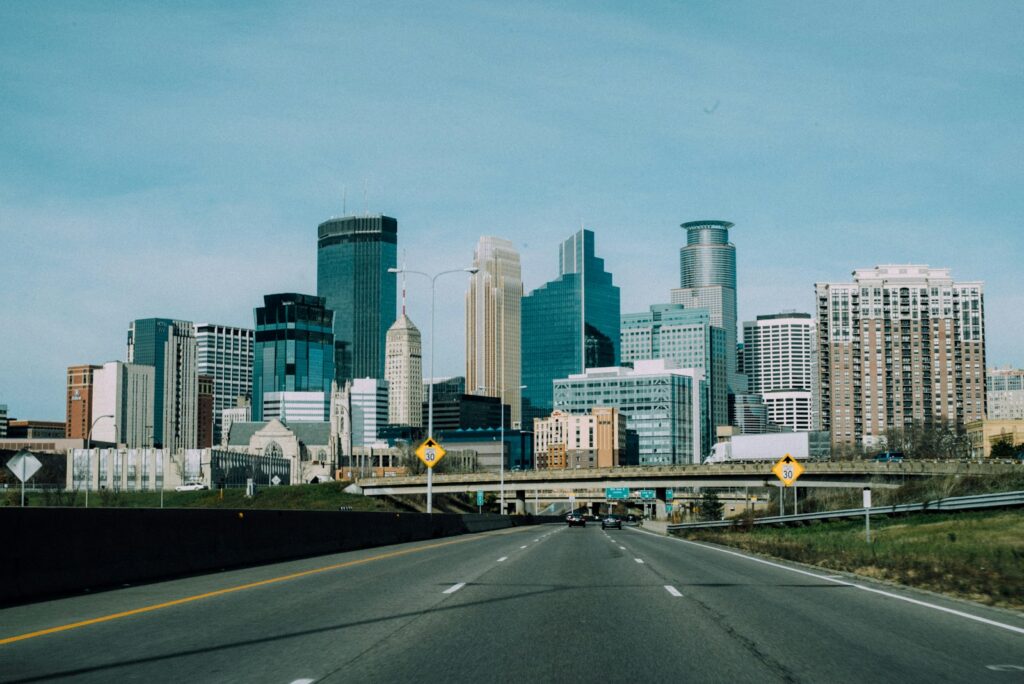
The sudden cutting of a vital artery of the American East Coast was as though the heart of the region had missed a beat. A gasoline-carrying tractor-trailer that crashed fiercely on June 11 resulted in the disastrous collapse of a northbound part of Interstate 95 in Philadelphia. The accident that tragically claimed the life of the driver not only destroyed the highway but also left a hole in the lives of millions of people and the traffic.
This wasn’t just any road. The major north south highway on the East Coast is I-95, which is the lifeline of commuters, truckers, and travelers. The closure was sure to cause logistical mayhem, financial havoc, and frustration with an estimated 160,000 vehicles going through this part every day. The first prognosis was pessimistic, and some sources said that the essential corridor might be closed several months.
With this overwhelming challenge, a strong and decisive voice came out. Pennsylvania Governor Josh Shapiro went out there not with months-long projections, but with an incredibly ambitious goal. He announced that a temporary solution would be available and the highway would be open to traffic within a few days and not months. It was a pledge which appeared to outweigh the magnitude of the devastation and prepared a wonderful contest with time.
Engineering Ingenuity and the Temporary Fix
The place was at once swarmed with people. Crews had gone to work 24 hours round the clock in a remarkable show of coordination and grit. The strategy was as radical as it was violent. Engineers selected a special lightweight glass foam aggregate to fill the huge hole caused by the demolished underpass. This rock-like material, supplied by the Delco-based company Aero Aggregates, was essential since it was light in comparison to the traditional rock that could have caused any damage to a sewer line that was vital and was passing through the area.
Bit by bit the chasm was filled. The bare ingenuity was at work when the provisional roadway started to be made. Paving began on the evening of June 21, and it appeared that Governor Shapiro was going to get his daring schedule. However, as soon as the finish line was in sight, a very powerful and unpredictable opponent emerged in the distance: Mother Nature.

The Philadelphia weather forecast was a rainy one. Thunderstorms and continuous showers were forecasted at the very time when the last, the most vulnerable work should be accomplished. The construction crews required a dry 12 hours of weather to finish the paving and, most importantly, to paint the new lines on the new asphalt. The rain was going to sweep away all the gains, and the reopening was postponed and the traffic nightmare in the region continued.
NASCAR Solution to a Construction Problem
This was a time that required some outside-the-box thinking. And that is what actually occurred courtesy of a phone call that was a result of a special connection. Pennsylvania Transportation Secretary Mike Carroll, a former state legislator who represented an area adjacent to the Pocono Raceway, had a flash of inspiration. He was aware that there was a highly technical and precise way of handling wet asphalt in the world of professional auto racing.
Carroll contacted his connections at the Pocono Raceway, some 100 miles north of the construction location. He was aware that when rain delays threaten a race, the track uses powerful equipment to dry the track within a very short time and safely. He called and the reply of the raceway was instantaneous and unconditional.
Pocono Raceway President Ben May did not stutter. His response to the question of whether the state would be billed to use their specialized equipment was a resounding no. He considered it a civic obligation, terming it as a very, very, very small contribution to the spectacular work that is being done by many people.
The Jet Dryer and Its Role
May knew what was at stake. We would do anything to assist the Commonwealth, he said, and emphasized the great value of I-95 not only to the state, but to the whole Eastern seaboard. Even he put in a jocular, self-serving remark, that now that tourist season was approaching in the Poconos, they had to get people to the Poconos as soon as they could.
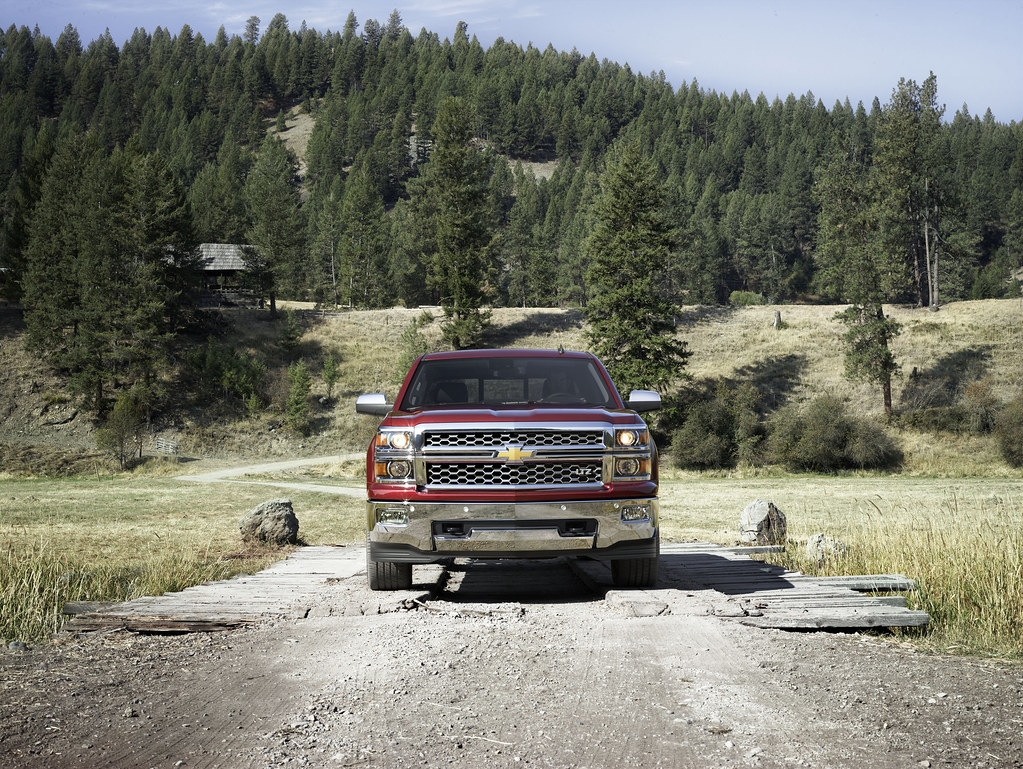
And what was this world-motorsport secret weapon? It was the raceway jet dryer, the wonder of practical engineering. The vehicle is a high-performance Chevrolet Silverado pickup truck with a helicopter turbine cleverly installed in the bed of the truck. It is basically a jet engine on wheels, which can blow air up to an astonishing 1,400 degrees Fahrenheit.
This is an amazing device that is a must-have at large race tracks due to an important reason. The tires fitted to NASCAR race cars are referred to as slicks and are totally smooth with no treads. The design enables them to have the highest friction and grip on a dry surface, but it renders them extremely unsafe in wet conditions. According to Ricky Durst, the senior director of marketing at Pocono Raceway, it is quite urgent that the track is in good and dry condition before people are driving around it at 200 miles an hour.
The jet dryer makes sure that rivalry may occur, and safely. The very idea was an invention introduced to NASCAR in 1976 by the legendary team owner Roger Penske who noticed that the same equipment was used to pave a road and knew that it could be used to dry a racetrack. The same technology was now being summoned to a totally different type of race- the race to reopen I-95.
The Race to Reopen I-95
Under the scheme a special train was started off the mountains of Long Pond to Philadelphia. The Pocono Raceway jet dryer, along with the official Chevy Camaro pace car of the raceway started its trip on the morning of June 22. This odd-looking duo of vehicles, escorted by the Pennsylvania State Police, made their way down the highway, and the sight of these vehicles gave the imagination of the public something to ponder and gave the project the all-hands-on-deck appearance.
News helicopters trailed them, and within a short time, the jet dryer and pace car were on the I-95 construction site, and parked next to the temporary roadway, which was almost finished. They were available and present on-site and standby to deploy at any given time. In case the predicted rain had started to fall, the crew was ready to start the turbine and creep gradually over the new asphalt so that the surface would be dry enough to apply the last layers of line-striping paint.
This was a special alliance that Governor Shapiro rejoiced in. He commended the spirit of cooperation in an interview, saying, I said the other day, it is the ingenuity of Delco (Delaware County) meets the grit of Philadelphia. Then we will top that with the resourcefulness of Pocono Raceway and the incredible men at NASCAR up there that are assisting us with 95.”
A Victory of Teamwork and Creativity
It happened that the hero in waiting did not need to go into the battle. The weather favored in a happy hour. The skies were clear enough to allow the paving and line painting to be done without interruption. The jet dryer, which had been a mighty insurance policy, was unnecessary.
But its existence was not in vain. It was a sign of creativity and desire to assist that characterized the whole project. According to a statement of the raceway later, “Like in our NASCAR events, the planning of all scenarios is part of the job, and we could not be happier to offer our support. The team was just glad to be involved in the solution.
The end outcome was simply astounding. Friday, several days before the already violent weekend agenda, temporary lanes on I-95 were reopened to traffic. What had been a failed wreck was now a six-lane highway, running with traffic again. The cost of the project (between 25 and 30 million) with the federal government contributing the largest portion of it was a success.
This was more than a highway repair story in the history of Philadelphia. It became a great demonstration of what can be achieved when the government, the private industry, and hard-working crews work in the same direction. The engineers who selected the new backfill, the raceway team that mobilized their own special equipment, all contributed to the success of the months-long crisis that would have been a success had speed, and innovation did not triumph.
Ben May of Pocono Raceway was perhaps the most eloquent when his crew was heading down to Philly: “We are honored to be a part of it; we are proud to be a part of it and get this sucker back open. His words put into perspective the whole endeavor a can-do attitude based on civic pride and a common dedication to completing the task. Eventually, they did not simply construct a highway, they strengthened the strength of a community that comes together when it is needed the most.