



I Paid Cash for My First Car, and Here Is What I Learned

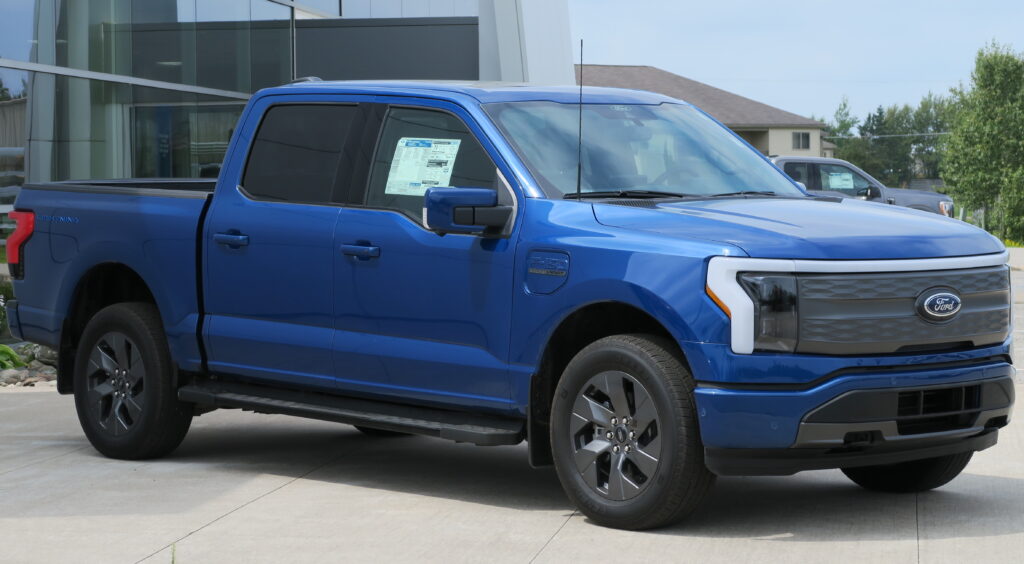
Picking up my first car did not occur in my twenties or even in my early thirties. Instead, it occurred when I turned 37 years old after some years of saving and to-ing and fro-ing between different options. This certainly was not an emotional or spur-of-the-moment kind of purchase. This was something that I had given great thought to, something that involved preparation and analysis, something where making the right decision was of prime importance to me, especially since car prices have continued to go up year after year, and it’s not just the car that I needed to consider but also how to finance it.
The new cars were averaging around $50,000, and the used ones were not far off at $26,000. This, by itself, made me think. Paying off the car is an aspect that not only affects how one will spend money every month, but also how that person feels. I weighed the pros and cons and made a decision that seemed both rationale and emotionally satisfying: the entire purchase would be paid off in cash.
That was not how most people purchase a car. Most consumers need financing or a lease, and financing is, by default, how it is done. But for some reason, owning it outright was very appealing to me. This was not about making a statement or adhering to a code. This was about control, security, and knowing up front, before I sign anything, what I am doing.

1. Why Paying Cash Felt Like the Right Starting Point
First and foremost, the main reason I found cash to stand out was because I wanted to avoid the payment of interest altogether. Often, the payment of interest will seem abstract or intangible until the time comes when the calculation needs to actually be done. This changes the perspective on the whole transaction altogether. It means I would have to pay more for the same vehicle for the sake of the interest.
After I did the math, the effect was difficult to disregard. A dealership loan on a mid-range car could easily increase into the thousands by the end of the term. This extra outlay did not increase the car’s durability, safety features, or comfort level. It was pure interest.
But the fact that I was paying in cash eliminated that middleman problem completely. What I paid was the real price for the car; nothing more. This helped to remove any doubt or guilt from my purchasing the car, since I am not incurring any other debts or loans that may extend over the years to come.

2. The Emotional Burden of Ownership of a Kind
But the real value beyond the figures lay in the actual, tangible benefit: peace of mind. Knowing there was no bank involved switched every aspect about buying the car. The car was mine, pure and simple, with no stipulations or deadlines. The raw, unadulterated ownership had a surprisingly potent emotional effect. The purchase was finalized not after several weeks or months, but as soon as it was finalized.
What Full Ownership Provided:
- The full ownership
- Financial freedom
- No lender participation
- Ownership without Conditions
- Less mental load
- Long-term feeling of security
Yet this ownership gave me a kind of security I had not expected to the fullest when purchasing the car. Now the income might change or I could face an unforeseen situation: the car would not become a source of financial worry for me. There were neither due dates to follow nor any kind of penalties to be concerned about. The sources of minor tension melted away almost unnoticeably. The car became an integral part of my daily life, not a periodic source of financial obligations.
3. How Cash Enforced Financial Discipline
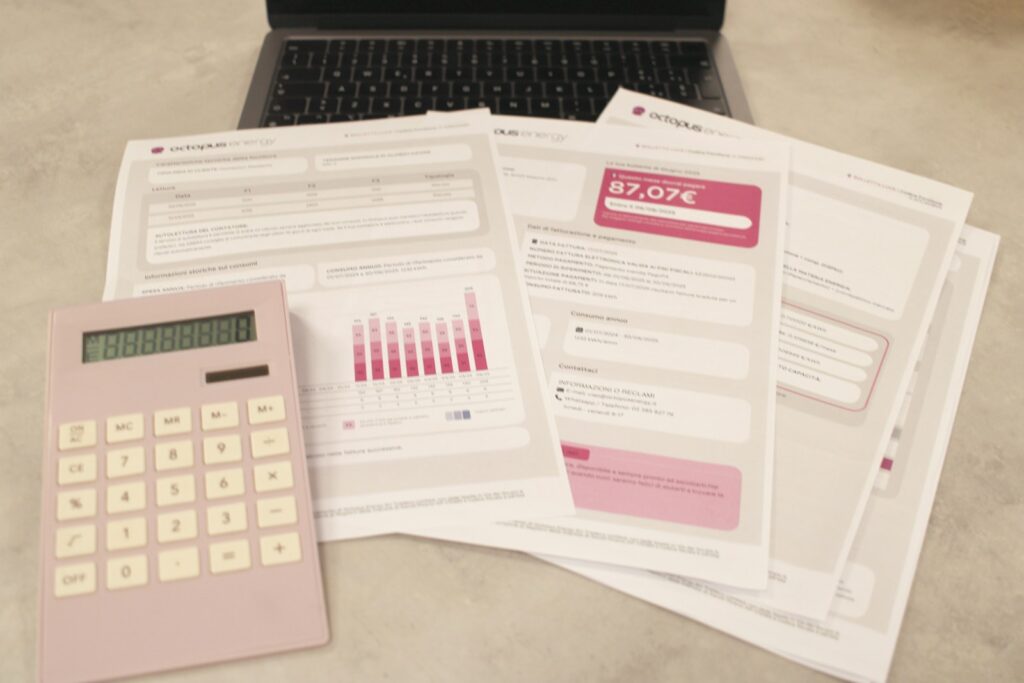
It immediately gave me a natural buffer around how much money I was spending. When you’re only spending money that you already have, everything becomes more earthed. Every dollar counts, because they’re going out of your account right away.
Loans tend to shift emphasis from the total amount needed and focus on how much is needed per month. What initially seems like nothing when viewed in terms of payments can greatly escalate the final amount due. Cash eliminates that factor.
This helped me resist the temptation of overbuying. I did not indulge in upgrades or functionalities that were tempting to have in the short term but were of no ultimate use to me. This resulted in my purchasing something that made me feel responsible, not reckless.

4. The Reality of Using Savings for a Depreciating Asset
The thought of using such a large part of my savings was not an easy decision. Cars depreciate quickly, and buying something that depreciates immediately with the cash I pay out is a difficult feeling. This realization led me to take a step back and look at my situation. I had to ensure that making this purchase wouldn’t have created its own vulnerabilities. This required more thought than making the purchase.
Financial Verifications Prior to Cash Payments:
- Depreciation awareness
- Truthful budget analysis
- Savings impact assessment
- Emergency funds protection
- Risk tolerance assessment
I made sure that my emergency savings were untouched before committing to anything. Having multiple months of savings ready made a world of difference. I would not have to worry about unexpected situations becoming financial crisis situations. It is only because of this savings that I found it sensible to make payments in cash. It would not have been so bold of me otherwise.

5. Accepting Trade-Offs in Vehicle Choice
This reduced my possible choices because I had a set cash budget. I could not stretch into higher pricing or newer models because I would be going against my values. Therefore, I had to be amenable to older cars or those with high mileage.
Giving up on being perfect or having all the coolest features in my car was an adjustment. But when I changed my outlook on what it meant to buy my car, it all seemed like an equitable trade-off.
However, the car still served my purposes, and that was what mattered most, not appearances or what is considered fashionable. “Freedom is not something that can be demanded-surprisingly, it must be won.” Our freedom, and my dreams of a home, were worth more than a roadly, through money. Loans, for instance, offer commissions. When loans are not involved, commissions change. Prices will be affected.

6. Why Too Early Reference to Cash Damages Negotiations
If one were to walk into a dealership for a car purchase with cash, this will not necessarily be an advantage. In fact, it could count against you if it is disclosed too early. The sources of profit for car sales companies also come, broadly, through money. Loans, for instance, offer commissions. When loans are not involved, commissions change. Prices will be affected.
Why Timing Matters in Negotiation:
- Dealer financing incentives
- Commission-based profits
- Add-on revenue streams
- Shifted pricing strategies
- Reduced buyer leverage
Understanding this dynamic shaped how I approached negotiations. I avoided disclosing my payment method upfront. Keeping that information vague helped keep the focus on the vehicle’s actual price. It prevented the discussion from drifting toward financing-related adjustments. This approach maintained balance at the table. The deal stayed centered on value, not payment structure.

7. Focusing the Discussion On Price
My plan was simple and successful. I negotiated as if the financing was still an option. When directly questioned, I told them I hadn’t made up my mind about how I would pay.
This response maintained objectivity within the discussion. It avoided making conclusions to promote adding to the offer with extras in the form of small amounts every month.
In my case, by decoupling payment terms and price negotiations, it was easier for me to negotiate a fair price without hassle. Payment terms only mattered at the end when the final selling price was settled.

8: Navigating the Finance Office as a Cash Buyer
Even when cash is used for the purchase, most consumers still have to go through the finance office. This particular process appears to serve no purpose other than to add to the processes already in place by the dealer’s organization. During this process, inquiries regarding one’s personal details occur quite often. In some cases, the dealer may request some sort of credit check even when cash is used to make the purchase.
What to Expect in Finance Office:
- Standard processing step
- Personal data requests
- Probably credit check inquiry
- Documentation is
- Opportunity for clarification
This helped me stay in control. I could think clearly and say no to things that were not asked for. This helped us stay on the same page. This also kept the whole process flowing. Confidence is achievable by preparing, not by confronting. This has reminded me of the importance of knowing my rights in the buying process.

9. Understanding Large Payment Procedures
Larger transactions are accomplished through secured channels, including the cashier’s check or wire transfers. It is unusual to perform larger transactions when physical money is required.
Payments made beyond certain levels get recorded. This is usual reporting and doesn’t indicate any irregularity. It is just a measure of accountability.
It helped me be mindful of this process beforehand, making me feel less anxious. It seemed like a routine process instead of scary, taking the stress out of the end.

10. Think About Flexible Alternatives Without Losing Control
There are instances when the use of short-term loans may be advisable. Some car manufacturers offer the customer incentives or discounts in conjunction with car loans. In this scenario, the use of a short-term car loan may enable the customer to get a discounted price of the acquisition of the car. The method involves interpreting the terms carefully. There must be discipline when using the facility to prevent owing money for a longer period than expected.
When Short-Term Financing May Help:
- Manufacturer loan incentives
- Lower negotiated prices
- Quick payoff strategy
- Clear contract terms
- Strong financial discipline
Taking a loan with the intention of settling it swiftly would offer a combination of both approaches in such situations. But this would be feasible if control is maintained by the buyer. Since I took a direct cash purchase, learning about other approaches has reinforced learning one significant concept. Taking informed action rather than following a set of rules is far more essential.
Driving off with the title in my name with no payments due felt like an incredible freedom. This took patience and planning and foresight on my part. But it was worth every bit. Not financing the car wasn’t an indictment of financing. of course, I could have financed it if I wanted it that badly. It showed me that it is more about preparation than about the right time. These savings, understanding the system, and proper negotiations made the whole difference. It is just a car, and it comes from a whole different financial way of thinking, which I’m sure will serve for the future too.