







How a Fake Parts Scam Sparked an Aviation Safety Revolution
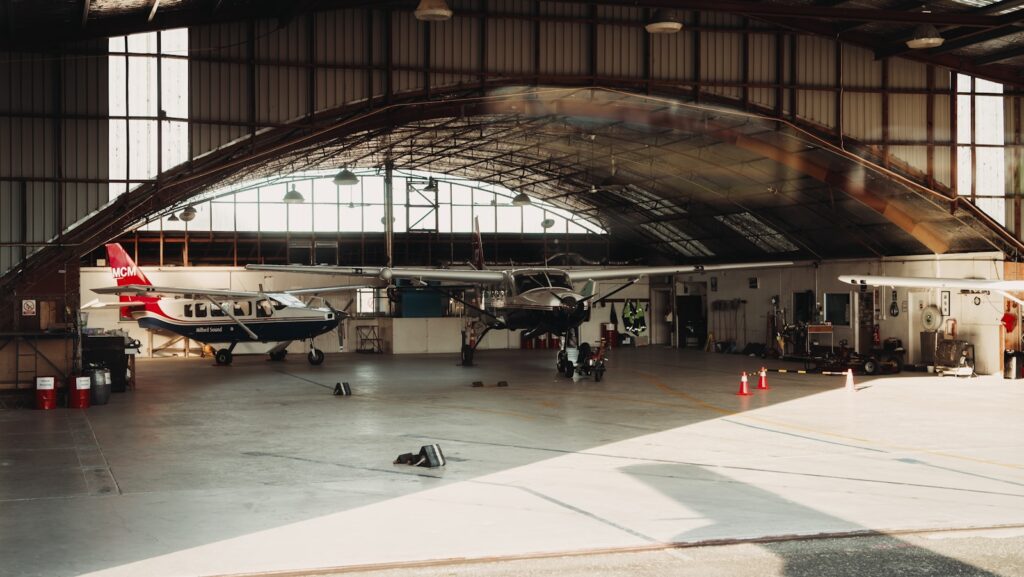
When passengers board a plane, they do not consider the infinite number of checks that occur behind the scenes. However, every airline relies on a world-wide system that is rooted in accuracy, paperwork, and trust. Every part has a track record, which has been validated through careful monitoring. When stories break about forged records and dubious components, it is only natural that people become concerned. However, the way that the aviation world has reacted shows that the safety-oriented culture is far from fragile it is extremely resilient instead.
Important Foundation of Aviation Trust
- Detailed documentation for each aircraft component
- Regional Independent Regulatory Presence
- Multi-layer inspection and verification processes
- High level of accountability between suppliers and airlines
What transpired in respect of the London-based supplier, AOG Technics, is not a failure in aviation safety but rather a measure of its efficacy. Aviation as a sector has not failed because of deception. Rather, the sector has diagnosed, responded, and adjusted in record time. Notably, the event also showcases the way and manner in which aviation converts a crisis into an opportunity for improved global collaboration and transparency.

1. The First Warning Signs ThatTriggered Global Concerns
The first warning calls came in August with the safety notice from the European Aviation Safety Agency. This warning focused on AOG Technics, which was believed to have been distributing unsanctioned airplane engine parts. Not only were the airplane engine parts unsanctioned, but they also came with forged documentation in an attempt to mimic the real process.
What Triggered Regulatory Concern
- Discovery of unapproved engine components
- The issuance of counterfeit ‘Authorized Release Certificates’
- Inconsistencies in supplier documents
- Verification failures attributed to a particular vendor
EASA found that more than one certificate related to AOG Technics was fraudulent, and that the approved entities whose name was used on these certificates denied their issuance in full. This identified the scheme to pass untraceable components as genuine. This level of sophistication in fraud raised concerns, but identified that the reporting mechanisms could function effectively if irregularities were brought to their notice.
2. Why the CFM56 Engine Made the Case Critical
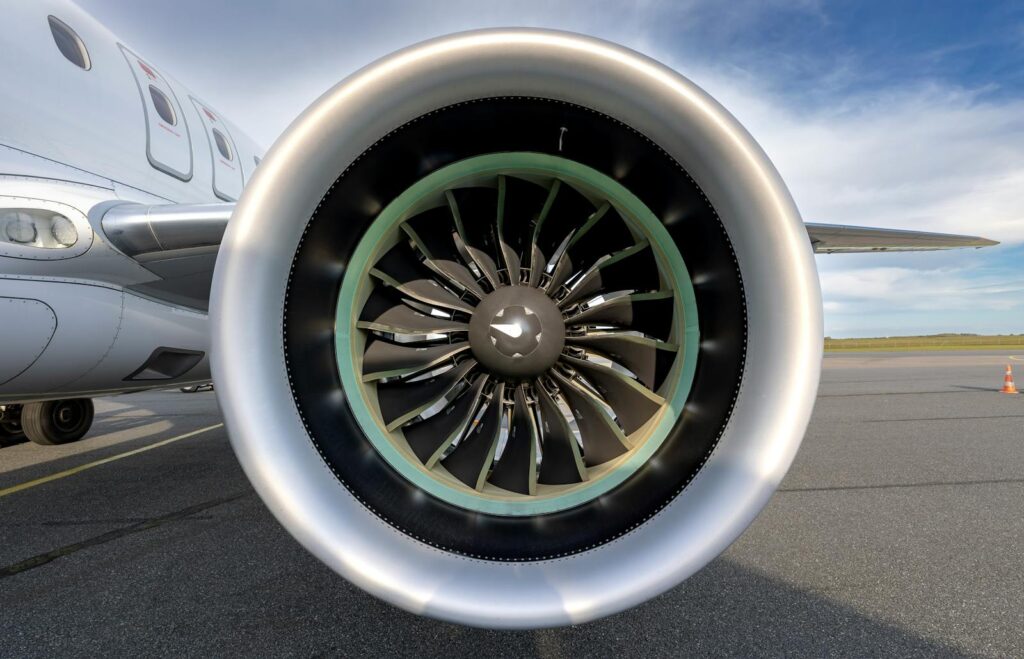
The gravity of this crisis increased because the components that were affected are associated with CFM56 engines. These engines are responsible for powering some of the most commonly used commercial aircraft models globally, including Airbus A320s and 737s from Boeing. The CFM56 engine, which has been jointly developed by GE Aerospace and Safran, is known for its reliability, so any chain supply failure associated with this engine is alarming in nature.
The CFM56 Engine: Its Significance
- Used worldwide by major airlines
- Renowned for durability and efficiency
- Short- and medium-haul aviation, including the aviation
- Conducted under tight regulatory requirements
Air operators around the world launched an instantaneous review of their records in search of any signs of AOG Technics parts. In this way, aviation world equipment management was shown to happen in a collective, and not standalone, manner, which resulted in minimizing possible risks even before turning into operational hazards.
3. Air Carriers Take Rapid and Open Action
Southwest Airlines was one of the first to admit publicly that the aircraft parts belonged to them and were related to their supplier, AOG Technics. The components were identified to consist of two low-pressure turbine blades from one engine. The airline took the initiative to replace the components. This is where transparency took a central role.
Measures for Airline Safety
- Immediate inspection of maintenance records
- Elimination of doubtful components
- Voluntary Public Disclosures
- Coordination with Regulators
United Airlines soon followed suit, tracing suspect components in two plane engines. In one plane, the engine was already due for maintenance. United replaced the engines before resuming service. This is against the backdrop of a culture that puts safety over convenience.

4. Global Ripple Effects on the Main Carriers
This problem did not only affect U.S. carriers. Virgin Australia found problems relating to turbine blades and high-pressure turbine nozzles on another plane. The carrier reaffirmed its commitment to tight maintenance procedures and reiterated the importance of safety above everything. The same has been found true for the rest of the air carriers.
Carriers Affected by the Revelation
- Virgin Australia
- Delta Air Lines
- American Airlines
- WestJet
In spite of the fact that multiple airlines were affected, the impact caused to the flying community was minimal. Planes were kept grounded, repaired, and then cleared for flying. Whether through redundancy, documentation, and maintenance discipline, the risk that might affect the international flying community turned out to be a minimal concern.

5. Engine Manufacturers Pledge Legal and Technological Action
As airlines were coping with inspections on their fleet, CFM International acted quickly against the problem at its root. The company launched a lawsuit against AOG Technics, which exposed how numerous airplane parts were distributed with forged paperwork. Law enforcers found numerous engines with questionable spare parts. Investigations were broadened.
Actions of Engine Manufacturers
- Legal action against the supplie
- Cooperation with international regulators
- Customer documentation reviews
- Efforts in Part Authentication
The fraud has been considered carefully planned and of an industrial scale by the legal representatives. CFM reiterated their commitment to working together and making appropriate checks for authenticity. The role of the supplier clearly indicated the important part that suppliers have to play in making airlines accountable.

6. Criminal Investigation Ensures Accountability
This case took an alarming turn with the intervention of the UK’s Serious Fraud Office, which launched a criminal investigation against the firm. With global authorities, the fraud trail was traced over the years. In a major development, the director of AOG Technics pleaded guilty to having run the company fraudulently.
Evidence from the Criminal Investigation
- Falsification des documents syst
- Global coordination between authorities
- Arrest and prosecution of leadership leadership leadership leadership
- Well-defined legal consequences for misconduct
In a stern warning to the aerospace industry, this trial made a loud and clear point: fraud, no matter how well concealed, will not go unnoticed or unpunished, no matter where it hides, namely, in documents. Accountability brought back trust to the regulatory institutions, showing that aviation enforcement of compliance with regulations can reach well beyond mere technological solutions to cover accountability as well.

7. Common Experiences Illustrate Complex Safety Networks
Other unrelated incidents involving maintenance give further insight into safety culture in aviation. Earlier, a United Airlines A320 turned back at its departure airport because of a light “popping” noise heard while taking off. In all instances, crew members took the prudent course, acting on what they knew rather than assuming.
There had been liner separation on landing.
Safety Layers at Work
- Training the Crew and Decision-Making
- Standardized emergency protocols
- Traditional operational judgment
- Post-flight inspection
Such events do not make many headlines, but they occur from time to time. These incidents demonstrate how each aviation professional, from a pilot to an engineer and a process, functions in a certain manner to deal with uncertainty.
8. Proactive Maintenance Beyond Immediate Threats
Delta Air Lines is another example that comes into play through its pro-active overhaul program of Auxiliary Power Units on hundreds of aircraft. This was undertaken before cabin fume problems got the better of the aviation world. Even though it has nothing to do with the sale of counterfeit parts, it proves that airlines are big on preventive measures, and not on reacting.
Examples of Proactive Safety Programs
- Overhauls of the Avionics Power Unit
- Identification of design problems early on
- Maintenance planning over a long term
- Sharing Information across Airlines
United Airlines has similar programs in place as well. It is clear that proactively spending money on a safety investment is a necessary part of this industry. It is evident that the airline industry is not waiting for something catastrophic to occur before taking action. They have the knowledge and understand that action is necessary.

9. Industry Unites Through the Supply Chain Integrity Coalition
It was clear that the issues brought to light by the AOG Technics fraud were not something that individual airlines could tackle alone. In reaction, major players in the aerospace industry created the Aviation Supply Chain Integrity Coalition. This was composed of manufacturers, airlines, and key industry leaders.
Members of the Coalition
- GE Aerospace
- Airbus
- Boeing
- Global major airlines
Following the analysis conducted by the coalition for several months, recommendations were proposed to make the supply chain more resilient. The recommendations were shaped by past leaders in the fields of transportation and safety to ensure the proposals are feasible and enforceable under the different regulatory regimes around the world.

10. Establishing a Secure Digital Aviation Future
A crucial part of these recommendations is furthering secure digital records. Digitizing these records will ensure that tampering and fraud become even more difficult to achieve than they are already, and this can be incorporated into improved traceability schemes. Other partnership recommendations include better supplier accreditation and managing component life cycles to provide an unbroken chain of ownership from manufacturer to plane.
Improvements in Key Areas of the Supply
- Safe digital documentation systems
- Suppliers: Verified Supplier Identity Databases
- Enhanced lifecycle traceability
- More robust accreditation standards.
- International regulatory harmonization
These are not band-aid solutions but an upgrade to the system. By this, the industry will stop relying only on trust, which will be substituted by a transparent system that will not fall to threats in the future.