
Harley’s New Engine: How a Bold Strategy is Fueling a Comeback
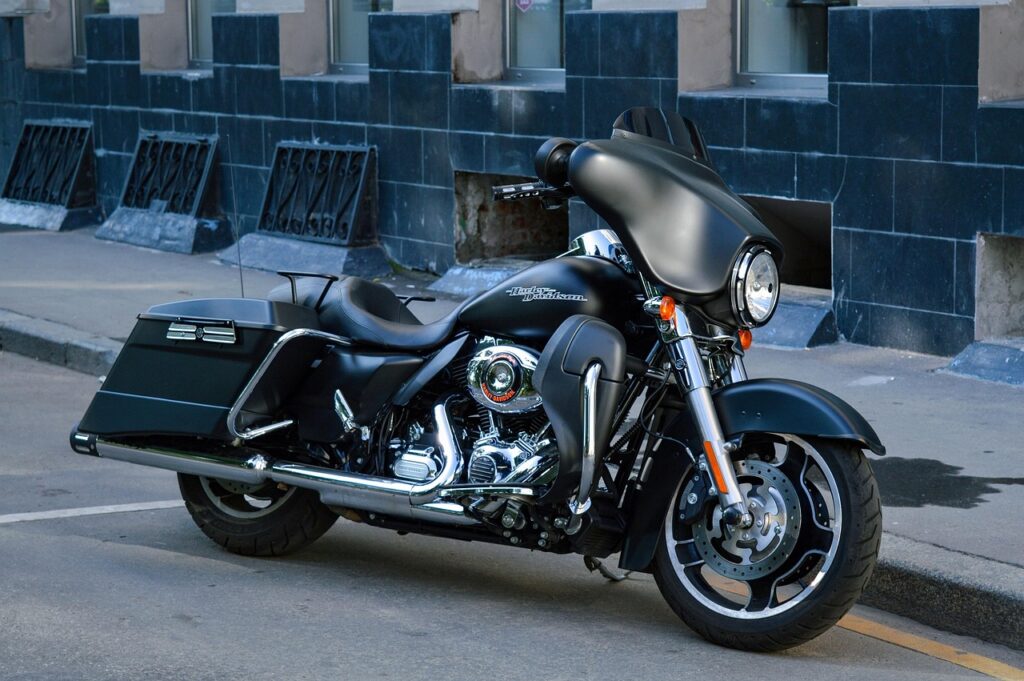
Harley-Davidson’s reality is now being edged out by ugly headlines indicating it’s facing problems. Harley-Davidson saw its motorcycle sales plummet 60% during its last quarter in 2024, while its unit sales dropped 53%. This is in addition to global shipment declines for 2024 at 17%, leaving people convinced that Harley-Davidson is no longer at its prime.
Warning Signs from Recent Performance
- Dramatic drop in motorcycle revenue during the quarter
- Reduction in unit sales volume
- Global annual reduction in product transport
- Negative Investor and Media Sentiment
- Concerns about Long Term Stability
Figures like these were only fuel for concern that the legendary motor was at last stuttering out its last breath. It looked like BMW and Triumph were striding ahead with utmost ease as Harley was struggling with pressures of economics and consumers being extra cautious. However, behind these alarming figures lies a firm struggling with unpleasant realities and planning carefully for a change that would land them back into relevance.
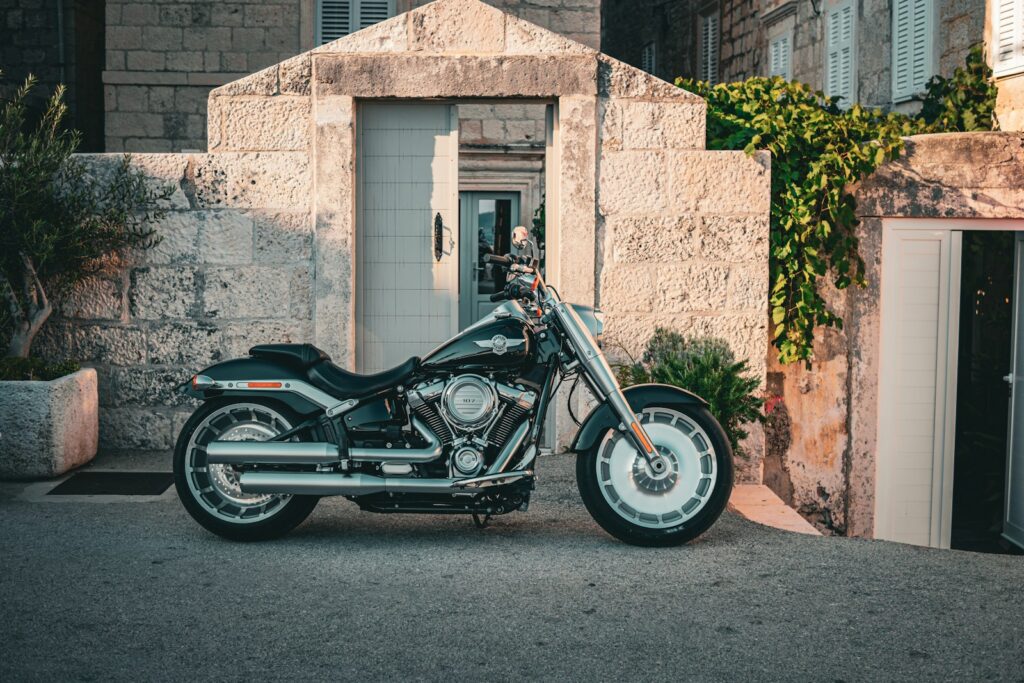
1. Pressure from the Industry and Competition
The overall motorbike market has become very competitive, with very limited room for error in terms of strategy. Additionally, Harley-Davidson is affected by inflation, increased interest rates, and lower discretionary consumption, especially among high-end motorbike customers. While other players expanded their product lines and appealed to the youth market, Harley is susceptible to changes in consumer preferences, thereby revealing vulnerabilities based on its classic positioning.
Market Forces Reshaping Demand
- Inflation affecting discretionary spending
- Higher borrowing costs for consumers
- Higher competition from worldwide brands
- More youthful cyclists focusing on price
Despite all these challenges, however, Harley-Davidson has not been acting as if it were oblivious to reality. It has realized that it is not feasible to focus on trying to market its high-end products even during stressful economic periods. The company is, however, adopting to these dynamics with a strategy that emphasizes the pursuit of both quality and quantity being balanced.
2. Financial Performance Discloses the Extent of the Challenge
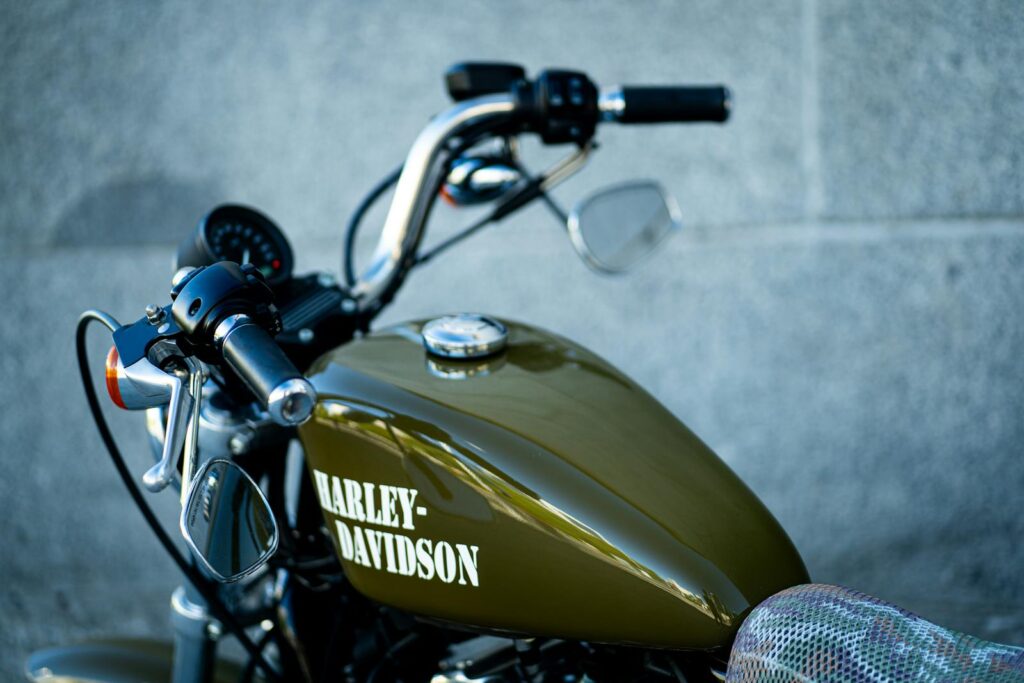
The financial results in 2024 revealed the magnitude of the task that lies ahead. Harley-Davidson recorded motorcycle shipments of 148,862 units in the international market, registering a clear slowdown relative to previous years. Even in its most favorable markets in North America, it recorded a sales contraction of 13% in the fourth quarter. The slowdown did not end there; in 2025, it recorded another sales contraction of 21% in international markets, including a sales drop of 24% in the US.
Financial Red Flags Observed
- Lower worldwide transport volume
- Weakening North American demand
- Continued sales decline in 2025
- Heightened earnings volatility
- Removal of annual guidance
With increasing uncertainty, the company pulled its 2025 outlook, attributing it to unpredictable macro-economic environments. Although alarming for stock market investors, this approach showed that Harley-Davidson is transparent and pragmatic in its outlook. By not sugarcoating problems with projections, Harley-Davidson opted for the hard truth, setting the tone for regaining credibility.
3. Leadership Turmoil and Investor Pressure
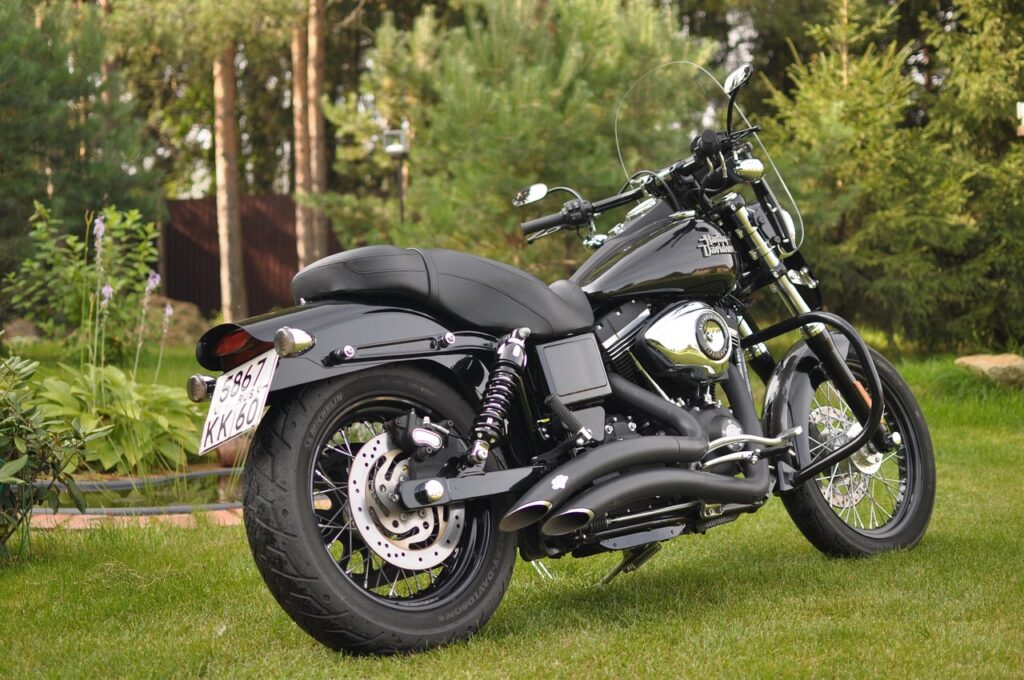
This financial burden, however, brought about internal conflict, thrusting CEO Jochen Zeitz into the limelight. The second-largest shareholder of the company, H Partners, questioned Jochen’s role in a press statement, asking for an overhaul at the company’s board immediately. The situation took a turn for the worse with the resignation of an H Partners representative due to poor leadership, culture decline, and a lack of transparency in the company’s operations.
Sources of Internal Conflict
- Activist investor demands
- Board-level disputes
- A person may speak out against leadership when
- Concerns that are generally present in a company’s
- Pressure for rapid strategic change
It brought to the fore the challenges of implementing the long-term restructuring as the investors continued to create pressure. The strategy dubbed “Hardwire” by Zeitz involved focusing on the higher-end motorcycles. The strategy resulted in increased margins; however, the market share continued to shrink. Though some progress was seen, it was not enough to appease the investors.
4. Dealer Strain and Strategic Disconnect
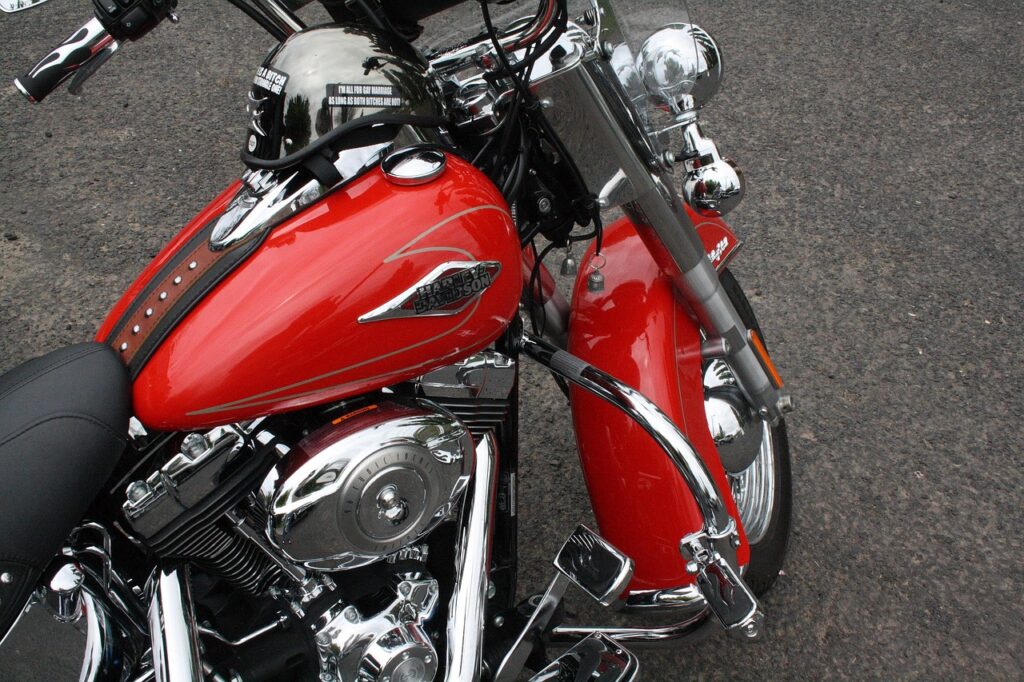
Dealers, who had always been regarded as the backbone of the success of Harley-Davidson, were affected by the misalignment of strategy. Chalk up too much inventory, slowing sales, increased expenses, and tough market conditions caused dealers a good deal of financial distress. The launch of an internet site, where people could buy and sell pre-owned harley’s, added insult to injury.
Main Issues for Key Dealer
- Excess unsold inventory levels
- Less foot traffic through the showroom
- Direct Sales Platforms as Rivals
- Unfulfilled Support Expectations
- Reducing dealer profitability
Though Harley cited some success, like small growth in Touring, these bright spots did not counterbalance consumer dissatisfaction. This disconnect precipitated a refresh and rethink concerning how production, and related investment, and dealership integration could be rethought for a brighter future.
5. LiveWire and the Reality of Electric Adoption
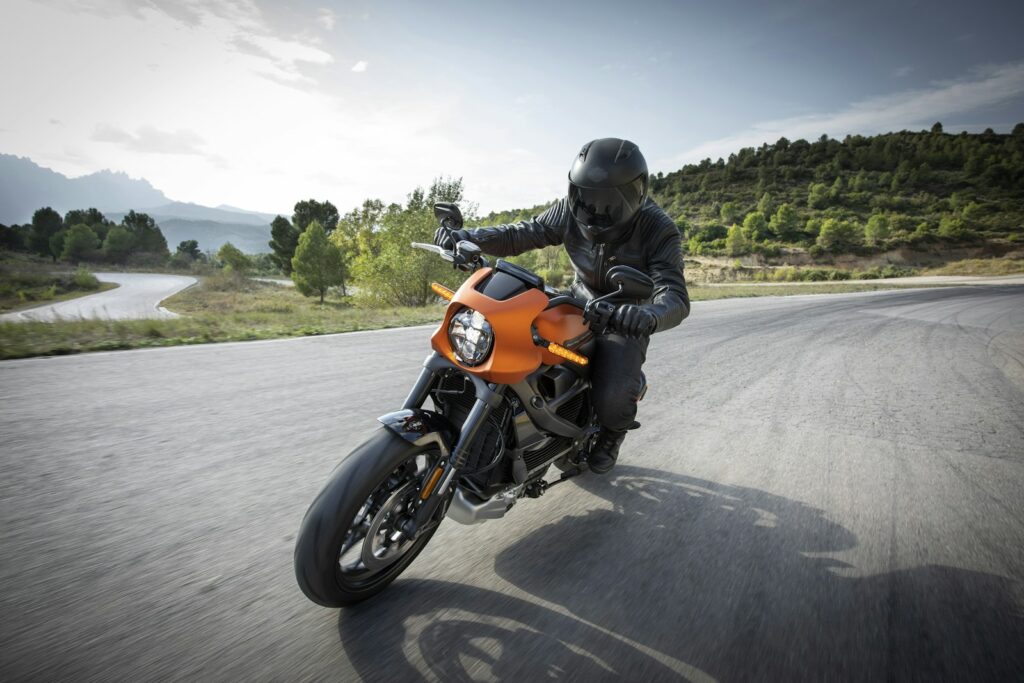
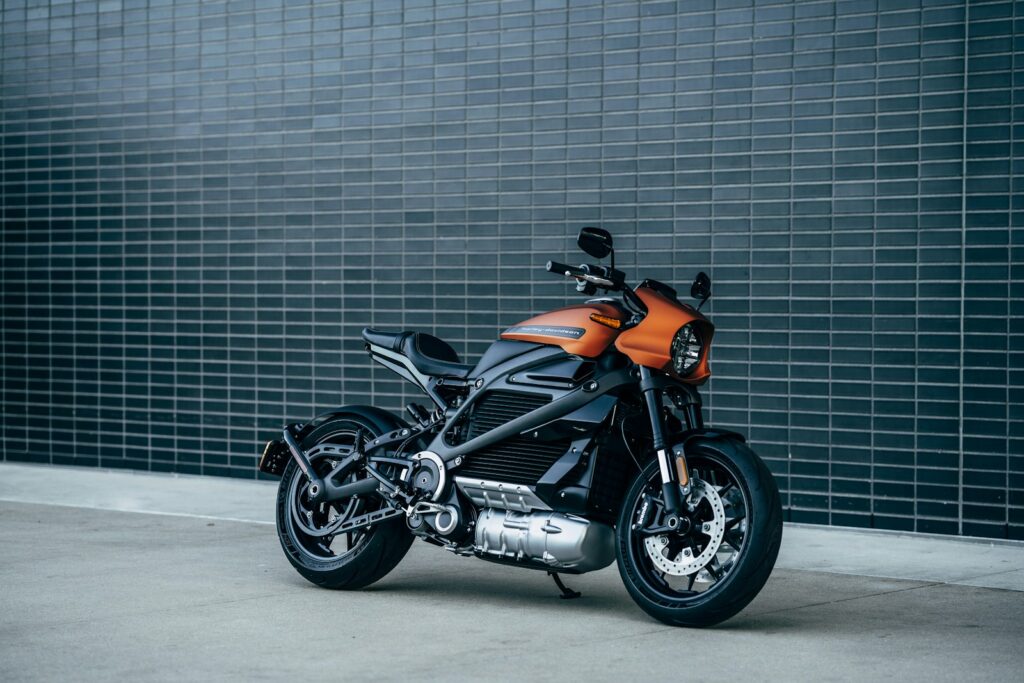
LiveWire, a sub-brand of Harley-Davidson specializing in electric motorcycles, emerged as a case study of ambition versus market reality. In Q1 2025, LiveWire recorded sales of merely 33 motorcycles, a sharp decline from 117 in the previous year. Revenue declined by 42%, emphasizing slower-than-expected acceptance of electric motorcycles.
Challenges Facing LiveWire
- Dramatic Reduction in Sales Units
- Year-over-year decrease in revenues
- Insufficient charging facilities can hinder
- Reduced EV tax incentive
- Continued Operating Losses
Even as the operation losses decreased to $20 million, LiveWire continued to be an economic drag on the company. This experience made it apparent that there is a difference between industry hope and customer readiness. This highlighted the need to relate innovation with market readiness rather than basing it on its potential.
6. A Disciplined Shift in Electric Strategy
Instead of scrapping electric plans, a tough financial turn was opted for by Harley-Davidson. The CEO, Jochen Zeitz, stated that LiveWire would not receive any more financial help within the organization except for the existing credit facility. Raising money would thereafter be the responsibility of LiveWire from external sources and would not affect the parent firm.
EV Strategic Shifts Regarding Capital Expenditures
- Additional Parent Funding End
- Requirement for external capital
- Lessened financial risk
- Further innovation with accountability
- Emphasizing Sustainable Economics
Zeitz’s move was driven by leadership pragmatism, not withdrawal. Zeitz admitted the adoption rate of EVs was slower due to market conditions. However, with the insistence on financial autonomy between LiveWire and Harley, the company maintained flexibility but strengthened fiscal responsibility, thus innovation would proceed without undermining the stability of the conventional motorcycle business.

7. Inventory Management and Dealer Support Reset
One of the most significant changes in strategy was made in the way Harleys manage their inventory. Harley-Davidson cut motorcycle shipments by 33% in the first quarter of 2025. Revenue was impacted; however, this helped Harley-Davidson reduce the burden on dealers due to excess inventory. Global inventory was reduced by 19% on a year-over-year basis.
Advantages of Reducing Inventories
- Lower dealer stock pressure
- Better Sales Flow
- Decreased discounting requirements
- Healthier dealer finances
- More long-term partnerships
This change was a departure from the volume-driven mindset. Harley-Davidson proved that in their case, doing what was best for their dealers meant caution rather than overproduction. The company was attempting to synchronize their production levels with their market possibilities.
8. Regaining Accessibility through Entry-Level Models
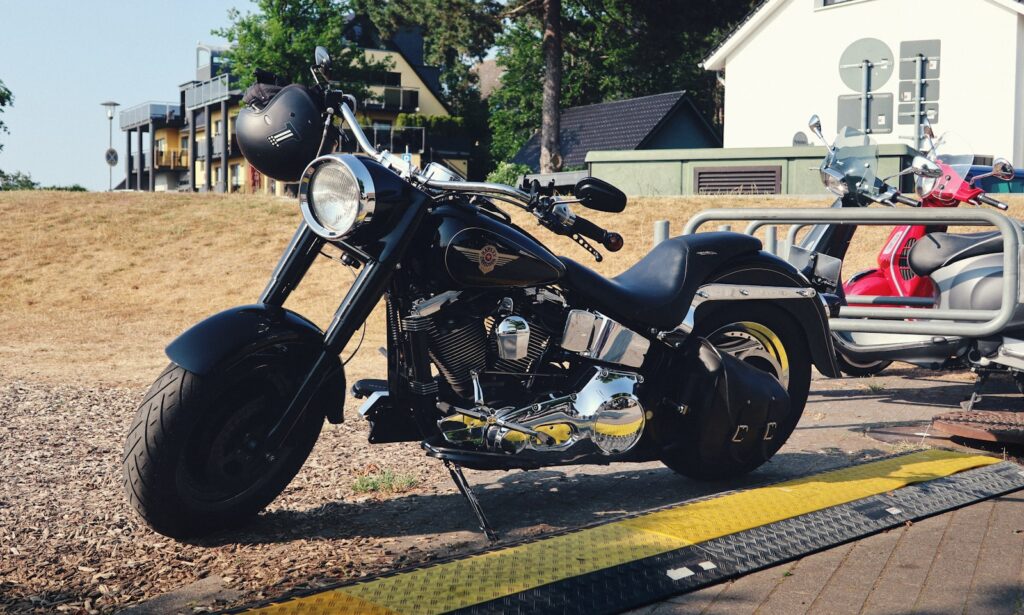
The other area that Harley-Davidson is focusing on is affordability; this has become one of the toughest contemporary challenges for the motorcycle brand. The management has confirmed entry-level cruisers for the 2026 model year range, which targets the 601cc-1,200cc range. The manufacturer stopped producing air-cooled Sportster bikes, which left a gap that this new product will fit into.
Importance of Entry-Level Bikes
- Lower barrier to entry
- Increased customer appeal
- More talented future riders
- Enhanced brand accessibility
- Long term growth potential
Zeitz agreed that they have traditionally had problems with profitability in their entry-level models. This should no longer be the case with better engineering and cost structures in place. The aim is to be able to provide motorcycles that will retain the iconic look and feel of Harley-Davidson while at the same time finally attaining profitability in such an important market.

9. A Calculated Path Forward for a Legendary Brand
Though the numbers indicate a struggle, current activity at Harley-Davidson shows a company making adjustments rather than failing. Cutbacks in shipping, astute investment, a refocus on the dealer network, and open product plans indicate a brand that has taken a realistic stance and hit reset.
The future holds many bumps in the road that Harley-Davidson will have to navigate in terms of the uncertainty that pervades the global economy and the levels of global trade. One thing that is certain, however, is that Harley-Davidson was a brand that was going nowhere, the sound you hear isn’t a sputter; it’s the unmistakable roar of a legend revving up for its next great ride.