







United Crew’s Skill Shines in High-Stakes Denver Emergency Landing

Flight has always involved a silent leap of faith: passengers board an aircraft, putting faith in unseen systems and layered redundancies-and in the judgment of professionals whom they may never meet. That becomes most palpable not when the cruising is smooth but when something does go wrong. In that moment, the strength of aviation safety is crystal clear: not in perfection but in calm, trained responses to the unexpected challenge.
What Passengers Rely On Without Realizing
- Redundancy and Advanced Aircraft Engineering
- Continuous Pilot Training and Simulation
- Clear communication between cockpit and ground.
- Well-rehearsed emergency procedures
- A culture of safety over schedule
For the 354 passengers on United Airlines Flight UA1736 on June 12, 2025, this confidence was put to the test moments after taking off from Denver. It began like any normal long-distance flight to Kahului, Hawaii, but quickly turned into an event that needed precision and composure all at once. Instead of panic or confusion, the event became a powerful demonstration of how modern aviation systems respond when the unexpected occurs.
1. A Routine Departure Turns into a Serious Situation
The Boeing 777-222ER lifted off from Denver International Airport with over 121,000 pounds of fuel on board for the Pacific crossing. Everything about the climb initially felt normal, steady, and unremarkable. The passengers settled into their seats, oblivious that within minutes the flight would encounter a major mechanical problem requiring the immediate attention of the cockpit crew.
Key Details of the Initial Flight Phase
- Aircraft Type: Boeing 777-222ER
- Airport of Departure: Denver International (DEN )
- Destination: Kahului, Hawaii
- Fuel load for long haul travel
- Fully occupied passenger cabin
Shortly after lift-off, the airplane’s number two engine fully rolled back-that is, it suddenly lost its ability to generate usable thrust. On a twin-engine transport category airplane, this is a critical occurrence but not an unknown one for the properly trained flightcrew. The airplane suddenly became a single-engine jet that required swift evaluation and proactive action on the part of the flightcrew.
2. Cool in the Cockpit: Declaring the Emergency
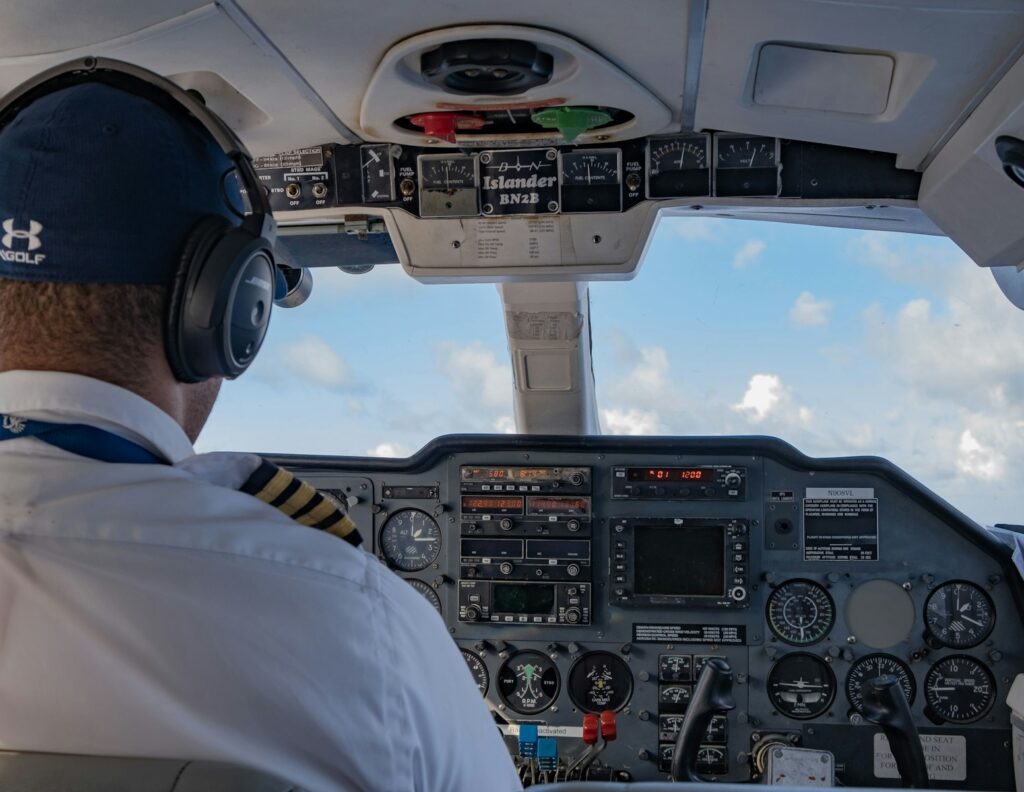
The response inside the cockpit was instant and measured. The pilots declared an emergency without hesitation; in clear communications with air traffic control, their voices came across steady and composed, as later remarked in the official reports. The calm communication set the tone for the whole response, making sure that all participants were cognizant of the gravity of the situation without raising an alarm or causing confusion.
Immediate Actions of the Crew
- Emergency declared to air traffic control
- Thrust loss confirmed and monitored
- Aircraft stabilized on one engine
- Flight path adjusted away from original route
- The focus shifted to safety procedures.
Rather than continuing on to Hawaii, the crew made the conscious decision to stay near Denver. This bought them much-needed time to work through checklists and consider the state of the aircraft. It was a conservative, safety-first decision which reflected training designed to put control, clarity, and risk reduction ahead of destination or schedule.
3. Weather Adds Pressure to Already Complex Emergency
As the crew followed the engine failure procedures, ground conditions started to deteriorate: unstable weather arrived over Denver with reports of windshear and strong gusts across the airfield. These can complicate any landing but pose particular challenges to an aircraft operating on reduced power during an emergency situation.
Weather Issues During the Incident
- Increasing cross winds at the airport
- Wind shear warnings from controllers
- Constantly changing conditions
- Suspension of other arriving flights
- Increased landing complexity
Air traffic control responded by stopping other incoming arrivals and clearing the airspace around UA1736. This left the flight crew with all the room they needed to fully devote themselves to executing a safe approach. The coordination between the cockpit and controllers underlined the teamwork that is required when weather and mechanical issues come together at a moment of high importance.
4. Training Takes Over When Instinct Is Not Enough
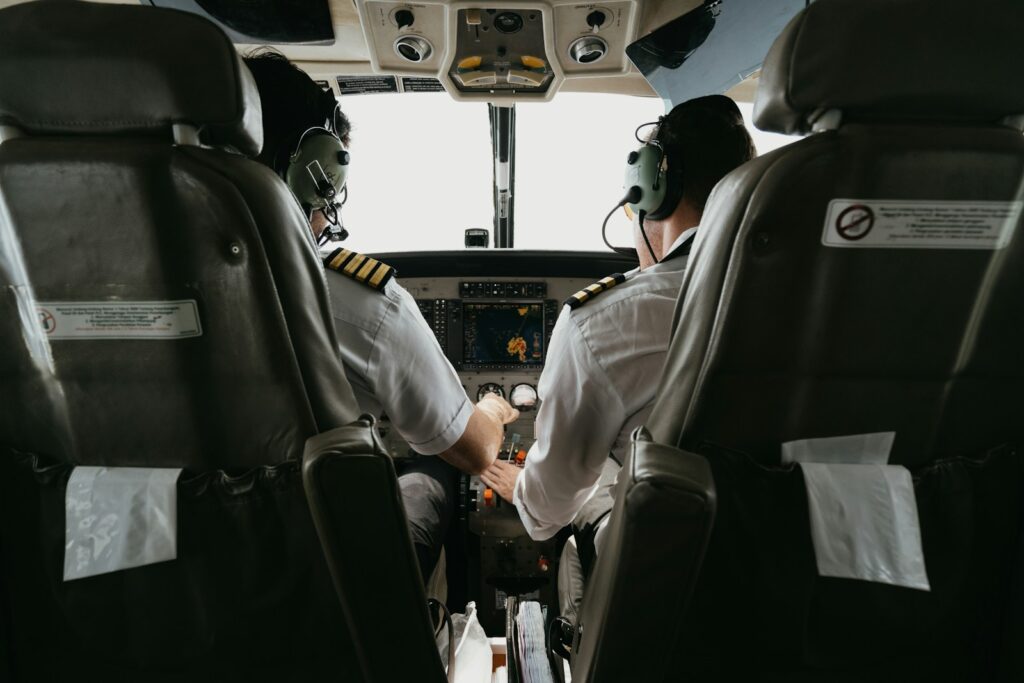
Flying a heavy-fuelled widebody through bad weather on one engine is not a scenario pilots extemporise. It is rather one they practice, over and over, in simulators. Every action taken by the crew was a procedure honed countless times, each response deliberate not reactive, calculated not rushed.
How Pilot Training Prepared the Crew
- Repeated simulations of engine failure
- Decision-making under stress drills
- One-Engine Handling Procedures
- Crew Resource Management Training
- Emergency checklist discipline
The crew worked their checklists in a methodical manner as the aircraft circled near Denver. Every action was cross-checked and spoken. A discipline such as this eliminates mistakes and keeps the aircraft stable. It was a good example of how training replaces panic with process, allowing professionals to handle intimidating scenarios with confidence.

5. Visual approach procedure in difficult conditions
The crew decided, after close coordination with air traffic control, on a visual approach for runway 26, where direct visual references would be mostly relied upon rather than instrument guidance alone. This would be a rather bold decision that requires confidence and great situational awareness, coupled with in-depth knowledge of aircraft performance in abnormal conditions.
Factors Behind the Visual Approach Decision
- Improved situational awareness
- Clear runway visibility windows
- Pilot Familiarity with the Airport
- Less reliance on sophisticated automation
- Increased control in crosswinds
This was a very precise approach, with crosswinds pushing against the aircraft and with only one engine providing power. The pilots made cautious adjustments; their control inputs were smooth and deliberate, maintaining a stable descent. It was a decision that finally contributed to a controlled, predictable landing that avoided further complication.
6. A Textbook Landing Under Extraordinary Circumstances
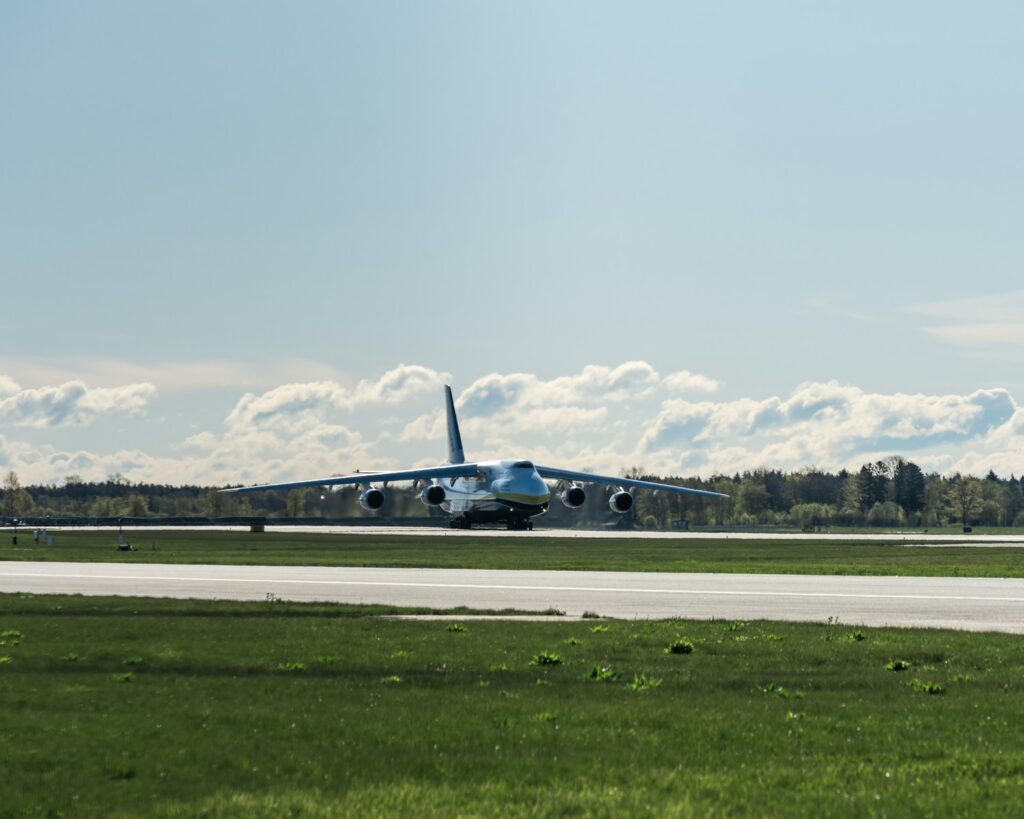
The Boeing 777 touched down safely onto runway 26 with just its single functioning engine, providing just enough power to complete the maneuver. From the perspective of the ground, it was smooth and uneventful, an incredible outcome considering the circumstances. For passengers, this was the moment when the tension that they might not have fully realized at the time came to an end.
What made the landing successful?
- Stable approach speed maintained.
- Precise cross-wind corrections
- Effective use of remaining engine:
- Clear runway and emergency support
- Strong crew coordination
The aircraft taxied on the ground to a designated area where emergency crews were standing by; their presence ensured that any secondary risks were addressed. More importantly, all 354 passengers and crew members were declared safe and unharmed, a fact reinforcing confidence in the systems designed to handle such events.

7. UA1736 is not an isolated case.
While a significant event, the successful recovery of UA1736 was not an isolated one; the other Boeing 777 events around that time also showed the value of professional crews. Just ten days later, United Flight UA85 experienced an in-flight engine failure en route from San Francisco to Paris and diverted safely to Denver.
Similar Recent Incidents
- UA85 diverts after engine failure
- Loud bang and vibrations reported
- Safe landing with no injuries
- Prompt crew response
- Emergency procedures followed
Passengers on UA85 reported alarming sounds and vibrations, but the result was the same as UA1736: unruffled cockpit management and a firm response brought the situation under control. The similar outcomes reflect above all that while mechanical failure is a possibility, the response framework from industry to these events has been built to absorb them without loss of life.

8. Another Diversion Highlights the Same Safety Pattern
A similar incident involved United Flight UA990, flying from San Francisco to Paris on March 29. The Boeing 777-200ER was flying near the Canadian border when it abruptly turned back toward Denver after an issue was detected in the engine. After a few hours of flying, the plane touched down safely.
Key aspects of the UA 990 incident
- Engine issues mid-flight
- Strategic Diversion Decision
- Prolonged airborne holding
- Safe landing after hours.
- No injuries reported
While each incident varied in detail, the outcomes were the same. Professional handling, conservative decision-making, and adherence to procedure created safety. These events taken as a whole reinforce that modern aviation does not rely on machines but human judgment supported by robust systems.

9. Safety Beyond Denver: Another Example at Dulles
That pattern continued outside of Denver on December 13, 2025, when United Flight UA803 experienced a dramatic engine failure in its takeoff from Washington Dulles International Airport. A portion of the cowling broke off and ignited a small brush fire near the runway, a rather alarming visual sight.
What happened during UA803 event
- All occupants unhurtEngine cover separation
- Fire near the runway
- Immediate emergency response
- Return landing executed
Despite these dramatic visuals, the crew handled this emergency perfectly; the aircraft returned safely with all passengers and crew unharmed. This incident is just one more example of how visible damage does not equate to loss of control when a response by trained professionals and emergency systems functions exactly as designed.