







A Closer Look at 12 Potential Downsides of EV Ownership

Electric vehicles have also been pegged as the final solution to the economic and environmental challenges that fossil-fueled vehicles pose. They offer savings on fuel costs and emissions. But with time and advancements in technology, electric vehicles are also gaining popularity with environmentally conscious consumers in pursuit of a futuristic alternative to fossil fuels.
On the other hand, it is necessary to step back and look beyond the marketing communications. While electric cars certainly have several great advantages, they are not the best choice for all audiences. There are certainly practical, financial, and lifestyle issues associated with owning them, which are perhaps not immediately visible.
In the case of many motorists, an EV can prove a wise choice. In the case of the remainder, the potential drawbacks could easily negate the benefits. It is important that the disadvantages can be understood, providing consumers with the opportunity for an informed decision. Below follows a more detailed exploration of the first twelve issues.
1. High Initial Cost
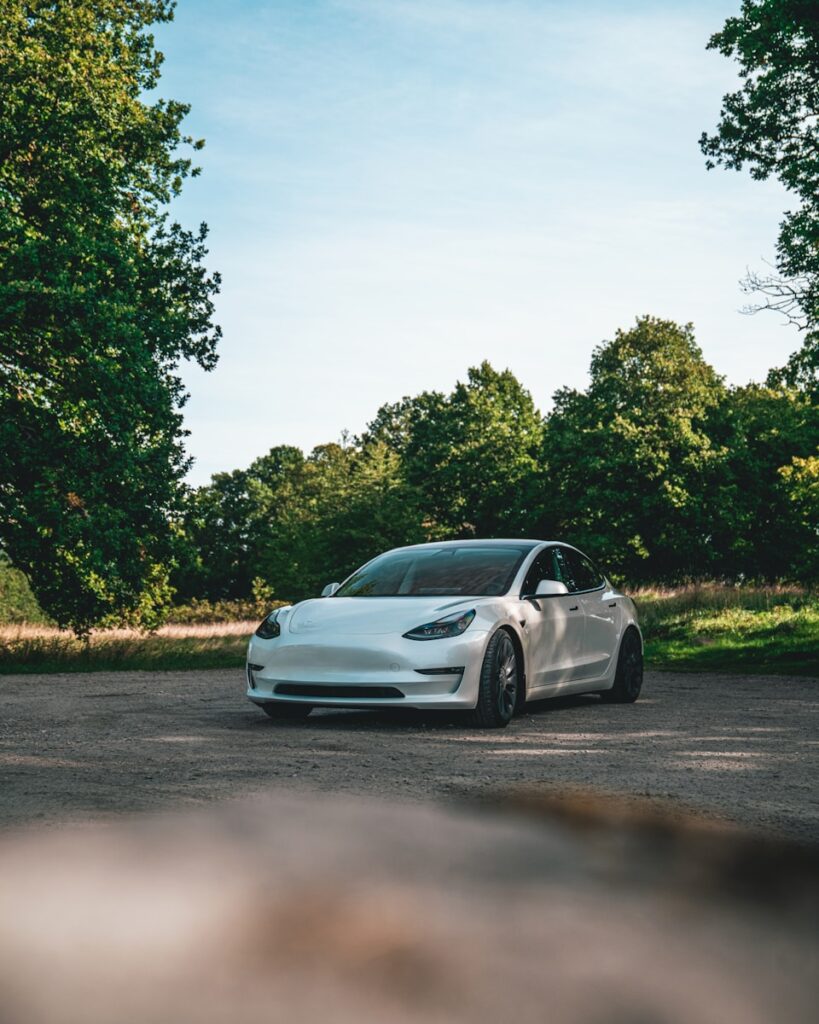
The cost of purchasing an EV has also proven to be one of the major limitations in terms of adoption in relation to conventional cars. This is due to its relatively higher price tag. Statistics obtained from Statista reveal that in 2020, in the United States alone, while the cost of an EV is $55,600, the cost of conventional cars is $36,600.
This price difference directly affects the monthly repayments as well as affordability. Even where a buyer may intend to cut costs through fuel efficiency and lower upkeep, it can be quite intimidating upfront, especially for a first-time buyer.
One of the reasons for the relatively higher cost associated with these vehicles is the battery pack. This accounts for around 30% of the cost of the whole vehicle. Even though some governments allow some incentive in taxes and other credits, these do not always fill the whole gap. Sometimes several years pass before the economic benefits of lower running costs can negate the gap created by the initial cost.
2. Limited Driving Range
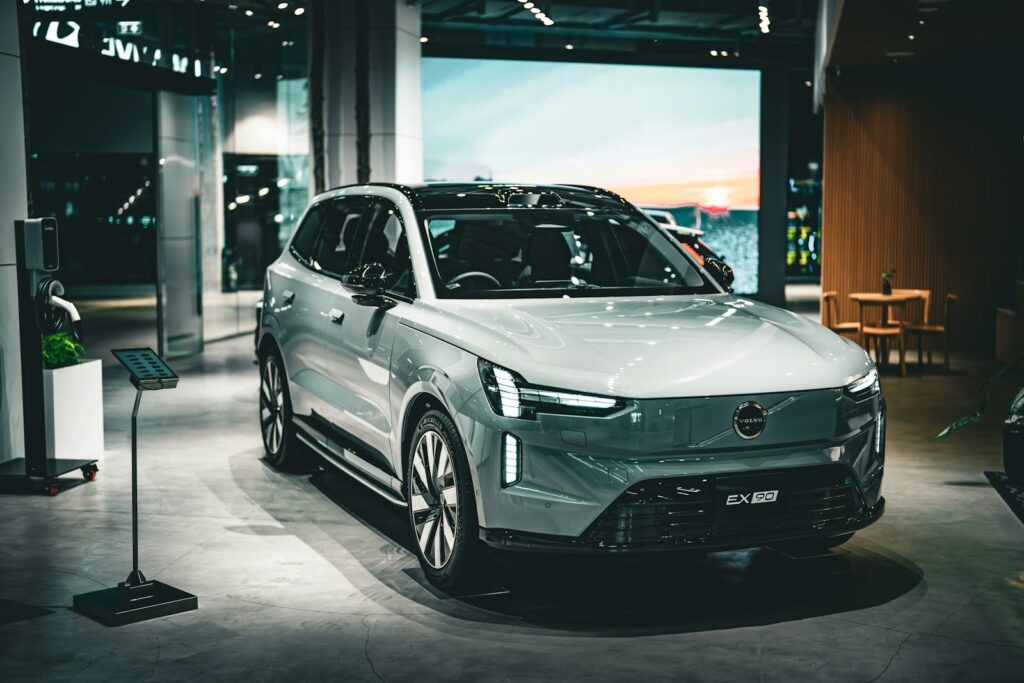
The fact that electric vehicles have short ranges is considered to be one of the more common reservations people have. The fact is that gasoline vehicles can travel long distances, and there are enough fueling stations. Electric vehicles are only able to travel certain distances as determined by the batteries that power the vehicles. The radius can vary from 100 to 400 miles. In fact, the actual mileage may not be as precise as the advertised radius.
Range-Related Problems
- Battery capacity limit
- Battery capacity
- Real-world range reduction
- Long-distance travel stress
- Inconsistent charging infrastructures
- Entry-level model restrictions
- Route planning necessity
In most cases, for many mainstream electric cars, one can say that their normal driving ranges average around 200 miles on a full battery. Some models, specifically those on the lower side, can offer even less, adding up to the confusion for car owners in particular if they normally get to travel long distances or if their residence is quite far from charging stations. Range anxiety becomes one of the main factors for many car owners when using electric cars.

3. Long Charging Times
Another big change for people using electric vehicles has to do with the time required to charge them. This takes much longer compared to fuel vehicles, which need only a few minutes to be fully fuelled. Based on the type of charging point, capacity of the battery, and power of the charging point, the time required for the completion of the process requires anything from 30 minutes to several hours. This has stretched the idea of convenience.
Factors Affecting Charging Time
- Slow refueling process
- Charger type dependency
- Battery size influence
- Power availability
- Travel schedule disruption
- Waiting time rises
Protracted charging durations can be disruptive, especially in long road trips. Fast chargers are much slower compared to the time taken for a fuel refill. Recharging can significantly impact the timing of the journey. Delays can be stressful and come as a shock to those who have grown accustomed to the convenience of gasoline vehicles. Although home charging at night alleviates inconveniences, charging at charging stations or in public spaces requires patience. Longer delays would be expected.
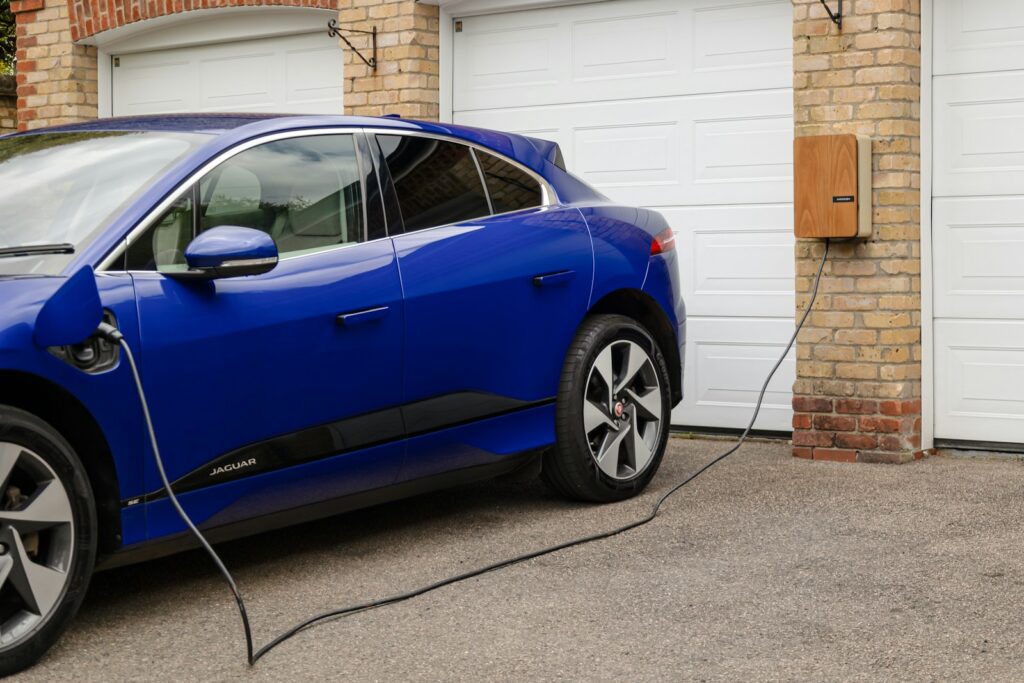
4. Inadequate Charging Infrastructure
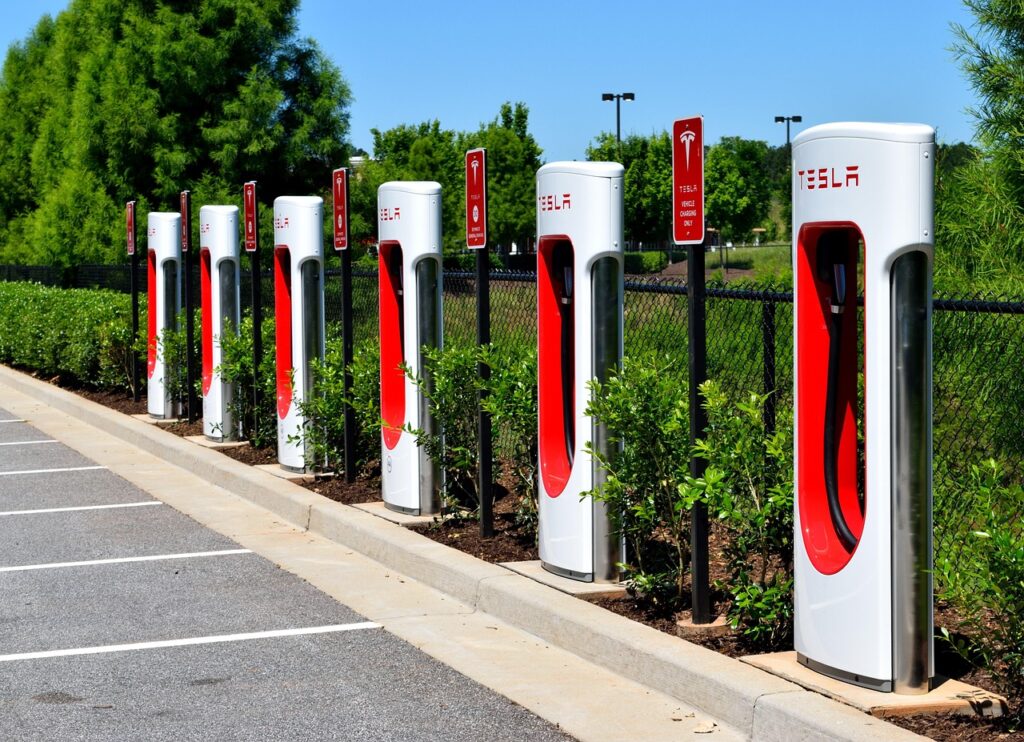
Even with the growth in the number of charging points, it remains grossly inadequate compared to the traditional fuel sources. As of November 2023, the Alternative Fuels Data Center had identified around 58,957 public stations throughout the United States. In terms of the total number of gasoline stations, it appears sparse.
The result is particularly apparent in rural or remote communities where charging points might be limited or even unavailable. Non-U.S. city drivers may find themselves routing their journeys through charging posts rather than routing through their destination.
The need for infrastructure extends beyond the availability issue. The charging points aren’t all universally compatible, and some need membership, apps, or the right adapter. This poses another problem, adding on to the hassles of long-distance road trips for electric vehicles.
5. Lifespan & Replaceability of the Battery
Batteries are the most essential but at the same time the costliest and sensitive parts of the electric car. With the passage of time, the batteries tend to diminish with respect to range and performance. This process will continue even if the car performs optimally.
The companies provide warranties that usually range from eight years or about 100,000 miles, which gives people some comfort. But problems usually arise after the expiry of the warranties when the deterioration becomes observable.
It costs a lot when the batteries have to be replaced. Consumer Reports states that the cost of replacement varies between $5,000 and $15,000, with some models even exceeding that amount. In the case of some cars, including luxury brands, the total cost of replacement can come close to $20,000.

6. Performance in Cold Weather
Cold weather conditions also make electric vehicles more challenging, as low temperatures increase the deficiency of batteries. According to a study conducted by AAA, the range of an electric vehicle can be decreased by up to 40% if the temperature is lowered from 75°F to 20°F.
This impacts the car in such a way that while it has an efficiency of 250 miles, in winter conditions, such a car will be able to take you only about 150 miles. This difference is very crucial in commuting and traveling in winter seasons.
This problem gets worse with the heating of the cabin. Contrary to gasoline vehicles that source warmth from the engine, EVs are dependent on their batteries for temperatures. Using the heaters will result in faster depletion of the battery.

7. High Repair & Maintenance Costs
One of the reasons electric cars are liked for requiring minimal maintenance. However, this is only true when it comes to changing the oil. The repair cost could be a big surprise because of the nature of the components like the motor, the inverter, or the charging system. These components are relatively expensive.
The availability of spare parts might be limited, particularly for older or less common models of LAVMs. This can result in longer turn-around times and overall higher costs as compared to traditional LAVMs.
Another challenge is the fact that there are few enough technicians qualified to deal with the EV technology. Maintenance can only be done at approved workshops that usually have higher rates.

8. Uncertain Resale Value
The resale value of EVs remains one of the relatively more unclear factors of EV acquisition. With the current technological development rate, new models of EVs tend to outperform older variants with respect to range, charging efficiency, and software-centric capabilities. As far as petrol cars are concerned, the long-term pattern of depreciation of EVs has yet to fully develop. Therefore, it acts as an influencing factor for potential EV acquirers.
Resale Value Influences
- Rapid technology evolution
- Model obsolescence risk
- Battery degradation issues
- Warranty lifetime validity
- Policy incentive changes
- Changing Buyer Preferences
Battery longevity is also an ever-important consideration for pre-owned electric vehicle sales. Purchasers might think twice if the car has limited range or if its battery is close to the end of its warranty life. Environmental factors also cast uncertainty on resale for electric vehicles. Government incentives change from time to time and impact the demand for pre-owned electric vehicles directly. The used market for electric vehicles is still evolving and does not portend as clearly as its gas-powered counterpart.
9. Limited model variety
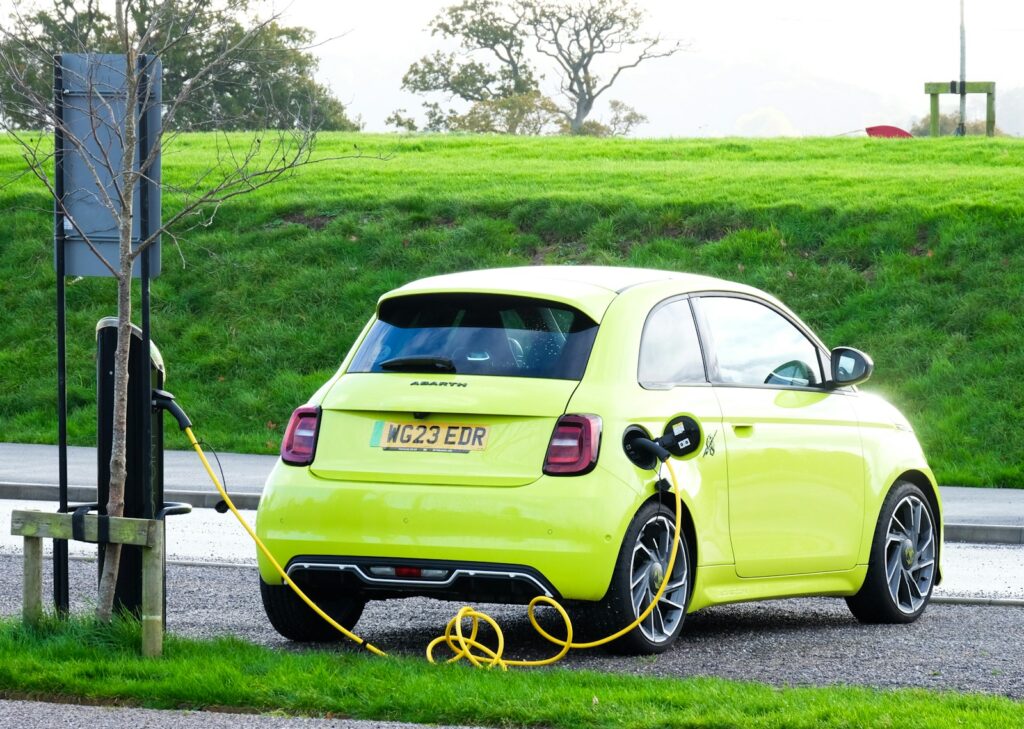
Even in light of this increasing interest in electric cars, choices of models are still relatively restricted. On consideration, there is still a restricted number of choices in electric cars as opposed to those that run on gasoline. As of July 2023, only about 40 models of electric cars are being distributed in the United States.
Model Availability Gaps
- Reduced number of EV Models Available
- Small to mid size focus
- Few models of sports utility vehicles
- Limited pickup designs
- Specialized vehicle shortage
- Lack of buyer flexibility
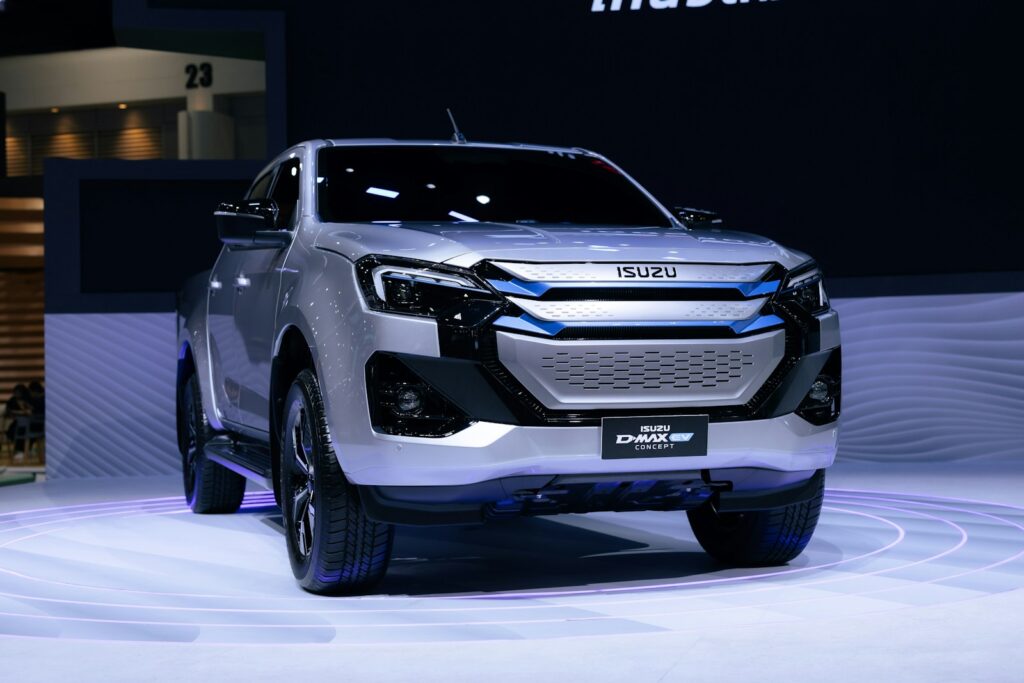
Current models are generally classified as compacts or mid-size. This leads to a limited number of choices available for consumers who require larger SUV offerings, trucks, or sports cars. There may be room for compromise on model characteristics such as size, model, or budget. Customers with particular requirements may find it difficult to find a suitable model. Although the industry is still undergoing development, there are gaps that can easily be seen.
10. The Hidden Environmental Impact
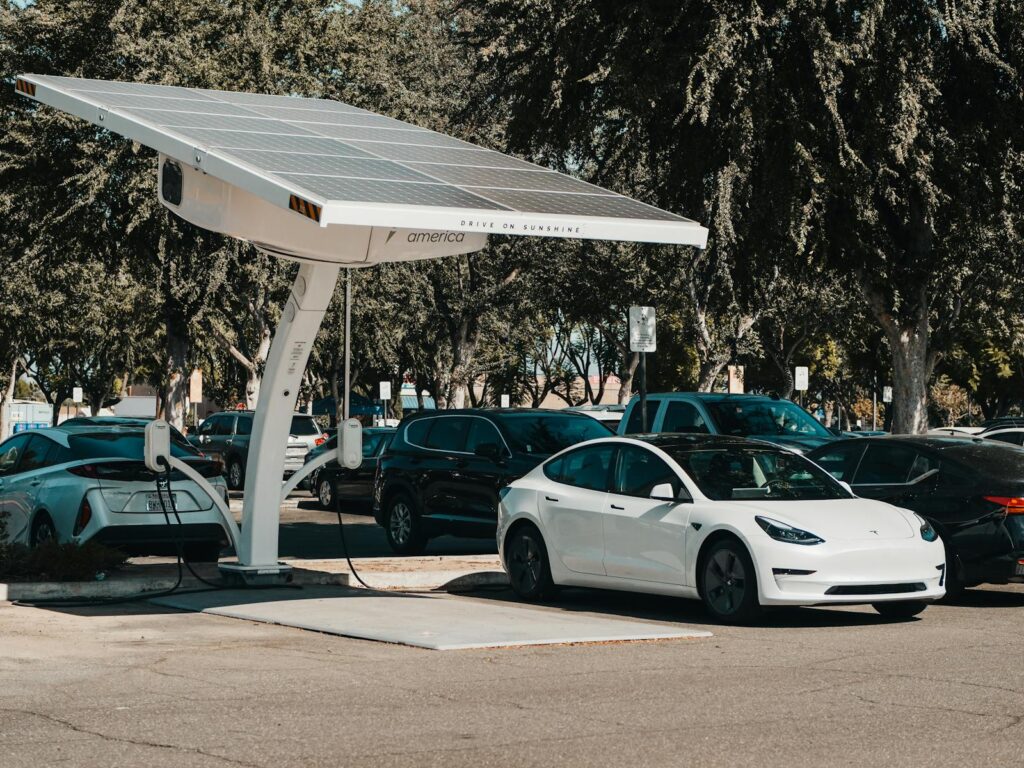
Electric vehicles are considered to be zero-emission vehicles. The environmental aspect of electric vehicles does not only depend upon the emissions but also the source of the electricity that charges the cars. In the United States, 60 percent of the electric power consumed still comes from fossil fuel sources.
The dependency on non-renewable sources makes any claim of overall sustainability more problematic. Such sources include coal or gas in countries where EVs are charged.
Also, the production of battery components poses some environmental concerns as extraction of materials such as lithium, cobalt, and nickel entails procedures that are environmentally hazardous and raise moral concerns, to an extent that it cannot be assumed that EVs are environmentally friendly solutions.

11. Higher Taxes and Insurance Costs
Though EVs help cut fuel expenses, other expenditures may sometimes escalate. Most nations, including many US states, impose extra EV charges to compensate for the loss of fuel tax revenue. Currently, 28 US states levy annual EV fees between $50 and $200.
The cost of insurance premiums could be higher as well. The insurers assess various variables, such as the value of the vehicle and the cost of repairs, for the rates. Such supplementary costs may limit overall savings.
In some cases, higher costs and insurance premiums counteract financial advantages associated with fuel and maintenance costs.
12. Long-Term Reliability and Durability
Electric cars are a new technology compared to traditional cars, which have had generations of tested and trusted reliability. The software and connectivity challenges posed by electric cars are new compared to traditional cars.
EVs contain extensive digital technology and are prone to glitches and possibly cyber attacks, which technology from the old era did not and could not be susceptible to. Troubleshooting and repairing faulty electronics can prove hard and costly. With the technology evolving, the aspect of reliability and longevity remains an issue for several future potential customers. When it comes to purchasing an electric car, a customer has to weigh innovation against practicality.
Electric vehicles come with numerous advantages, but they also have some disadvantages which influence the overall affordability, convenience, and usability of the vehicle. Taking a step back enables a customer to determine whether the innovation associated with electric vehicles meets his/her individual requirements.