


Fisker’s Court-Approved Wind-Down: A Lifeline for Owners, A Loss for Shareholders

The collapse of Fisker Inc. is no longer a looming possibility; it is now an unfolding reality. With the approval of a U.S. Bankruptcy Court, the once-celebrated electric vehicle start-up has officially entered into the final stage of its existence. What once was positioned as a bold challenger in the EV space now serves as a case study in how quickly ambition can unravel when execution falters. For investors, this story ends in complete financial loss. For vehicle owners, the ending is more complicated and far less certain.
This court-approved wind-down does not signal an abrupt shutdown but rather a controlled retreat. It attempts to balance the competing interests of thousands of Ocean SUV owners, major institutional creditors, regulators, and former employees. While the plan preserves basic functionality for vehicles already on the road, it confirms that the company itself will not survive in any meaningful operational form.
Now, at its intersection with innovation, regulatory scrutiny, and financial reality, the Fisker story serves to remind not only of the optimism that once enveloped electric vehicles, but also of the harsh discipline dictated by capital markets when expectations fail to materialize. What remains is a fragmented ecosystem in which owners seek stability, creditors chase recovery, and regulators search for what went wrong behind the scenes.
1. Court Approval Marks the Beginning of the End
The approval by the U.S. Bankruptcy Court of Fisker’s wind-down plan sealed the door on any realistic recovery. Instead of restructuring and continuing operations, the company chose an orderly liquidation process in which limited functionality can continue while assets are sold off. That avoids an immediate shutdown but leaves little question about the company’s fate.
The decision by Judge Thomas Horan of Delaware reflects the magnitude of Fisker’s financial decline. Burdened by a mounting load of creditor claims and with no viable rescue financing on the horizon, the court recognized that liquidation provided the only course left to follow. To shareholders, this ruling means their investments are essentially worthless.
For customers, the ruling is bittersweet: It prevents an overnight collapse of services but removes any hope that Fisker will get back on its feet, let alone resume normal operations. The brand may continue in name, but as an automaker, it has reached its demise.

2. The American Lease Deal Becomes a Critical Lifeline
The sale of Fisker’s inventory of unsold vehicles is central to its wind-down plan. More than 3,000 of its Ocean SUVs were sold to American Lease, a New York–based company supplying vehicles to ride-share drivers. The total value of the deal reaches up to $46.25 million, translating to a steeply discounted per-vehicle price.
This sale is more than an inventory cleanup. The deal provides financial underpinning for some of those digital services to continue operating for people already owning the vehicles. Without the deal, Fisker’s cars stood to be partially unusable as their functionality depended on cloud-based systems.
For owners, the deal brings cautious relief. It does not solve every problem, but it prevents the immediate loss of essential software functionality that would have rendered many vehicles impractical to operate.

3. Cloud Access Keeps Vehicles Alive
Access to cloud infrastructure becomes critical in keeping Fisker vehicles running. American Lease made sure that, as part of the agreement, continued connectivity with Fisker’s cloud servers would remain available. It guarantees the functioning of vehicles despite the collapse of their maker. Without access to servers, the necessary software support would be lost. The agreement showcased modern vehicles’ dependency on digital systems. Cloud access has become a lifeline for affected owners.
Cloud Dependency Factors:
- Server access continuity
- Over-the-air software updates
- Core system functionality
- Safety feature reliability
- Maintaining performance stability
- Long-term vehicle usability
American Lease also pledged another $2.5 million to lock in five years of access to the cloud servers. That bridge funding keeps the line open for critical over-the-air updates for safety systems and overall vehicle performance. Without those updates, Fisker Ocean SUVs would become increasingly unreliable and potentially unsafe over time. This agreement also includes continued access for existing Fisker owners; the pricing for owners has not yet been determined. This solution, though less than perfect, is a necessary bridge to clear a path forward for the vehicles in limbo.

4. Owner Advocacy Drives the Outcome
The Fisker Owners Association played a significant role in influencing the court-approved plan. This group-thanks to continuous consultations with stakeholders-made sure that owner needs were represented and not entirely pushed aside by interests from creditors.
The association publicly voiced support for the wind-down proposal on the basis of improved communication about recalls and maintenance pathways. The support signaled to the court that the plan, although imperfect, responded to many of the most pressing owner concerns.
For many owners, organized advocacy became the only reliable source of clarity. In the absence of an operating automaker, collective action provided a measure of influence during the bankruptcy process.
5. Regulatory Scrutiny Intensifies
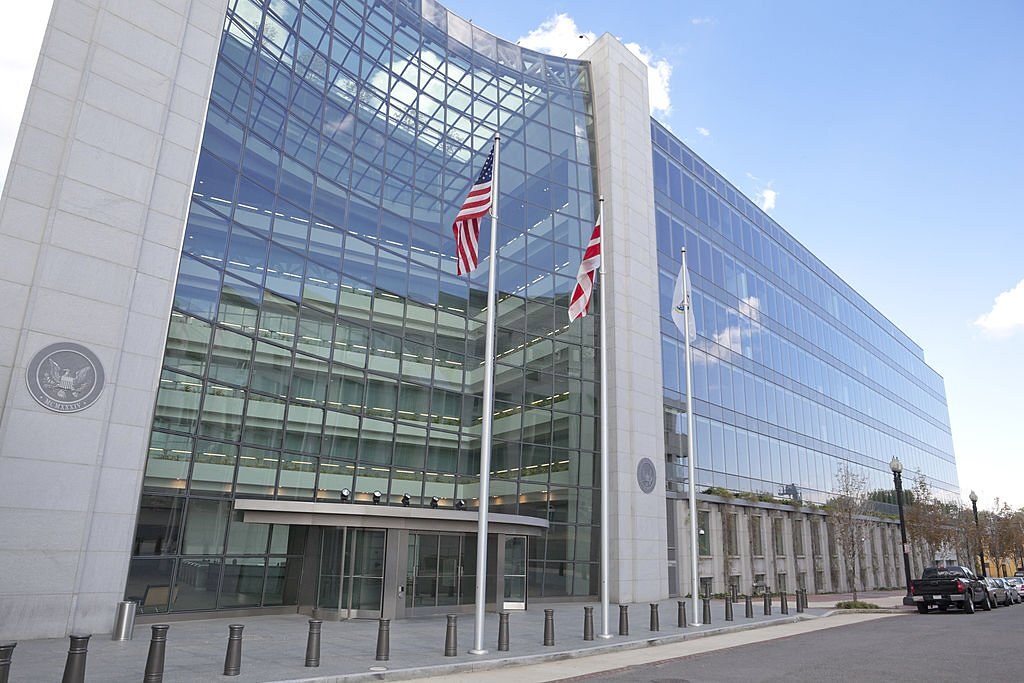
While the operations are winding down, the regulatory pressure is mounting. Fisker continues to remain under active investigation by the Securities and Exchange Commission regarding potential securities violations that might have taken place before the bankruptcy filing.
The probe means that Fisker must retain all records, and bankruptcy cannot be used to shield itself from regulatory accountability. This additional scrutiny makes an already fraught process even more complex.
Former regulators note that enforcement agencies have in recent years become more aggressive, certainly in notable corporate failures. In Fisker’s case, its collapse has not reduced regulatory interest – it has amplified it.

6. Lawsuits target company leadership
In addition to the federal inquiries, several shareholder suits have targeted Fisker’s management and board. The complaints include breaches of fiduciary duty and false public statements. The investors accuse company officials of presenting rosy public pictures when conditions were deteriorating internally. The lawsuits reflect frustration over lost capital and perceived mismanagement. Accountability, rather than mere financial recovery, has become the primary focus. Legal scrutiny now accompanies the company’s financial wind-down.
Legal Challenges:
- Shareholder lawsuits filed
- Breach of Fiduciary Duty
- Misleading public statements
- Investor betrayal claims
- Federal investigation overlap
- Accountability over recovery
Plaintiffs argue that executives kept portraying an unduly rosy picture as the inside situation kept worsening. For investors who had put in a lot of money, this felt like a tremendous sense of betrayal. The lawsuits make sure that leadership is held personally liable. They ensure that the wind-down of the company is not just a financial process but a judicial reckoning. Courts and regulators will review whether leadership has behaved responsibly. These cases may influence broader corporate governance practices. Overall, accountability has become central to the resolution of the aftermath of Fisker’s decline.

7. A Rapid Financial Unraveling
Fisker’s rise and fall happened in record time. After listing via SPAC in 2020, the company benefited from peak enthusiasm for electric vehicles. Its valuation soared, and investor confidence followed suit.
When the market conditions changed, that confidence vanished. Surging interest rates and delays in operations brought out weaknesses the company was unable to rectify. The internal financial strain was reflected in the stock’s collapse.
By the time bankruptcy was filed, Fisker’s liabilities dwarfed its realistic earning potential. What once looked like a growth story ended as a cautionary example of market excess.
8. Product Promise Undermined by Execution
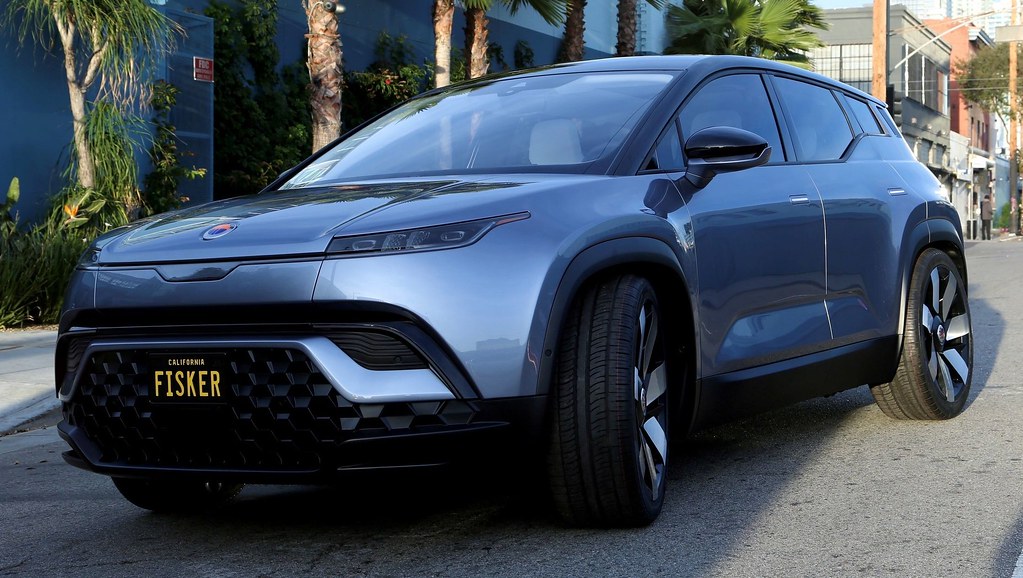
The Fisker Ocean SUV was designed to go head-to-head with the established electric crossovers. Early reviews of both design and driving dynamics were very good and reinforced optimism surrounding the brand.
Chronic software problems, production delays, and logistical hurdles belied that promise. Consumers found spotty performance, late deliveries, and unresolved technical issues.
These operational failures eroded trust at precisely the moment when the company needed credibility. In the EV market, innovation was not good enough without sound execution.
9. Ownership after bankruptcy becomes complicated.
For current owners, life post-bankruptcy is uncertain. Vehicles will still run for the time being, but many of the connected services are in jeopardy. Roadside assistance has already been axed, while connectivity services likely are next.
Warranty support is another issue altogether. While technically, obligations remain as long as a company does, in practice, such claims are difficult to process, given reduced staffing and closed facilities.
Even before bankruptcy, availability of spare parts was limited; with liquidation continuing, the situation will only get progressively worse, complicating long-term ownership further.
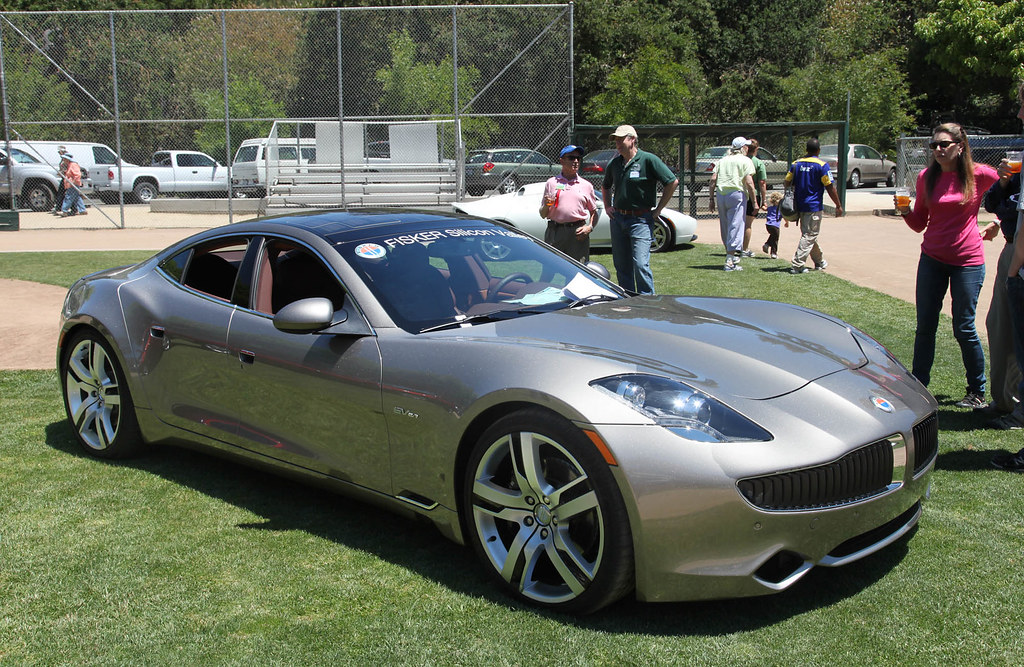
10. A Cautionary Legacy within the EV Industry
The rest of Fisker’s assets, including designs and intellectual property, are still on the market. In theory, another manufacturer could pick up parts of the brand and resuscitate it. But any money generated from those sales would likely go first to secured creditors; very little is left over for investors or shareholders. The demise represents a financial cautionary tale for fledgling EV enterprises. The learnings from Fisker’s failure go beyond the individual stakeholders themselves.
Legacy Implications:
- Asset sale potential
- Intellectual property value
- Secured creditor priority
- Shareholder total loss
- Owner adaptation required
- Industry cautionary lesson
To the shareholders, Fisker’s story ends in complete financial loss. For the vehicle owners, it is a challenge to keep the cars going without manufacturers’ support. The need for adaptability and resourcefulness arising from this situation is compelling. For the EV industry, Fisker ultimately stood as proof that overpromising and underdelivering can be very risky. It showed that sustainable business practices with reliable infrastructure are important. Possibly, its legacy will help future manufacturers with their plans, operations, and customer support. Overall, Fisker’s case preaches caution to investors, owners, and the industry alike.
The collapse of Fisker underlines the chasm between ambition and execution. It shows how quickly momentum can reverse when financial discipline, operational reliability, and transparency fall out of alignment. What stays behind is not a success story but rather a lesson written in real losses and hard outcomes.