


Car Dealers’ Fight for Survival as Teslafication Intensifies

“Purchasing a car has always been the most visible of all consumer transactions, and for many, the most awkward. Lines of cars stretching off into the distance, salesmen bearing down on customers with the weight of their ticking clock, bewildering price structures, and price negotiation sessions that seemed calculated more for exhaustion than education.” This process has served the car sales model for more than a century, an accepted inconvenience rather than a process that could be refined.
“That’s been the longtime status quo, but now this is the biggest threat the longtime infrastructure has seen. The car industry is in the middle of a fundamental transformation, and this has to do with so much more than electric cars or batteries. What this transformation fundamentally asks is who is in charge of the relationship between the customer and the object that the customer wishes to purchase and how much friction there needs to be between the two parties.”
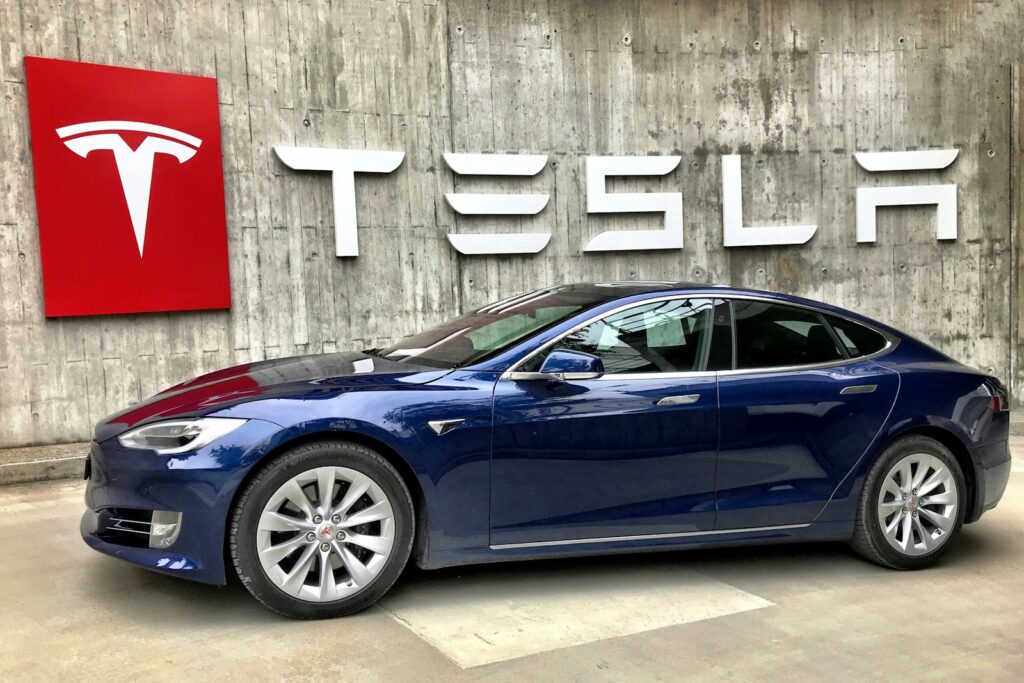
Tesla is the middle of all this shake-up, not only because it is a car company that sells electric vehicles, but also because it breaks every convention of a car dealership. Tesla selling its vehicles directly to customers has already brought to light some fault lines which have been shielded by law, politics, and convention. Car dealerships are fighting a battle not only to retain market share, but also to prove its relevance.

1. The Emergence of the Conventional Dealership Model
The dealership arrangement developed during the early years of the mass production of cars. Car makers wanted an effective means of distributing the cars over a wider geographical location without interrupting their cash flow. Car dealers provided a brilliant solution through an affirmative purchase of the cars at a wholesale cost, thereby marketing the cars.
This was an effective system while car manufacturers were smaller and the logistics of distribution were simpler. The local dealerships handled risk, served local markets, and developed local networks. The manufacturer gained market coverage throughout the country without having to maintain thousands of retail outlets.
The practice had become institutionally entrenched. The sale of cars via dealers had ceased to be a strategy and had become an insistence. Customers had grown used to the fact, even if the process had remained infuriating and opaque.

2. Laws of Franchise and the Emergence of Protection for Dealers
With the rising strength of automobile manufacturers in the mid-20th century, the conflict between manufacturers and dealers escalated. The dealers felt cornered with rigid agreements and feared competition from outlets operated by the manufacturers. Rather than relying on competition or innovation to adjust to the changing market, dealers opted to use their political clout. The dealers formed a group to safeguard their interest in the market. This was a transition from market-oriented remedies to legal guarantees. The objective was survival instead of flexibility.
Key Structural Developments:
- Dealer political organisation
- State franchise laws
- Mandatory dealer networks
- Manufacturer sales limits
- Legal market barriers
State-level franchise laws emerged as the primary tool for dealer protection. These laws required automakers to sell and service vehicles only through franchised dealerships, effectively preventing direct-to-consumer models. Over time, what began as support for small businesses hardened into a powerful legal shield. The dealership system became deeply entrenched, resistant to change even as consumer expectations evolved. This framework created long-term rigidity within the automotive market. Structural reform became increasingly difficult, regardless of efficiency or consumer benefit.

3. Family Businesses and Corporate Giants
The concept of car lots owned and operated by local families is simply no longer relevant in this industry. Many car lots are owned and operated by large corporations that manage dozens or even hundreds of outlets. Together, their combined sales approach those of the car manufacturers.
These organisations make the point that car franchises provide consumer protection in terms of the provision of competitors, servicing, and consumer advocacy. Lobby groups call consumer-friendly franchise laws regardless of increased uncompetitive markets.
This buying process works well for some customers. Price remains erratic, and negotiation has become more of a struggle. Also, there has been little transparency. While there could be profits being made, consumer satisfaction has always had less significance.
4. Why Consumers Have Become Disillusioned
Consumer dissatisfaction with the car-buying experience has remained constant for the past several decades. They are dissatisfied with the high-pressure sales environment, unexpected costs, and the unclear end price of the purchase transaction. An experience that should be well-informed takes on the character of a grueling negotiation process. They go into the purchase process at the car dealership tentative and on the defensive rather than confident and assured.
Key Sources of Frustration:
- Pressure-driven sales
- Hidden fees
- Dealer markups
- Limited price competition
- Unclear final pricing
Economists argue that this frustration is rooted in structural inefficiencies, not just poor customer service. Dealer add-ons and territorial protections inflate prices without delivering proportional value. The appearance of competition breaks down when nearby dealerships cannot truly compete on price or inventory. As a result, consumers feel boxed into artificial choices. This erosion of trust creates fertile ground for alternative models. Buyers increasingly seek transparency, predictability, and control over the purchasing process.
5. Tesla’s Decision to Bypass the System
Tesla came into the market with the intention of not imitating the dealer model. It decided right from the outset that it would sell its products directly to consumers through company-controlled environments. This approach had not just surface-level impacts but also altered the buying journey.
By having control over the sales process from end to end, Tesla eliminated the need for negotiation altogether. The prices were fixed, transparent, and geographically homogeneous. The buyers were able to configure their cars over the Internet, and the buying process took place without any sales pressure from humans.
This approach transformed the car purchasing experience from a confrontation to a collaborative process. Rather than convincing car buyers, Tesla preferred to enlighten them, leaving it to the product to convince them on its own.
6. How Direct Sales Transformed Customer Experience
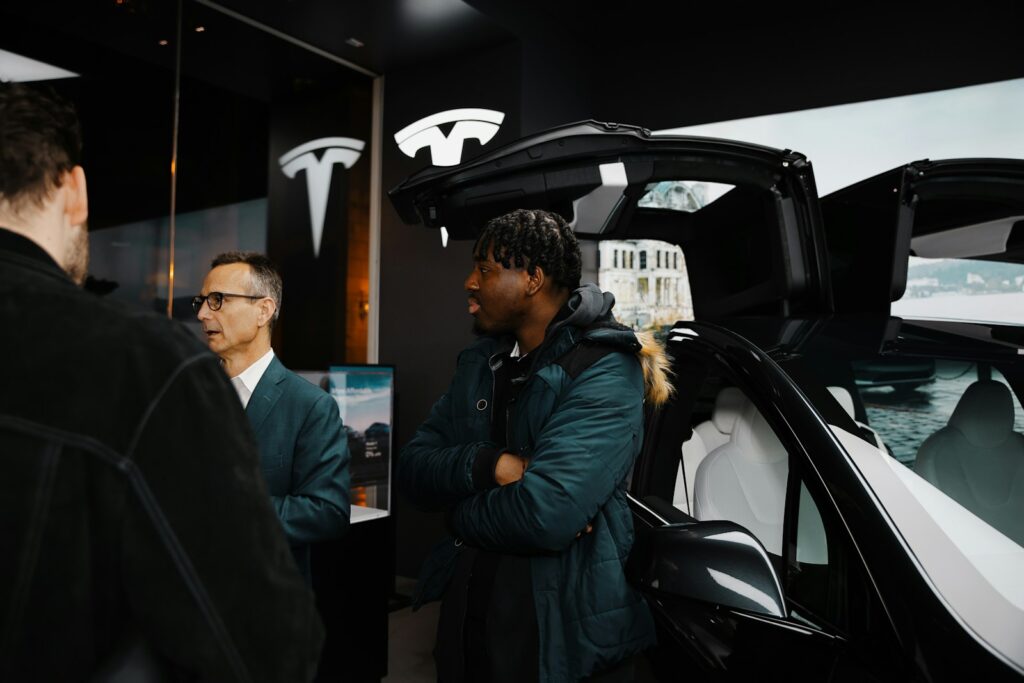
Tesla’s solution solved more than one problem simultaneously. It replaced pushy sales floors with educational showrooms. It educated people about technology rather than emphasizing urgency. It replaced paper workmarathons with online resources.
Even more importantly, the corporation established a direct relationship with the buyers post-sale. Updates, communication, and feedback started to flow with a focus on the flow instead of the transaction. Buying the product was no longer about ownership but more about access to a platform.
Such a relationship-driven model instilled a sense of loyalty that didn’t come with a hidden motivation of reward. Consumers felt educated, treated, and empowered, which is never the case when it comes to buying a car.

7. Legal Resistance and State-by-State Barriers
The dealership groups acted quickly, and the legal battles as well as lobbying began once the implications became clearer. The target was Tesla’s ability to function within the franchise laws and structures in place. The end result has been a fragmented landscape in the country.
In some states, Tesla functions without any restrictions. However, in other states, it has had to deal with limitations that indirectly compel it to circumvent through logistics, such as transporting cars from outside the state even when the cars are made locally.
These regulations are more of a problem rather than a solution for customers. They lead to issues such as inconvenience, added costs, and confusion. These regulations are still in existence, but the intent of the law has little relation to the current reality.
8. Political Influence and Industry Power
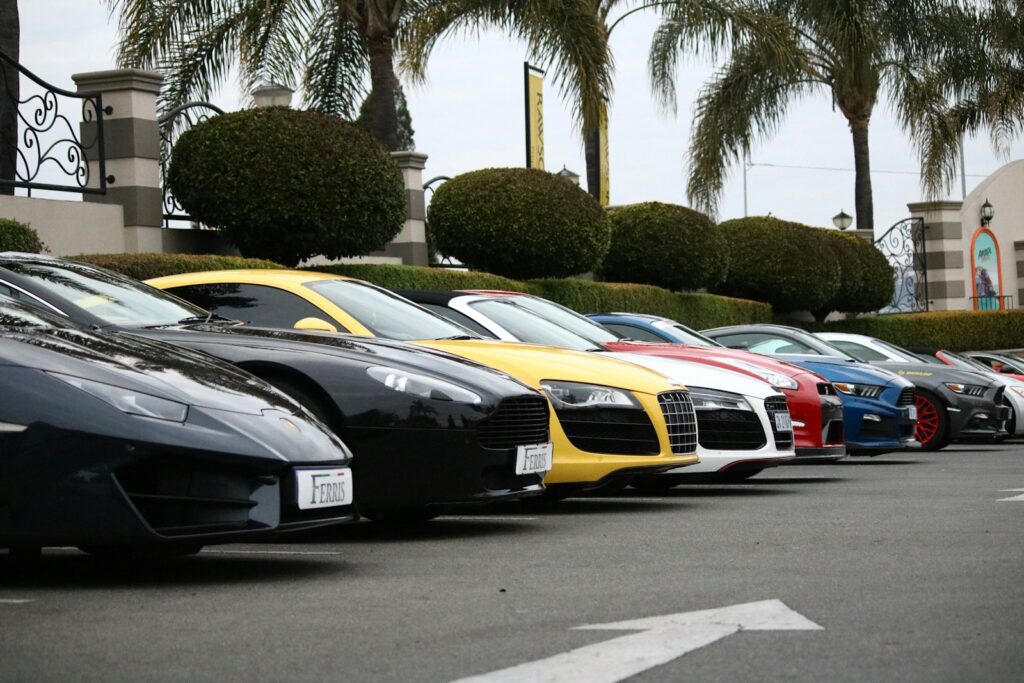
Car dealers carry considerable political weight, both in their local communities and in Washington politics. As a presence in the community and a contributor to politicians’ campaigns, they provide a formidable barrier against legislative attacks. This political power has ensured the continuation of the franchise laws despite the change in marketplace reality.
Industry events may hail the arrival of stability while failing to confront issues associated with disruption. The name “Tesla” has also become symbolic in its own right, standing for not only one firm, but also an unwanted future threatening existing orders.
However, political power cannot fully counter consumer behavior. As consumers become familiar with the digital way in the majority of sectors, resistance will increasingly appear to be only a delaying tactic.
9. The Responses of the Legacy Automakers
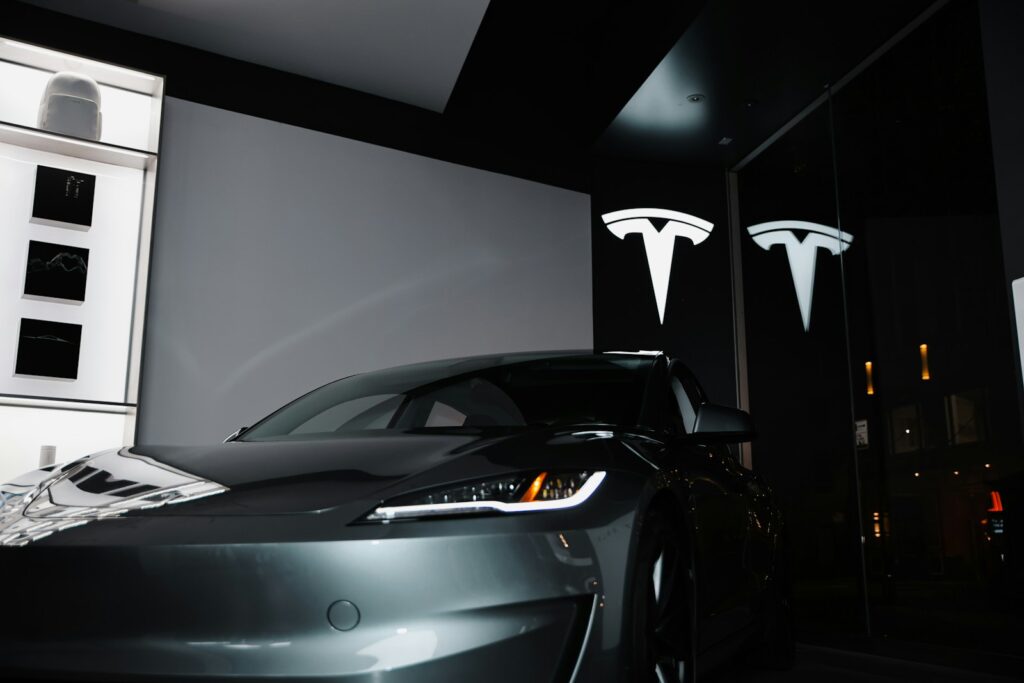
Tesla’s direct sales approach has forced the traditional car manufacturers to reconsider their sales practices that were in place for many decades. What initially qualified as disruptor behaviour suddenly becomes a catalyst for a complete re-evaluation of the entire market. Legacy brands are starting to adopt the approach of fixed pricing, especially for electric vehicles. Others are carefully testing a new approach in which agency models are implemented with online sales incorporating the involvement of car dealers in the final stages of car delivery.
Key Strategic Adjustments:
- Fixed EV pricing
- Online-first sales
- Agency-style models
- Reduced dealer role
- Direct sales pressure
The adoption of direct sales by pure electric automakers has normalized the process, cementing the view that the conventional dealership network is from the last century. Yet this contrast has not escaped the notice of mainstream manufacturers. “In the background, many manufacturers are already anticipating that the role of the middleman could be diminished in the future. It’s no defeat, but adjustment. The automotive manufacturers understand that the consumers’ expectations in terms of transparency and control have evolved. Nevertheless, the officials are bound by certain political and franchise laws that do not allow the transition to be hastened.’’
10. The Road Ahead for Automotive Retail
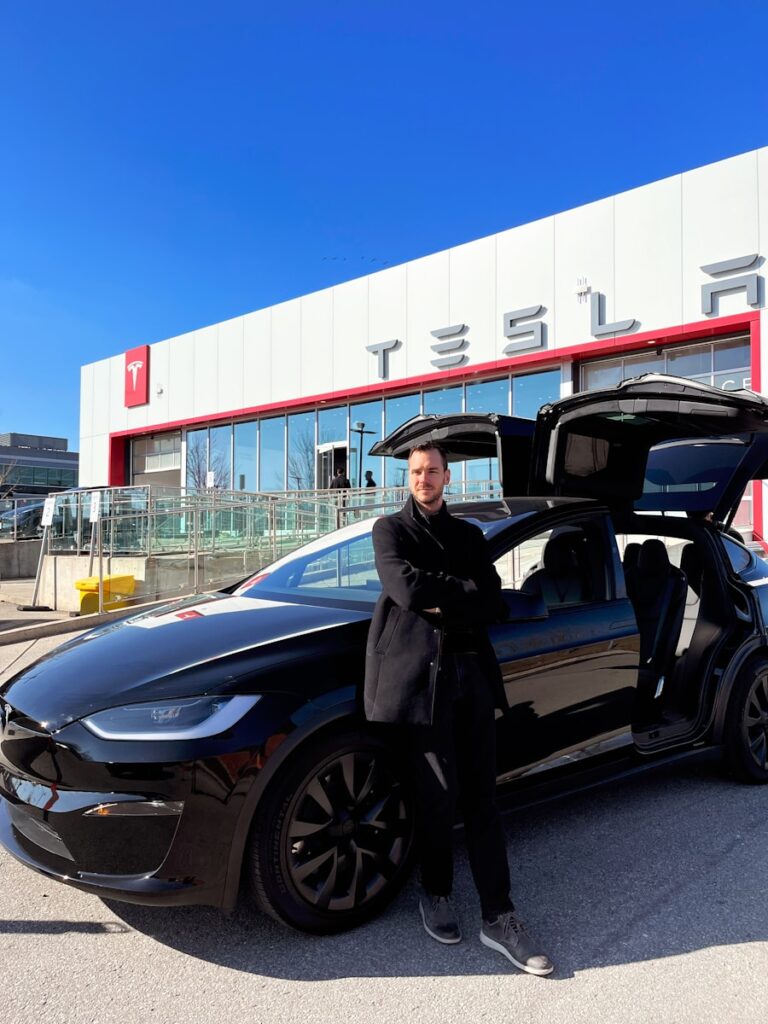
It is perceived as a life-threatening development for auto dealerships. Their fear is not groundless either. The advent of a fully direct-sales approach will bring a radical change in the way they operate. However, the models of this kind also have some problems, especially when it comes to effectively scaling the service infrastructure.
The war of choice is no longer abstract. Buyers are already opting for simpler and more transparent purchase processes whenever the rules allow. The only question left to answer now is how long regulatory regimes can withstand such pressure. The dealership network will not vanish from the face of the earth suddenly. The hegemony of the dealer network will no longer be a certainty. The world of car shopping will no longer resemble its former self.