



Navigating the EV Revolution: Consumer Doubts and Market Realities
The current state of the global automotive sector is facing its biggest revolution ever since the invention of the car, but it looks like the route towards an electrified future is far from standardized. Even as electric cars continue to steadily gain market traction, new research shows that consumer attitudes towards EVs appear increasingly complicated and ever more polarized in today’s global automobile market, as is evident from the “2025 Mobility Consumer Pulse Survey” released by McKinsey, which illustrates an ever-widening gap in the adoption and purchase of electric cars across the primary automobile markets of the world.
1. China: from Policy-Push to Consumer Pull
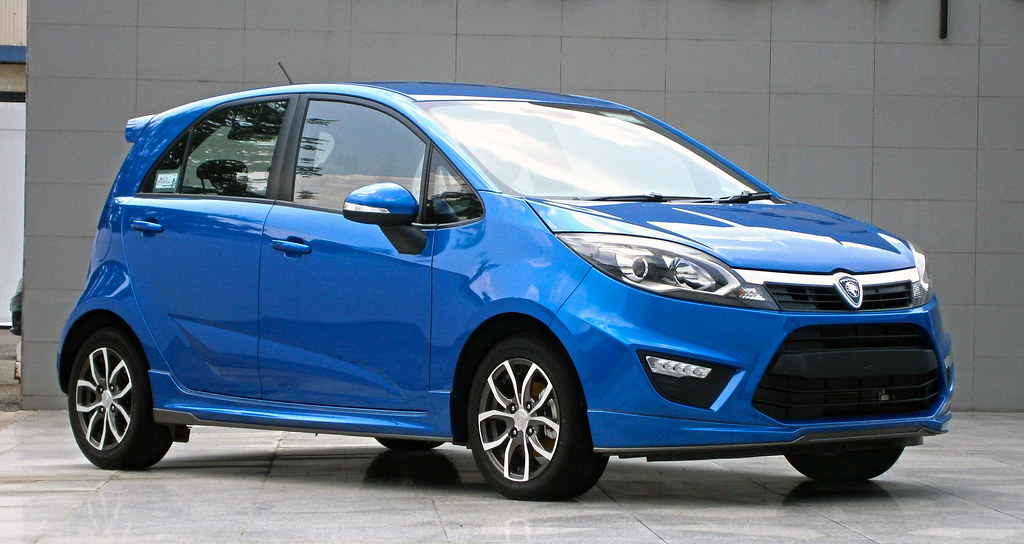
China is at the forefront of the global transition to electric vehicles, and it is now a trend which is not policy-driven anymore. Rather, the trend is consumer-driven at this stage. As of 2024, it was estimated that close to 40 percent of all vehicle sales in China were powered by electricity. The achievement marks how deeply the trend is embedded in consumer purchasing behaviors at this stage. The drive to switch to different vehicles was policy-driven at first, but it seems to be market-driven at this stage. The trend seems to be market-driven since electric vehicles are no longer alternatives at this stage but the norm.
Key Signals Driving China’s EV Market:
- EV market dominance
- Strong consumer demand
- High future purchase intent
- BEV preference growth
- Policy-to-demand shift
Further evidence of this shift comes from consumer intention data. Close to 80 percent of Chinese car buyers believe that their next vehicle will be electric. This level of confidence illustrates that they’re not only testing the waters, they’re thinking of the long-term implications. Among these, 45 percent believe that their next vehicle will be a battery electric vehicle and not a hybrid. This makes all the difference, as it illustrates that they’re committed to full electrification. Current developments in the Chinese EV market illustrate that they’re no longer taking incremental action. Rather, they’re developing and influencing the future of the industry.
2. Europe: Constant Progress with Regional Variations
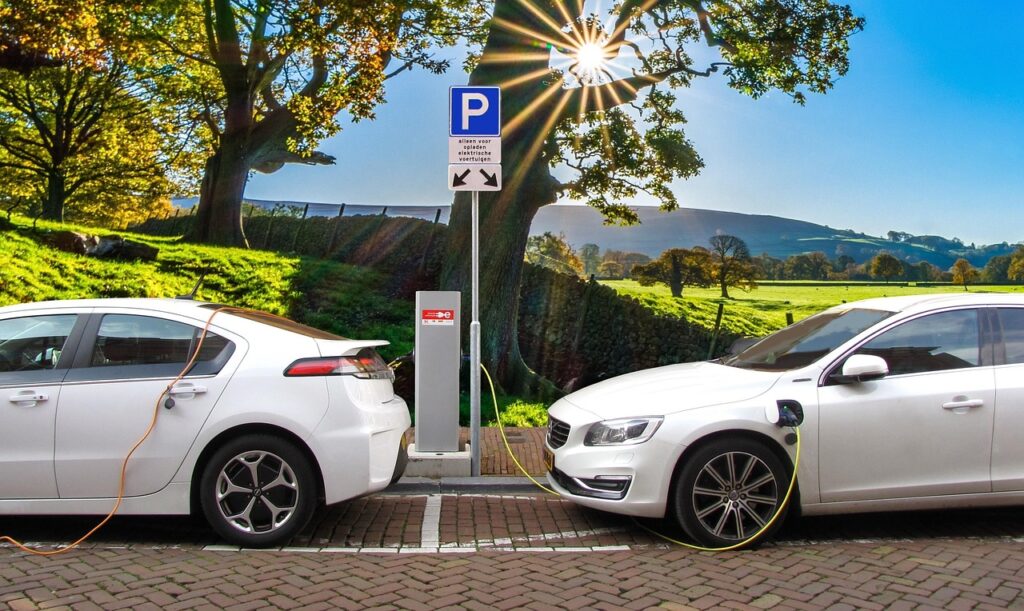
Meanwhile in Europe, while there is some progressive change influenced by regional differences, the percentage of EV out of new car sales within the EV registration number dropped to 21 percent in 2024 from 24 percent in 2022. However, based on survey responses, there appears to be renewed interest in buying either plug-in hybrid (PHEV) or BEV models as there is an increase of five percentage points in this regard. It should also be noted that Europe is quite fragmented in terms of EV adoption across various countries.
The case of Germany is instructional in how complex the trend is. There is revived interest even after the withdrawal of government subsidies for the purchase of BEVs. Furthermore, it is the only country in the European region that has a higher interest in the purchase of BEVs than PHEVs. The magnitude of the difference in the interest in the two types of vehicles is significant. In the Italian market, the interest in hybrids remains the highest. The respective figures for PHEVs and BEVs are 41 percent and 17 percent. The UK and French markets are experiencing an increased interest in the purchase of the vehicles. However, the majority in the two markets are interested in the PHEVs.
3. United States: A Deeply Divided Transition
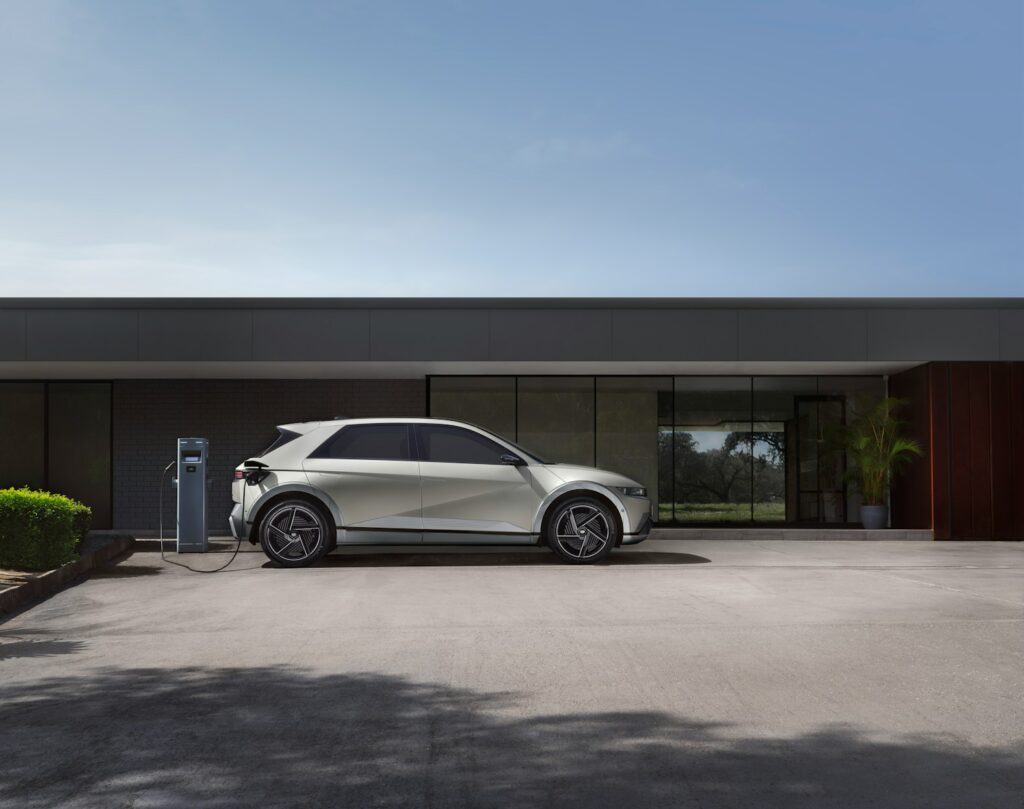
In the US market, the transition to electric vehicles has been much slower than in other leading countries. The rate of sale has effectively flattened. The role of policies in the differing rate of transition cannot be underestimated. States regulating their policies under California Air Resources Board (CARB) guidelines observe a much greater interest in purchasing electric vehicles. A total of 38% of customers intend to purchase an electric vehicle as their next vehicle. This percentage falls to a mere 25% outside CARB states.
Essential Elements of the U.S. EV Divide:
- Policy-driven adoption gaps
- CARB vs non-CARB states
- Urban EV enthusiasm
- Rural resistance to EVs
- Slower national transition
Geography exacerbates this difference even further. In city settings, the attitude toward transitioning to EVs becomes 51 percent, which is owed to easy charging availability, shorter distances, and higher levels of environmental awareness. In contrast to this, in rural areas, it becomes 18 percent, which is largely attributed to range anxiety and lack of charging infrastructure availability. Such a large difference indicates that the transition to electrify vehicles will not take place at the same rate across the U.S. Continuously, hybrid models and traditional gasoline engines will continue to play an important role in the U.S. automotive market.
4. Common Global Concerns Amongst Possible Purchasers
Even as regional preferences vary, consumer sentiments across the world are surprisingly similar when it comes to electric cars. The main factors holding them back from making the shift towards an electric vehicle are the driving range, purchase price, and charging infrastructure. Almost half the respondents chose “increased driving range” as the most appealing element that could entice them towards owning an electric car. The average minimum driving range that buyers seek has also been revised from the original target of 425 kilometers in 2022 to approximately 500 kilometers or 310 miles.
The price sensitivity continues to be an equally major factor. Roughly 35 percent of the respondents worldwide reported that they would not consider the acquisition of an EV unless it was priced lower than an equivalent ICE vehicle. Consumers have been found to be largely driven by the acquisition cost as compared to the subsequent cost of ownership. Interestingly, the consumer sentiment of existing EV owners reveal a vastly different scenario. The BEVs have an extremely high repeat-buyer index, with only fewer than 1 percent claiming that they would never buy an EV again.
5. Industry Response: Strategy, Scale, and Technology
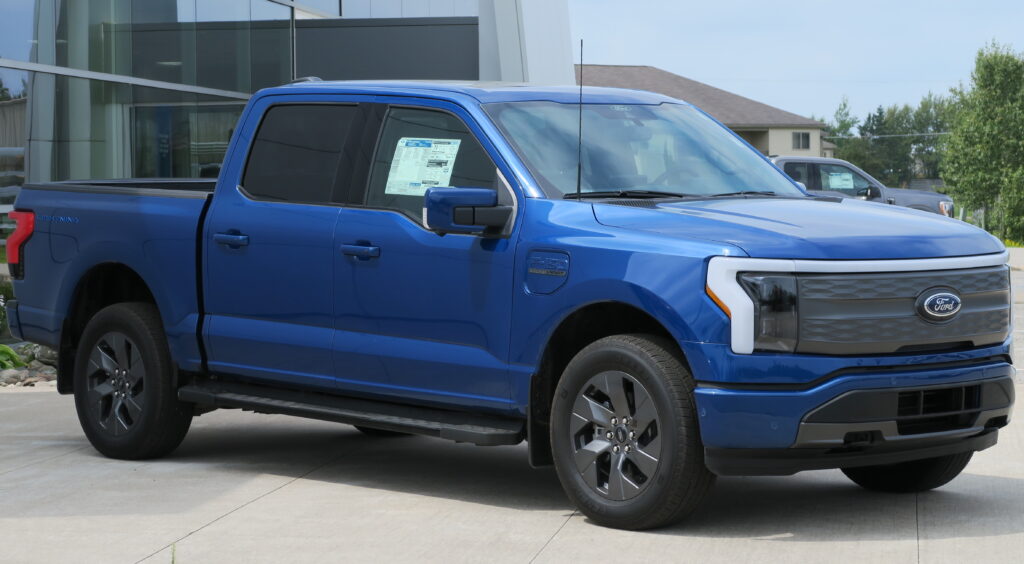
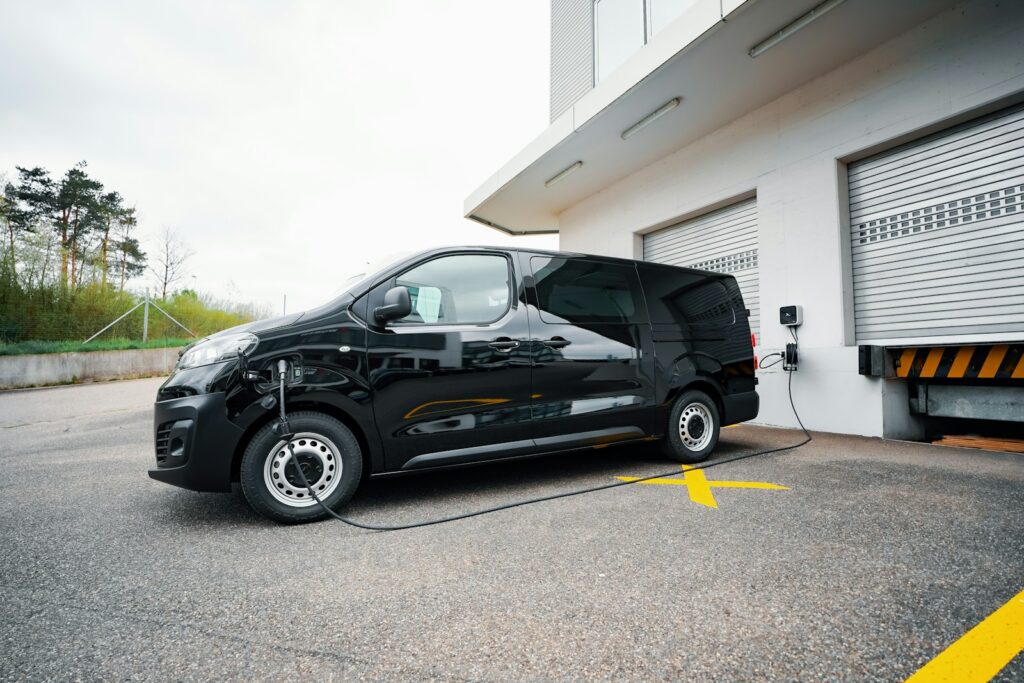
Being confronted with a fragmenting and ever-changing landscape of consumers, the vehicle industry is finding itself in a state of radical strategic shift. Even the electric truck industry is forecasted to expand from 89.37 billion in 2025 to 226.8 billion by 2029, providing a glimpse into the magnitude of investment that is taking place.
Large alliances and investments indicate a shift in the sector. The $11.4 billion collaboration between Ford and SK Innovations to build manufacturing facilities demonstrates the capitalrequired to be competitive. Toyota’s $1.29-billion investment in a battery plant in North Carolina with a planned production of 800,000 batteries per year underscores the efforts of the sector to improve battery supply and lower prices, which have already been lowered by 70 percent from 2017 to 2023.
Technology as the Primary Differentiator
Technology has emerged as the primary area of contention in the EV sector, with range and charging time racing each other. The driving range of approximately 500 kilometers has become the primary area of customer expectations. On the other hand, ease of charging has also begun gaining prominence. Although a charging time of 30 minutes remains acceptable with the current clientele base, almost one third of these people show expectations of times not exceeding 20 minutes. Very few vehicles meet these standards. Such demands are increasingly driving companies to boost innovations such as range-converting batteries and 800V architectures.
Key Technology Differentiators:
- Battery range expectations
- Faster charging demand
- Energy density improvements
- 800-volt architectures
- Premium tech advantage
Outside of batteries, software and intelligence are increasingly playing key roles. Advanced driver assist systems are surging in importance, and this is particularly apparent in highly competitive markets such as China. Here, consumers already prioritize advanced driver assist systems in their list of key considerations in high-end electric autos. In less than a decade, in 2030, advanced driver assist systems are anticipated to be the most key factor. This places increasing pressure on Western carmakers to match newcomers with more advanced systems. This increasingly treats cars as integrated and intelligent systems rather than purely mechanical systems.
Realizing the inadequacies of technology to address all issues, the automobile industry has sought to address the hang-up in purchase decisions. Customer loyalty rates for EV sales remain low compared to the customer loyalty rates of ICE vehicles. Manufacturers need to compete largely based on parameters and value-for-money, making it simpler for them to offer alternatives like the range extension electric vehicle, or EReV. Upon educating them about the idea, it has become clear that a considerably large number of them expressed interest in the idea, and this could help accelerate the shift away from the traditional combustion engine.
The future of the industry does not just entail the substitution of fuel with electric power. From the transformation of city deliveries through electric trucks to the Internet Connected Vehicles that provide comprehensive digital services, the industry is changing rapidly. Its future will depend on its capacity to innovate and adjust to the regional standard of the customers, keeping the brand relevant not only today but for the future.