




How a Journeyman Driver Became NASCAR’s Most Disruptive Owner
In NASCAR, success is defined by trophies, championships, and memorable moments that transcend generations. The career of Justin Marks as a race driver did not conform to this norm. Marks is a race driver whose experience behind the wheel of a car was within NASCAR’s top three series and was unremarkable at best. He competed in only six Cup series races with no finish better than 10th position, claimed victory once at Xfinity Series, and accumulated a number of decent but unremarkable finishes at other series that looked and felt like many other drivers before him dogged and determined, but easily forgotten.
- Modest Results: There weren’t any classic championship wins in the career
- Limited Spotlight: Few headlines finish during driving career
- High School: Qualified in several series without lasting stability
- Quiet Reputation: Never regarded as a generational driving talent
- Unusual Foundation: Experience built on struggle rather than dominance
But those years also provided Marks with something that wasn’t readily apparent but invaluable: perspective. “I grew up in the trenches in the minor leagues with guys who really struggled with equipment teams with small budgets and old equipment. And I think that helped me appreciate the opportunities I had later in my career.” This lack of success did not discourage Marks but instead gave him a deep understanding of the NASCAR world that would benefit his impact later on. His impact will not be in driving skills but in his knowledge of the business of NASCAR.
1. Entering Ownership with Limited Means and Big Skepticism
When Justin Marks threw his hat into the ring in 2021 with plans for a Cup Series team, the reaction in the garage was underwhelming, to say the least. The new owner had very limited experience as an owner, limited resources, and no established network. In an industry with rich history and established teams that have been passed down through generations of wealth, the new team was poised to be just another that failed quietly after a couple of anonymous seasons.
- Mostly Minimal Funding: Missing big-pocketed investors, as in elite teams. They might
- No Ownership History: Lacked experience managing a Cup Series organization
- The Garage Skepticism: Industry Outlook was poor from the start
- High Barriers: Going up against giant giants
- Long Odds: Survival by itself was a good enough starting point
However, Marks did not have his eyes closed. He aligned his new enterprise with that of music sensation Pitbull, an early sign that this partnership was going to be far more progressive about brand, outreach, and culture. More so, Marks has become a humble owner who prepares and works under an innovative paradigm. He did not start immediately seeking domination. His long-range strategy would soon prove fruitful when no one expected it.
2. Early Wins That Announced a New Contender
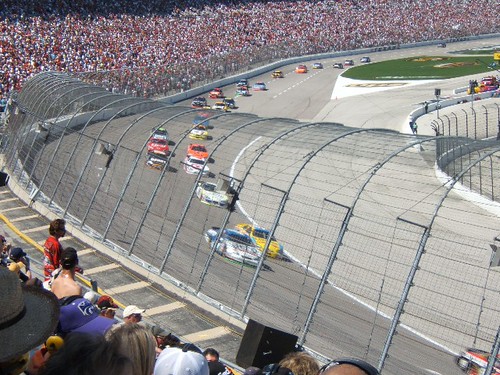
The team’s surprise escalated much quicker than anyone had anticipated. During the early years of the team, it not only managed to stay afloat but actually won some races. The first milestone win was at the Circuit of the Americas, where a rugged, dominating display from Ross Chastain left many stunned. This win changed the mindset instantly. It is no longer a heartwarming story of the underdog but a legitimate competitor. The team in the background quickly understood the new team was legitimate, serious, and clever.
- Breakout Victory: First Cup victory stunned the competition and audience
- Road Course Strength: Demonstrated technical and strategic brilliance
- Trust of Driver Chastain: Chastain was entrusted to drive fiercely/
- Momentum Shift: Perceptions shifted overnight
- Proof Point: Initial success reinforced Marks’ unorthodox strategy
The victories continued to roll in. Chastain won at Talladega, dominating one of the most unpredictable tracks on the NASCAR circuit. But it was only a short time later that Daniel Suárez made history at Sonoma, claiming the first Cup Series victory for a Mexican-born driver. More was at play here than just race flags. Diversity, international ethos, and a rejection of the status quo were at issue. Marks’ operation was successful and inclusive.
3. The Growing Ambitions with Global Talent
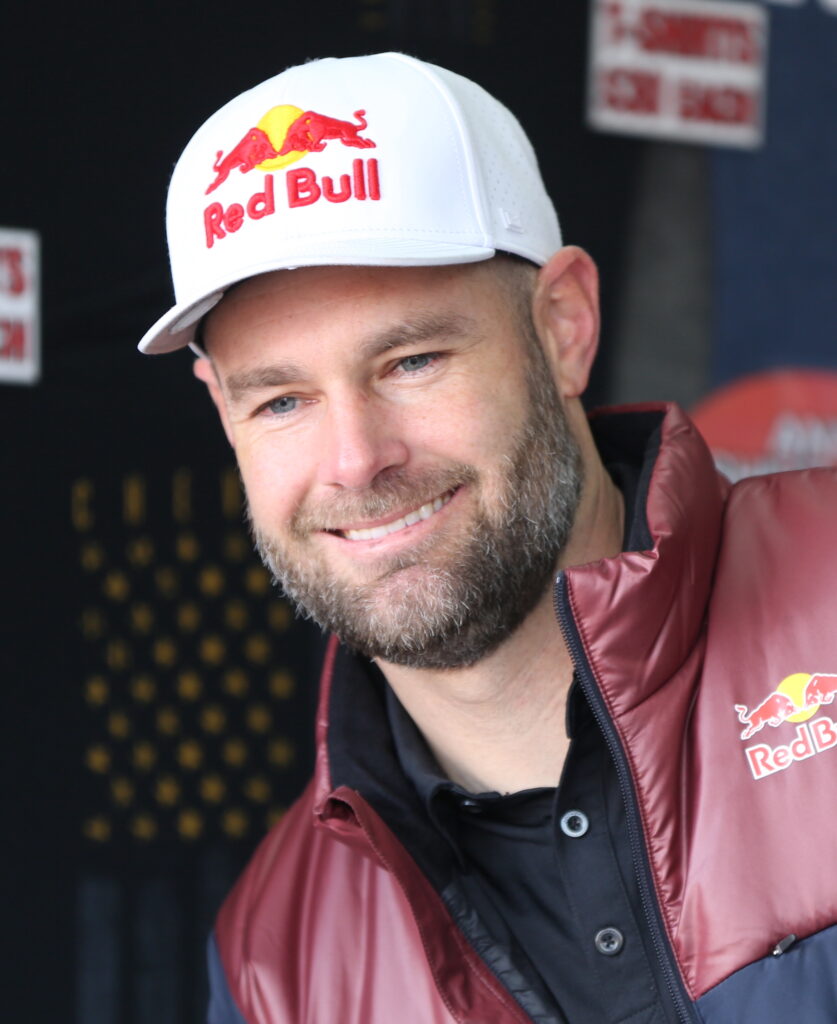
It is clear that this mindset to consider candidates outside of the box has been evident in even more ways with the coming of Shane Van Gisbergen. Van Gisbergen is an international star driver; he decided to come to NASCAR on a part-time basis and in his first race made history by winning his first NASCAR Cup Series race. This sent shockwaves throughout world motorsports and strengthened Marks’ conviction that world-class drivers are not hard to come by outside of NASCAR circles.
- International Recruitment: Recruited globally, beyond typical NASCAR pipelines
- International Attention: The win brought international motorsport appeal
- Roster Expansion: There were reports of an expansion to three full-time drivers
- Future Vision: Focus on building competitive strength
Instead, Marks chose to capitalize on this success, rather than treating it as a fluke. There were plans to build the team, to integrate Van Gisbergen fully into the outfit. Such moves indicated a degree of confidence, not complacency. Marks also indicated that, sometimes, NASCAR needed to think the same way the world thinks, mixing experience with success achieved elsewhere.
4. Resistance From a Tradition-Bound Industry
Success usually does not escape attention, let alone when it achieves the speed that Motorsport’s fastest-rising franchise accomplished. Marks is no stranger to opposition in the world that NASCAR comprises. The unconventional approach his outfit employs coupled with quick success leaves many people unconformable. He not only has to win races but also the hearts that the world he operates in, to say the least, struggles to adapt to.
- Challenger Status: New Teams Eyeed with Suspicion
- Industry Politics: Success changed the given power relationships
- Strategic Pressure: Operates under pressure, forced to work under continued scrutiny and
- Parallel Movements: Parallel movements that occurred in similar organizations.
“Marks has labeled all of this a part of the process,” according to _Motorsport Business Report_. “Instead of falling backward, instead of falling into a hole, he’s found a way to adapt. He knows when to press forward, when to listen. His candor about the challenges he is encountering is a sign of growth, of maturity, of his understanding that, yes, disruption is uncomfortable, but also necessary. By keeping his eyes fixed on the prize, Marks is, in fact, building credibility while also expanding the box in which ownership must fit in NASCAR racing today.”
5. Ross Chastain as the Symbol of Defiance
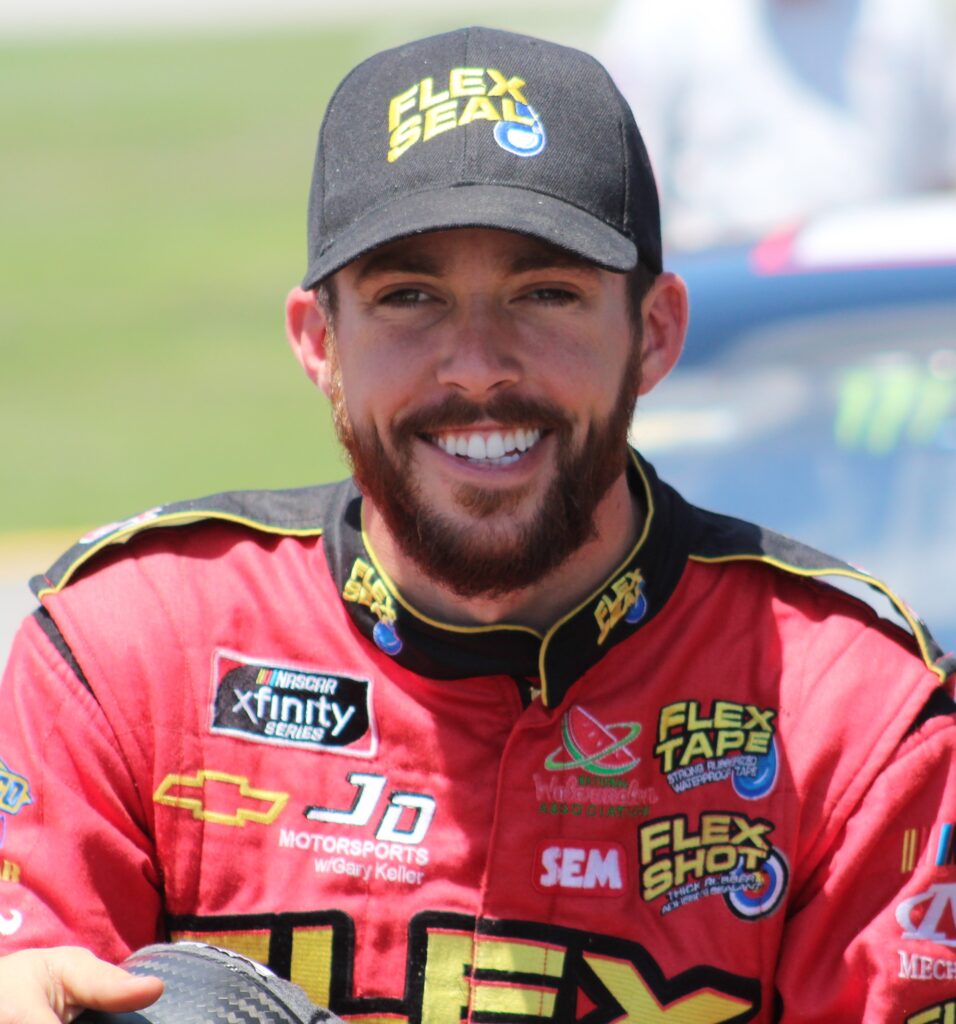
Ross Chastain: Ross Chastain is perhaps one of the drivers who symbolize the spirit of this team the most. He has been known to drive aggressively and not give an inch easily, which has invited criticism from fellow drivers and fans alike. However, Marks sees Ross Chastain as a symbol of aggressiveness that is required to compete with the best.
- Aggressive Style: Known for aggressive and high-risk style
- Polarizing Figure: Often causes controversy in the garage
- Competitive Fire: Reluctant to yield to others on
- Owner Support: Driving style openly adopted by team management
- Results-Oriented: Aggression meant being a champion-cont
This attitude almost brought home a championship, with Chastain finishing second in Cup Series points in his breakout year. Marks has made it evident that he is not going to temper this attitude, thinking that measured aggression is what is required in modern-day NASCAR racing. The coupling of this aggressive driver with this aggressive ownership it seems has bred this what-can’t-they-do attitude that is part of this racing team.
6. A Broader Crisis of Discipline and Identity
This is, of course, a period of ascendancy for the team. Not surprisingly, it is a time of growing worries about the overall quality of drivers in the lower series in the NASCAR organization. A lot has happened in the Xfinity Series event at Martinsville that highlighted issues associated with aggressiveness, accountability, and discipline.
- Chaotic Racing: Too many incidents halted racing action
- Official Intervention: Sanctioning authority-imposed fines/penalties
- Veteran Criticism: Traditional critics raised their voice
- “Rhythm Loss”: Constant warnings degraded the quality of the
- Developmental Risks: Young drivers learn dangerous habits.
Veterans such as Brad Keselowski also insisted that the blame needs to be placed on the shoulders of the owners. His thoughts on the issue involve his perception that what needs to happen in order for real change to occur is that the owners need to be ready to penalize drivers, regardless if this means they lose money. It definitely complicates the issue for Marks, among others.

7. Business Controversies and the Future Landscape
Apart from the racing behavior, the business-related activities in NASCAR have also accounted for more controversy. The news about the prize money for the In-Season Challenge going to the owners instead of the drivers caused disgruntlement among the fans. It seems that the fans felt deceived by previous promotions that they considered to be false commitments.
- Fan Backlash: ‘Bait and Switch’
- Prize Allocation: The owners receiving the prizes surprised many fans
- Marketing Concerns: Public questioning of decisions based on
- Issues of Transparency: There were issues of transparency that
- Trust Erosion: Trust was eroded by fan frustration with leadership
Within such a context, Justin Marks carves a different path. He is a man who is ready to innovate, share ideas freely, and go against the tide. He recognizes that in order to be relevant in the current era of NASCAR, there has to be a change in culture, in the level of competitiveness, as well as in the business outlook. It’s a change that a man like Justin Marks has epitomized in his transformation from being a journeyman driver to a successful owner.