



Tesla’s Price War Ignites Demand But Squeezes Profits
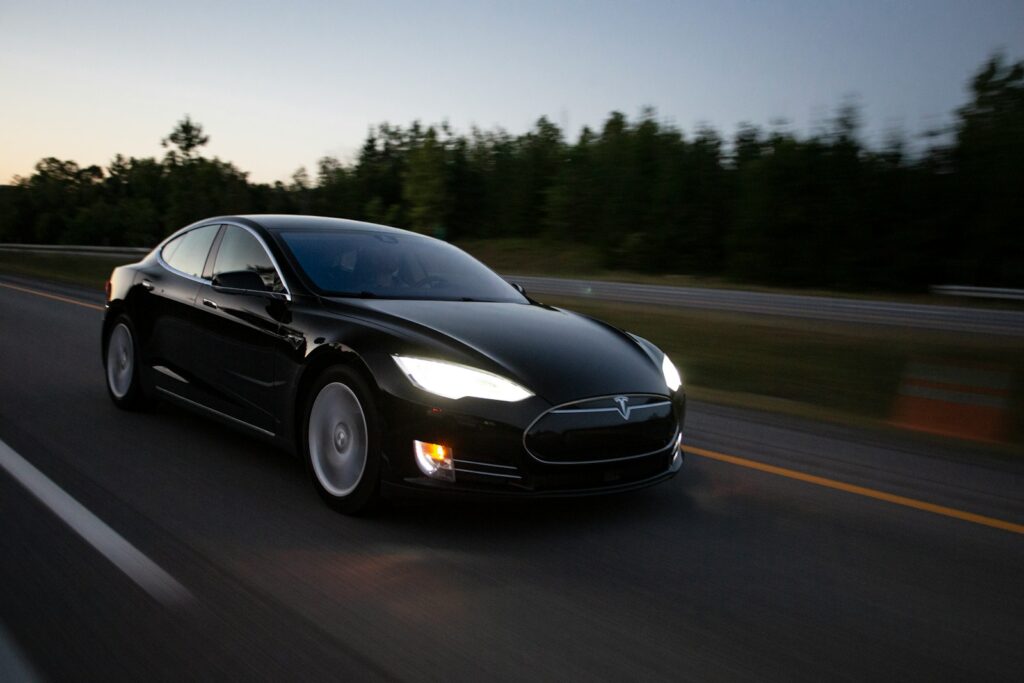
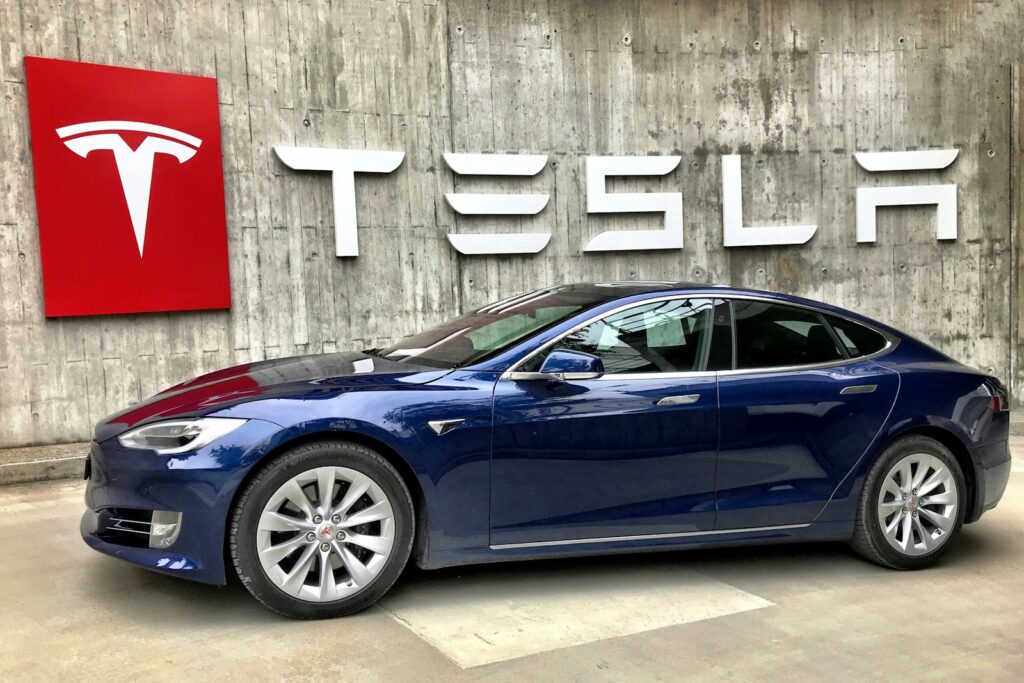
Tesla’s recent price cuts sent an instant strong signal across the U.S. automotive market. Aggressive vehicle price cuts by Tesla literally set consumer curiosity and buying intent afire. In fact, shopper activity increased almost immediately, according to Edmunds, proving that affordability still does drive demand. In a market strained by high prices and limited supply, it felt refreshing to consumers seeking value and availability.
Why Buyers Responded Instantly
- Major upfront price discounts
- Vehicle immediately available
- Lower hesitation to make a purchase
- Improvement in affordability perception
- Renewed interest in EV ownership
While consumer euphoria skyrocketed, the plan brought challenges that simmered below the surface. Greater demand did not necessarily mean greater profit. Indeed, Tesla entered a phase where increased volume came at the expense of shrinking margins, setting the stage for an industry-wide pricing recalibration.
1. Model Y & Model 3 Dominate Shopper Searches
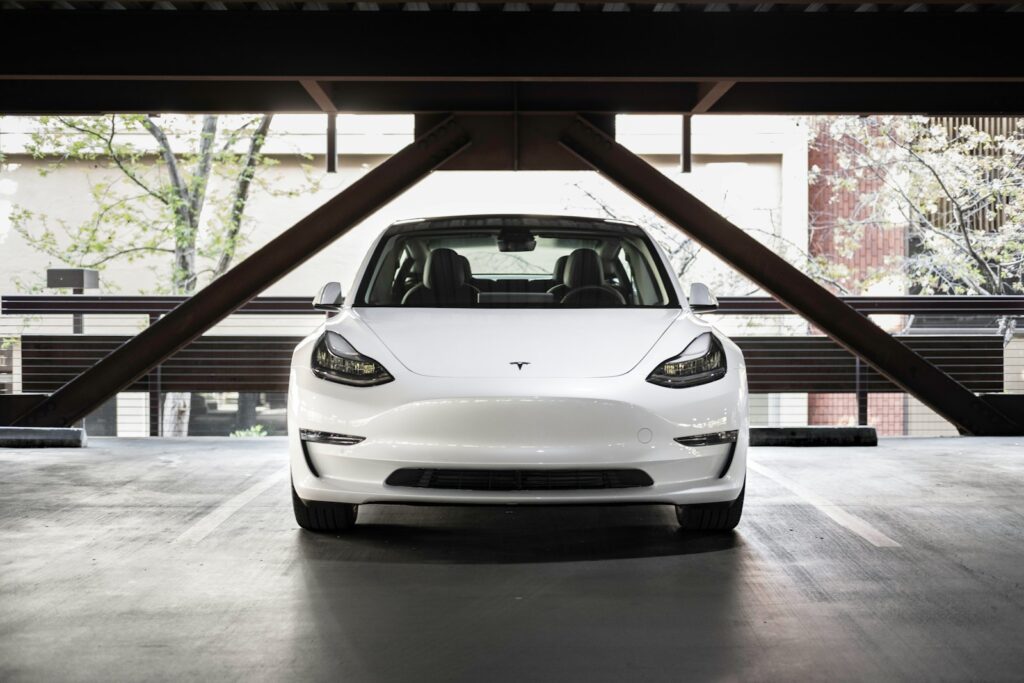
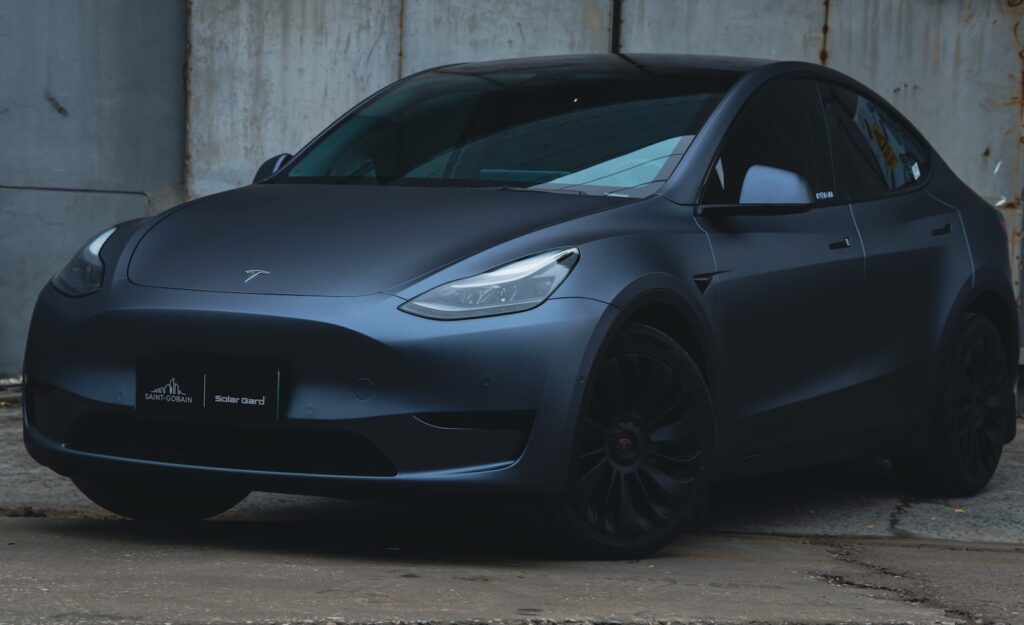
The most pointed reaction to Tesla’s pricing strategy manifested itself in online search behavior. In one week, the Model Y catapulted from 70th to the second most-researched vehicle on Edmunds, while the Model 3 gained significant ground by moving up 36 spots. These dramatic leaps most definitely show the price sensitivity that governs today’s car-buying behavior.
Search Trends Reveal Market Psychology
- Model Y stands second in the nation.
- Model 3 breaks into top eleven
- Rapid week-over-week growth
- Budget-oriented shoppers back
- Interest in EVs quickly gaining speed
These trends underscore one critical truism: Tesla’s designs might be aging, but affordability can pretty readily reheat interest. Car buyers will often look past minor design refreshes when pricing meets expectations, particularly in an economy where scoring a good value on a new vehicle has become so seldom found.
2. Analysts Applaud Tesla’s Tactical Timing
Industry observers were fast to applaud Tesla’s efficiency in making that move. According to Jessica Caldwell of Edmunds, with competitive pricing, combined with ready inventory, it becomes a hard advantage to overcome. In a market that has been subject to long waitlists and lackluster incentives, Tesla’s approach shone by immediately bringing value to reluctant buyers.
Analyst Comments on Tesla’s Strategy
- Expansion potential of market share
- Aging lineup concerns diminished
- Inventory availability gives the assurance of confidence.
- Appeals strengthened by value
- Competitive differentiation attained
Analysts concur that Tesla had played on an unusually sensitive chord of customer psychology: one of affordability. When prices fall and availability increases, indecision dissipates. The strategy carries risk financially, but undeniably places Tesla as one of the most accessible electric vehicle brands in the market today.
3. Financial Results Indicate Price of Aggression
Despite soaring interest, Tesla’s financial performance reflected that cost. Q3 2023 earnings showed a 52 percent drop in operating income, falling to $1.7 billion as operating expenses climbed sharply, compressing margins and highlighting the immediate financial trade-offs of aggressive price reductions.
Key Financial Impacts
- Operating income sharply contracted.
- Expenses blew up
- Margins slipped below 8%
- Profitability per vehicle decreased
These results show the tough balancing act Tesla must pull off. Increased volume contributes to its long-term goals but sacrifices some of the short-term profitability. Investors are yet to see whether Tesla can stabilize the margins without giving up momentum in the demand the company has just achieved.

4. High Interest Rates Shape Buying Decisions
Tesla’s leadership has blamed the cuts on larger macroeconomic forces. As Elon Musk noted, for most buyers, monthly payments are far more relevant than the overall cost of the vehicle. With rising interest rates, that means monthly payments are high, and fewer people can afford new vehicles despite strong consumer interest in them.
Economic Pressures Affecting Demand
- Dear cost of borrowing
- Higher monthly car payments
- Lowered consumer confidence
- Purchase delays go up
- Global uncertainty weighing sentiment
The billionaire entrepreneur has also pointed out geopolitical tension, adding that times of uncertainty make people try to avoid major purchases. Price cuts by Tesla are an effort to balance such pressures and keep their vehicles accessible to those customers who may delay purchase decisions due to financial uncertainty.
5. CFO Flags Margin Recovery Challenges
Tesla’s new CFO, Vaibhav Taneja, recognized the ‘whack’ that rapid changes in the price of its vehicles has created. Explaining that while prices can drop overnight, it takes time for costs to drop. That lag directly hits at margins, particularly during economically unstable times and a shift in leadership.
Financial Management Realities
- Costs are sticky, price reductions lag
- Revenue below expectations
- Margin recovery uncertain
- Leadership transition pressure
- Investor scrutiny on the rise
Tesla’s revenue went up from a year ago, it wasn’t quite as much as analysts had forecast. Restoring profitability with higher sales volume now becomes the key balancing act for Taneja to achieve, defining Tesla’s financial health for the next few quarters.
6. Increasing Competition Reshapes the EV Market
Tesla’s pricing war comes as competition continues to heat up. According to Cox Automotive, Tesla’s share of the U.S. EV market eroded from 62% in 2023 to 50%. The company finds itself under increasing pressure to defend its leading position, with the majority of other automakers offering competitive electric models.
Competitive Forces in Action
- Erosion in market share
- Greater availability of models in the EV segment
- Price Competition Intensifies
- Luxury positioning diluted
- Mainstream buyers targeted
In moving to mass-market pricing, Tesla has opened its market wide but also invited more serious competition onto its turf. The repositioning now pressures Tesla to rely more heavily on scale, efficiency, and ecosystem advantages than on brand prestige alone.
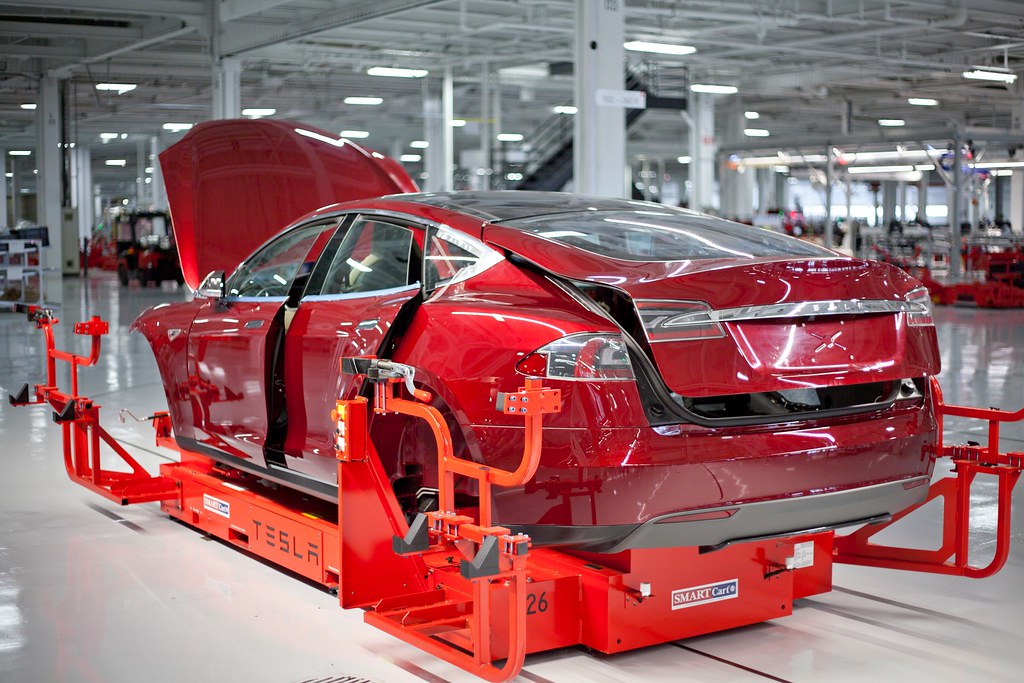
7. Legacy Automakers Struggle to Keep Pace
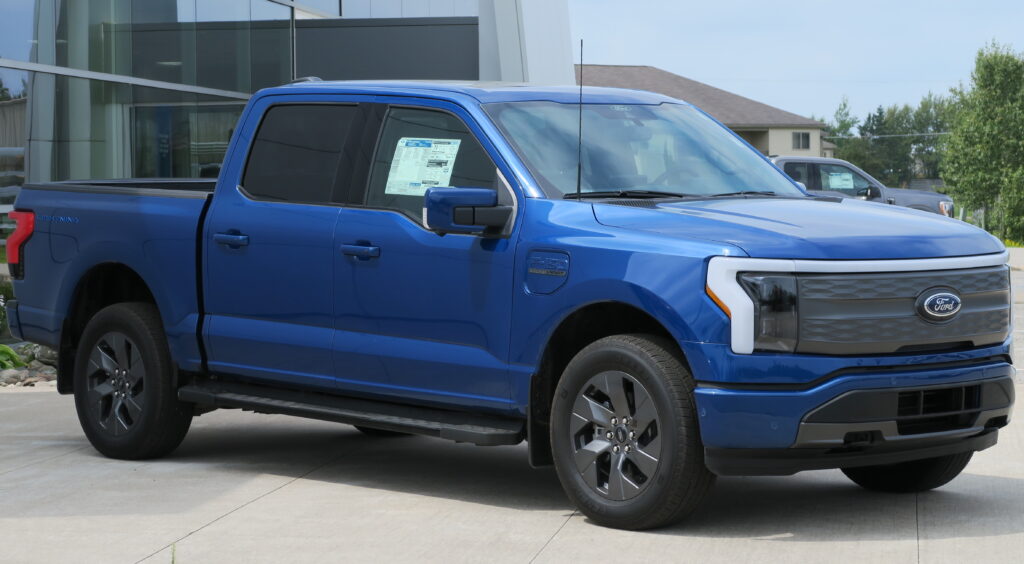
Tesla’s approach has put immense pressure on legacy car manufacturers. Ford was among the ones that countered this with price cuts, but most can ill afford extensive losses on its books. Higher labor costs and dealership networks restrict their leeway to retaliate, matching Tesla’s prices without taking a significant financial hit.
Challenges ahead for traditional car makers
- Higher labor costs
- Dealer network overhead
- Slower price responses
- Losses piling up in EV division
- Limited flexibility in margins
Tesla’s robust cash reserves allow it to survive margin compression longer than most others. This financial toughness installs another strategic advantage, potentially forcing weaker rivals to scale back EV ambitions or absorb heavy losses.
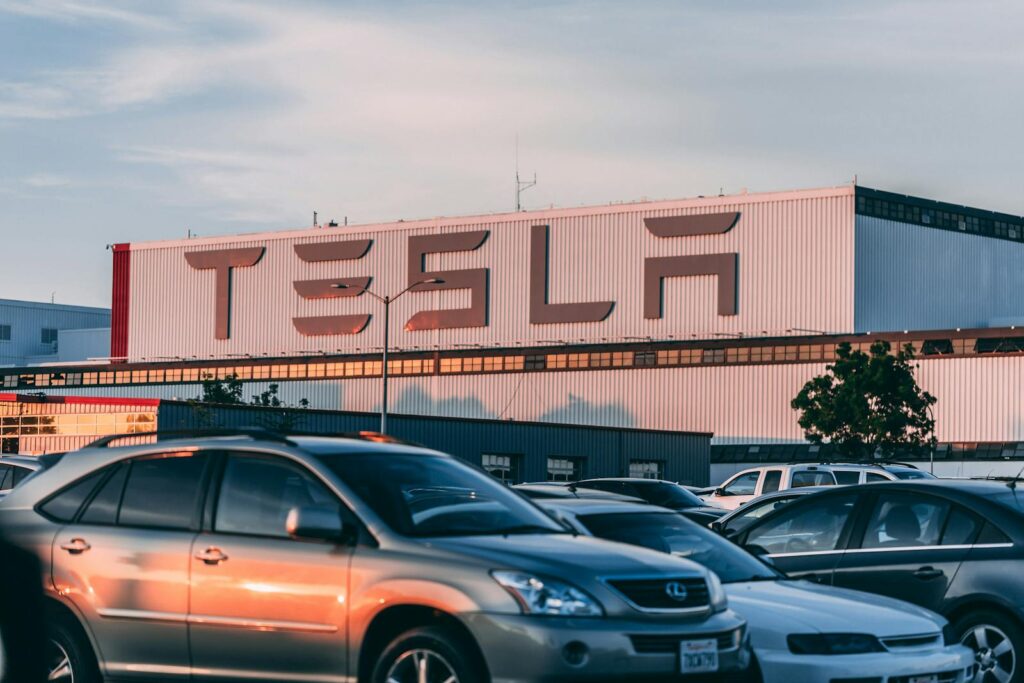
8. Price Shockwaves Continue to Benefit the Used EV Market
Tesla’s pricing strategy has had a strong effect on the used vehicle market. According to iSeeCars, used EV prices fell to around 11% below gas-powered vehicles. This change drove demand higher, where used EV sales climbed 70% in the first half of the year.
Benefits for Second-Hand EV Buyers
- Lower purchasing prices
- Federal tax credits available
- More inventory choices
- Modern Tesla design longevity
- Improved affordability overall
Dealers said buyers who couldn’t afford electric vehicles previously are taking more interest. Used Teslas, in combination with tax credits, are a very good deal, considering how older models hardly look different from the latest versions.
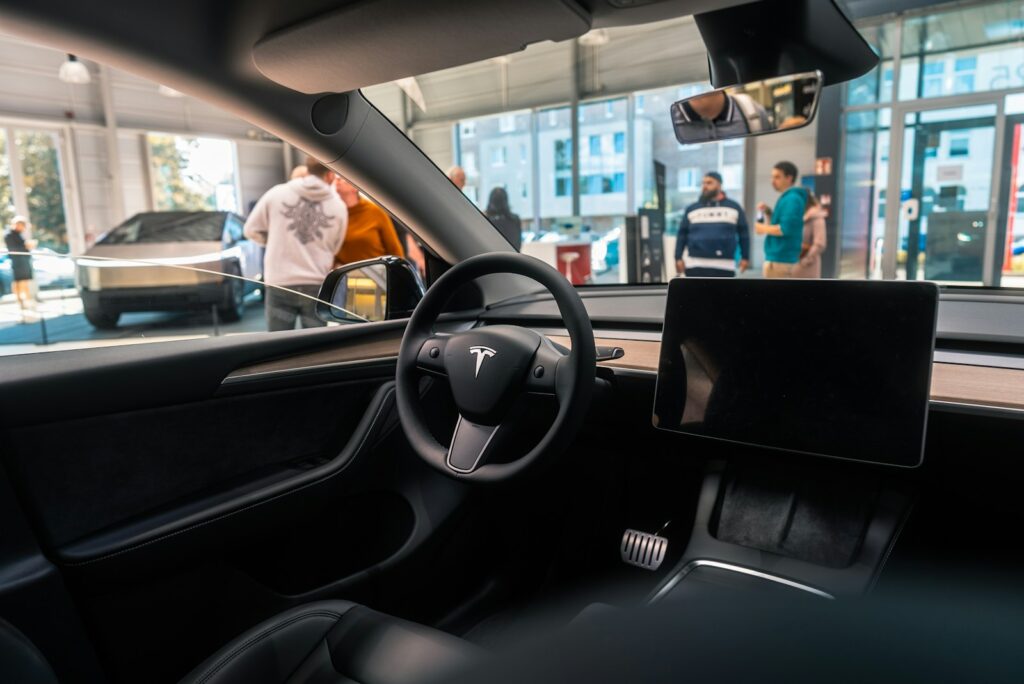
9. Long-Term Vision Drives Tesla’s High-Stakes Bet
Sitting beneath Tesla’s pricing strategy is a long-term mindset born from the original Master Plan laid down by Elon Musk. In short, the goal has always been mass adoption of EVs, even if it comes at the sacrifice of margins in the short term. Greater volumes of vehicles also align with Tesla’s autonomous ambitions, as more cars on the road equate to vast volumes of real-world driving data.
Tesla has thus demonstrated its willingness to suffer short-term financial pressure, showing confidence in the future. As margins are eroded today, the company positions itself for dominance in the transport world of tomorrow, one that’s going to be dominated by autonomous and software-driven vessels.