







US Flight School Bans Solo Flights for Cathay Pacific Cadets
The aviation sector is constructed on a strict adherence to safety, discipline and integrity of procedures. All the phases of pilot training are aimed at supporting the given principles and going to the point that these people who will finally be sitting in the cockpit of airlines are not only ready to fly an aircraft but also able to make decent decisions on the spot. When a training organisation acts decisively, it shows how serious it takes even the risks that are looked into at an early stage.
This was recently cast into sharp perspective when one of the best flight schools in the United States withdrew solo flight privileges on cadet pilots sponsored by Cathay Pacific. The decision was not only interesting due to one dramatic failure but a trend of events further caused more concern on how decisions are made, on the discipline of reporting, and on the need to follow the laid down procedures. Patterns have much more value than single errors in aviation.
In the case of Cathay Pacific, the relocation is a timely one. The airline is also mid-way through the restructuring of its pilot force, which has been disrupted because of the pandemic over the years. Although this grounding puts operational pressure, it also illustrates a more general reality about aviation training in that progress in aviation training is never permitted to outweigh safety. This episode is a lesson to always remember that growth, however important it may be, should never come first before standards do.

1. The Ruling that Caught the Industry by Storm
AeroGuard Flight Training center in Phoenix Arizona decided to suspend all solo flights of Cathay Pacific cadets due to what they termed as alarming number of accidents in solo flights. The relocation was not just a symbolic and precautionary one, but an immediate reaction to safety considerations that have been observed during active training operations. Such a step in a highly regulated context is an indication that limits had been broken.
In the internal memo that triggered the suspension, the reason was recurrent lapses and not a one-time failure. Training in aviation is based on a gradual process, so only when teachers are sure that a student is able to cope with risk on his own, he/she is allowed to fly on his/her own. Training organisations must take a break and reevaluate whenever there are incidents in succession before it can continue being exposed.
This ruling subjected the flight school and Cathay Pacific to instant questioning. In the case of AeroGuard, it constituted a test of its safety culture. In the case of Cathay, it gave it a wake-up call that training outsourcing does not abrogate responsibility. The two organisations had to enter into a joint response whereby corrective action was put above reputational comfort.
2. Incidents that Raised Red Flags
The grounding happened after three severe accidents had happened in a relatively short period of time. Even though the events were distinct, they all identified the problem with aircraft control and awareness of the situation when working independently. One of the incidents was the wing tip hitting a permanent object, which means that space judgment was impaired in ground manoeuvre. Another accident was that of landing, a bounce resulted in a propeller hit. Such an error is especially worrying in that it may affect the safety of the engines. All these events indicated trends and not one-off errors.
Key Incident Indicators:
- Wingtip ground strike
- Spatial misjudgment
- Bounced landing
- Propeller damage risk
- Runway excursion
The third and most dangerous incident was that of cloudy runway excursion wherein the plane left the designated landing surface completely. This brought the situation to a higher level of operational mistakes. All these happened to be non-cosmetic and procedural oversights. All of them needed urgent escalation and a review by instructors. On the whole, they presented grave safety issues. AeroGuard found it impossible to consider further solo flight. Consequently, there was an urgent need to intervene before the further operations would be done.
3. Failure in Reporting and Consultation
Not only were there the incidents but the failures in post incident behaviour were also found by AeroGuard. In both instances, the consultation with duty flight instructors that was required was not conducted. Two of the cases did not report damage in a proper way which violates the fundamental safety structure of the aviation training.
Aviation requires transparency. The reporting is not a voluntary practice and neither is it punitive in nature. It is there to make sure that risks are detected in time, and addressed before they become huge. Students are reluctant or do not report problems and this makes the system lose its capability of protecting people and machines.
This tendency of non-reporting increased the severity of the events. It recommended not only the lack of skills, but also the possible misunderstanding of the responsibilities, authority, and accountability in the course of solo flight operations.
4. The Internal Assessment at AeroGuard
Jay Meade, who is the vice-president of AeroGuard training department, called on Cathay cadets. He explained that the concern was not one that was confined to flying abilities alone. There were increased focus on the judgement and decision making under abnormal circumstances. Training pilots are supposed to be honest and report problems right away. Discipline and the self-awareness are also evaluated by instructors. The problem identified a larger training deficit as opposed to specific failures.
Key Findings From the Review:
- Decision-making focus – Judgement mattered as much as technical skill.
- Instructor communication – Abnormal events required immediate reporting.
- Training discipline – Cadets fell short of expected standards.
- Procedural compliance – Adherence to rules remained critical.
- Situational awareness – Self-assessment was a key expectation
This evaluation informed the reaction of AeroGuard to the scenario. The school did not target an individual cadet. Rather, it addressed it as a company-wide situation. Remedial measures were used throughout the training structures. This was aimed at strengthening consistency and accountability. Reliability is required during aviation training. Judgement was perceived to be crucial to long-term safety.
5. The Public Response of Cathay Pacific
Cathay Pacific came out in defense of the decision of AeroGuard, which underpinned the company in its effort to uphold its safety. In press releases released to the media, the airline has recognised the events and assured that they were dealing with them seriously. The airline ensured that it communicated the fact that safety informed all decisions that it makes in its operations.
This reaction was considerable. The airlines that are subjected to the pressure of recruitment are at times defensive when they experience setbacks in training. When Cathay chose to openly identify with the flight school, it was an indication that it appreciated the long term importance of dealing with issues as they arise and not charging ahead at any cost.
Another explanation made by the airline was that these cadets are not operational pilots. Their training at AeroGuard does not end yet and they have to undergo further structured training before they are allocated any flying responsibilities, which adds more safety layers to the operations of airline.
6. Standing of the Cadets in Training
Students participating in the cadets are sponsorship students and not necessarily employees of the Cathay Pacific. It is not until they have successfully gone through the entire training pathway that they shift to official positions and even then, the training pathway is purposely designed as a learning environment and not a working one.
- Sponsored Trainee Status – During the programme, the cadets do not go into commercial duty as they are still students. This enables the instructors to concentrate on learning, correction and reinforcing skills without any operational pressure.
- Further Post-Graduation Training – When a graduate leaves the cadet programme, he or she has to go through additional training on airline specifics. This extra touch is a guarantee of preparedness and another opportunity to discuss any questions before going into service.
- Controlled Learning Environment – The whole training is conducted in a highly supervised environment which is structured to spot problems in a minimum amount of time. This framework makes sure that issues are identified and addressed long before trainee graduates join working positions.
By emphasizing this structure, Cathay aimed to assure the parties concerned that the accidents were in a controlled training environment and handled in a way that would not result to any effect on its commercial activities.
7. Knowledge Gaps and Ground Training
The early evidence indicated that the breaks in ground training could have been a cause of the incidents. However, ground training is the theoretical basis of aviation, which includes the operations, risk management, and emergency procedures way before a student is allowed to fly by themselves.
Unless these ideas are reinforced properly, the students might fail to put them to actual practice. Solo flight imposes mental processes on trainees where they are required to control aircrafts, develop situational awareness and make decisions at the same time.
Enhancement of the ground instruction will make sure that the students are not only equipped with technical knowledge, but also the constructs that are necessary in the mind to act in a specific manner whenever some unforeseen situations occur.
8. Cultural and Communication Problems
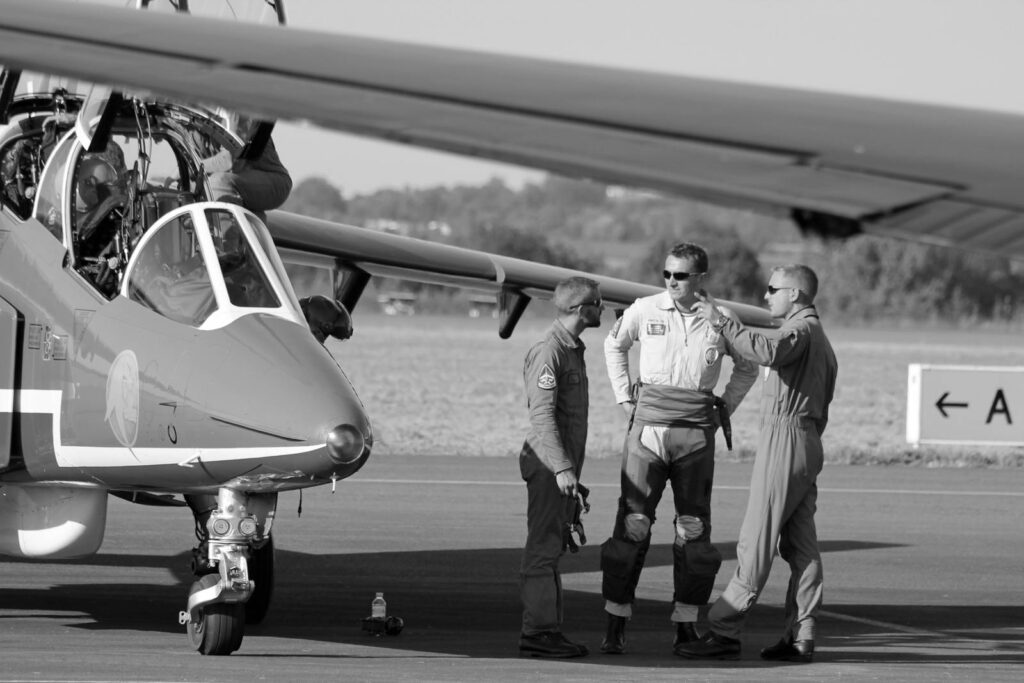
One of the factors that might have led to this situation was the cultural differences that were found to be a contributing factor during the review process. Communication styles differ a lot in an international flight training environment. Students in certain cultures are not comfortable to challenge authority or openly admit their errors. Although this unwillingness is not the intended outcome, it can disrupt the standard safety procedures. The aviation training is very dependent on transparency, candor and real time feedback. Minimal differences in communication may lead to bigger safety problems. This created cultural dynamics as a significant field of study.
Key Communication Factors:
- Cultural hesitation
- Authority dynamics
- Reluctance to question
- Delayed feedback
- Safety communication gaps
Aviation training requires direct and immediate communication, particularly when the operations occur solo. Any unwillingness to voice up, seek clarification or report issues may have grave implications. Through the awareness of this risk, AeroGuard started evaluating whether cultural barriers were impacting on the way cadets communicated with instructors and adhered to operations. It was not about blame, but about consciousness. Training programmes could be made to be more accommodating of diverse cadet backgrounds by identifying possible communication barriers. The aim is the learning atmosphere wherein understanding and confidence take precedence over timidity. This is a non-incriminating strategy of enhancing safety.
9. Workload Stress and Performance Expectations.
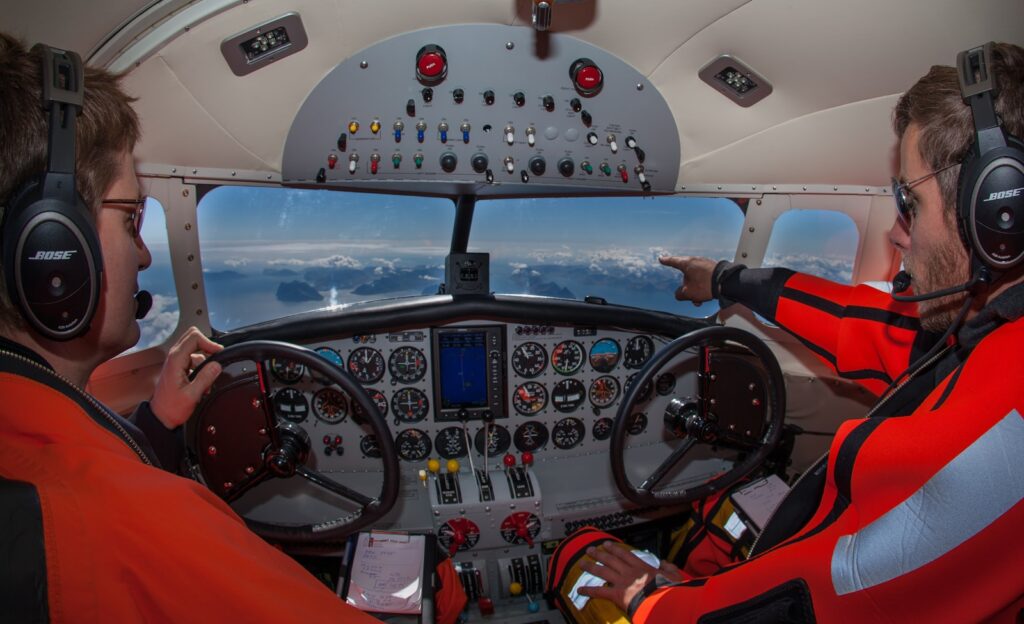
The need to improve fast was found to be another area of concern. With Cathay Pacific trying to restore its pilot force, the cadets might feel more of a pressure to deliver and advance the training phases as fast as possible.
- Accelerated Progression Expectations – Tight timelines and rapid advancement goals can make trainees feel they must continuously meet high performance benchmarks. This may create stress and reduce the space needed for reflective learning.
- Impact on Error Reporting – When cadets fear setbacks or extended training, they may hesitate to report mistakes. This can unintentionally promote risk-taking and shift focus away from safety and openness.
- Importance of a Supportive Training Culture – A learning environment that prioritises development over speed helps reduce perceived pressure. Encouraging transparency and sound judgement ensures trainees build long-term competence rather than simply meeting deadlines.
Training programmes can be used to more effectively converge performance goals and safety and learning outcomes by ensuring pressure on workload and supportive expectations.
10. Training and Safety Long-term Implications.
Cathay Pacific has short run operational impacts as a result of the suspension of solo flights. This is particularly true because the airline will have targets of training hundreds of pilots by 2025. The executives have however downplayed fears of enduring disruption. The solo flying is a minor component of the entire training programme. This does not interrupt core instruction and assessments. Improvements are pegged on proven capabilities and not deadlines.
Key Training and Safety Considerations:
- Training capacity impact – Short-term disruption acknowledged.
- Limited solo role – Solo flights form a small segment.
- Progress checkpoints – Advancement depends on proficiency.
- Reporting standards – Reinforced before resuming solos.
- Course continuity – Overall timelines remain unchanged.
This accident underscores the no-tolerance attitude of aviation towards safety. The early identification of risk is tolerated in temporary disruption. The suspension is an indication of oversight at work. Corrective action takes place before problems are magnified. When all standards have been restored, the cadets will resume to solo flying. The experience enhances accountability and judgement. The final benefit is that in future, the passengers have pilots who have been trained in high levels of discipline and accountability.