




How Michael Jordan and Denny Hamlin Forged a New NASCAR Future
On the steps of a federal courthouse in Charlotte, a symbolic moment played out that represented a turning point for stock car racing. Michael Jordan stood beside Jim France, representing two worlds that couldn’t be much more different colliding. Their public truce marked the conclusion of a scathing antitrust lawsuit and a new era in how NASCAR and its teams related to one another, changing what the future of governance and the internal economic structure will look and feel like.
What Made This Moment Historic
- The end of a major antitrust lawsuit
- Public unity between rival figures
- Recognition of systemic imbalance
- Shift to shared governance
- The beginning of structural reform
This settlement was more than legal closure; it was recognition that NASCAR’s long-standing business model was in dire need of modernization. The courthouse steps became a stage where tradition met transformation, signaling that compromise-not control-would define the next chapter of American motorsport.
1. Within the High-Stakes Antitrust Battle
For nine wrenching days, testimony from the stand peeled the layers from within the inner workings of NASCAR. Filed by 23XI Racing and Front Row Motorsports, the lawsuit alleged monopolistic practices by NASCAR that stifled competition. At the center of the dispute was the charter system, viewed as permanent assets by the teams, but treated by NASCAR as a temporary, renewable agreement.
Core Issues Raised in the Trial
- Charter ownership disputes
- Allegations of monopoly control
- Unequal distribution of revenues
- Financial instability within the team
- Power imbalance in negotiations
The trial laid bare a widening chasm between NASCAR leadership and team owners. What teams saw as franchise rights, NASCAR framed as conditional privileges. This basic disagreement forced the sport to consider whether its legacy structure could survive modern professional sports economics.
2. The Fight for Evergreen Charters
The respective teams of Michael Jordan and Denny Hamlin sought “evergreen” charters that would afford them some degree of long-term stability. Inevitably, it was a legal case premised on arguments revolving around permanence, equity, and investment with confidence in the future. Their attorney, Jeffrey Kessler, further framed charters as core business assets, rather than short-term licenses, and challenged a system that had not changed since the creation of NASCAR.
Why Evergreen Charters Matter
- Long-term financial security
- Increased team valuations
- Investment incentives
- Ownership stability
- Multi-generational planning
The demand cut to the very heart of NASCAR’s traditional control model: for decades, the France family held centralized authority, though teams argued true sustainability would come only with shared risk and reward. The push for evergreen charters symbolized a broader call for fairness and modernization.
3. Financial Realities Faced by Team Owners
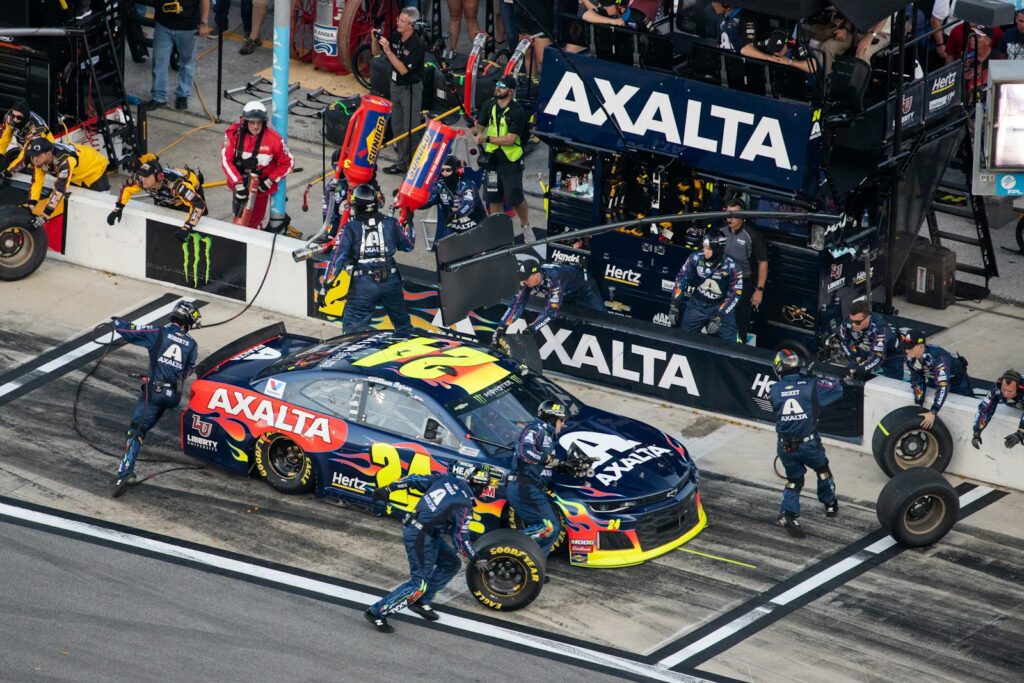
Testimony revealed the brutal economics underpinning the operations of a NASCAR team. Denny Hamlin labeled owners “professional fundraisers,” explaining 23XI Racing needed $45 million in sponsorship just to turn a slight profit. Owner Bob Jenkins from Front Row Motorsports testified that he had not turned a profit in more than two decades of competition.
Economic Issues in Teams
- The heavy reliance on sponsorships
- Thin or no margin of profit
- Operation costs on the rise
- Limited revenue sharing
- High financial risk
These disclosures painted an unflattering picture of a sport where competitive success did not ensure financial viability. This imbalance explained fully why teams called for reform, as passion could no longer sustain participation in the long run.
4. The Defense and Legacy Argument by NASCAR
Instead, NASCAR took its legal defense on heavy traditionalism and past success. The France family’s leadership an American success story was put in words by attorney John E. Stephenson, one built on risk and entrepreneurship. He argued that the charter system had already generated $1.5 billion in equity, and that the suit was a product of failed negotiations-not antitrust.
Key Defenses for NASCAR
- Historical success of the business
- Material creation of charter equity
- The voluntary team involvement
- Negotiation impasses
- Sport integrity protection
Evidence from the teams, however, tended to show otherwise. Financial data revealed NASCAR collecting hundreds of millions while most teams operated at a loss, fueling the argument that tradition alone could no longer justify the existing power imbalance.

5. The Emotional Price of the Process
The case quickly became deeply personal and was particularly hard to hear for Denny Hamlin. With his being the first witness, he became tearful immediately after describing his humble beginnings and the sacrifices his parents made for him. Michael Jordan sat in the courtroom, listening firsthand to the emotional baggage drivers carried who had dedicated their lives to the sport.
Human Stories Behind the Lawsuit
- Emotional testimony from drivers
- Family sacrifices revealed
- Personal financial stress
- Years of pent-up frustration
- The vulnerability in public view
These moments humanized the entire litigation, making this corporate dispute a story of perseverance. It really drove home how personal this fight for fairness had become for those whose livelihoods depended on the sport.
6. Formation of Jordan–Hamlin Partnership
Michael Jordan’s entry into being an owner in NASCAR came out of the blue. It was a chance meeting at a Charlotte Hornets game that led to a friendship based on a competitive spirit. Hamlin claims he is “shocked to find Jordan was a lifelong fan of the sport, watching races every Sunday”. That eventually led to the formation of 23XI Racing.
How 23XI Racing Was Born
- A chance meeting on the courtside
- The shared competitive mindset
- Mutual respect for the race.
- Jordan’s lifelong fandom
- Ownership vision
Their partnership melded star power with insider savvy. Jordan brought gravitas, capital, and visibility to the table; Hamlin brought racing acumen. Together, they defied assumptions about who could shape NASCAR’s future.
7. Respect from Experience
In fact, his respect for NASCAR’s drivers finally came full circle when he experienced a professional simulator. Even for the elite athlete Jordan once was, the surprise was physical intensity. Shaken and impressed after just ten minutes, he came away with the appreciation needed to handle a stock car through high speeds: skill and endurance.
Jordan’s New View
- Simulator intensity
- Physical strain realization
- Respect for driving skills
- Appreciation of complexity in racing
- More emotional investment
The experience stiffened Jordan’s resolve as an owner, reinforcing that drivers and teams needed more assistance. This just ramped up his commitment to fighting a system that he, by now, understood from both the inside and outside.
8. Settlement and Structural Victory
With massive financial and structural risks looming, both sides ultimately settled. NASCAR agreed to amend charter agreements to include evergreen provisions, giving teams the permanence they had long sought. Though financial terms remain confidential, the structural concession was a clear victory for the teams.
Key Settlement Outcomes
- Introduction of Evergreen Charters
- Reduced existential risk for teams
- Avoidance of billion-dollar damages
- Preserving the structure of NASCAR
- Path to collaboration
Jordan summed it up succinctly, referring to “level heads.” The agreement reflected mutual recognition that the growth of the sport required cooperation, not confrontation.
9. NASCAR’s Future in a New Light
This legal fight was a generational shift for NASCAR, a forcing of the 77-year-old institution to accept modern realities regarding professional sports ownership. In yielding rather than truly fighting, Jim France took an important step to recognize that such sustainability requires empowering teams as partners rather than subordinates.
Modernised governance model Competitive balance was improved Collaborative future vision With the focus returned to racing, teams now stand on firmer ground. This settlement reshaped the business foundation of NASCAR in such a way that future generations would receive a sport built on speed and tradition but with layers of fairness, sustainability, and shared success.