



NASCAR Unveils Major Overhaul for More Competitive Racing
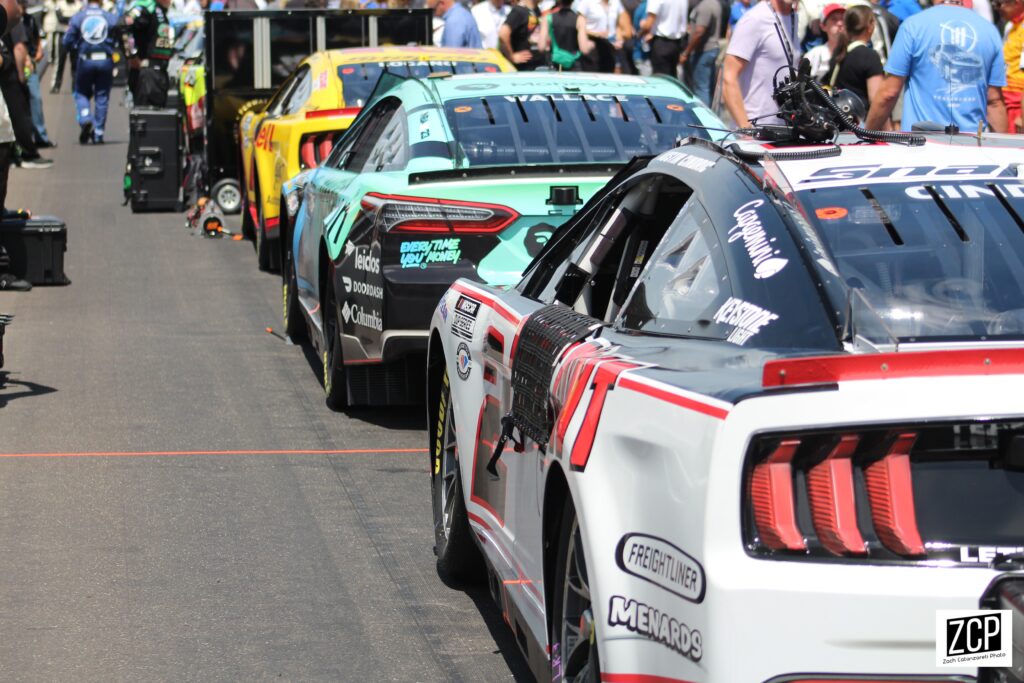
NASCAR reaches a defining moment as sweeping changes indicate a clear attempt to reshape the future of the sport. After years of debate among drivers, teams, and fans, the sanctioning body implemented a broad set of technical and sporting updates. These changes have been targeted at increasing competitiveness, enhancing safety, and restoring excitement by making races less predictable and more driver-driven across the schedule.
What This Overhaul Signals for NASCAR
- A renewed focus on driver skill and car control
- Increased responsiveness to team and fan feedback
- Structural rule changes, rather than surface-level tweaks
- Long-term planning beyond a single season
- A commitment to improving on-track entertainment
This renovation shows that NASCAR has come to understand that racing in the modern world requires change. As technology, fan expectations, and competition continue to develop at a high speed, relevance will only be maintained through bold decisions. These updates are not reactionary but strategic, touching nearly every aspect of competition. In balancing innovation with tradition, NASCAR is signaling it will adapt while protecting a spirit defined for decades.
1. Sport at a Pivotal Turning Point
The changes come during an intense internal debate about the quality of modern NASCAR racing. Rules and technical updates can flip performance, but many across the garage say deeper structural issues remain. The Next Gen car did bring immediate cost savings and parity, but it also raised questions about passing, driver influence, and race flow that are still discussed today.
Timing Matters More Than Ever
- Lingering dissatisfaction with on-track passing
- Rising pressure from veteran drivers and crew chiefs
- Increased fan scrutiny via social media
- Competitive global motorsports landscape
- The need to protect NASCAR’s long-term identity
This is more than a regulatory update; this is a philosophical juncture. NASCAR has to decide whether mechanical fixes alone can restore excitement or if deeper cultural shifts are required. The decisions made now will help shape how future generations experience the sport, from who competes to how races unfold and what success ultimately looks like in modern NASCAR competition.
2. Horsepower Returns as Headline Change for 2026
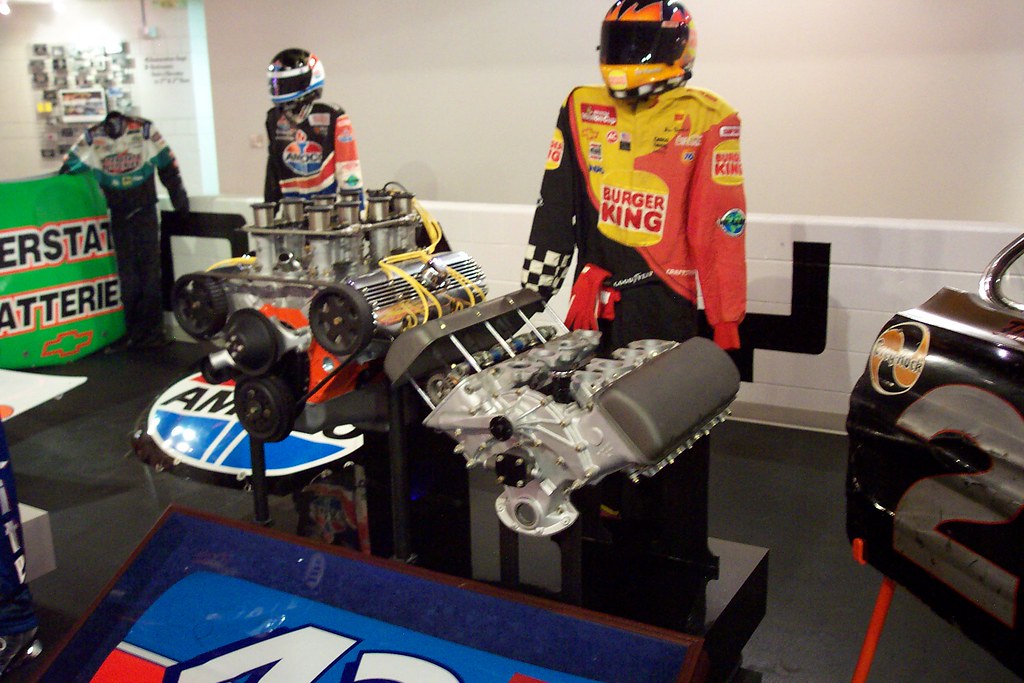
The most publicized update slated for 2026 is NASCAR’s decision to raise target horsepower from 670 to 750. This change will pertain to every Cup Series race at tracks 1.5 miles or shorter, along with road courses. Drivers have long contended that higher horsepower makes cars harder to handle, rewarding talent while raising tire wear and strategic variation.
Why more power changes everything
- Increased throttle control challenges drivers
- Greater tire degradation throughout runs
- Reduced aerodynamic dependence
- Expanded passing opportunities
- Higher physical and mental demands
This is almost a return to the basics of racing. In making more of the race dependent on the driver, NASCAR hopes to recapture that passion from years gone by. Higher horsepower invites mistakes, comebacks, and unpredictability, elements that consistently appeal to fans. While not a panacea, this move is widely regarded as an important step back to restoring competitive balance and excitement.
3. Aero Package Adjustments at Key Tracks
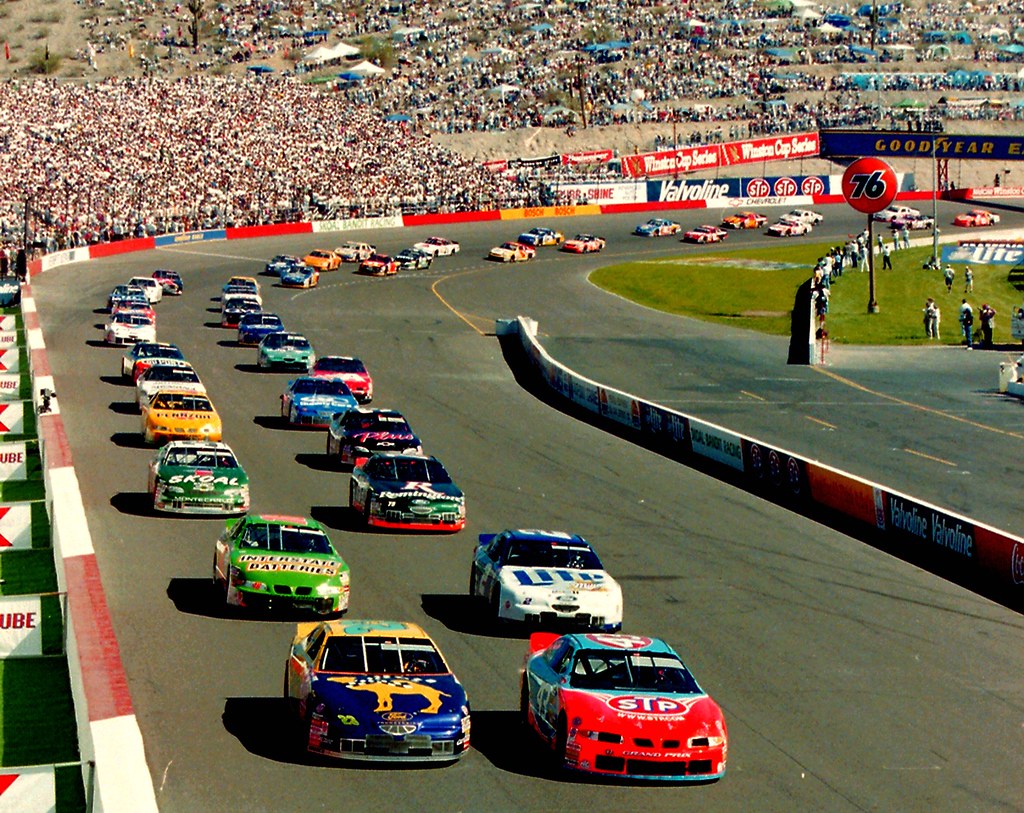
Complementing the horsepower bump, NASCAR also will implement the short-track and road-course aerodynamic package at five additional venues. Bristol, Darlington, Dover, Nashville, and World Wide Technology Raceway will move away from the intermediate aero setup. The short-track/road-course package includes a smaller rear spoiler, along with reduced diffuser strakes. Downforce intentionally is limited in this package to promote closer racing and side-by-side racing action.
Tracks impacted by the Aero Shift
- Bristol Motor Speedway
- Darlington Raceway
- Dover Motor Speedway
- Nashville Superspeedway
- World Wide Technology Raceway
NASCAR hopes to lessen the “follow-the-leader” effect that has frustrated fans by reducing aerodynamic grip. These changes force drivers to manage momentum rather than rely on clean air. Although results will vary by track, the overall intent is clear: create races where skill, aggression, and adaptability matter more than aerodynamic positioning alone.
4. Expanded Safety with A-Post Flaps
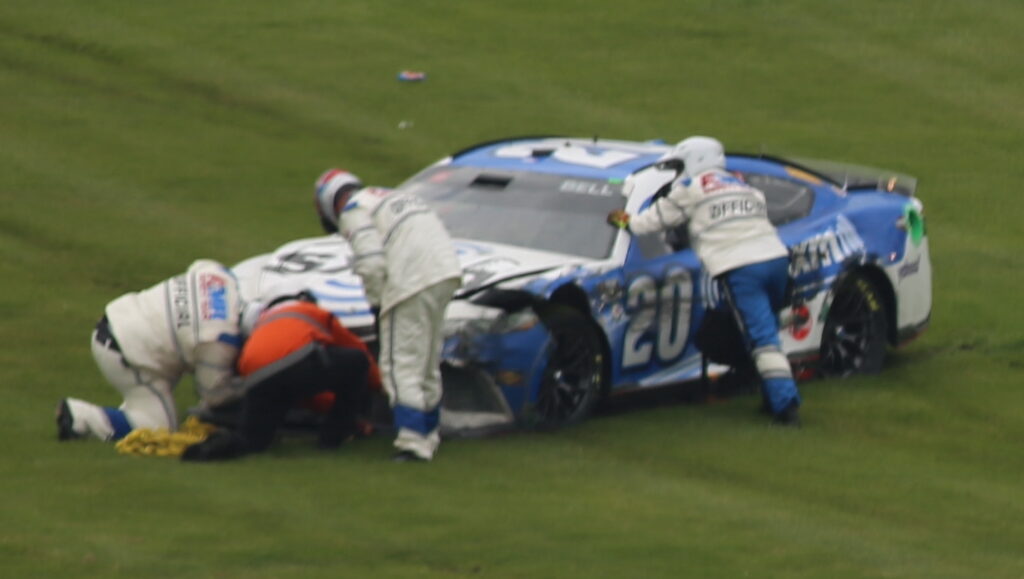
While the performance is on the rise, NASCAR has not forgotten safety as the series will make A-post flaps mandatory from 2026 onwards. These run alongside the windshield and assist roof flaps in preventing the cars from lifting into the air during high-speed spins. Following successful testing at superspeedways, officials felt the technology was reliable enough to be used across the board.
Why A-Post Flaps Matter
- Reduced lift during sideways spins
- Enhanced protection during violent crashes
- High-speed stability for cars
- Proven effectiveness in real-world incidents
This is a requirement showing NASCAR’s commitment to proactive safety innovation. With higher horsepower, so come increasing speeds, and so too must the safety systems. The A-post flaps are mandated so that excitement does not come at the cost of driver well-being, thereby reinforcing the trust between competitors and the governing body.
5. Visibility Updates Bolster Safety Oversight
In a small but meaningful refinement, NASCAR now requires the material beneath the A-post flaps to be bright orange. Previously, teams could choose any high-contrast color. The change allows officials and safety crews to instantly confirm flap deployment during incidents even in and amongst smoke and debris during chaotic multi-car crashes.
Advantages of Improved Visibility
- Faster visual confirmation for officials
- Improved response time for safety crews
- Clearer post-incident inspections
- Reduced ambiguity during reviews
- Better enforcement consistency
Cosmetic in nature, this update speaks volumes about NASCAR’s attention to detail. After all, racing safety depends as much on engineering as it does on clarity in the time of an emergency. Standardizing visibility assures NASCAR that safety systems will function under real-world conditions, where often every second may affect the outcome.
6. Encouraging New Manufacturers to Participate in NASCAR
Similarly, NASCAR has attempted to attract new OEMs by officially setting guidelines for OEM testing. These regulations establish a procedural means through which brands, interested in participating in NASCAR’s national series, can be admitted. Clearly defined constraints with timelines facilitate equality while minimizing ambiguity for would-be manufacturers who may make long-term investments.
Key OEM Testing Guidelines
- Maximum of three tests per new manufacturer
- Three affiliated organisations per test
- Two vehicles allowed per organization
- Testing limited to two consecutive days
This framework reaches a balance between opportunity and competitive integrity. Limiting these testing advantages protects existing teams while inviting new investment into the sport. Confirmation that RAM will enter the Craftsman Truck Series in 2026 shows these measures are already paying tangible dividends for the sport’s growth.
7. Damaged Vehicle Policy Gets a Practical Overhaul
Starting in 2025, NASCAR is modifying its Damaged Vehicle Policy in a bid to eliminate needless race eliminations. Until now, cars unable to return to pit road within the strict time frame were compelled to retire. Under this new policy, teams may move their car to the garage once the initial seven-minute pit-road limit has expired.
How the New Policy Helps Teams
- Eliminates arbitrary race-ending penalties
- Allows reasonable repairs without time pressure
- Keeps more cars on track longer
- Improves fan experience
Once in the garage, repairs can be done without time limits, provided the car meets minimum speed requirements. This pragmatic change puts competition first and makes the technicality no longer a reason minor damage has to end an otherwise promising day of racing, to the great relief of teams and fans alike.
8. NASCAR Tightens Rules on Race Manipulation
Concerns about race manipulation increased following a pair of controversial incidents involving manufacturer cooperation. NASCAR subsequently revised its Performance Obligation rule to spell out a ban on actions that prioritize objectives beyond the best possible competitive result. This edict covers drivers, teams, and manufacturers.
What the Revised Rule Enforces
- Prohibits the intentional manipulation of results
- Restricts coordinated manufacturer tactics
- Protects playoff integrity
- Establishes clearer accountability
- Supports fair competition
In support, a new penalty structure has been put in place, targeting OEMs. Potential sanctions include the loss of manufacturer points or reduced wind tunnel testing. It is an approach that directly addresses manipulation to begin regaining the trust in outcomes of races, reinforcing the notion that competition must always come first.
9. Smaller Adjustments That Refine Competition
The following are several other rule changes that will be instituted in 2025 to further adjust NASCAR’s competitive model. The Fastest Lap program now rewards one championship point to the driver who sets the quickest lap in each race. It encourages late-race pushes and strategic risks even for drivers out of contention.
Additional Competitive Updates
- Fastest lap earns championship points
- Clearer playoff waiver guidelines
- non-permissible absences forfeit points
- Consistent rule enforcement
- Improved championship clarity
NASCAR also made clear that drivers who miss races for non-approved reasons will forfeit accumulated playoff points. While this could be a disincentive for certain outside endeavors, it strengthens commitment to the championship. These adjustments have been done in an attempt to balance flexibility and equality across the competitive landscape.
10. Open Exemption Provisional Welcomes Global Talent
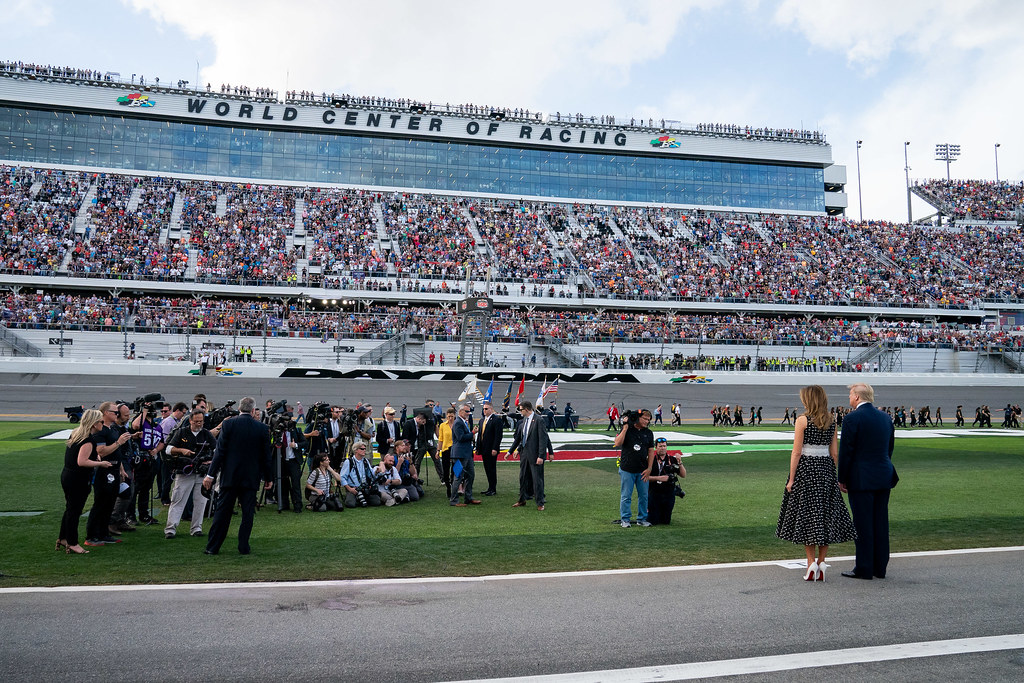
To lure international stars, NASCAR added the Open Exemption Provisional, which permits a 41st starting position in specific events. The stipulation provides entry for global-class drivers without disturbing the conventional qualifying process. Four-time Indianapolis 500 champion Helio Castroneves makes his debut under this rule in the Daytona 500.
Why the Provisional Matters
- Improves global visibility
- Attracts elite motorsports talent
- Enhances marquee events
- Maintains qualifying integrity
- Expands fan interest
The move reflects NASCAR’s desire to expand its reach without watering down the sport. Welcoming accomplished drivers from other disciplines adds fresh storylines and new audiences to races while enriching the biggest events of the sport without compromising the competitive standard.