





The Rocket-Powered 727: How Mexicana Solved High-Altitude Takeoffs
Oh man, picture this: you’re a kid in the ’70s, glued to the window at Mexico City’s airport, watching planes lumber down that super long runway on a scorching day. Suddenly, one of those shiny Boeing 727s you know, the ones with three engines tucked under the tail like a weird T-bird roars off with what looks like fireworks exploding out the back. No, not some military test gone wrong; it was Mexicana Airlines’ secret weapon for beating the brutal “hot and high” physics of places like Benito Juárez International. I first stumbled on this tale flipping through old aviation mags in my grandpa’s garage he was a pilot who swore by the 727’s grit and it blew my mind. Strapping rockets to a commercial airliner? That’s the kind of bold, seat-of-your-pants engineering that makes aviation history so darn fun. Boeing didn’t do it for speed records or sci-fi thrills; it was pure pragmatism to let Mexicana fly full loads without skimping on safety.
These weren’t your everyday jets. The Boeing 727-200, especially the beefed-up Advanced version, was a stretched workhorse built to haul more folks after the shorter 100 proved a hit. But slap on extra weight, crank up the altitude to 7,000 feet like Mexico City, and bake it under summer sun, and those Pratt & Whitney JT8D engines start gasping in the thin air. Wings grab less lift, jets gulp less oxygen it’s why “hot and high” airports like Denver or La Paz have runways that stretch forever. Mexicana, serving a web of these tricky spots, faced a nightmare: derate payload for engine-out scenarios post-V1 (that point of no return on takeoff), or leave seats empty and cargo bins half-full. Losing money on every flight? No thanks. Enter JATO Jet-Assisted Take-Off solid-fuel rockets tucked discreetly in the tail, factory-built into just 12 birds, all for one airline. It was a footnote in Boeing’s ledger, but a legend among pilots who whispered about the “rocket ships.”
1. The Boeing 727: A Trijet Legend Born for Tough Routes
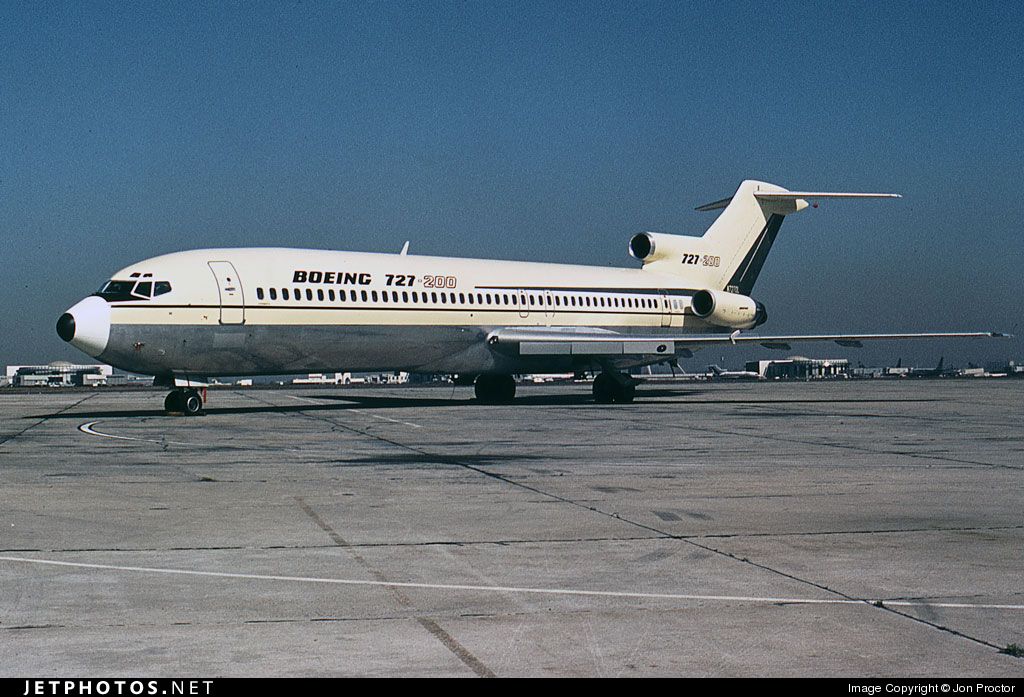
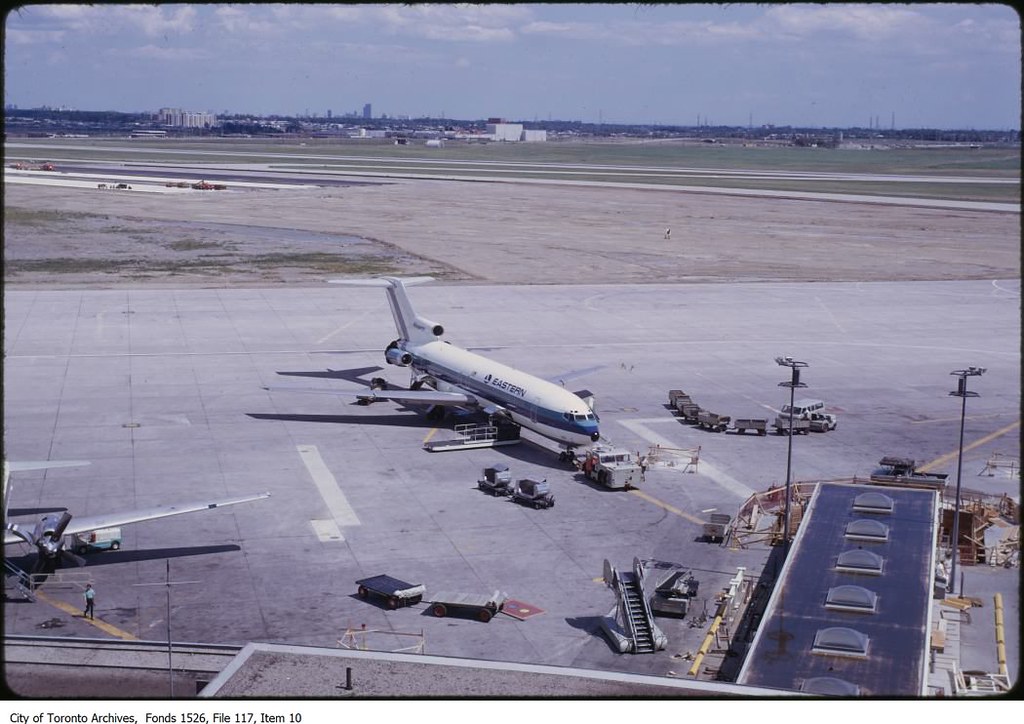
Back in the ’60s, Boeing dreamed up the 727 as the ultimate short-field hauler, perfect for stabbing into city airports with stubby runways. Three engines two sidewinders and one sucking air through that funky S-duct under the tail gave it thrust where twins faltered. The -100 kicked off in ’64, but airlines clamored for more seats, birthing the -200 stretch in ’70. I remember my uncle regaling us at family barbecues about flying these beasts; he’d say they felt like “a pickup truck with wings,” reliable but demanding respect. By the time Mexicana eyed them, over 1,800 were zipping around, from FedEx freighters to Eastern’s shuttle runs.
The 200 Advanced, rolling out mid-’70s, packed upgraded JT8Ds with about 17,000 pounds of thrust each hotter than the originals. Fuel tanks grew, max takeoff weight climbed to 210,000 pounds, stretching range to 2,500 nautical miles. Yet for Mexicana, even these powerhouses hit walls at high spots. Thin air saps 20-30% power; one engine quits mid-roll, and you’re clawing for altitude with flaps dragging and gear up. Payload cuts were brutal think 20-30 empty seats on a 189-passenger bird. That’s why Boeing offered a wild option: JATO bottles for emergency oomph, letting full loads depart without prayer.
Core Features of the 727 Workhorse
- Trijet layout: Three rear engines for STOL ops, ideal for 5,000-ft runways.
- Swept wings: 32-degree angle, high-lift slats/flaps for low-speed punch.
- S-duct intake: Fed center engine efficiently, balanced yaw in engine-out.
- Capacity boost: -200 held 189 pax vs. -100’s 125, with cargo doors.
- Rugged build: Reinforced gear for gravel strips, served cargo haulers decades.

2. Hot and High Hell: Physics That Grounded Full Flights
Imagine Mexico City’s 7,322-ft elevation on a 95°F day density altitude skyrockets to 10,000 feet equivalent. Air’s like soup for wings and jets; lift drops 25%, thrust maybe 15-20%. Runways stretch to 13,000 feet there for a reason. Places like Toluca (8,800 ft) or even La Paz, Bolivia (13,325 ft), were Mexicana staples. Early -200s, heavier but same engines as -100s, were “short on the stick,” as pilots griped. Reddit threads from old Mexicana mechanics echo this: they’d offload fuel or pax just to clear obstacles on one engine.
For airlines, it was economics vs. safety regs. FAA/ICAO demand climb gradients post-V1 engine failure say, 2.4% for twins, similar for tris. Derate to meet it, or innovate. Mexicana’s network screamed for full pax/cargo; empty seats meant red ink in a cutthroat era. Boeing’s fix? JATO proven military tech from WWII bombers, now commercialized. Not routine boosters like Fat Albert’s C-130 demos, but one-shot emergency rockets firing only if disaster struck mid-takeoff.
Challenges of High-Altitude Ops:
- Thin air penalty: Less O2 for jets, 1% power loss per 1,000 ft.
- Longer rolls: Need 20-50% more runway for rotation speed.
- Engine-out margins: Must climb 200-300 fpm over obstacles.
- Summer derates: Hot days add 1,000-2,000 ft effective altitude.
- Payload hit: 10-20 tons off max gross for safety buffers.

3. Meet Mexicana Airlines: Pioneers of Mexico’s Skies
Mexicana de Aviación, born 1921, was Mexico’s flag carrier, jetting Comets by ’60, 727s by ’66 first outside USA. By ’70s, 51 727-200s in fleet, largest non-US operator. Colorful tails nodding to regions, they linked Mexico City to high hubs like Guadalajara (4,900 ft), Monterrey, even Andean routes. Phased 727s in 2003, but those 12 JATO specials? Delivered late ’70s-early ’80s, likely ex-Braniff plans rerouted. Tragically, one (XA-MEM) crashed in ’86 as Flight 940 tire explosion, not JATO-related Mexico’s deadliest.
These birds weren’t weaklings; Advanced models with JT8D-17s. JATO was insurance for max gross from Benito Juárez, where summer takeoffs bordered limits. Old timers on forums recall “literal rockets,” swapped post-use, pricey but payload-savers. Mexicana’s bet paid off till engine evos obsoleted them.
Mexicana’s High-Altitude Network:
- Mexico City (MEX): 7,300 ft, primary hot/high hub.
- Toluca (TLC): 8,800 ft alternate, longer runway needs.
- Puerto Vallarta: Coastal but humid/hot challenges.
- Andean extensions: Bolivia ties demanded climb prowess.
- Fleet scale: 70+ 727s total, JATO dozen special.
4. JATO 101: Rockets Rescuing Commercial Jets
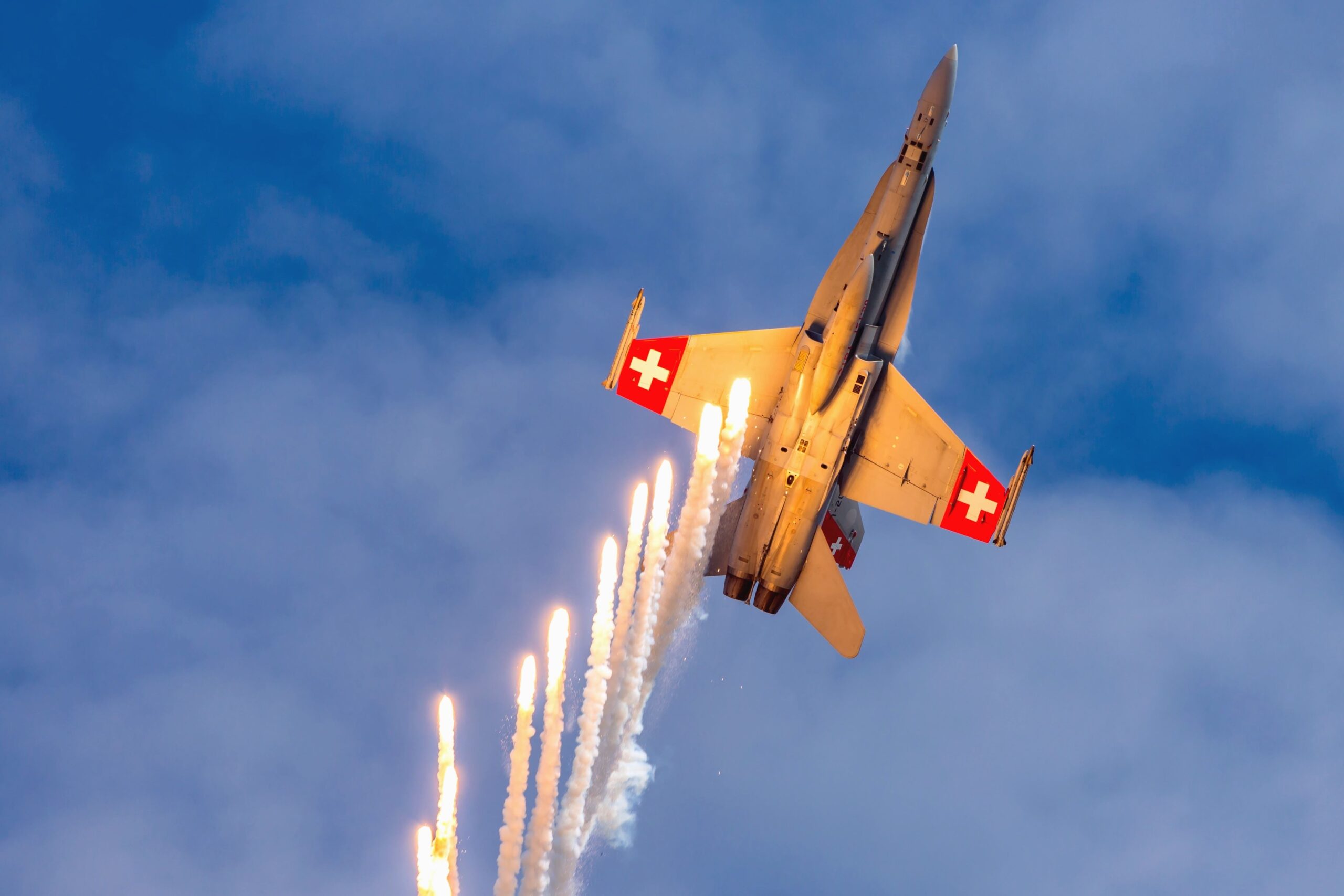
There’s something undeniably thrilling about the idea of rockets on a passenger plane, isn’t it? I remember watching old footage of military planes blasting off with JATO bottles and thinking how wild that looked like cheating physics for a few glorious seconds. But for Mexicana’s Boeing 727-200s, it wasn’t about spectacle; it was a calculated engineering hack born from necessity. JATO, short for Jet-Assisted Take-Off (sometimes called RATO for Rocket-Assisted), traces its roots back to World War II, when overloaded bombers needed that extra kick to clear short runways or carriers. Solid-fuel rockets, basically big fireworks with serious thrust, would ignite for 10-15 seconds, dumping thousands of pounds of instant power.
In the 727’s case, Boeing tucked these bottles neatly into the lower aft fuselage, right behind the wing roots no ugly external pods dragging through the air on normal flights. The system was fully integrated from the factory, with plumbing and controls routed cleanly. Pilots could arm it before takeoff if conditions screamed “tight margins,” but ignition was manual or tied to engine failure detection post-V1. That burst wasn’t for routine rolls; it was the ace up the sleeve for when one engine quit and the plane, heavy with fuel and passengers, needed to claw skyward from a scorching high-altitude strip. It bridged the gap until the jet got “clean” gear up, flaps retracting and could climb on remaining power.
How JATO Packs Delivered the Boost:
- Solid-fuel rockets → 10-15 second burn, massive instant thrust.
- Internal mounting → Aft fuselage, no aero drag normally.
- Emergency activation → Post-V1 engine failure trigger.
- Single-use bottles → Replaced after firing, like ammo.
- Thrust output → 5,000-10,000 lbs extra, game-changer.
5. Factory-Built Marvel: Spotting the 727-200/JATO
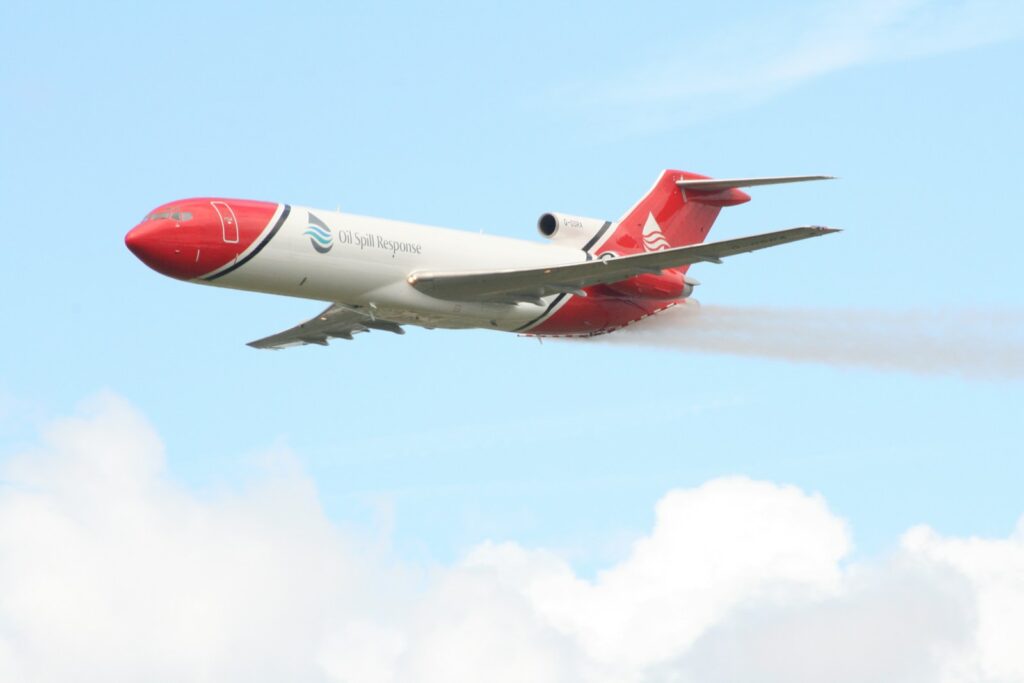
What blows my mind is how subtle Boeing made this rocket capability you’d walk past one on the ramp and never guess it had fireworks in the tail. Only twelve 727-200 Advanced models got the JATO provision, all built specifically for Mexicana in the late 1970s and early 1980s. These weren’t the early underpowered stretches; they packed the hotter JT8D-15 or -17 engines, bigger fuel capacity, and higher max weights. The rockets were pure insurance, letting them haul full loads up to 189 passengers plus cargo from places where physics usually demanded cuts.
The giveaway? That innocent-looking dorsal fairing, a shallow hump on the fuselage top just forward of the #2 engine intake. Most folks thought it was a strength brace, but nope it housed rerouted air conditioning ducts and avionics wiring displaced by the JATO installation inside. Spotters geek out over this detail in photos; it’s the secret handshake of these rare birds. Serial numbers like XA-MEX or XA-RZU carried the mod, and a few survived into museums or parks, still wearing faded Mexicana colors.
Key Identifiers of JATO-Equipped 727s:
- Dorsal fairing hump → Ahead of center engine, duct rerouting.
- Just 12 built → All for Mexicana, Advanced models.
- Hotter engines → JT8D-17 series, higher baseline thrust.
- Clean exterior → No visible pods, internal only.
- Rare survivors → Some preserved, like XA-RRA in Mexico.
6. Emergency Lifeline: Firing Rockets Mid-Takeoff Drama
Picture the scene: Mexico City on a blazing afternoon, runway stretching forever, a packed 727 thundering down the concrete. Everything normal until bam one engine flames out just past V1. No stopping now; you’re committed. In a standard bird, you’d be sweating climb gradients, maybe dumping fuel later. But in Mexicana’s JATO specials? The captain flips the arm switch, hits ignite, and whoosh a roaring inferno erupts from the tail as rockets light. Passengers feel a kick in the back, see flames if they’re lucky with a window, and suddenly the jet surges upward like it’s got divine help.
That 10-15 second burn was precisely engineered to push the heavy jet through the danger zone: accelerating to cleanup speed, retracting gear and flaps, establishing positive climb over surrounding mountains. Once spent, the bottles jettisoned or stayed put (depending on design), and the plane flew on like any other trijet. Crews trained for it in sims, but real uses were rare mostly because the margin it provided meant fewer heart-stopping moments overall. It turned potential money-losers into reliable profit-makers, all while keeping safety rock-solid.
Critical Moments in a JATO Save:
- V1 exceedance → Commit to fly, no abort option.
- Engine failure → Immediate yaw, thrust asymmetry.
- Rocket ignition → Instant surge, roar and flames.
- Cleanup phase → Gear/flaps in, safe climb rate.
- Normal ops resume → Rockets spent, conventional flight.

7. The Twilight of Rockets: APR Engines Steal the Show
You know how technology marches on, right? One day you’re strapping literal rockets to a jetliner because that’s the best fix engineers can come up with, and the next, a software tweak inside the engines makes the whole fireworks show unnecessary. That’s exactly what happened in the late 1970s with Pratt & Whitney’s JT8D family. They rolled out upgrades like the -15, -17, and -17R series that not only packed more baseline thrust but introduced this clever feature called Automatic Power Reserve, or APR for short. I love how it sounds so understated like “oh, just a little reserve power, no big deal” when it was a total game-changer for trijets and twins alike.
APR worked its magic by constantly monitoring the engines during takeoff. If it sensed a failure in one (through sudden drops in N1 or N2 speeds), it automatically commanded the remaining engines to spike their thrust by 10-15%, squeezing out extra power through higher fuel flow and temperature limits that were safe for short bursts. No rockets to maintain, no bottles to swap after use just smarter electronics and hydraulics doing the heavy lifting internally. For Mexicana, this meant they could phase out the JATO systems as newer engines retrofitted the fleet. By the early 1980s, the rocket era faded quietly; those special provisions gathered dust or got removed. It was progress in its purest form: brute force replaced by finesse, costs down, reliability up.
Rise of Engine Smarts:
- APR activation → Auto-detect failure, boost survivors instantly.
- Thrust gain → 10-15% extra from remaining JT8Ds.
- No hardware add-ons → Pure software/fuel control upgrade.
- Fleet-wide retrofit → Obsoleted JATO by mid-1980s.
- Quieter & efficient → Later variants reduced noise too.
8. Legacy and Lessons: Why JATO Matters Today
Looking back, those twelve rocket-equipped 727s feel like a quirky detour in aviation history, but they pack some serious lessons. In an age before super-efficient high-bypass turbofans dominated, engineers weren’t afraid to think outside the box literally bolting on military tech to solve a commercial headache. Mexicana got years of profitable full-payload ops out of high-altitude hubs that would’ve otherwise bled money. It proved airlines could demand custom solutions from Boeing, and Boeing would deliver, even if it was for a tiny batch.
Today, with climate concerns and electric dreams, folks on aviation forums sometimes muse about reviving assisted takeoff for short-runway eVTOLs or hybrid jets. But the real legacy is in margins: JATO bought safety buffer without cutting corners, echoing modern FADEC systems or ETOPS rules that let twins fly long-haul. Spotters still hunt photos of that dorsal fairing, and preserved 727s (even non-JATO ones) remind us of the trijet’s grit. In a world of A320s and 737s, it’s a nod to when flying was rawer, bolder.
Enduring Impacts:
- Custom engineering win → Boeing tailored for one client.
- Safety margin boost → Full loads without risk trade-offs.
- Pilot stories live on → Forums full of “rocket ship” tales.
- Bridge to modern tech → Precursor to auto-thrust reserves.
- Nostalgia fuel → Avgeeks cherish the rarity.
9. Broader Aviation Ingenuity: From JATO to Jets
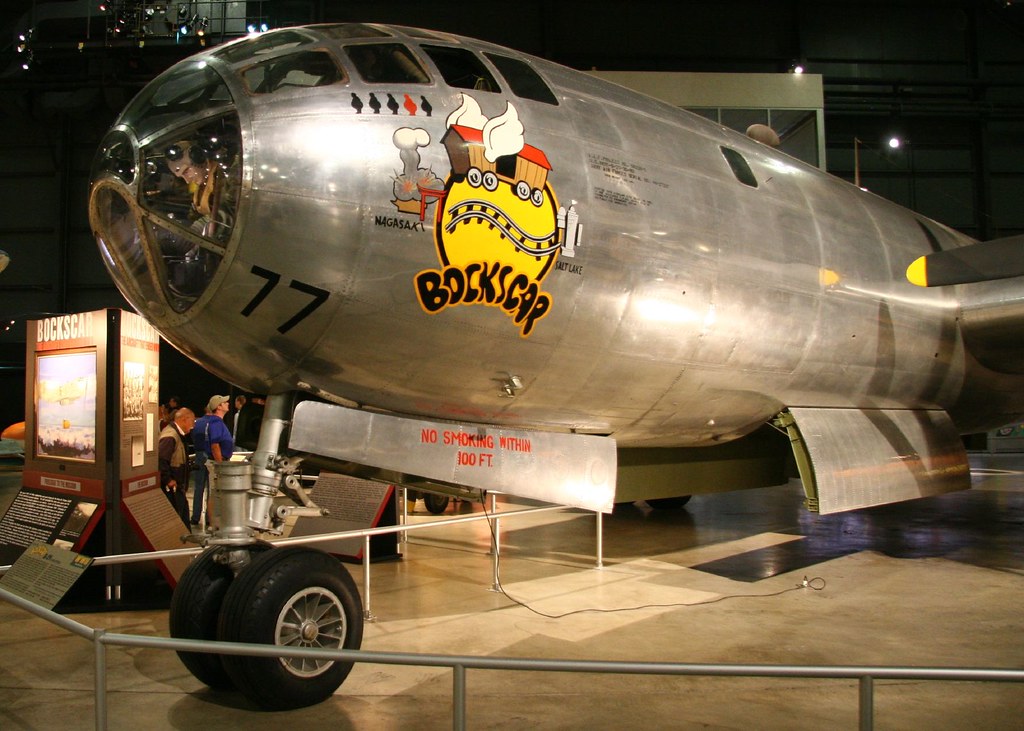
JATO wasn’t born with the 727 it has deep military roots that make the Mexicana story even cooler in context. Back in WWII, overloaded fighters and bombers on Pacific islands or aircraft carriers desperately needed help clearing short strips, so solid-fuel rockets became standard. Think P-47 Thunderbolts or B-29s blasting off with flames trailing pure adrenaline. Post-war, it stuck around for transports; the C-130 Hercules “Fat Albert” still wows airshow crowds with dramatic JATO departures, rockets screaming as it climbs like a homesick angel.
Commercial trials popped up too Douglas tested on DC-9 prototypes, but regs and costs kept it rare. The 727 was the only production airliner to fly passengers with factory JATO. As turbofans grew throatier and runways longer, the need vanished. But echoes linger: today’s hybrid-electric concepts or ground-based catapults for drones nod to that same “give ’em a kick” spirit. Aviation’s always been about hacking physics just enough to make the impossible routine.
Historical JATO Parallels:
- WWII origins → Boosted fighters/bombers off carriers.
- C-130 demos → Blue Angels’ Fat Albert spectacle.
- Other tests → DC-9 prototypes, rare commercial flirt.
- Military mainstay → Korea/Vietnam era transports.
- Future echoes → Electric assists in eVTOL designs.

10. Wrapping the Rocket Tale: Aviation’s Daring Spirit
So here we are at the end of this wild ride a commercial jet with rockets in its tail, built not for speed stunts but to conquer altitude and heat without leaving money on the table. Mexicana’s dozen JATO 727s flew reliably for years, then bowed out gracefully as smarter engines took over. It’s a perfect snapshot of aviation’s golden tinkering era: problems met with bold, practical fixes rather than endless committees.
Whether you’re an avgeek poring over old photos of tail flames or just someone who loves stories of human ingenuity pushing metal into the sky, this tale reminds us why we fly. Next time you’re at a high airport watching a heavy jet lumber skyward, spare a thought for those unsung rockets that once made it possible. Aviation keeps evolving, but that daring spirit? Timeless.
Takeaways for Aviation Fans:
- Ultra-rare variant → Only 12 ever built, all one airline.
- Safety + profit → Enabled full ops in tough spots.
- Tech evolution → Rockets to intelligent engines.
- Hunt the evidence → Dorsal fairing in old pics.
- Inspiration → Bold fixes beat compromises every time.