






Senior Driving Safety: Recognizing the Signs to Hand Over the Keys
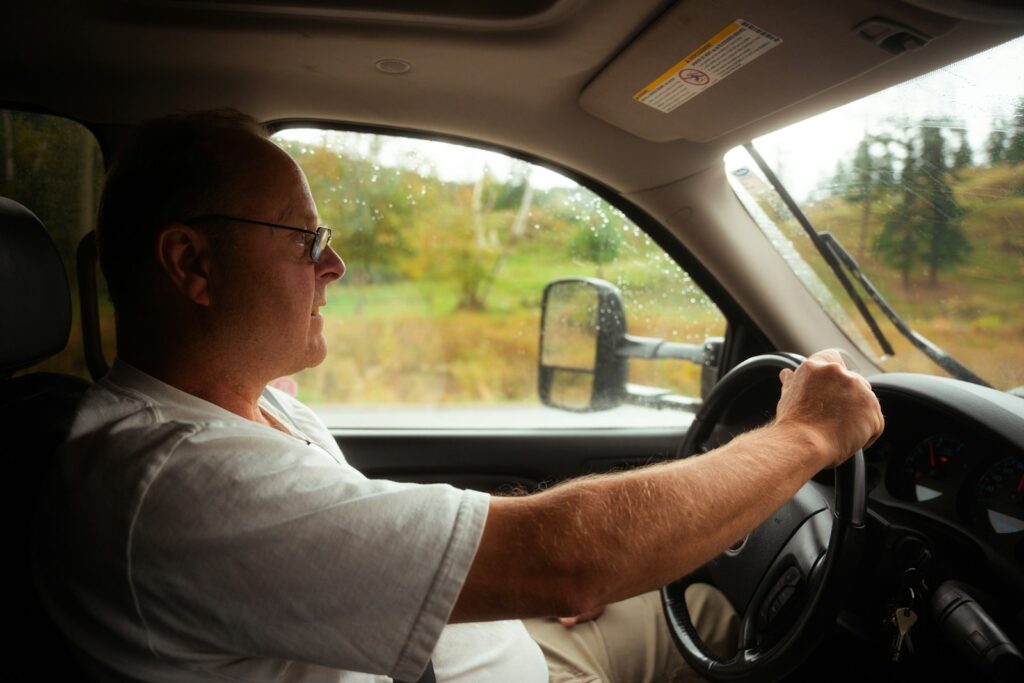
A driver’s licence is often thought to represent freedom, independence and personal achievement for many people. We drive in order to control when we come and go, how much time it takes us to get places, and other facets of our lifestyle, it is bred deeply into our lives. The idea of losing that freedom can feel overwhelming, stirring up feelings of loss, vulnerability and fear about what comes next. It’s not just about mobility, it is about identity and independence.
Why Letting Go Feels Hard
- Driving is linked to independence
- Fear of being alone can be provoked by loss
- Independence feels compromised
- Sentiment for the car itself
- Family worries heighten tension
It can be a difficult transition for the driver and their families. The driver, even if he underestimates his risk, must be balanced with empathy for family. Discussions about driving cessation tend to evoke defensiveness or sadness, so compassion and patience are necessary throughout the conversation.
1. Knowing the Risks of Getting Older on the Road
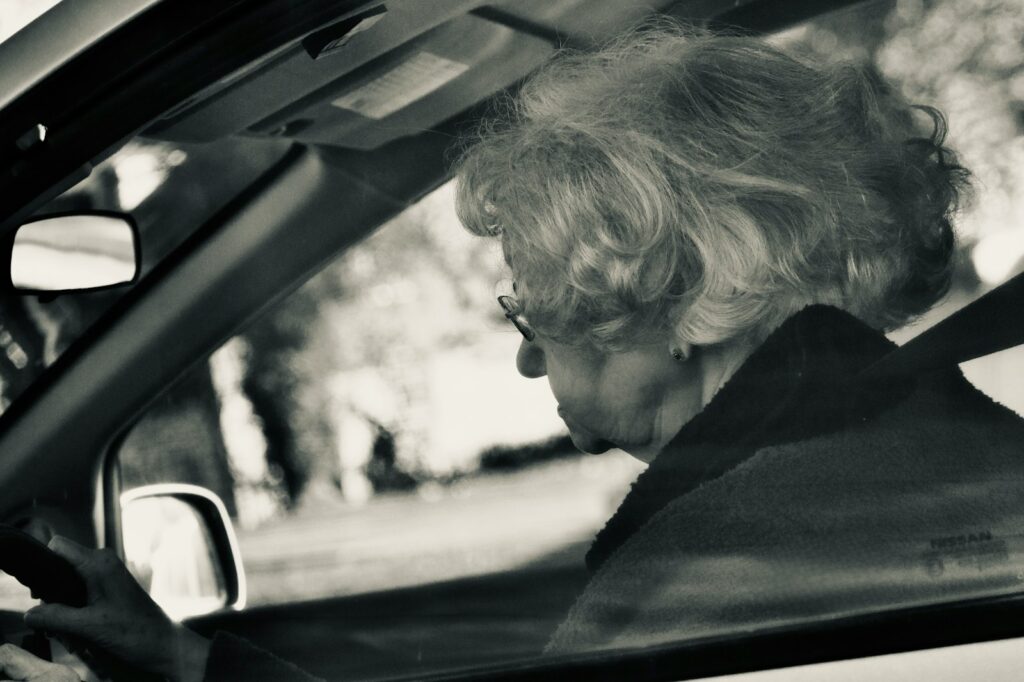
There are natural, physiological changes to the body and mind that can hinder driving performance as we grow older. Reaction times may become slower, vision may decline, multitasking becomes more difficult. These alterations dramatically enhance the risks of accidents. Currently, older adults (65 and above) killed or injured in motor vehicle crashes total about an average of 20 deaths a day and 540 injuries a day indicating the significance of proactive monitoring of driving : ability.
Though families must be vigilant, they should continue to trust in and uphold dignity. Observing driving behavior, discussing openly and addressing concerns early can all be useful pathways to avoid accidents while promoting safe travel for older adults.

2. Early Warning Signs on the Vehicle
One of the earliest signs driving skill may be diminishing could show up on the car. Lots of dents, small dings and unexplained scratches can indicate a problem with estimating distances or spatial relationships. Damage to nearby property, like mailboxes, fences or garage doors is an indication that the driver could be having difficulties controlling their vehicle.
“These are things you can point to.” These visible markers, however small they may be, could provide some tangible proof for broaching conversations gently. By monitoring patterns you can work out whether these occurrences were a one-time event or are indicative of something larger to come.

3. Cognitive and Navigation Challenges
Cognitive shifts become apparent at the wheel. Drivers can get lost on familiar routes, make wrong turns they’ve taken for years and grapple with complex intersections and roundabouts. Their confusion can also manifest as veering between lanes erratically, changing lanes abruptly or disregarding traffic lights and road signs, all of which may create hazardous driving conditions.
Cognitive Signs to Watch For
- Getting lost on familiar routes
- Confusion at intersections
- Difficulty following traffic signs
- Straddling or drifting across lanes
- Sudden, unexplained lane changes
Families can offer support and maintain dignity if the warning signs are recognised early. Conversation and medical evaluation to address cognitive decline, along with training for driving, can assist in keeping the driver safe from harm without unnecessary contention.

4. Observing Driving Habits
Watching actual driving behavior can also be an additional tool. Sudden stops can also trigger issues, as can jerking acceleration, or stopping in strange spots. Another red flag is when driving in a way that is significantly below the speed limit; this indicates lack of confidence or delayed decision-making, both potential hazards for the driver and others around them.
These types of issues are generally far easier to follow, since they’re not esoteric concerns. They provide clear examples for family members to discuss when broaching these difficult conversations about driving safety.

5. Physical Limitations Impacting Driving
There are also physical changes, such as the loss of vision, weakening of muscles or stiffness in joints, that can make driving difficult. As we age, our eyes need more light and for night driving, seeing becomes difficult to impossible. Also, limited mobility may make it hard to check blind spots or execute common driving manouevres that further exposes you to risk of accident.
Physical Challenges to Consider
- Diminished night vision
- Reduced peripheral vision
- Stiff neck or shoulders
- Weak leg muscles for braking/accelerating
- Difficulty steering or turning
Awareness of these limitations may help families to address practical solutions, like shifting driving times, refraining from night trips or using adapted helpers before approaching driving cessation.
6. Emotional and Social Indicators
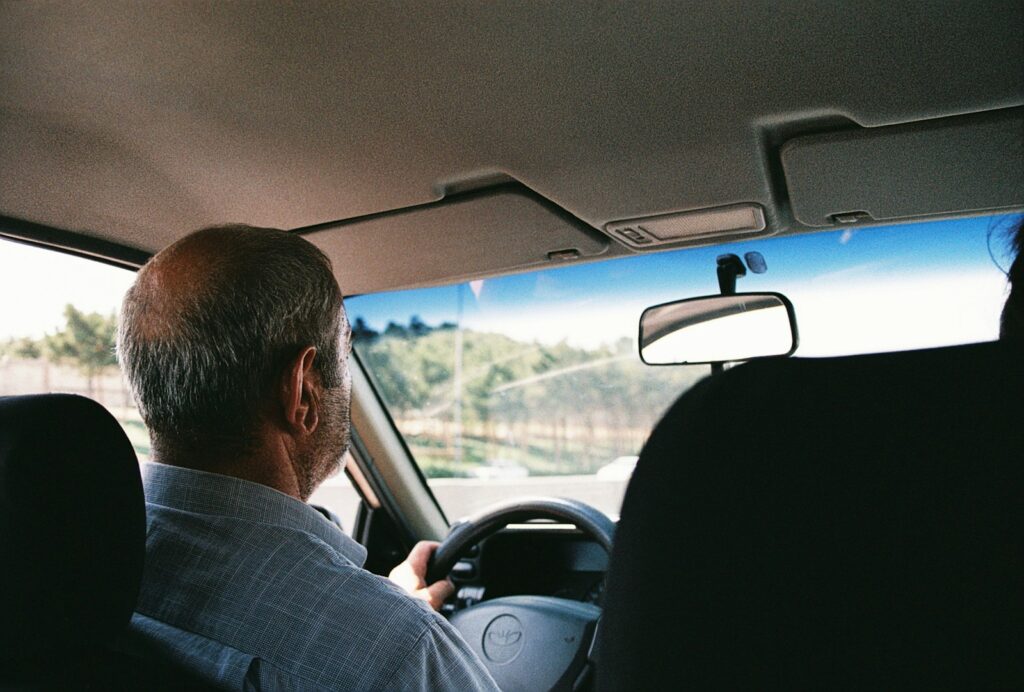
Signs that it may no longer be safe Typically, some of the earliest indications that driving may no longer be safe are emotional cues. Family or neighbours, and/or grandchildren may be afraid to ride in the vehicle. Self-regulation, refusal to drive at night, on highways, along greater distances, can also be an indicator of recognising one’s decreasing capacity without having voiced concerns.
These are the kind of voices we need to hear in order to begin talking about safety and not control. 10 Emotions can signal insights that would be overlooked by cognitive or physical examinations only.

7. Initiating the Conversation
Broaching the subject about sacrificing that driving independence demands empathy and understanding. The focus of the approach ought to be love and concern, centered on safety rather than judgment. To make the conversation about protecting the driver and others rather than safeguarding against a villain makes people less defensive, and more open to discussing things.
Tips for Sensitive Conversations
- Approach with empathy
- Focus on safety, not control
- Use specific observations as examples
- Allow time for processing
- Avoid confrontation or guilt
The idea here is to make the driver feel valued and listened to. Open the dialogue to facilitate a joint approach in planning for transition procedures so that acceptance and cooperation can be better anticipated.
8. Professional Assessments
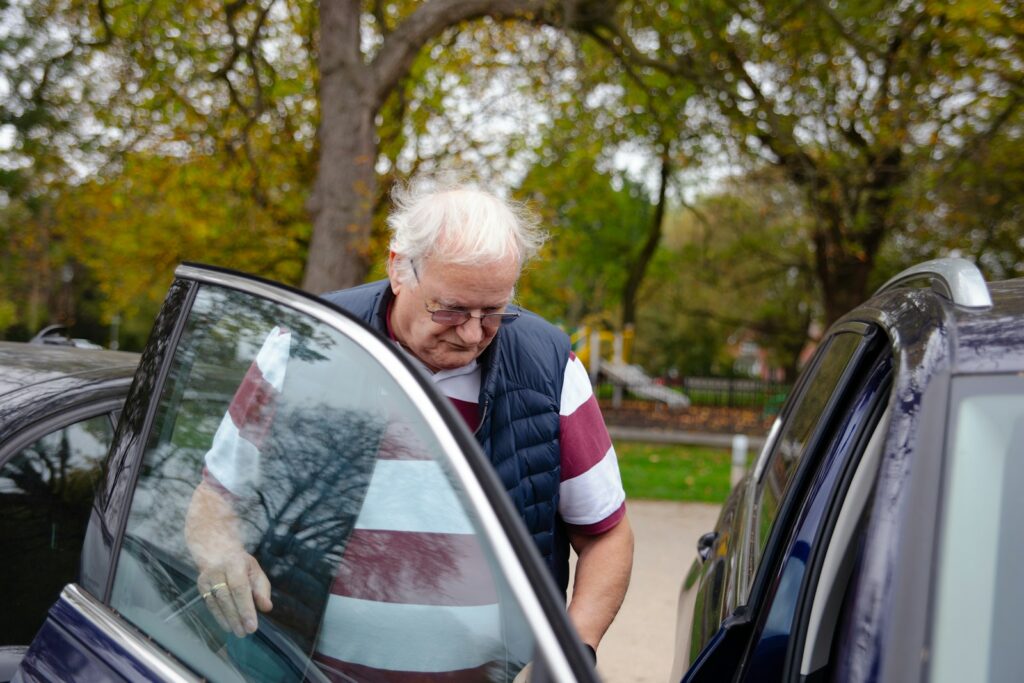
In many cases objective assessments can serve to confirm feelings without generating confrontation. Professional driving assessment through the DMV or senior focused programs offer objective information about driving skills. Courses available from organizations like AAA or AARP can provide a refresher on skills and bolster safe driving practices while offering families an unbiased starting point for discussion.
Professional assessments also empower senior citizens to be part of the process and delve into those risks in a way that is focused on everyday practicality and not just theories.
9. Structured Support Programs
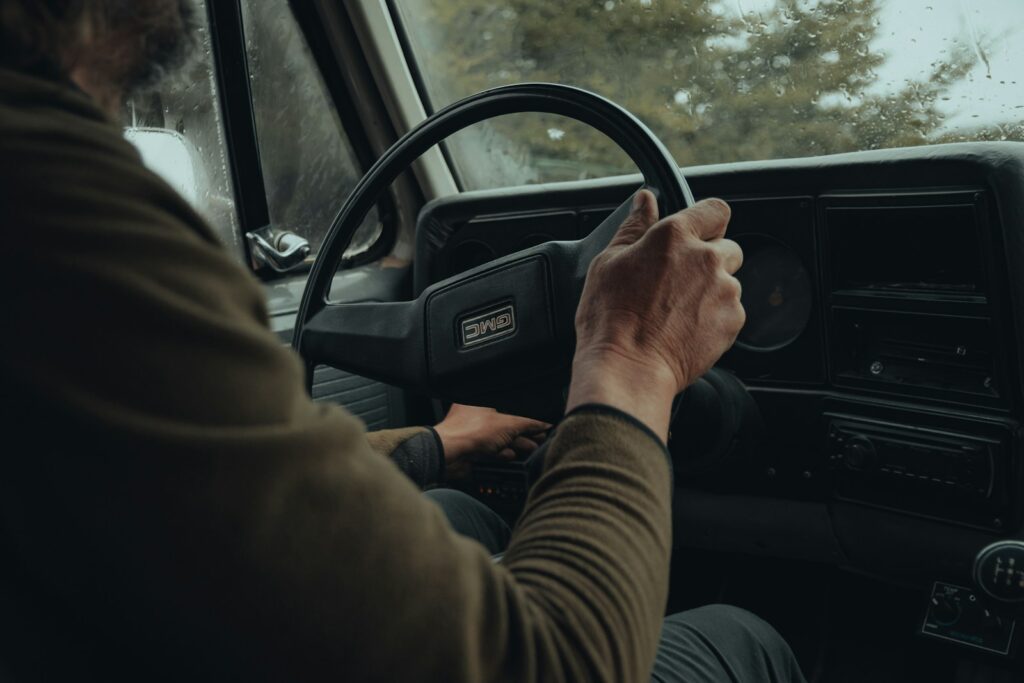
For families looking for direction, programs like Beyond Driving with Dignity provide one-on-one assessments and planning. Counseling these programs, commonly facilitated by former law enforcement or guiding professionals, offer nonjudgemental effective routes to switch from driver to rider without stigma or argument.
Advantages of Support Programs
- Personalized risk evaluation
- Step-by-step planning
- Maintains dignity and respect
- Guidance for families
- Professional advocacy for safe transitions
Leveraging these resources, families are able to make the difficult decisions, and the elderly remains connected to their community enjoying independence in other ways.

10. When Intervention Becomes Necessary
And some drivers, even after warnings, remain unwilling to accept the risks. In those instances, families may have to resort to alerting the DMV of unsafe driving. This should be a last resort, but it is important when both personal and public safety are at risk.
Safety-related decisions may be tough choices, but making them timely can avoid accidents and provide everyone involved and the driver especially with dignity.

11. Life After Driving: Independence Reimagined
Just because you give up driving doesn’t mean you have to give up independence. Older adults can stay mobile by taking advantage of other forms of transport, such as public transit, senior shuttles or ride services. There is also the convenience of delivery services and technology that make it possible to keep on pushing through life with very little difficulty.
This is not an end but a transition to a more secure and supported independence. When it comes time to give away the keys, take a moment to find some new paths to connect, engage and live fully by putting safety, dignity and quality of life first.