



Ford’s Strategic Reset: Discontinuing Popular SUVs and Pivoting Towards an Affordable Electric Future Amid Market Shifts

Ford’s changing direction fast two gas-powered SUVs, the Escape and Lincoln Corsair, won’t be made past 2025. Still, stock should last through mid-2026, so buyers won’t feel it right away. But this isn’t just about stopping old models; instead, factories will switch gears to build cheaper EVs soon after. That pivot could give Ford an edge as car tech keeps shifting quick.
The move to drop the Escape and Corsair comes straight from Ford pouring $5 billion into revamping its Louisville, KY factory. Instead of old models, the site’s getting switched over to handle a fresh modular system for electric cars. They’re calling it their “Universal EV Production System,” meant to simplify how EVs are built. By doing this, production becomes faster while cutting costs super important as demand grows for cheaper electric vehicles.
When these models go away, shoppers will need to think differently. Not just the Escape but also the Corsair have pulled in first-time buyers for Ford and Lincoln. Take the 2025 Escape it kicks off at a reachable $29,515. Meanwhile, the 2025 Corsair, seen as Lincoln’s most affordable SUV, opens at $41,230. Losing them means Ford has to rethink how people get started with their SUVs.
Buying Opportunities and Consumer Considerations
Car shoppers who know the market think stopping these models might mean big deals for sharp buyers. According to Kevin Roberts, who tracks trends at Car Guru, when carmakers halt a model, interest usually drops off. That means those cars tend to stick around on dealership lots more weeks than usual, so sellers often boost rebates or cut prices just to move them out fast before next year’s lineup arrives.
Still, that chance won’t last forever so says Ivan Drury from Edmunds. Car shoppers should plan smart instead of holding out for some perfect offer. According to him, there’s only so much time to weigh lower prices against getting the model you actually want. When factory incentives stop, pricing depends on how tough you bargain and whether the dealer feels like cutting deals. No more manufacturer markdowns mean no cheap financing, rebates, or sweet lease terms either, he pointed out. Those tempting perks? They vanish fast.
Even if snagging a good deal sounds great, folks keeping older models might stress about repairs down the line especially finding parts or selling later. When it comes to spare pieces, Drury cleared up a myth floating around. People tend to think laws force car companies to supply replacements for ten years post launch; truth is, no legal rule exists but many still do it anyway. Since the Escape and Corsair have stuck around so long and sold well, plus brands now reuse platforms more than before to save cash, getting hold of components shouldn’t turn into a headache.
Resale Value and Long-Term Ownership Considerations
Roberts agreed, saying getting parts isn’t usually a problem right away. What matters more to him is how much the car loses value over time. He noted that when a model stops being made, it tends to drop faster in price mostly because people buying used cars like ones you can still buy new. Take the 2002 Mercury Cougar: it started at $18,490 but now sells for just $1,976. On the flip side, the 2002 Ford Mustang, which never left production, began at about $18,100 and today brings in $2,910 on the used market.
Even though older models usually lose value fast, Roberts said they might still be worth it if you plan to keep the car awhile especially when discounts are big. Looking at this realistically, it’s about balancing what you save now versus what you might lose later down the road.
Challenges in Ford’s Electric Vehicle Segment
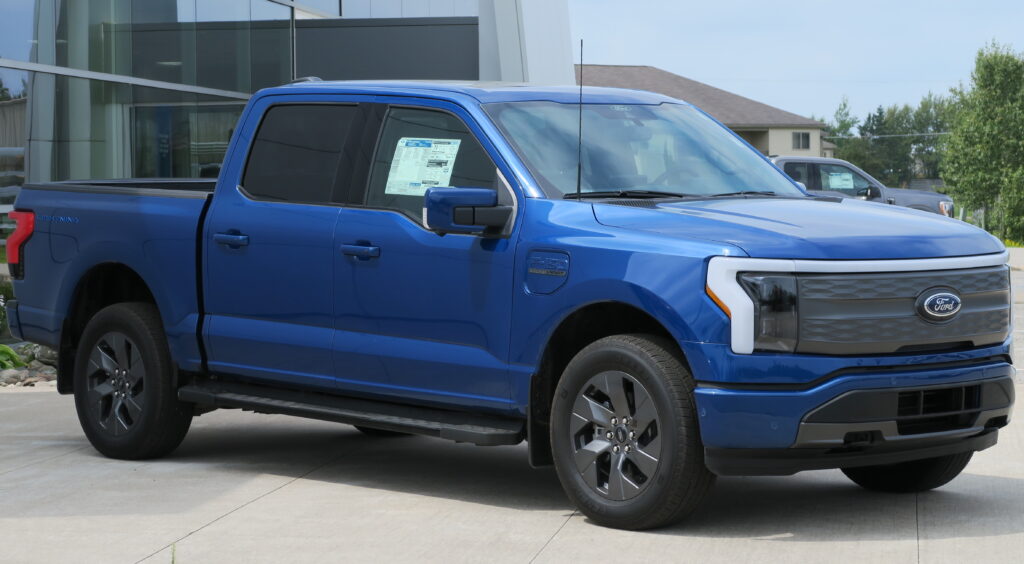
On top of changes in Ford’s gas-powered truck plans, trouble hit their electric side especially the much-hyped F-150 Lightning. Once seen as proof of Ford’s EV future, it ran into surprise problems, like a production pause around mid-October. That break came after a blaze struck Novelis, a key aluminum provider. The damage messed up supplies for Ford’s F-Series line. The factory, based in upstate New York, likely won’t recover fully before early 2026, cutting about 40% of the thin metal used across American car manufacturing.

This supply chain issue pushed Ford into tough choices about where to send materials shifting focus to gas-powered F-150 trucks instead. They said they’ve got plenty of Lightning pickups sitting around yet gave no clear timeline for restarting builds at the Rouge EV plant, just mentioning it’ll happen when conditions are suitable. According to expert Sam Fiorani, the automaker’s now pouring every bit of effort into getting each F-150 out the door, underlining how vital this truck line is for turning profits.
The F-150 Lightning isn’t just dealing with parts shortages consumer interest in electric trucks has also dipped lately. Car buyers are slowing down on pricier EVs, especially since federal tax breaks ended last September. That hit didn’t spread evenly; bigger models got hurt more, including the Lightning, priced from $55K up to over $85K when fully loaded.
This shift made shoppers move from pricey electric cars to cheaper options take the Chevy Equinox or Hyundai Ioniq 5, both kicking off near $35K. At his Arizona lot, Ford seller Tim Hovik saw pricier EVs slump hard once the tax break vanished. Big names like GM, Tesla, Honda, Stellantis, and Rivian also pulled back on upscale models, some halting them altogether, showing how fast demands changed.
In October, sales of electric cars in the U.S. dropped nearly a third compared to last year; meanwhile, Ford’s F-150 Lightning fell 12%, landing at 1,543 units. According to Jessica Caldwell Edmunds’ insights VP many believed high-end electric models would keep rising steadily. Yet reality hit hard: that market isn’t as large as expected. That shift highlights how carmakers face tightening finances. Most brands, apart from Tesla, are losing serious money on EV efforts and even more so with pricier versions.
Ford’s Universal EV Production System and Future Outlook
In times of shaky markets and broken supply chains, Ford’s pushing harder into electric cars but now with an eye on saving money while still making profit. At the core? That “Ford Universal EV Production System” mentioned earlier a fresh take on how factories put cars together. Instead of one straight line, it splits work across three paths: fronts, backs, and later joining both using a built-in battery pack. By doing so, they’re aiming to spend less cash building each car and get models out faster.

Key point: this setup will support making a new medium-sized electric pickup, set to launch by 2027, costing about thirty grand. Instead of “and”, think Ford leaders are counting on that model alongside no fewer than two fresh SUVs using the same base to turn cash fast from day one. By shifting toward cheaper EVs that actually make money, things could change big time; maybe even axing weaker models such as the F-150 Lightning down the line yet still sticking to going electric overall.
Ford’s path through changing economies and new tech isn’t unique. Since Henry Ford started it in 1903, the brand has kept adjusting over and over. Take the Model T: it made cars affordable for regular folks. Then came the moving assembly line in 1913, speeding up builds while also launching the $5 workday a game changer back then. That mix of fresh ideas and quick reactions shows how Ford stayed sharp when times shifted. Those big moves weren’t random; they answered what buyers wanted and what money pressures demanded. Looking at today’s changes? Well, those past turns help make sense of where things stand now.
This shift isn’t just about current trends Ford’s been adapting this way for ages. Ditching gas-powered SUVs such as the Escape and Corsair closes a chapter yet opens another focused on electric models that could be greener and bring better returns. A $5 billion bet plus their “Universal EV Production System” shows they’re playing smart, aiming to stay strong worldwide by making EVs cheap enough for everyone.
Risks, Opportunities, and the Road Ahead
The dangers are real. In the small SUV category where the Escape sells like hotcakes the fight for buyers is fierce. Moving from trusted top-sellers to newer electric models brings uncertainty, especially since the pricier Nautilus now serves as Lincoln’s most affordable SUV option. Still, Ford’s bosses seem sure their updated system and lower costs can grab a solid chunk of rising interest in cheaper EVs, using today’s hurdles as tomorrow’s openings.
Ford’s juggling old gas-powered cars, a shaky EV scene, plus big electric dreams everyone’s eyes are on them now. If their new budget-friendly EV setup makes money fast, that’ll decide if this risky move actually works out. Shifting gears like this shows Ford still pushes boundaries, always tweaking what it means to drive tomorrow, kind of like how the Model T changed things way back when.
Ford ditching the Escape and Corsair closes a well-known phase yet hints at something bolder ahead. Pouring 5 billion into its Louisville factory while rolling out the Universal EV System means they’re banking on lower costs, smarter production, and steady profits to stay relevant in a shifting car world. Sure, challenges loom tastes change fast, rivals don’t slow down, and new electric models are still unproven but past moves prove Ford leans into smart turnarounds when pushed. For shoppers, backers, or anyone watching closely, this isn’t just reorganizing pieces it’s a signal that Ford still aims to evolve, take charge, and steer how we get around tomorrow.