


Navigating California’s Classic Car Smog Law After SB 712
For people who love old cars in California getting a notice to renew their car registration is not fun. It makes them feel worried. The problem is not the cost of registration. The smog check that often comes with it. What should be a thing to do can become complicated and take a lot of time especially for people who own old cars that do not have modern systems to reduce pollution. Over time dealing with these rules has become part of owning a car but it is not something that people enjoy.
This year started with people feeling hopeful. A new law called Senate Bill 712 also known as Lenos Law seemed like an update to old rules. Many lawmakers and famous people in the car world supported this law so people who love cars thought they would finally get some help. It seemed like a time when people who love cars and people who make laws could agree.
That hope did not last. Even though the law was moving forward and passing tests it was stopped by a committee. This made people who supported the law very disappointed. They wanted to know why it happened. The result showed how hard it is to balance taking care of the environment and preserving cars. Even though the law did not pass it made people talk about the issue again. It is still something that people care about. People who love cars, like the owners of these old cars are still waiting to see what will happen with the smog check and the registration of their old cars.

1. The Background of California’s Smog Regulations
California has been known for having some of the rules on vehicle emissions in the US. The main goal is to clean up the air and keep people healthy. A key part of this is the smog check program. It makes sure vehicles do not pollute much by checking them regularly. These rules are especially important in areas where many people live. Even though the program has changed over time with car technology it has also shown how different types of vehicles are tested and maintained.
Key Aspects of Smog Regulations:
- Strict emissions rules for air quality
- Regular smog checks for compliance
- Modern cars use diagnostics
- Older vehicles require inspection
- System creates ownership experience divide
Newer cars have an easy inspection process. This is because they have built-in systems that help technicians check emissions easily. This makes the experience predictable for owners. On the hand older vehicles need a more detailed inspection. This often involves tools and technicians who know about old engine systems. This makes the process more demanding. Takes more time.
As a result there is a difference in the ownership experience between new and old vehicles. New car owners have a testing process. Classic car owners often pay more face uncertainty and have options for testing centers. Even though the regulations aim to protect the environment they have not always adapted to the challenges of keeping vehicles. This leads to discussions about finding a balance and being flexible with the system. Californias smog regulations are in place to ensure vehicle emissions are within defined limits. Vehicle owners must follow these smog regulations. The smog check program is crucial in achieving this goal. Vehicle emissions are checked regularly. Smog regulations have an impact, on vehicle owners.
2. What Senate Bill 712 Aimed to Change
Senate Bill 712 was an attempt to update the emissions rules in California. The main goal of Senate Bill 712 was to make things easier for cars. Senate Bill 712 wanted to create a system where older cars would not have to get smog checks after a point. This is something that other states are already doing. It seems like a way to balance taking care of the environment and letting people keep their old cars.
Proposed Changes in Smog Rules:
- Rolling exemption for cars
- Targeted pre-1981 model year cars
- Gradual expansion year by year
- Conditions for collector vehicles
- Prevent misuse through eligibility
Senate Bill 712 focused on cars made before 1981. These cars would not have to get smog checks every two years. Senate Bill 712 also suggested adding one year of cars to the exemption list each year. This would have helped car collectors with cars from the mid-1980s. The idea was to make things easier for car owners without letting people get away with not following the rules.
To make sure everything was fair Senate Bill 712 included some rules. For example cars would need license plates and insurance. This was to make sure that only people who really collect cars. Not people who drive them every day. Would get the exemption. Senate Bill 712 tried to find a balance between being flexible and preventing people from taking advantage of the system. Senate Bill 712 wanted to make sure that the rules were fair, for everyone who owns a car.

3. The Role of Advocacy and Community Support
Support for Senate Bill 712 grew fast because many people from car communities in California backed it. Car clubs, industry groups and individual car fans worked together to spread the word about the issue. They showed how hard it was for car owners and said that rules should be more flexible and realistic.
Community Support and Advocacy Efforts:
- Car clubs helped people know more about the issue
- Car fans shared their problems with others
- Industry groups wanted changes to the rules
- Famous people helped make the issue more known
- All their voices together changed the policy talk
Famous people and social media influencers also helped make more people aware of the proposal. They connected lawmakers with car fans making a small issue a discussion. The main point was always the same: classic cars are not driven much. Are very important for culture and history.
This big support showed how much people care about keeping cars. It also showed how groups can change policy when they agree on something. Even though the final result was not sure people coming together was a step in shaping future talks, about rules.

4. Legislative Progress and Early Success
As Senate Bill 712 moved through the process in California it got support from both parties. This kind of agreement is not common. The bills early progress was encouraging for those who supported it. It showed that the issue mattered to lawmakers across party lines.
Early Legislative Achievements:
- Bipartisan support helped the bill move forward
- Passed through the state Senate
- Cleared the Assembly committee stage
- Supporters felt more confident
- Reform seemed possible
The bill passed through the Senate and the first Assembly committee, which made supporters and industry stakeholders hopeful. Each step forward made them more confident that standing issues with smog rules could be solved. The progress suggested that real change was possible.
At this point with backing, industry involvement and legislative momentum things looked positive. Many thought that the system would soon be better, for vehicles. The bills progress was an alignment of interests giving hope that practical solutions were coming. Senate Bill 712 was making progress. That gave people hope. The bill was moving forward. Supporters of Senate Bill 712 felt optimistic.

5. The Sudden Roadblock in Committee
The Senate Bill 712 had been doing well. Then it hit a big problem in the Assembly Appropriations Committee in California. They put it on the suspense file and that was it it did not go further. This was really frustrating for the people who supported the Senate Bill 712 because they did not get an explanation for what happened.
Things That Stopped The Senate Bill 712:
- The Senate Bill 712 was put on the suspense file
- The Senate Bill 712 stopped moving without a clear reason
- People in charge were worried about how much the Senate Bill 712 would cost
- The Senate Bill 712 was affected by budget problems
- Supporters of the Senate Bill 712 were surprised when it stopped
The suspense file is used for ideas that might cost a lot of money or need review. This time people were concerned about how much the Senate Bill 712 would cost and how it would affect the budget. Even if a lot of people support a bill it can still have problems if it is going to cost a lot of money. This shows how hard it is to make decisions in the government.
The Senate Bill 712 stopped moving really fast which made a lot of people sad and unsure. The Senate Bill 712 had been moving along for months. Then it just stopped. This shows that the government can be really unpredictable. It also shows that a bill needs to be affordable, not just popular, with the public and politicians. The Senate Bill 712 needs to be affordable to move.
6. Financial and Environmental Concerns
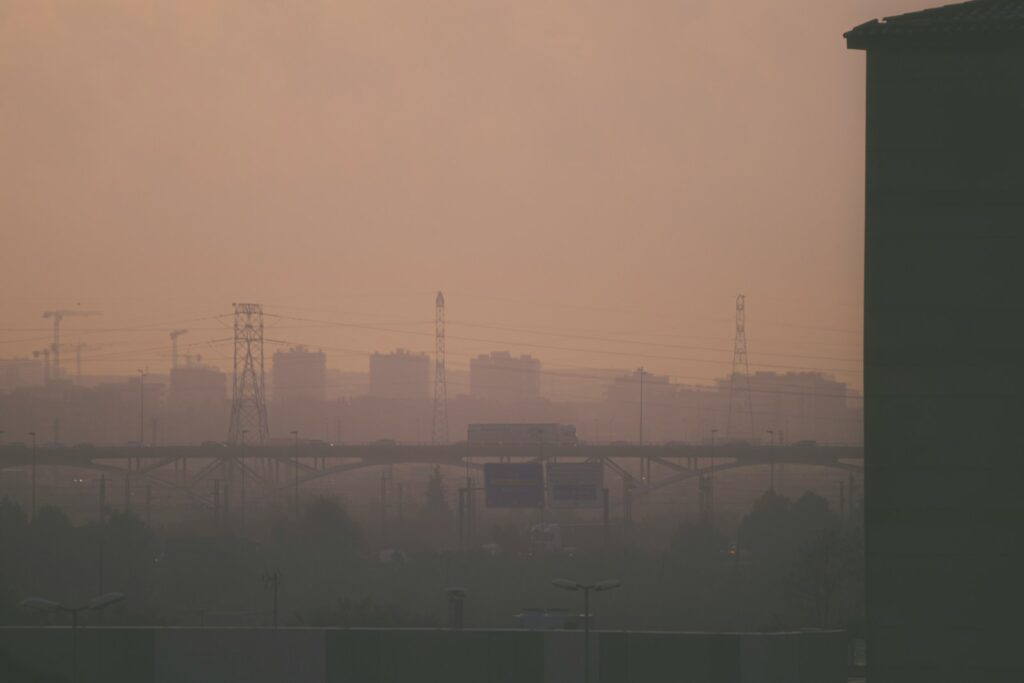
The debate around Senate Bill 712 in California was influenced a lot by environmental issues. The states regulatory agencies rely on money from smog checks and related fees. So reducing these requirements could be a problem. This is especially important when planning and deciding on the state budget.
Key Financial and Environmental Issues:
- Smog checks bring in revenue
- Exemptions reduce income from regulations
- Air quality goals remain strict
- Older cars have emissions
- Balancing heritage with impact is tough
Environmental concerns were also crucial in the discussion. California has air quality standards. So any changes to emissions policies need evaluation. Classic vehicles make up a part of traffic but their emissions differ from modern vehicles with advanced controls.
Balancing needs, with environmental goals and cultural preservation is a complex challenge. Policymakers have to think about short-term impacts and long-term consequences. This often leads to trade-offs. This complexity is why well-supported proposals face significant hurdles. Financial and environmental concerns are key here. Environmental goals are important. Smog checks and emissions policies are critical. Californias air quality standards are strict.
7. Current Smog Laws and Requirements
As of 2026 smog rules in California are still the same even though Senate Bill 712 was tried. Cars made before 1976 are totally exempt from smog checks. This rule has been around for a time. The year the car was made is what determines if it is exempt.
Existing Smog Law Framework:
- Cars made before 1976 are fully exempt
- Newer cars need smog checks every two years
- Smog checks are required when the car is sold
- Some collector cars have limited exemptions
- Visual inspections are often still needed
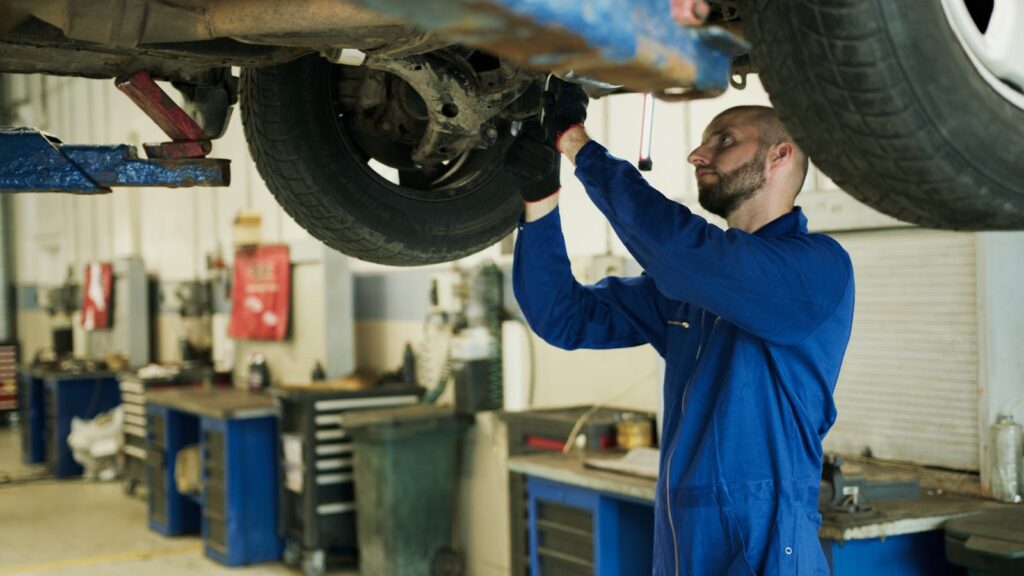
Cars made between 1976 and 2018 need smog checks every two years and when they are sold. This rule applies to collector cars too. So owners have to follow the rules. The smog check process can be different depending on the cars condition and how much it has been changed.
Some collector cars that are least 35 years old have a small exemption. They do not need tailpipe testing. Still need a visual inspection of emissions parts. Keeping the car in its state can be hard especially, for cars that have been modified. This makes it harder for owners to follow the rules.

8. Challenges in Buying and Selling Classic Cars
California smog regulations are really important when you buy or sell cars. If you have a car from a certain year you need to get a smog certificate to sell it. You cannot sell the car without this certificate so you have to make sure you get it.
Transaction Challenges for Classic Cars:
- You need a smog certificate to sell your car
- If your car fails the test you cannot sell it right away
- You have to pay for repairs, which costs more money
- Buying a classic car from another state is even more complicated
- You have to follow the rules to register your classic car
This can be a problem for both the buyer and the seller. Even if a classic car looks like it is in condition it can still fail the smog test. This means you have to pay for repairs and wait longer to sell the car. These problems can make buying or selling a car really difficult.
If you buy a car from another state it gets even more complicated. The car has to meet Californias smog rules even if it was okay in the state. So you have to plan and check everything before you buy a classic car from somewhere else. Buying and selling cars can be really tough because of California smog regulations and classic cars. You have to think about cars and the rules, for classic cars when you want to buy or sell classic cars.
9. Steps for Owners and Buyers
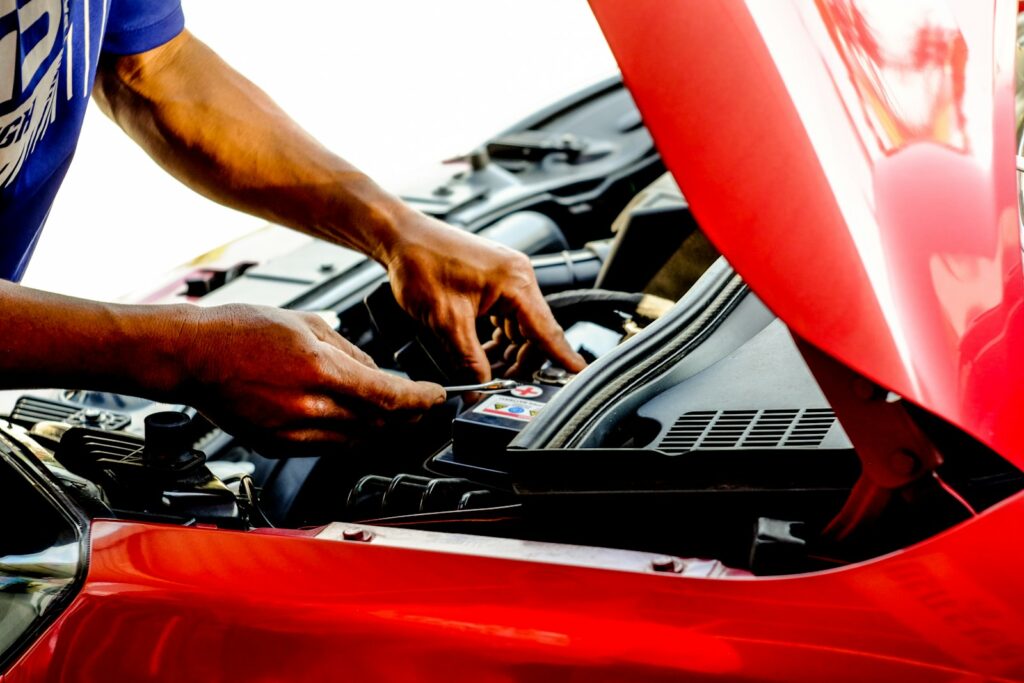
Dealing with smog regulations in California is a big task. It needs preparation and awareness. Owners have to know what their vehicle needs and make sure they do things on time. They have to get their vehicle tested when it is time. Taking care of the emissions system is very important. This helps to avoid problems when the vehicle is inspected.
Preparation Tips for Compliance:
- Schedule smog checks ahead of time
- Take care of the emissions system regularly
- Keep all the papers in order
- Check the certificates before you buy a vehicle
- Plan carefully if you have a vehicle that is regulated
If you keep all your papers in order like your registration and insurance it will be easier. You will not have many problems. When you have all your papers ready it makes the inspection and renewal process smoother. You will not have to wait long.
For people who are buying a vehicle they have to be careful. They have to make sure the vehicle has a smog certificate before they buy it. This is very important for vehicles that’re from certain years. If the vehicle does not have a smog certificate it can be a problem when you try to own the vehicle. Smog regulations are important for owners and buyers to know about. Smog certificates are necessary, for smog regulations. Owners and buyers have to follow smog regulations.

10. The Road Ahead for Legislative Reform
The fact that Senate Bill 712 did not pass does not mean that it was a waste of time. It actually started a conversation about making smog regulations in California better. Now we have ideas coming out and each one is looking at things from a different point of view. They are all trying to figure out how to make sure we are responsible to the environment and also preserve the cars that people love.
Future Outlook for Smog Reforms:
- New proposals continue to emerge
- There is a conversation between people who care about this issue
- Car enthusiasts are still very involved, in what is happening
- The direction that the policies are taking is changing slowly
- People are trying to find solutions that will work for a time
The fact that so many people were paying attention to the bill as it was going through the process means that this issue is not going away. Car enthusiasts and the people who make policies and the companies that are involved are all talking about it. Trying to come up with solutions. This is a thing because it shows that everyone is working together to find answers.
The story of smog regulation reform is not yet. It is going to take some time. It is not always going to be easy to see what is going to happen next. Because so many people are paying attention and care about smog regulation reform we can be sure that it will keep moving forward. People want to make sure that we can preserve the cars and also take care of the environment and that is what will guide the new laws that are made about smog regulation reform and smog regulation reform.