






The SR-71’s Missing Rival: Why Moscow Never Built a Blackbird
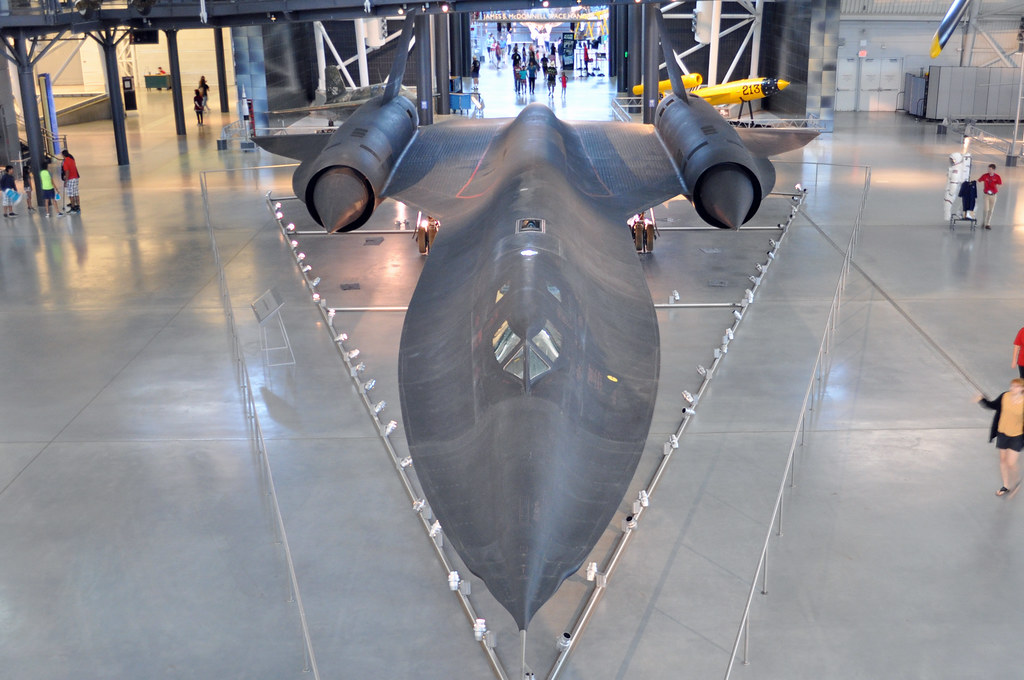
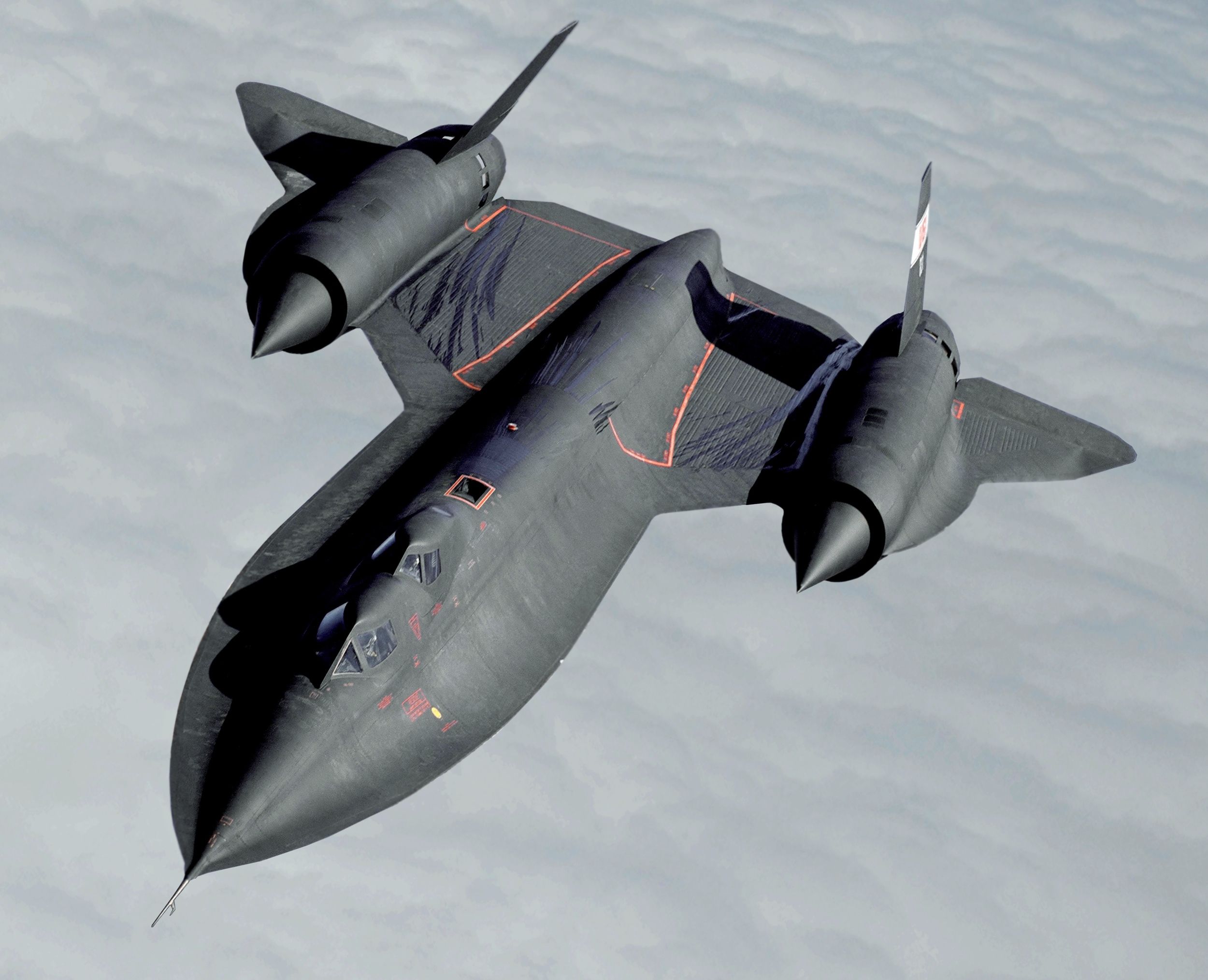
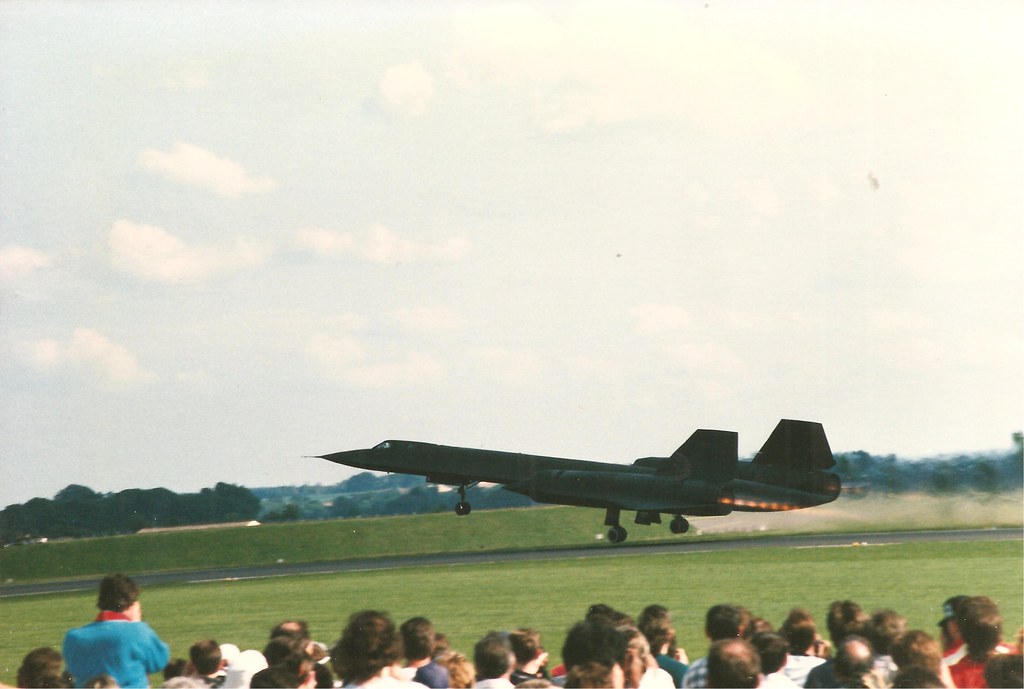
The Lockheed SR-71 Blackbird is one of the most legendary products in the aviation industry. The Blackbird with its slick and near-futuristic look and its mind-blowing performance potential was not only an aircraft but also a representation of ingenuity, ambition, and the strategic vision of United States in the Cold War. Its speed of Mach 3+ and the possibility of flying at altitude over 80,000 feet made it practically undetectable, and it gained a reputation of being the fastest and the most elusive reconnaissance aircraft of the world. It has dominated the minds of engineers, pilots and aviation enthusiasts all over the world thus evoking envy over the bold technology advancements.
What makes the SR-71 unique is not just that it was fast and up in the air but also the narrative behind the strategic and technological scenario of its invention. In a period characterized by high geopolitical competition, the United States wanted to ensure that it was ahead of its rivals in the intelligence front. The missions of the Blackbird, which frequently traversed great and hostile areas, collected vital intelligence that influenced military policy and foreign affairs. Every flight was a combination of calculated risk and technological prowess and showed how far engineering and human ambition could reach when both were combined in one direction.
However, as the United States did this phenomenal accomplishment, the story of the Blackbird also outlines the inadequacies of the aspiration and potential over the Iron Curtain. Although the Soviet Union was also successful in aviation and space, it never designed an analogous of the SR-71. The causes of this disparity are multifaceted, comprising strategic dogmas, material issues, and technological constraints. The knowledge of these aspects does not only illuminate the history of the Cold War but also the complex interplay of technology, strategy and innovation.
1. The Unmatched Speed and Stealth
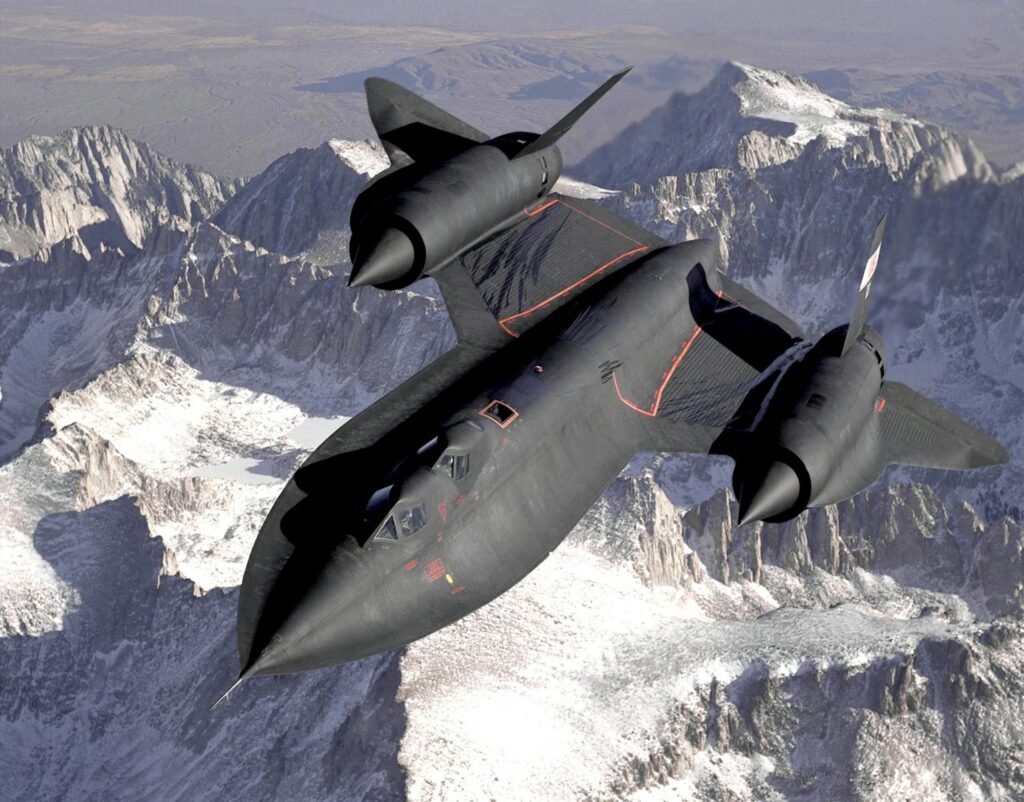
The SR-71 Blackbird was indeed an impressive masterpiece of an aircraft as it combined a remarkable speed with stealth features that made the plane very difficult to detect or intercept by the enemies. It would travel faster than three times the speed of sound and would be able to cover the distance between continents in hours, completing reconnaissance operations that would otherwise take other aircraft much longer.
Stealth and Key Performance Features:
- High Mach three or more speed
- High altitude strategic flight advantage
- Decreased radar vision by design
- Light speed long-range reconnaissance
- Low success rate of enemy interception
In addition to pure performance, the design of the aircraft demonstrated a fanatical attention to the issues of extreme-speed flight. The construction was made mostly of titanium, making it resistant to the high temperatures of air friction in such speeds. Its sophisticated engines were designed to support long-range supersonic flight, which was a significant achievement in both material and thermodynamic technology. Even the cockpit was well organized with two team members doing coordination work to control navigation, surveillance and safety in extreme conditions.
The peculiarity of the working ideology of this aircraft was the key to its success. It was completely dependent on speed and altitude to survive unlike the traditional military planes that lived off weapons as their means of protection. The training of pilots was done to run threats away instead of facing them and acceleration was their main defense. This strategy not only minimized risk but also reconstructed the reconnaissance strategy, focusing on technological superiority and rapid high-altitude maneuvering as opposed to direct combat involvement.

2. Strategic Background: The Reason the Soviet Union failed to develop a Blackbird
The lack of a direct analogue of the SR-71 Blackbird within the Soviet Union can be explained by the dissimilarity in the military policy and priorities of the long-term period. As the United States was busy producing deep-penetration reconnaissance planes that could be able to collect information over enemy land, the Soviet strategy was heavily oriented on defense and protection of its own airspace. Rather than copying such a dangerous platform, Soviet planners put funds in robust interceptor fleets and surface to air missile systems. Their main task was to monitor and remove threats as they come instead of performing remote surveillance of enemy territories.
Strategic and Technological Reasons of Key:
- Dwelling on defensive military doctrine
- Interceptors and missiles systems
- Focus on satellite based intelligence systems
- Poor developed aerospace production
- Supersonic engine design is very complicated
A second significant force was the Soviet interest in space-based reconnaissance. Being a pioneer in the field of space as the first to launch the first satellite and put the first human into space, the USSR focused on orbital surveillance technologies. Satellites provided a more reliable and secure way of tracking enemies without exposing pilots and aircrafts to danger. This strategic thrust meant that the need to have a manned reconnaissance aircraft such as the Blackbird was not as urgent since space systems would be able to perform similar intelligence missions more effectively in the long run.
Besides strategic decisions, technological constraints were also of paramount importance. In spite of the fact that the Soviet Union had raw materials such as titanium, it had issues with accuracy in making aircraft of very high speed. The innovative engines needed to sustain Mach 3+ were especially problematic, and required the skills of thermodynamics and material science beyond reach. All these difficulties added to their strategic orientation and resource distribution rendered the creation of a Blackbird-type aircraft unrealistic in the Soviet context.
3. Design and Material Innovations
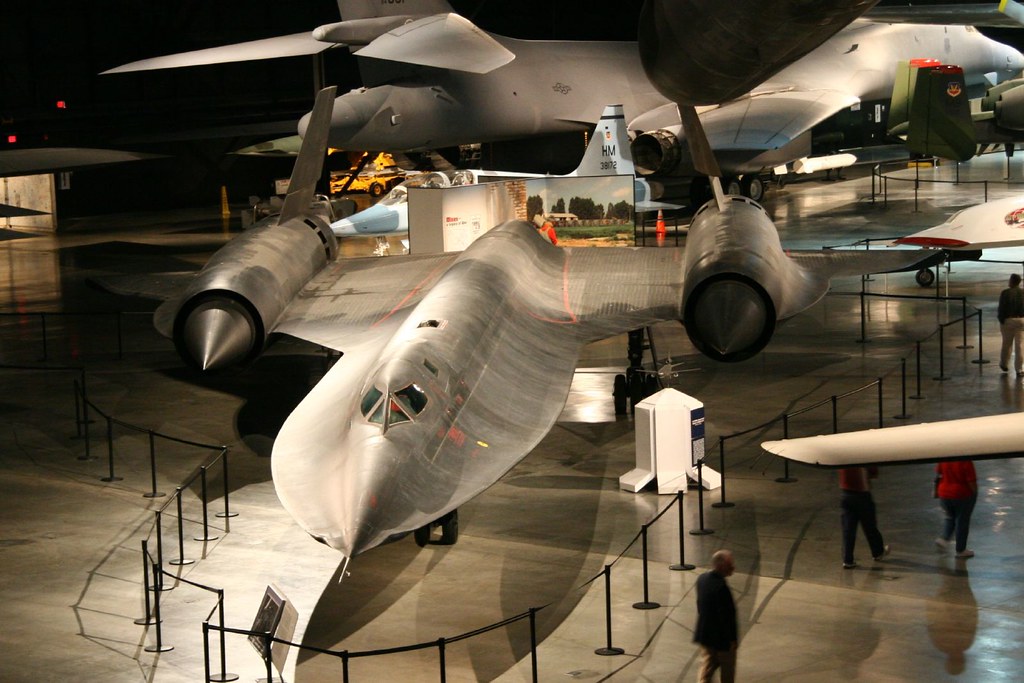
The innovative design of the SR-71 Blackbird was an evident demonstration of the ingenuity of Lockheed Skunk Works. The fuselage of the plane was streamlined as was the chine structure which was engineered to minimize drag, extreme heat, and maximize speed. Even its recognizable black coating served a practical purpose, aiding in the cooling of the hot thermal energy produced during supersonic flight. This uninterrupted combination of design and material science enabled the aircraft to fly in a condition that would have made normal planes to go out of their limits.
Important Design and Material Innovations:
- High-tech fuselage shaping design
- Cooling black coating, which is heat-resistant
- Heavy application of titanium structure
- Extreme condition precision engineering
- Combined stealth and speed optimization
A very impressive feature of the aircraft was that it used titanium as the main construction material. Even though titanium was the material that could be used to provide the strength and heat resistance needed to fly at high speed, it was highly intractable, and required specialized machining and contamination-free handling procedures. In an incredible twist of fate, much of this titanium was in turn obtained indirectly, of the Soviet Union itself, via complicated supply lines. This awkward scenario underscored the fact that geopolitical pressures and industrial requirements might converge in some unforeseen manner during the Cold War.
Together with the material issues, aerodynamic innovations also significantly influenced the work of the aircraft. Continuing the predecessors in terms of design such as Lockheed A-12, engineers improved the design to improve its stability and stealth. The long chines on the fuselage enhanced lift and control, especially at high altitude where conventional flight characteristics were altered dramatically. Collectively, these inventions resulted in an aircraft that was not only on the cutting edge of technology but also re-invented what could be done in high-speed reconnaissance planes.
4. Engines: The Heart of Supersonic Flight.
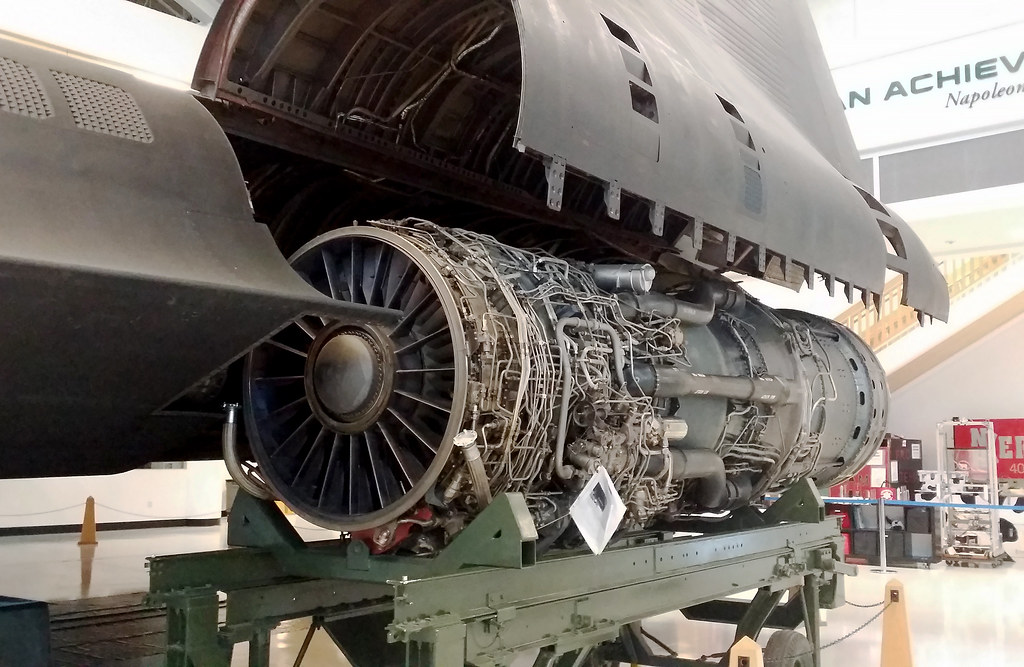
The magnificent performance of the SR-71 Blackbird was fundamentally based on the strength of the Pratt and Whitney J58 engines that allowed it to fly at a speed of over Mach 3. Such high speeds posed serious thermal problems since friction with the air produced high temperatures. To counter this, the engines were fitted with high-speed turbine blades that could withstand high temperatures and thus guarantee reliability and stability. It was this technological advantage that enabled the aircraft to travel at incredible speeds over extended periods of time and still remain reliable in the use of the engines.
Important Engine and Performance Characteristics:
- Prolonged Mach three plus flight performance
- High-tech heat resistant turbine blade technology
- Effective high-speed air intake system
- Better flight thermal control
- Long duration supersonic thrust performance
The other important aspect of its performance was the complex air intake system. When air was directed into the engine at supersonic speeds, they were required to be reduced to subsonic levels to allow a proper combustion process, which considerably raised its temperature. The J58 engines were able to handle this switch with a precision that was more than impressive, and this was very efficient even in extreme conditions. This cautious airflow control and heat management allowed it to work reliably to speeds that most aircraft would not have worked or failed.
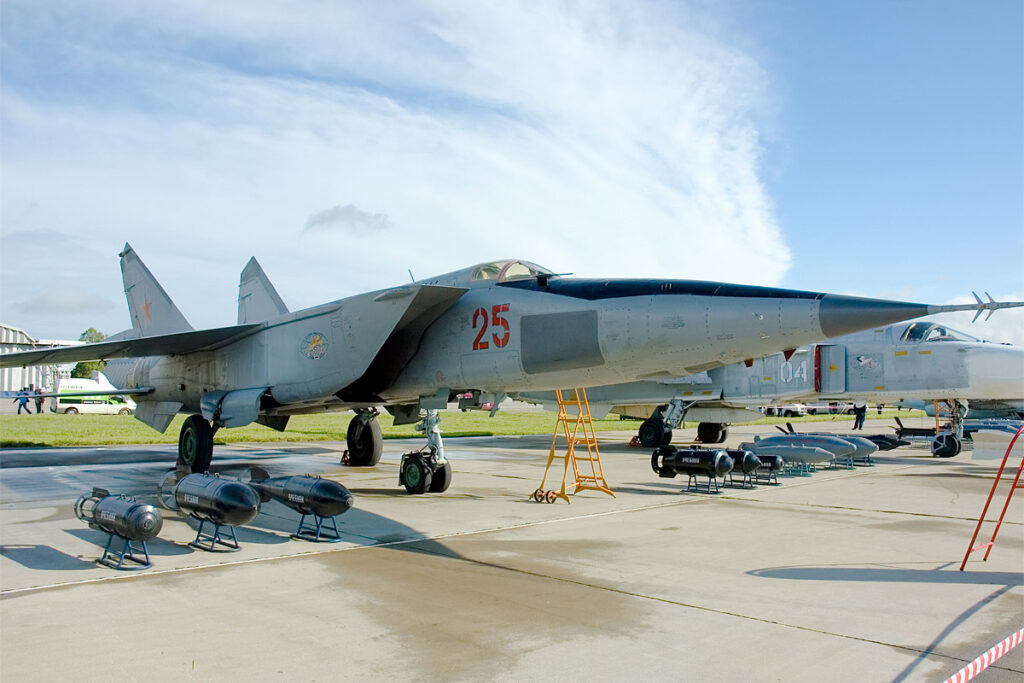
By comparison, Soviet aircraft such as the MiG-25 were capable of reaching such speeds at short intervals only. Extended high-speed flight frequently posed a threat to severe engine damage as a result of lower thermal capability as well as inferior turbine technology. This disparity underscored the technological excellence of the Blackbird in which the technology in the design of the engines and the materials science was directly converted into performance and strategic capability that was unequalled.
5. Operational Strategy and Mission Profiles
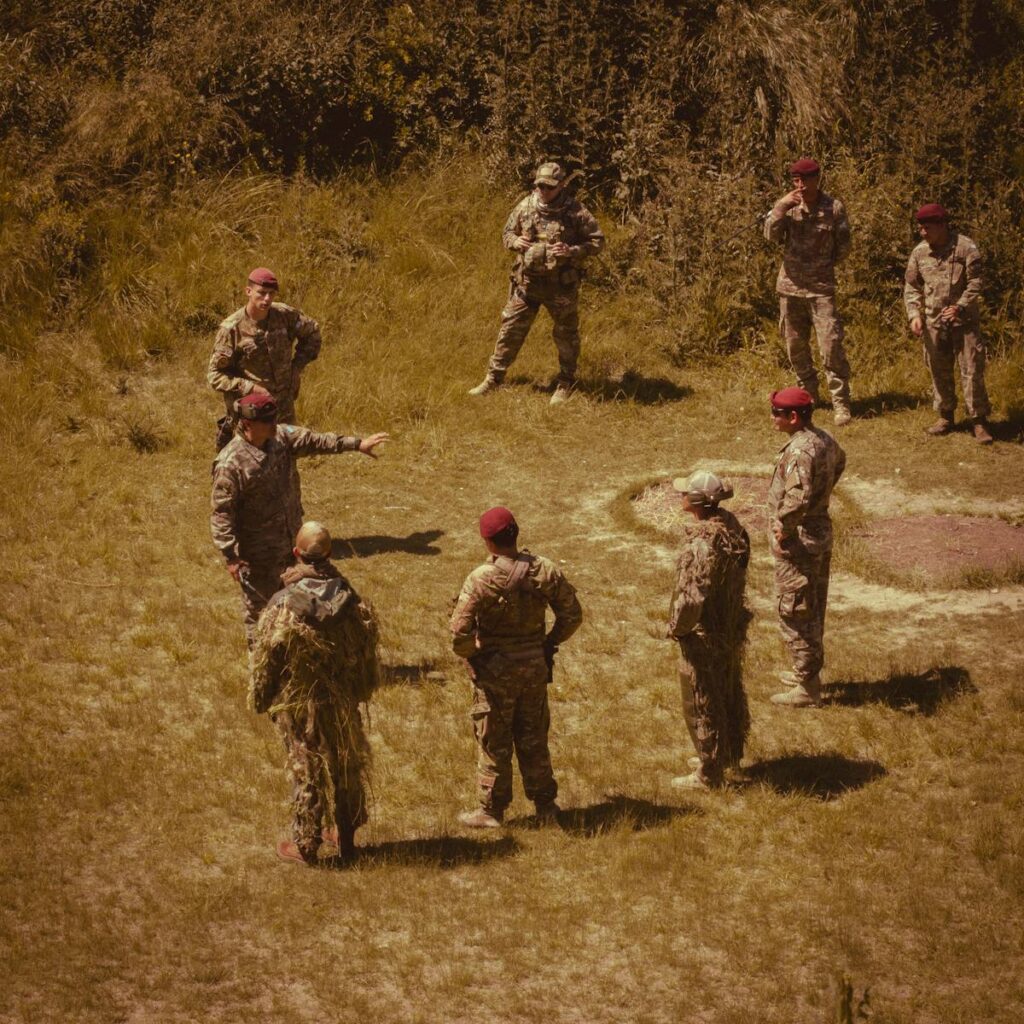
The flights of the SR-71 Blackbird were well calculated to ensure that the intelligence collection would be as high as possible and the risks are as low as possible. Pilots operated on very strict paths and would often fly into or close to enemy-controlled areas, relying on sophisticated sensors and radar as well as high-resolution cameras to retrieve important information. The plane was also exceptionally fast hence covered large portions of space within a very limited period of time, which gave invaluable intelligence that could be used in military activities and diplomacy.
Important Mission Planning and Execution Factors:
- Accurate route plans over enemy-controlled areas
- High-tech surveillance and intelligence collection systems
- Ability to cover large areas at rapid speed
- Strategic global deployment base sites
- Minimal loss through speed and altitude
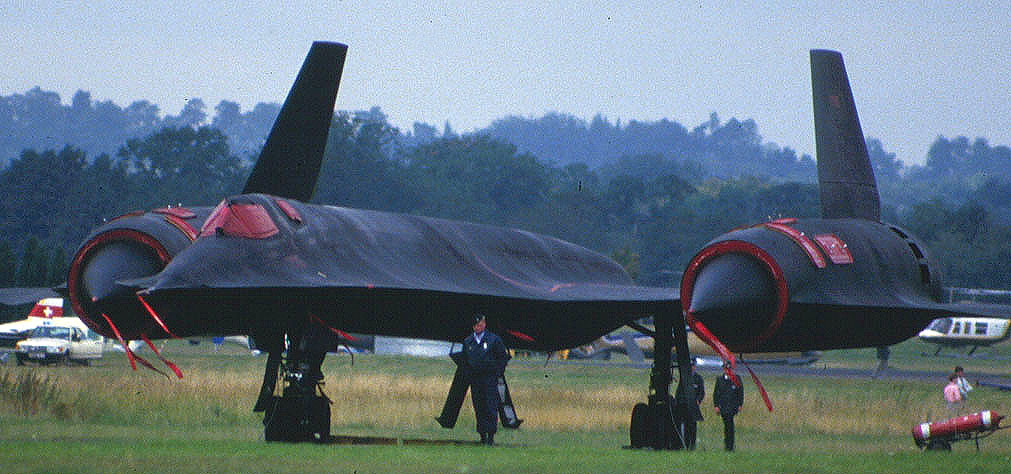
These missions were deployed through major international bases like Kadena Air Base and RAF Mildenhall thus covering sensitive areas globally. In Southeast Asia, the plane was on a high alert in key geopolitical areas all the way to the Middle East. Although the Blackbird flew in very hazardous conditions, it has maintained a remarkable safety record and this was mainly because the Blackbird could not depend on conventional defensive mechanisms but on its speed and altitude, as well as, strategic mission planning.
These missions were doing so through an operational philosophy of avoidance instead of confrontation. Pilots were not trained to deal with the threats, but rather to use acceleration and altitude to evade danger. When the aircraft was in cruising speed, the enemy missiles and the interceptors were useless, and this marked a radical change in reconnaissance tactics. This perfect combination of high technology, planning, and pilot skills made the Blackbird one of the best intelligence-gathering platforms to have ever been developed.
6. Cold War Strategic Implications
The unparalleled performance of the SR-71 Blackbird was instrumental in the development of the strategic equilibrium in the Cold War. Its intelligence-gathering activities provided the United States with an excellent edge and leaders made informed military and political choices with more certainty. The aircraft minimized uncertainty during tense situations by flying at speed and altitude that ensured that it could hardly be intercepted and ensured that it could keep a look of all potential enemies around the world.
Critical Strategic Effects and Benefits:
- Decision making real-time intelligence
- Closely approaching impregnability in enemy airspace
- Competitive advantage against other super powers
- Less uncertainty under critical circumstances
- Improved surveillance in the world arena
The absence of a similar system in the Soviet Union only enhanced this strength. Although Soviets worked on defensive means and satellite surveillance, they failed to come up with a manned aircraft of the same speed, altitude and flexibility. This loophole highlighted how the disparity in strategic vision and technological orientation might affect the global power balance particularly in an era characterized by blistering growth and stiff competition.
Besides its direct effect, the successfulness of the Blackbird also had an influence on the development of aerospace in the future. The superior quality of its materials, propulsion mechanisms, and operation plan motivated the next generations of reconnaissance technologies. The ideas of unmanned aerial vehicles and hypersonic platforms were based on the experience of its development and demonstrated how a single airplane could create an indelible mark in the history of the military revolution and long-term strategies.
7. Soviet Initiatives and Restrictions
The Soviet Union did make efforts to create high-speed reconnaissance aircraft, most famously the Tsybin RSR program. The project was originally intended to be a Mach 3 strategic bomber but it was later modified into a reconnaissance plane in an effort to keep pace with modern Western technology. But even with its grand design intentions, the program had great difficulty with significant technical challenges especially in engine performance and material durability. These delays eventually saw it fail to achieve a fully operational deployment, and the Soviets were left without anything that could be considered a real analogue to the Blackbird.
Important Problems and constraints encountered:
- High-speed engine performance limitations
- Extreme condition material constraints
- Change of political and strategic priorities
- Termination of aerospace promising projects
- Absence of a long-term technological advancement
Political choices were also significant in the determination of these results. During such leaders as Nikita Khrushchev, the priorities changed drastically and turned to the sphere of ballistic missile systems and space exploration programs. This shift of funds implied that less attention and funding went to high-speed aircraft development even in cases where initial ideas proved successful. Consequently, a number of new projects terminated prematurely before becoming fully functional systems.
Such a complex of technical obstacles, changing priorities and strategic decisions guaranteed that such aircraft as the SR-71 Blackbird would not have analogs in its field. Although aircraft like the MiG-25 were able to show great speed, it was not able to match the balance of advanced materials and sensor systems and continuous high-performance flight of the Blackbird. This disparity demonstrated the wider gap in the strategy of the two superpowers at a crucial period of aviation progress.
8. Blackbird Legacy
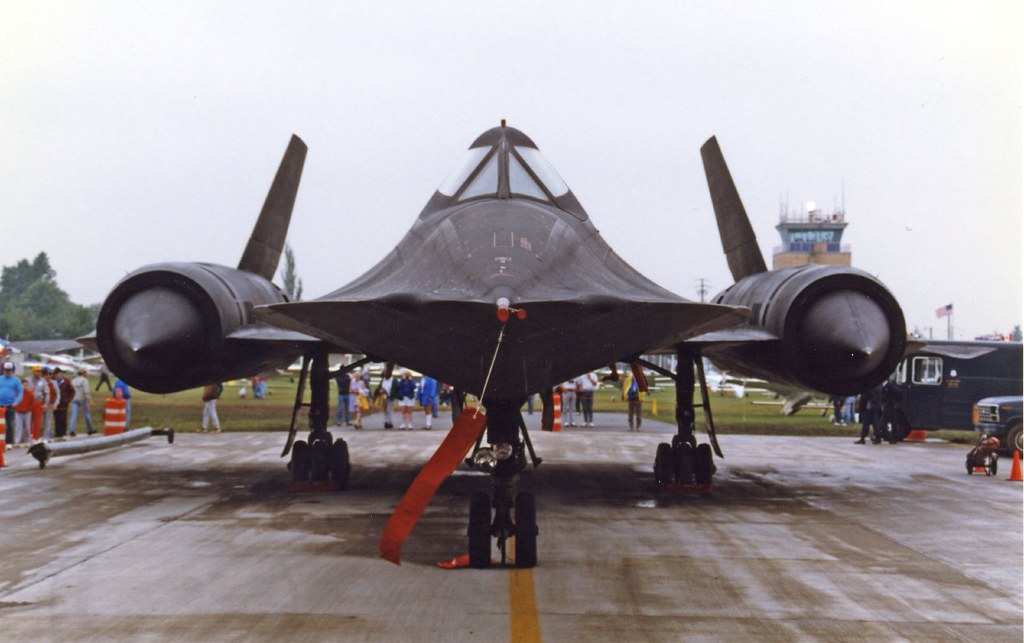
The SR-71 Blackbird has a long history of legacy that is entrenched in aviation and military history. It pioneered the performance boundaries, having set numerous extraordinary records of speed, and altitude, many of which continue to this day as the world record of manned air-breathing aircraft. Its innovative design concepts continued to shape the design of subsequent high-speed and stealth planes, and the future of reconnaissance and experimental aircraft during decades.
Major Legacy and Enduring Contributions:
- Record breaking speed and altitude achievements
- Impact on next-generation stealth aircraft development
- Advancement in high speed aviation technology
- Co-engineering and co-operation strategy
- Next generation aerospace innovation motivation
In addition to its technical accomplishments, the aircraft was a representation of an ideal combination of engineering excellence, strategic thinking, and operational accuracy. The teamwork of pilots, engineers, and intelligence professionals developed an apparatus that stretched beyond the standard limits. It showed that the most outrageous technological issues could be successfully addressed with proper vision and coordination, and new standards were established regarding the future aerospace projects.
The Blackbird has remained a source of inspiration to the professionals and amateurs in the aerospace community even many years after its retirement. Its radical design, unparalleled performance, and innovative ethos are a reference point of excellence. It is not only an aircraft, but also a symbol of human accomplishment and it serves as a reminder of how perseverance and ingenuity can converge to do what no one ever thought would be possible.
9. Non-flight Technological Innovation
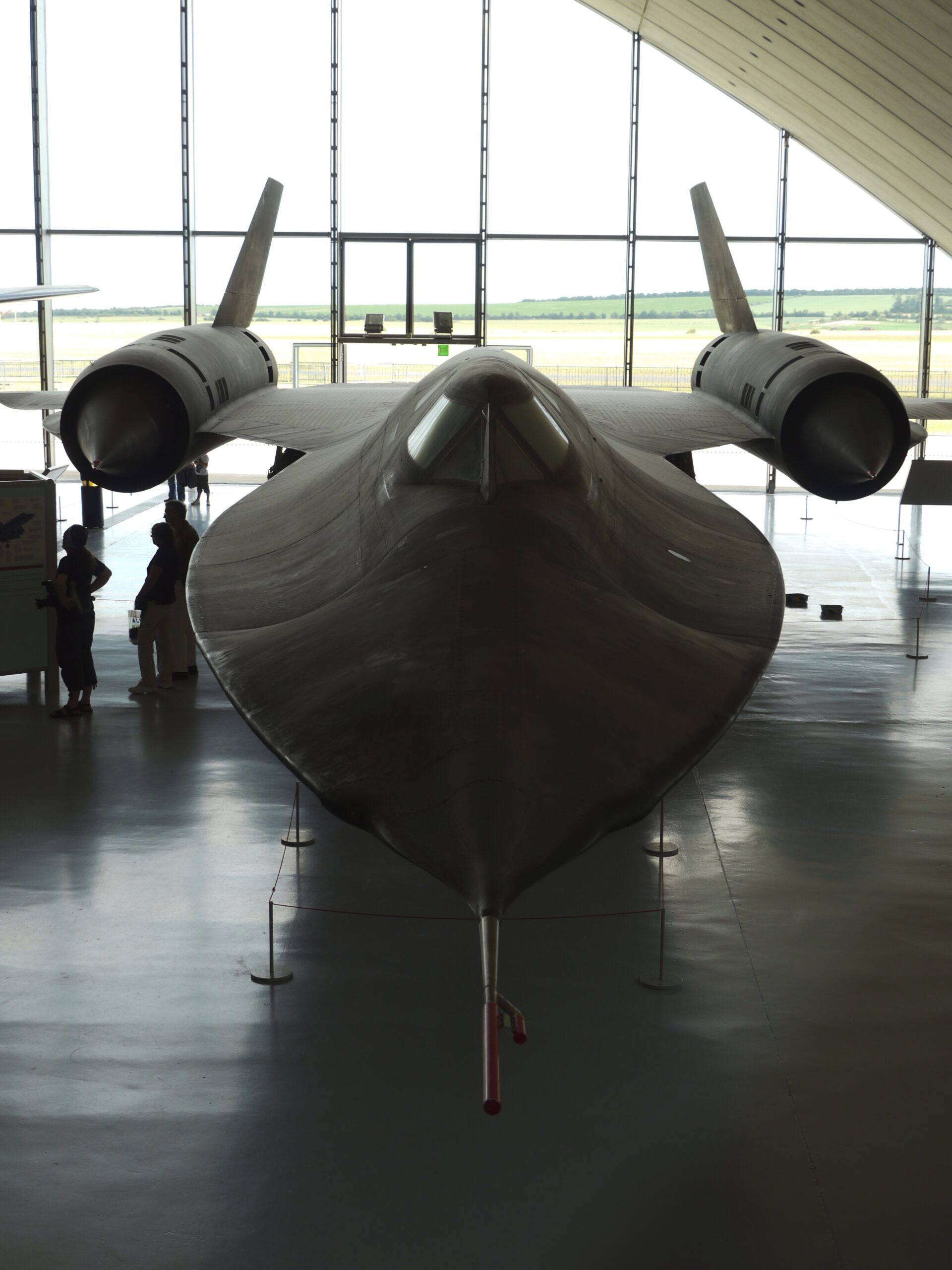
The SR-71 Blackbird could not be characterized only by the speed and altitude, but also by the vast variety of technological advancements it brought. Its radar-absorbing design, heat-resistant finishes, and highly designed turbine engines were the important strides that went way beyond military planes. The innovations led to advancement in areas like materials science, propulsion engineering, high-temperature design, which would impact on the technologies that would be developed in the later decades.
Major technological innovations were introduced:
- Radar absorbing fuselage design innovation
- High temperature resistant coating systems
- Advanced turbine technology that has been precision engineered
- Multi system intelligence tools integration
- Influence on modern aerospace research fields
The reconnaissance capabilities of the aircraft are equally new standards in addition to the physical design. Complex sensors such as signal intelligence systems, high resolution optical cameras, and radar technologies were integrated into the one platform. This integration provided a capability to collect all the data and be aware of what is going on, which informed the future development of unmanned aerial vehicles and satellite-based surveillance platforms that utilize similar multi-system coordination.
The practices that were developed around the aircraft in terms of operational and maintenance were equally important. Stock and crews were also trained to work in the most extreme conditions, to handle the most complex systems with precision and discipline. Ground teams were also forced to be innovative and develop dedicated processes to deal with sensitive materials and have high-performance engines. All this incubation of high technology, talented people and polished procedures meant that the legacy of the Blackbird was to last much longer than the plane.
10. The Enduring Influence
Even decades after its retirement, the SR-71 Blackbird continues to stand as a powerful symbol of aerospace excellence. Its unmatched combination of speed, altitude, and strategic importance has left a lasting impression on both military and civilian aviation. The aircraft not only redefined reconnaissance capabilities during its time but also provided valuable lessons in innovation, planning, and execution that still influence modern aerospace development.
Key Aspects of Its Lasting Influence:
- Benchmark for high speed aircraft performance
- Inspiration for hypersonic research programs
- Influence on modern reconnaissance platforms
- Symbol of engineering and strategic excellence
- Continued fascination among aviation enthusiasts
The legacy of the Blackbird can be clearly seen in today’s advanced aerospace concepts, including hypersonic vehicles and next-generation surveillance systems. Engineers continue to draw inspiration from its groundbreaking design and operational strategies, applying similar principles to push the boundaries of speed, efficiency, and stealth. Its story serves as a reminder that bold ideas, when supported by strong engineering and vision, can reshape entire industries.
Ultimately, the Blackbird represents more than just a technological achievement it reflects the intersection of human ambition, innovation, and strategic thinking. Its journey highlights how determination and forward-looking vision can overcome even the most extreme challenges. As aerospace technology continues to evolve, the influence of this remarkable aircraft will remain relevant, inspiring future generations to explore new limits of flight and discovery.