




Federal Lawsuit Challenges California’s Landmark Electric Vehicle Mandate
The fight to determine the future of transportation in the United States has taken a different and more aggressive form, and now a significant legal battle continues between the federal government and the state of California. This is not another case of rules and regulations- but rather a greater battle of who holds the authority to determine the future of the automotive industry. Because electric vehicles have been gaining traction in the world, there is much more to the stakes in this conflict than what is just the policies of one state.
The crux of this matter is that California has been a long time leader in environmental regulation. The state has long been advocating more stringent emissions requirements that exceed federal standards. Such endeavours have not only affected the domestic policies but also international trends in automobiles. Nevertheless, this leadership role has also made California conflict with federal authorities particularly when the political priorities change with change of administration.
That tension is brought to the fore in this recent legal challenge. It poses significant issues concerning affordability, ecological responsibility, consumer decision-making and the balance of power between the state and federal governments. The case has the potential to change the approach to clean energy transportation in the United States over the next several years in the future.

1. The Case That Raised a National Debate
The California state has been sued by the federal government, making a policy dispute that has existed for a long time a national concern. The core of this struggle is the zero emission vehicle policies that have been advanced by the state to quickly decrease the reliance on gasoline cars. In defying these regulations, federal officials are trying to exercise greater authority in vehicle regulations nationwide. This action is not only an indication of a legal tussle, but also a wider battle over who is going to take the driving seat in the formulation of environmental and transportation policy in the United States.
Critical Areas of the Legal Controversy:
- State power challenged by federal government
- Zero-emission vehicle policy conflict
- National/state regulatory control
- Economic effects are on the increase
- Youthful aspirations versus actual realities
This is not just a case of a legal argument but a national debate as to the future of transportation. On the one hand, the advocates of the California strategy state that complex measures are needed to fight climate change, and drive innovations. They are of the opinion that having high standards would hasten the implementation of cleaner technologies and minimize the harm to the environment over the long term.
The case of this lawsuit is particularly important because it can determine the future course of the whole automotive industry. A decision in favor of the federal government would restrict the capacity of individual states to establish their own environmental standards to establish a more consistent national policy. On the contrary, the victory of California can lead other states to follow suit and adopt the same regulations, accelerating the process of switching to electric cars. In both instances, it is probable that the result will affect future policy making, business approaches and consumer preferences nationwide.
2. Learning the fundamentals of California Regulations
The policies of California that lie in the middle of this conflict are based on two significant elements that are aimed at decreasing emissions and promoting cleaner transportation. These policies are expected to lead car makers to the future where electric cars are the new standard. Establishing specific goals and deadlines, the state is attempting to develop an organized way of switching to the gasoline-powered cars.
Critical aspects of California Regulations:
- Tough companywide emission cuts
- Enhancing the need to sell more electric vehicles
- Slow adoption of zero-emission vehicles
- 100 percent EV goal by 2035
- High demand to use clean transportation
The initial significant element of these rules is the decrease in general carbon dioxide emission of automobile fleets. The automakers must comply with stricter standards and this is pushing them to come up with more efficient and environmental friendly technologies. This not only promotes innovation but also makes sure manufacturers are responsible towards the nature of the environmental impact of their vehicles.
The second element is the zero-emission vehicle requirement, which also stipulates a slowly increasing proportion of new vehicle sales to be electric. This requirement is built up progressively every year with the eventual aim of having all new vehicles sold as zero-emission by 2035. According to the supporters, this is a daring move that is needed in order to fight climate change and enhance the quality of air. Critics however, believe that this type of rapid change can be a problem to both consumers and manufacturers, particularly in the cost, infrastructure and the preparedness to go fully electric in future.

3. Legal Argument of the Federal Government
The argument on which the federal government is basing their case is that the rules in California extend past the powers given to individual states. The lawsuit states that fuel economy rules should be regulated at the national level and not through individual state regulations. The establishment of its own standards is perceived to pose a challenge to the federal control in California since it sets up its own system. This conflict brings out a more fundamental problem concerning how authority is shared between the national and state governments.
Main Theses of the Federal Argument:
- States that went beyond the powers of the federation
- Fuel economy as a matter of national jurisdiction
- Fuel efficiency related emissions
- Requirement of national standards
- Eschewing interstate regulatory confusion
One aspect of the federal argument is the relationship between fuel efficiency and emissions. According to the officials, the attempts to mitigate vehicle emissions may need enhancement in the fuel economy that is already controlled at the national level. Due to this overlap, they contend that the policies in California indirectly encroach upon the federal authority.
On the federal level, stability and fairness requires that the country has one consistent standard. The fact that various states will be allowed to make their own rules may result in a disjointed system where automakers can find it difficult to design and sell cars across the country. This would raise the cost of production, present compliance issues, and eventually impact on the consumer. Through strengthening national control, the federal officials are convinced that they are able to have a more predictable and efficient automotive market.

4. The Energy Policy and Conservation Act
The most important factor in this court case is the Energy Policy and Conservation Act with the creation of national fuel economy standards in the United States. This act gives the federal agencies the initial jurisdiction to control the efficiency with which the vehicles consume fuel, which provides a solid legal basis of the case against California. Through this statute, the federal government is underscoring the fact that fuel economy regulation was to be left under national control.
Legal Principles of the Case:
- Federal control on the fuel economy
- States restricted in conflicting regulations
- Emissions attributed to the fuel efficiency
- Consistency in the country as the main aim
- The interpretation of the law determines the final result
The federal government contends that this legislation obviously discourages the states to come up with regulations that are directly connected to fuel economy. The officials are of the opinion that the policies of California lie within the limited scope that the act has because in most cases, reducing emissions may involve making vehicles more efficient in consuming fuel.
The interpretation is important in determining the course of the case. In case the court follows the federal opinion, California might be severely restricted in its capacity to impose both existing and new regulations. Nevertheless, in case the law is interpreted differently by the court, it may enhance the power of the state and promote the implementation of such policies by other states.

5. Legal Position of California
The defense of California rests on its special authority under Clean Air Act that permits the state to establish a higher level of emission than that of the federal government under specific circumstances. This is a special provision that must pass through the Environmental Protection Agency, which will provide the state of California with a legal avenue through which it can adopt more aggressive environmental policies.
The important points of the California authority:
- Clean Air Act Special waiver
- Stricter standards that will be approved by EPA
- Extensive background of regulatory leadership
- California rules are followed by other states
- Pay attention to the local environmental issues
This exemption was initially obtained because the air pollution in California has been a serious problem and therefore demanded a more aggressive response than national regulations at the moment. Throughout the decades, it has enabled the state to advance innovative policies which in most cases exceed federal requirements. In most instances, other states have opted to emulate California and apply its standards, which has virtually made it have its impact in a bigger part of the nation.
Proponents believe that this versatility is necessary in order to respond to the special environmental circumstances and upcoming challenges such as climate change. In their opinion, the policies of California are justified legally and required to ensure the safety of the population and minimize emissions. In this view restricting the power of the state may impair the pace of action and undermine the efforts to address the environmental problems when the more decisive action is regarded more as significant.

6. Economical Issues and consumer Effect
The impact of the policies on the daily consumer is one of the primary concerns of the California policies. The critics claim that the tougher laws might raise the production of the cars; hence this will eventually translate to high prices in the market. This brings affordability into question, particularly to middle- and lower-income families who are dependent on transportation that is relatively affordable.
The Major Consumer and Economic Issues:
- Increased costs of vehicles to the consumers
- Increased initial investment in EV
- Problematic to the pockets of many households
- Manufacturers become more expensive in the transition
- Infrastructure preparedness under development
The other significant problem is the transition cost of electric vehicles. Although EVs can be cheaper to fuel and maintain than conventional vehicles in the long term, the cost of buying one might still be expensive. This poses an obstacle to a large number of purchasers that might not be economically flexible enough to purchase newer technology.
However, proponents think that these problems are short-term and are a part of bigger change. They state that with the enhancement of technology and the increase of production, the price of electric cars will become lower and lower, and more people will be able to afford them. In this sense, early adoption is a significant factor in creating an innovative environment and creating the infrastructure required to create a more efficient, cleaner type of transportation system in the future.

7. The Politics of the Conflict
This suit highlights an underlying political fault on priorities and economic approach of the United States in terms of environmental concerns. The various administrations have assumed opposite stances on the extent to which authority should be granted to California and this has resulted in changes in policies over the years. These shifts mirror more ideological variations regarding regulation, climate action, and government influence on industry.
Major Political Processes of the Controversy:
- Changing the policies among administrations
- Constant conflict on state power
- Environmental objectives and financial interests
- Uncertainty in regulations to industries involved
- Environmental decisions affected by politics
This duct and quo has been quite noticeable over the years through significant policy decisions. One of the administrations decided to withdraw California to form its own emissions standards, claiming that the federal control should be more rigid. This was later overturned by a new government, which allowed the state to resume its power and worked towards environmental leadership.
This dynamic situation has left no one sure, whether it is the lawmakers or the automakers and consumers. This is especially a challenge to businesses, which when it comes to long-term plans, cannot be sure of the regulations remaining constant regardless of the current administration.
8. Industry Effect and Challenges to the Auto Makers
One of the most directly impacted areas of this current dispute is that automakers have to work in a shifting and frequently unstable regulatory environment. Businesses are already putting a lot of investment on new technologies particularly electric vehicles trying to adapt to the changing policy requirements. This scenario leaves manufacturers with no option but to remain elastic and adaptable to legal and regulatory changes that may emerge in the near future.
Automakers face the following challenges:
- Indeterminate and fluctuating regulatory framework
- Threat of divided domestic car market
- Greater complexity and cost of production
- Investment in electric technologies
- Demand of flexible business strategies
The threat of a divided market, with various states having different automobile standards, is one of the largest misgivings of automakers. In this case, manufacturers might have to create and manufacture different models of the same model in order to meet the different regulations. This would greatly compound production, cost and logistical difficulties in supply chains. Such fragmentation can be a significant challenge to an industry that is dependent on efficiency and scale.
Meanwhile, a number of companies have already made robust pledges in terms of developing electric vehicles and have already invested billions of dollars in research and production and infrastructure. This may be derailed by a change of rules at any moment and companies have to reconsider timeframes and plans.
9. Going Beyond Passenger Vehicles and Making the Conflict
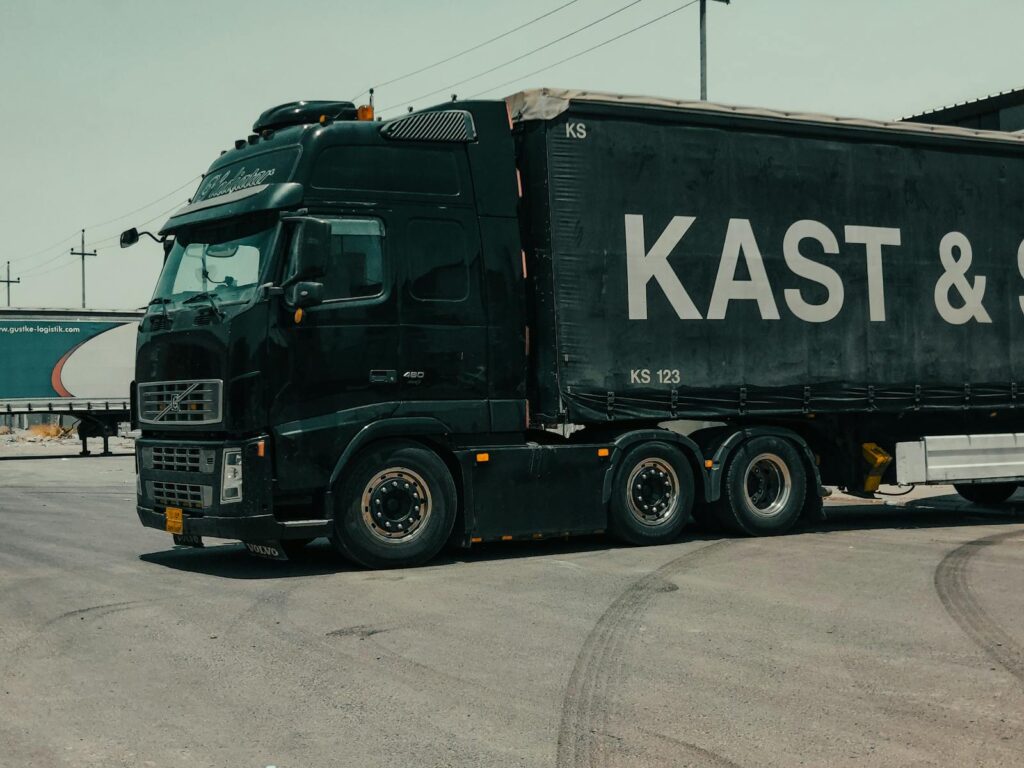
The current conflict goes well beyond the passenger vehicles, and it penetrates the world of the commercial transportation. The use of heavy-duty trucks which are critical in the supply chains and economic activity is now included in the larger regulatory discussion. California has complicated an already difficult legal case by pushing to implement zero-emission truck requirements. The purpose of these efforts is to minimize pollution caused by one of the most emissions-intensive transportation areas.
Major Areas of Enlarged Strife:
- Regulations on heavy-duty trucks
- Focus on commercial transport emissions reduction
- Federal government asserts jurisdiction to truck policies
- Wider effects in a variety of industries
- Difficulties in electrifying freight sector
The federal government claims that these truck regulations such as passenger vehicles are within national jurisdiction. Making the commercial vehicles a part of its legal fight, the case is significantly broadened and more influential. This step is an indication of an apprehension of having a steady regulatory environment in all forms of transport and not just consumer automobiles. It also casts doubt on the extent to which the state can go in the establishment of industry-wide standards.
Provided that these regulations are contested successfully, it might impede the shift to cleaner transportation in areas that are already challenging to transform, like freight and logistics. Alternatively, the California policies may lead to innovation in the technology of commercial vehicles, promoting more efficient and sustainable solutions in case they remain in effect. In both situations, the implication will be far-reaching on the industries that largely depend on transportation and the future of the environmental policy.

10. What This Court Case Implicates about the Future
This judicial case is likely to have a far-reaching effect that extends far beyond the legal point of view that is presented in the case. It will make significant contributions to the development of vehicle regulations in the next several years and the speed of their shift towards cleaner transportation. The case is not only concerning a single state or a single policy, but rather the overall trend of the environmental and industrial development in the country. Due to the arguments raised by both parties, the stakes are ever-increasing among the policymakers, businesses and consumers.
Potential Future Results and Effects:
- Greater state control in regulation
- Global framework of vehicle policy
- Rapid or slow EV adoption rate
- Influence on industry innovation orientation
- Lasting implications on the consumer decisions
In case the ruling goes in favor of California it may influence more states to go on the offensive in terms of environmental policies and may drive innovation more quickly. This would probably hasten the transition to electric cars and increase the role of the state in the regulation. Conversely, most likely, when the federal government wins the case, this may bring about a single, unified national standard that will make compliance easier on automakers, but will slow the pace of overall change. This may lead to a situation where consistency and cost management are more important than the speed of change.
The case itself is a landmark moment in the way the nation views the intersection of economics, environment, and governance outside the legal framework. It brings out the challenge of being able to balance short term financial needs with long term sustainability aims in the fast changing world. The ultimate ruling will not just affect the regulatory power, but also the future of the automotive industry and the choices the consumers have in the decades to come.