





A Comprehensive Guide to Electric Vehicle Charging Costs
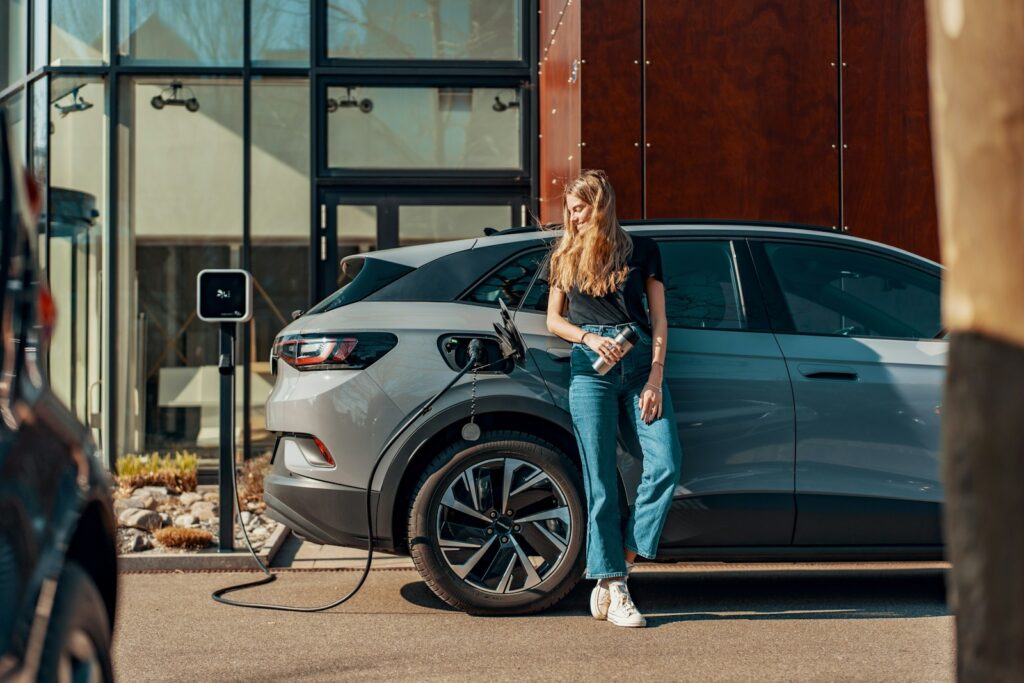
Electric cars are shifting the thoughts of many individuals regarding transportation, particularly in fuel costs. EV owners do not have to keep looking at the price of fluctuations at the gas stations; instead, they plug in and charge. That freedom is refreshing. Nevertheless, one of the most frequently asked questions by potential buyers and those who are interested in the subject matter is how expensive it actually is to charge an electric vehicle.
Critical Factors that Determine the Costs of Charging
- Local kilowatt-hour (kWh) electric price
- Battery capacity and size
- Home charging and public charging
- Driving patterns and per annum miles
- Peak pricing, utility rate plans
The logic is very similar when it comes to EV charging, compared to gasoline fueling. Electricity rates are like fuel prices and size of battery is like gas tank. A bigger battery is expensive to fill. The point of difference is the place of charge. There is a huge difference between the cost structure and convenience of home charging and public charging.
1. How to calculate the cost of charging your home
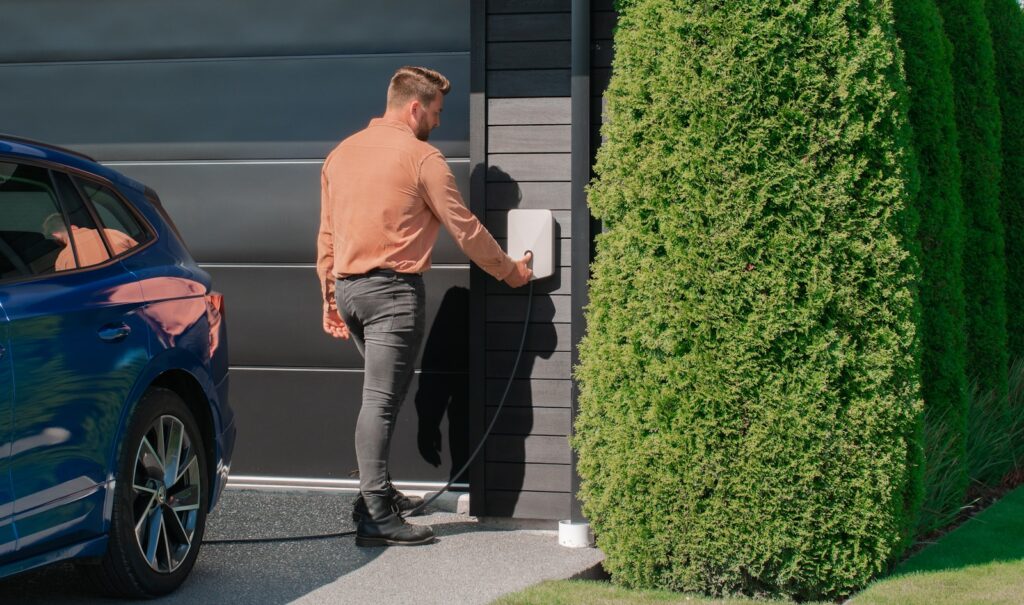
It will take just a few simple details to get a clear estimate of the cost of charging at home. The first step is to check the rate of electricity on your monthly bill. Kilowatt-hours (kWh) are used to measure electricity. The average in the U.S. residential in April 2025 was approximately 17.45 cents per kWh but your own rate might be higher or lower. The size of batteries is the key factor in the equation. The majority of EVs have a battery range of 50-100 kWh. As an example, Hyundai Ioniq 5 has a battery pack of 63 and 84 kWh. Big electric vehicles, like the Ford F-150 Lightning, may be fitted with up to 131 kWh battery packs.
Before calculation can be done, you must have the following information
- Electricity rate (per kilowatts)
- The capacity of the battery on your car
- The estimated driving range of your car
- Average monthly performance (miles)
- The local utility price scheme
2. An Actual Charging Charge Case
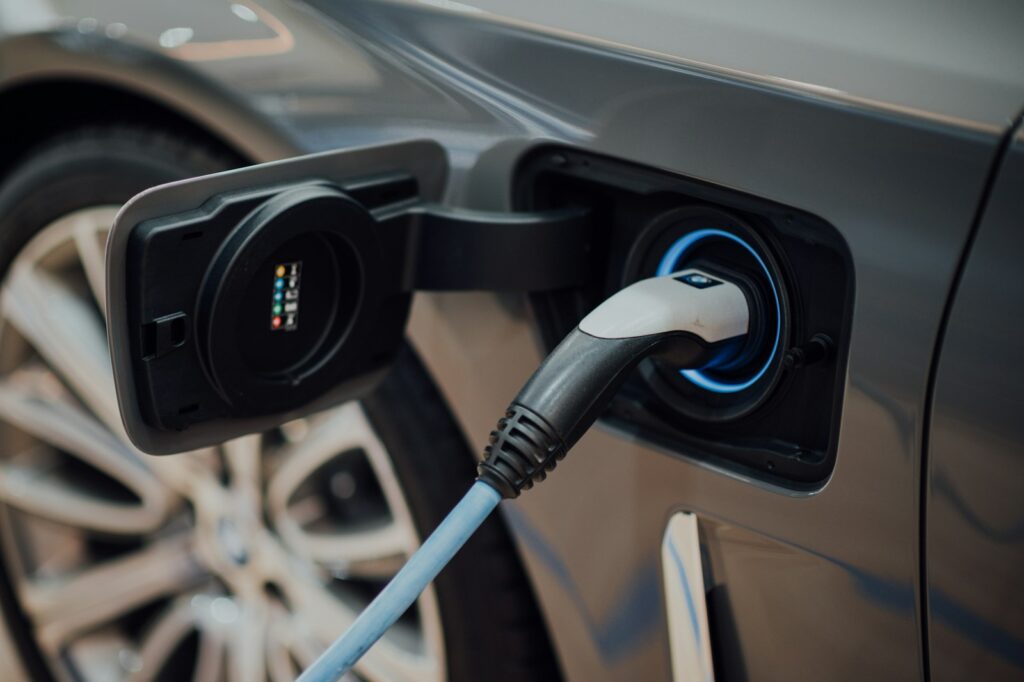
After you know your electricity rate and battery size, it is easy to compute. Multiply the cost per kWh with the battery capacity. As an example, a 63 kWh battery, divided by 0.1538/kWh, would take a total of 9.69 to recharge to the full capacity. That would be the full tank refill equivalent. Division of the total cost of charging by the driving range of the vehicle would give the cost per mile. In this case it is approximately 4 cents per mile. Assuming that an individual travels approximately 12,200 miles annually, the yearly charge would be approximately 488 dollars or approximately 40 dollars monthly.
Breaking Down the Numbers
- Battery size: 63 kWh
- Electricity rate: $0.1538 per kWh
- Total full charge cost: $9.69
- Estimated range: 245 miles
- Cost per mile: about 4 cents
3. Time-of-Use Rates and Savings during offices off-peak
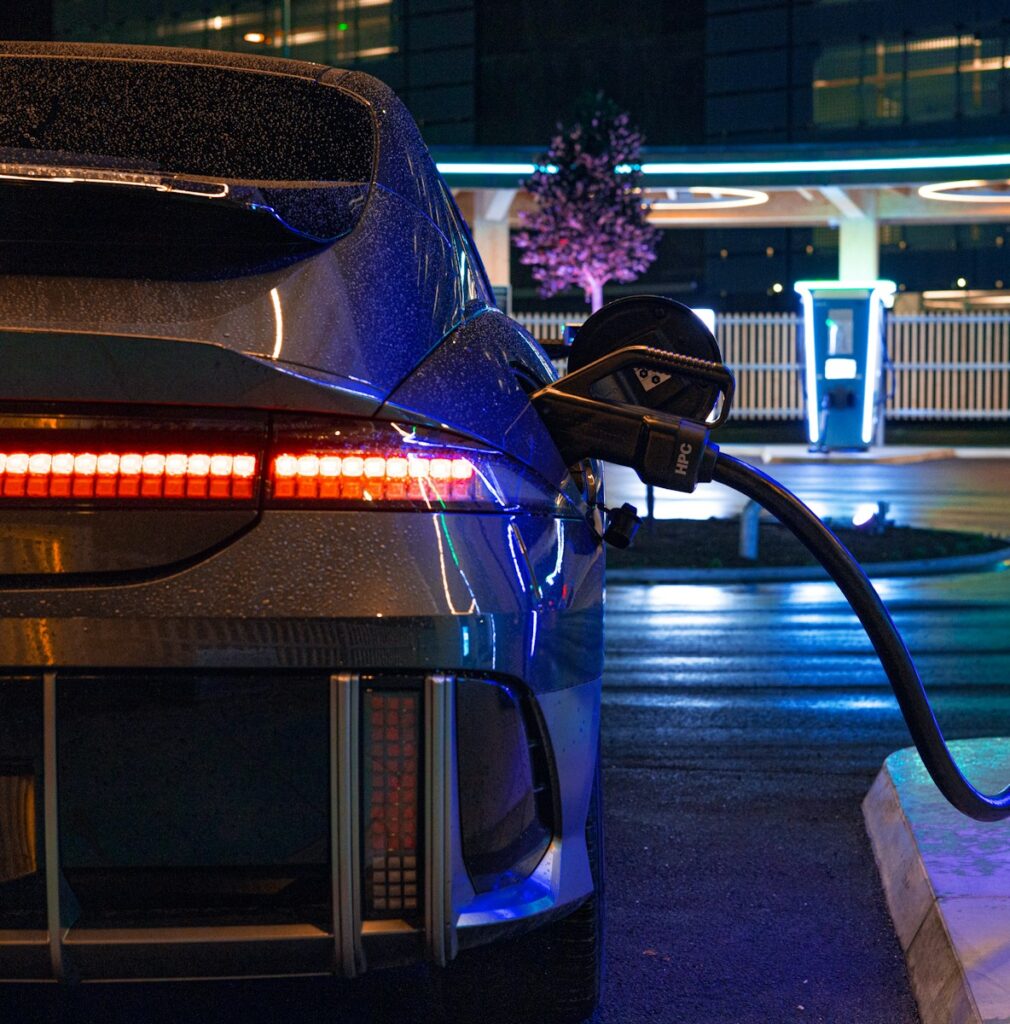
Electricity is not necessarily flat priced. Most utility companies have special rate programs where the charges become less expensive at off peak time which is normally during the later hours or early afternoon. In such states as California, such utilities as Pacific Gas and Electric Company promote overnight charging in case of discounted prices. Overnight rates can save you a lot of money in your per kWh rate. Numerous EVs and home chargers have a feature to schedule via a mobile application, and it is easy to save by default. Drivers can reduce spending without altering their daily routine by just plugging in and letting the system handle the process of timing.
How to lower the cost of charging the home
- Charge during off-peak hours
- Enhance a smart charger scheduling option
- Join time of use utility programs
- Do not charge at peak demand
- Keep check of seasonal changes of electricity rates

4. Elective Inefficiencies and the Environmental Concerns
Although on paper calculations may appear accurate, in the real world charging, there are small energy losses. Not all the units of electricity that are pulled off the wall are charged into the battery. Part is converted to heat, and the rest is lost during conversion to DC. These losses add to real costs of charging a little over simple calculations done by math. The temperature also has a significant part. Very hot or cold climate may decrease the efficiency of the battery as well as increase the time of charging. Also, the battery becomes slow to charge when it is 100 percent charged. The latter 20 percent is usually more time consuming and slightly inefficient in energy use, so that most of motorists use it in 80 percent of their daily consumption.
Issues that influence the efficiency of charging
- AC-to-DC conversion losses
- Warmth produced during charging
- High or low temperatures
- Battery management systems
- Reduced charge rate at a full charge
5. Learning Public Charging Costs
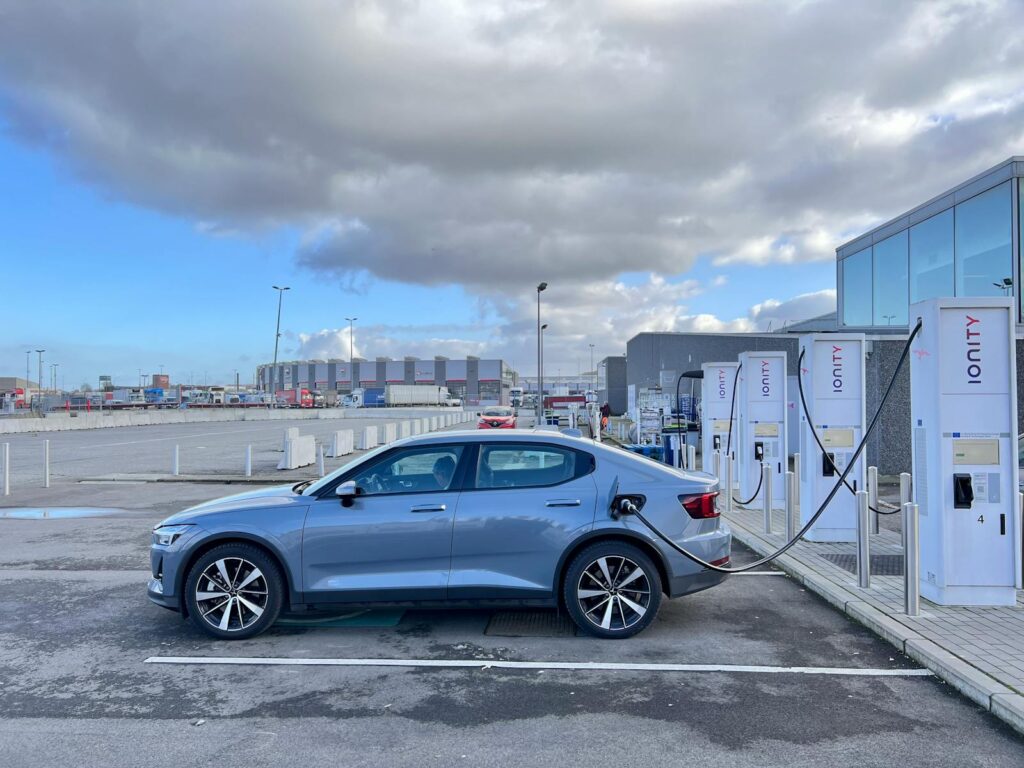
Even though the majority of EV charging approximately 80 percent occurs at home, public charging is still necessary. It is used by the drivers in road trips, on long commutes or in situations where home charging is not available. Public chargers are usually located at shopping malls, offices, rest stops and highway corridors. Level 2 chargers are slower than DC fast chargers; however, they work in much the same way as home units. Most EV batteries can be charged to 80 percent with level 3 DC fast chargers in less than 30 minutes. The cost is usually shown in the app of the provider, and clients can pay per kilowatt-hour used.
Types of Public Chargers
- Level 2 public chargers
- Level 3 DC fast chargers
- Charging stations in the workplace
- Shop and mall parking places
- highway corridor fast chargers
6. Why Fast Charging Costs More
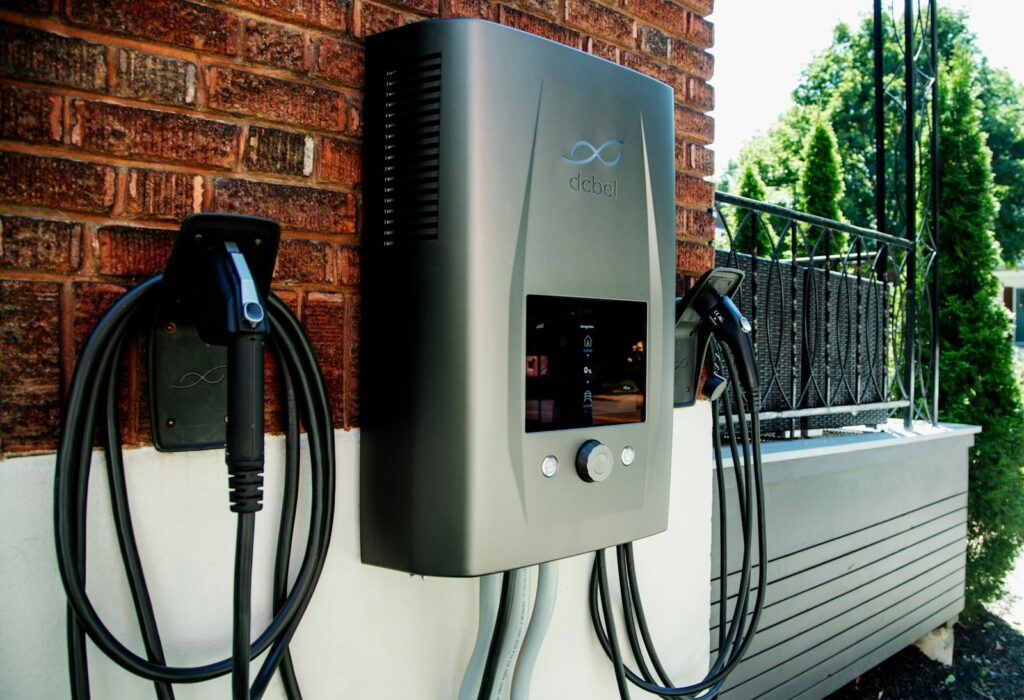
Speed comes at a premium. DC fast chargers usually range in price between 26 and 45 cents per kilowatt hour, which is much higher than the residential price in general. As an example, 63 kWh is charged 30 to 80 percent to provide an additional 32 kWh. That session would be 30 cents per kWh and that would cost $9.60. The infrastructure needed to operate such charging stations is highly powerful and this adds to the cost of installation and operation. Networks recuperate such costs with increased rates. Furthermore, the DC fast charging can also cause battery wear due to frequent usage, so home charging could be the ideal daily use strategy.
Excuses of High-Fast-Charging Prices
- High cost of equipment installation
- Stiff maintenance requirements
- Commercial electricity rates
- Network operation costs
- Demand-based pricing models
7. Charging Network Pricing Differences
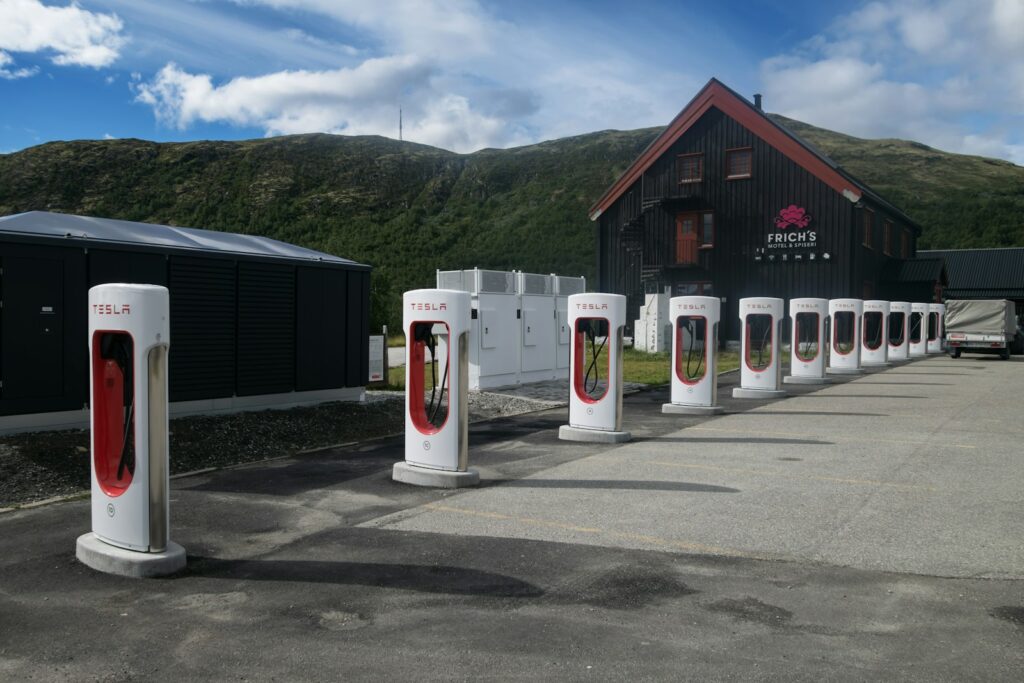
Public charging prices vary widely depending on the provider, location, and time of day. Major networks such as Electrify America, EVgo, and Tesla Supercharger each use unique pricing structures. Some offer membership discounts, while others apply dynamic pricing during peak demand hours. For example, certain stations may charge 39 cents per kWh overnight but raise prices to 60 cents per kWh during busy midday hours. This variability means road trip charging requires a bit more budgeting compared to predictable home electricity rates.
Variables That Impact Network Pricing
- Geographic location
- Membership subscription plans
- Time-of-day pricing
- Charger speed (kW output)
- Local electricity demand
8. Comparing EV Charging to Gasoline Costs
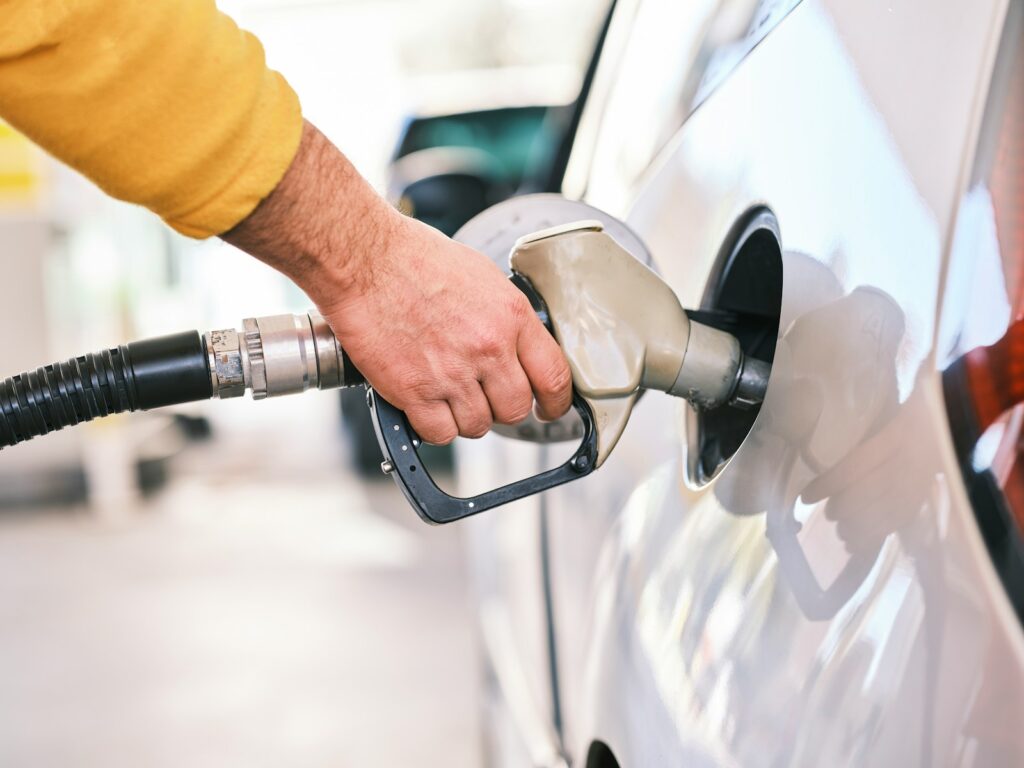
In some scenarios, public fast charging can exceed gasoline costs. For example, driving 100 highway miles in a Chevrolet Equinox EV at high fast-charging rates could cost over $23. Meanwhile, a gasoline-powered version might require roughly half that amount in fuel for the same distance. Similarly, charging a GMC Hummer EV on the road could approach $48 for 100 miles, compared to about $32 in premium fuel for a Ford F-150 Raptor R. These examples show that context matters when evaluating total operating expenses.
EV vs Gas Cost Considerations
- Fast-charging price per kWh
- Vehicle efficiency per mile
- Gasoline price per gallon
- Highway vs city driving efficiency
- Frequency of public charging
9. Smart Strategies to Lower EV Charging Expenses
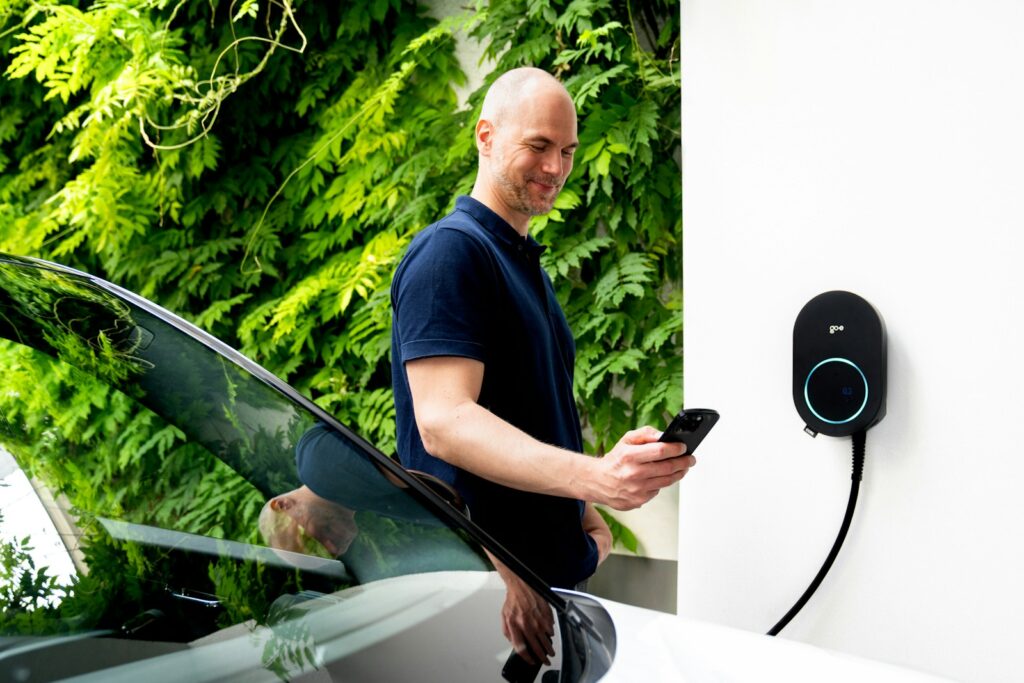
Managing EV costs effectively requires planning. Most experienced EV owners rely primarily on home charging and treat public fast charging as a backup. This balanced approach helps maintain affordability while preserving battery health over time. Many drivers practice opportunistic charging at workplaces, hotels, or shopping centers offering free Level 2 stations. While these chargers are slower, they add meaningful range at zero cost. Over time, these small savings offset higher-priced fast-charging sessions and make EV ownership even more economical.
Cost-Saving Charging Habits
- Prioritize home charging
- Use off-peak electricity rates
- Seek free Level 2 chargers
- Avoid frequent fast charging
- Track energy use through apps