

A Detailed Look at the All-Electric 2025 Nissan Micra

Electric vehicles have been steadily transforming the automotive sector and have become a significant means of people transportation through the city and even further. The old car models which used to be powered by regular gasoline engines are being reengineered to become a cleaner and more efficient future. One of the names that is reused with a radically different twist would be the Nissan Micra, a small hatchback that gained a cult among various generations. The Micra had enjoyed a long history of serving drivers who required an affordable, practical, and size-friendly vehicle due to its affordability, practicality, and compact size, which were popular in cities. Its re-entry in the form of an entirely electric car shows the way car manufacturers are adjusting popular models to satisfy a new generation of drivers.
The fact that Nissan decides to revive the Micra as an electric vehicle is not just a mere update of the model. It outlines a more comprehensive approach that is based on electrification, efficiency, and urban mobility. The new Micra does not have the traditional engines of combustion. Rather, it comes in battery-electric hatchback aimed at the contemporary urban lifestyle. This change enables Nissan to repackage the Micra in the competitive European B-segment with the vehicle that offers the traditional practicality but looks into the future with the innovative technology and design.
Produced with common engineering tools and designed in the partnership of RenaultNissan alliance, the sixth-generation Micra shows how a car company is moving towards efficiency in designing and production. Through its successful electric platform, Nissan is able to concentrate on the refinement of its design, comfort, technology, and performance without compromising the fact that the car should be affordable to a wide range of people. This has seen the creation of a small EV that is aimed at providing usable range, current connectivity and daily convenience, all encased in a unique new design that heralds the Micra into the electrification age.
1. Micra to be powered by a new electric chapter
The redesigned Micra is a significant change since it comes in market as a fully electric hatchback targeted mainly to the urban population of Europe. Previous models of the Micra were characterized by a small size, a simple gasoline engine, and decent performance in the city. The new model, nevertheless, adopts the modern electric identity that is in line with the increased need of cleaner and more sustainable transportation. Removing tailpipe emissions, the Micra EV will be a viable solution to environmentally-aware customers operating in the crowded city settings. The Nissan has also placed the car in the B- segment that is popular making it compact, efficient, and accessible. This strategy will enable the Micra to counter other mini electrical cars that are quickly becoming popular in most of the European markets.
The Electric Micra has several major highlights:
- Electric hatchback that is fully electric and can move around the city.
- It was designed primarily to suit European drivers.
- Battery electric powertrain with zero tailpipe emissions.
- B-segment small car with a city-friendly design.
- Lower cost access into electric mobility.
The new Micra is made in the Renault Douai factory in France and this indicates the high levels of cooperation between the Renault-Nissan alliance. Nissan will be able to speed up the development of electric vehicles by exchanging engineering skills and production facilities, maintaining a high level of manufacturing. The strategy is also useful in keeping down development costs making it easier to provide competitive prices to buyers who are moving out of the traditional gasoline cars to electric cars. The approachable nature of the Micra is an extension of the larger Nissan objective to make electric mobility accessible to the every-day motorsport. The company intends to introduce electric technology to the compact vehicle segment where affordability and efficiency are the top priorities instead of being concerned with the high cost of EVs only.
2. Platform and Engineering Foundations
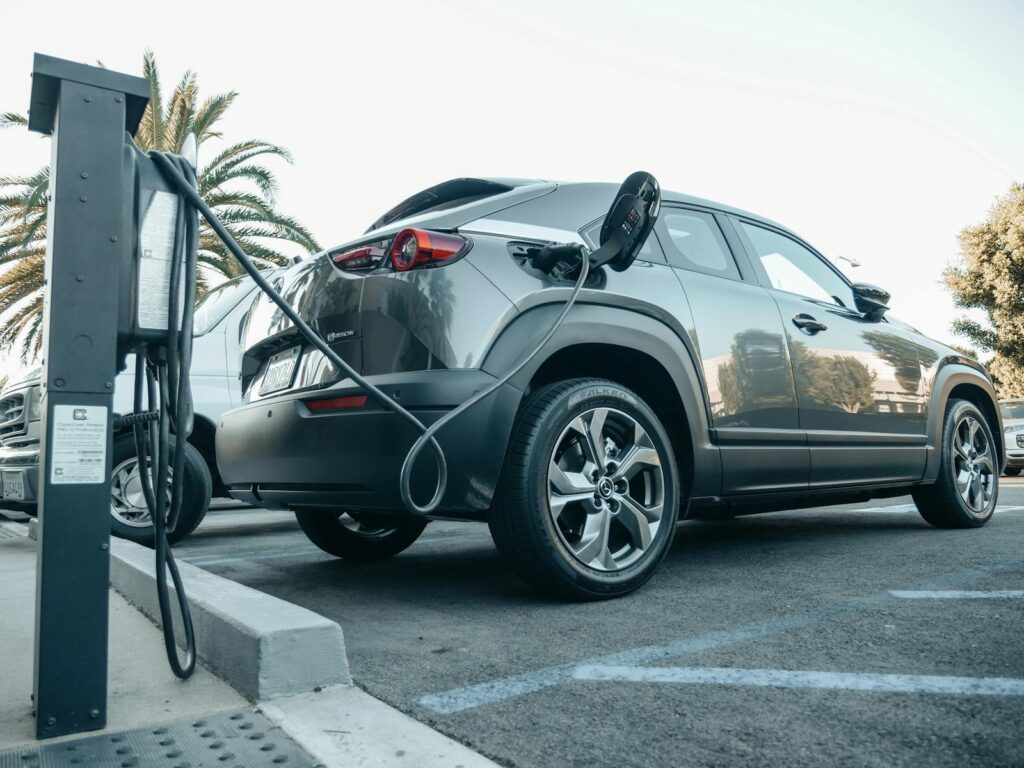
Micra is being constructed on the AmpR Small platform which is an electric car platform dedicated to compact cars. It shares this platform with the Renault 5 E-Tech and shows how modern carmakers are more and more based on flexible electric car platforms that also serve several vehicles. With shared engineering base, manufacturers are able to simplify the process of development but still achieve similar performance, safety and energy efficiency. It is also a shared platform strategy providing Nissan with a chance to concentrate on design, user experience, and utilize proven electric vehicle technology. To the drivers, this equates to a vehicle that is both modernized and at the same time practical like what is required of a small city car.
Key Engineering Highlights:
- AmpR Small dedicated EV platform.
- Similar architecture with Renault 5.
- Elastic design of small EVs.
- Better efficiency and safety levels.
- Shared engineering to develop at a faster rate.
Specialized electric platform has benefits over modifying the gasoline-powered vehicles. The battery pack may be incorporated into the floor structure directly reducing the center of gravity of the vehicle and stabilizing the car. This design also aids in the maximization of the space within the interior cabin without compromising on the exterior size which is convenient in city driving. With a common architecture among several vehicles, the manufacturers will be able to fine-tune the reliability and performance of the vehicle through a lot of testing and development. This has seen drivers enjoying proven engineering systems and special styling and features that identify each brand.
3. Externality Embracing and Contemporary Style
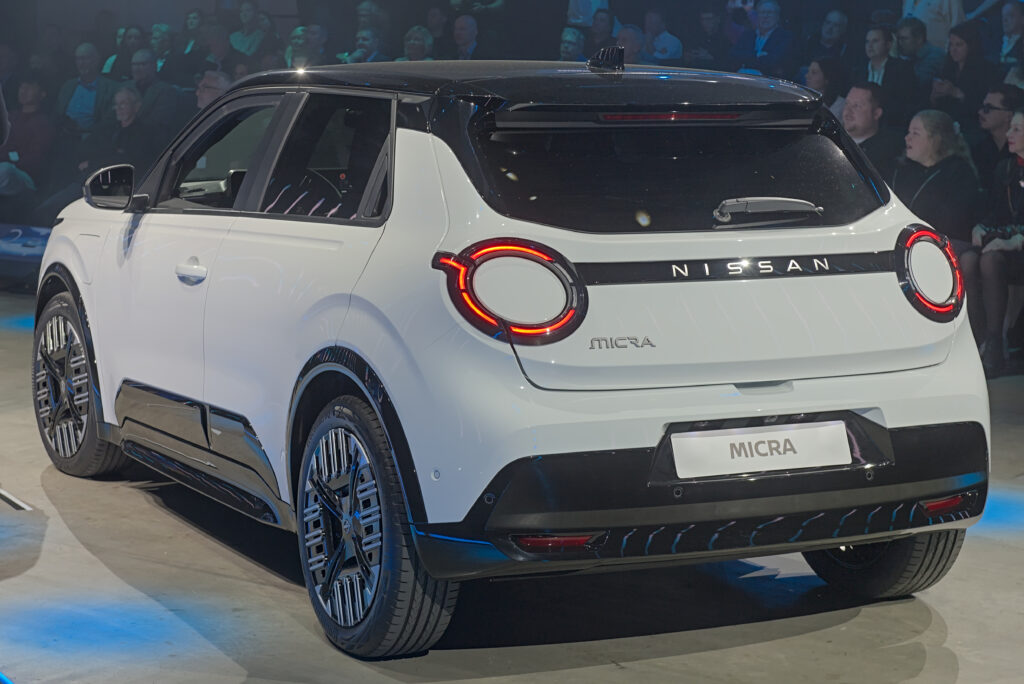
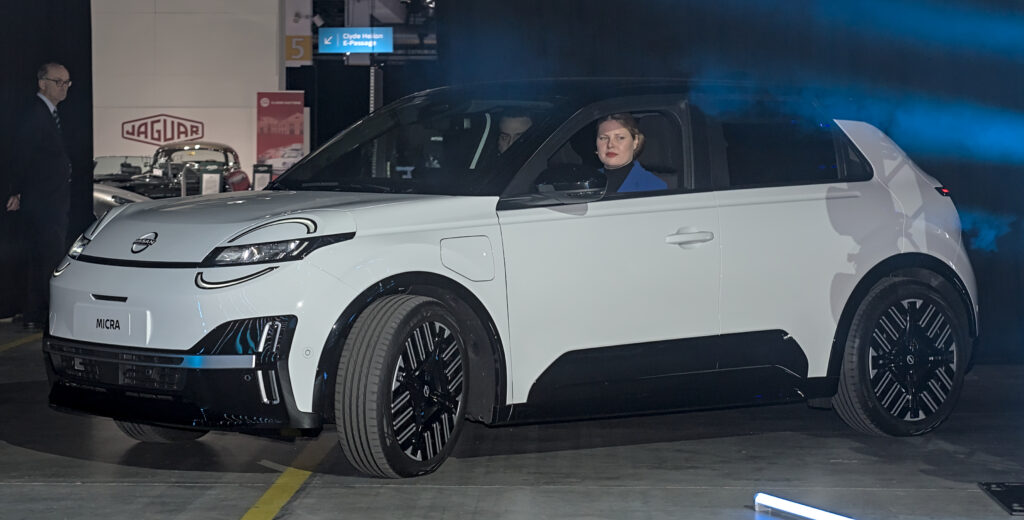
The 2025 Micra also brings a new design trend which makes it stand out of the past generations and still maintains the playful nature of the model. Nissan designers were also inspired by the concept cars of the future especially the Nissan 20-23 concept and based their automobile on this concept to give it a modern look. Rather than the retro styling indicators, the new Micra addresses the clean lines and the modern aspects that focus on the electric identity. The purpose of the design is to attract and be as practical as possible so that the car feels like a new one and a highly technological car. This aesthetic change assists the Micra to compete in a market where electric cars are increasingly depending on unique aesthetics as a way to differentiate themselves.
Design Donation of the New Micra:
- Concept-based futuristic styling.
- monolithic closed front grille pattern.
- Circular daytime running light signature.
- Small size to fit the city roads.
- Modern appearance with an electric identity.
At the front, the Micra features a smooth grille area that reflects the reduced cooling needs of electric powertrains. Circular daytime running lights surround rectangular LED headlights, creating a recognizable lighting pattern that gives the vehicle a friendly yet confident presence. The car’s compact dimensions remain one of its greatest strengths, measuring just under four meters in length. This size allows drivers to navigate narrow streets and tight parking spaces with ease. By combining expressive design details with practical proportions, Nissan ensures the Micra retains its reputation as a city-friendly hatchback while embracing a new electric future.
4. Distinctive Exterior Features
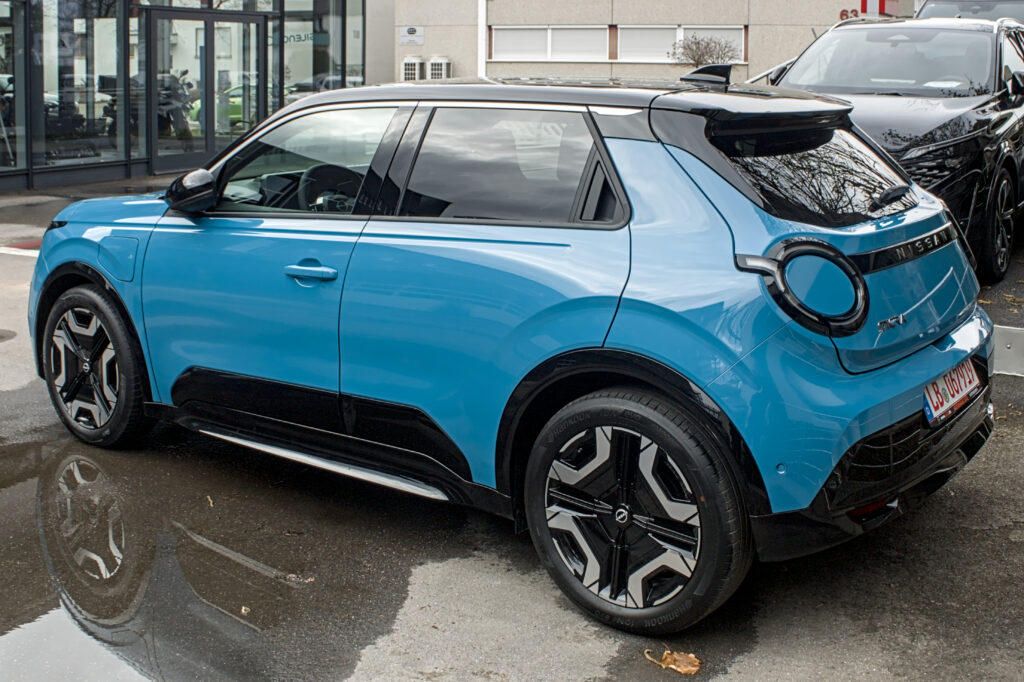
Beyond its overall shape, several styling details give the Micra a dynamic and energetic appearance. Designers introduced sculpted body panels and a high shoulder line that create a sense of movement even when the car is stationary. Gloss-black cladding along the lower sections of the body adds visual contrast while subtly reinforcing the vehicle’s durability. These design elements help the compact hatchback appear more substantial than its small footprint might suggest. The result is a car that blends playful character with a confident stance suited for modern urban environments.
Exterior Design Details:
- High shoulder line sculpted body
- Gloss black lower body cladding
- Flared wheel arches sporty stance
- Large alloy wheels bold appearance
- Two tone roof design option
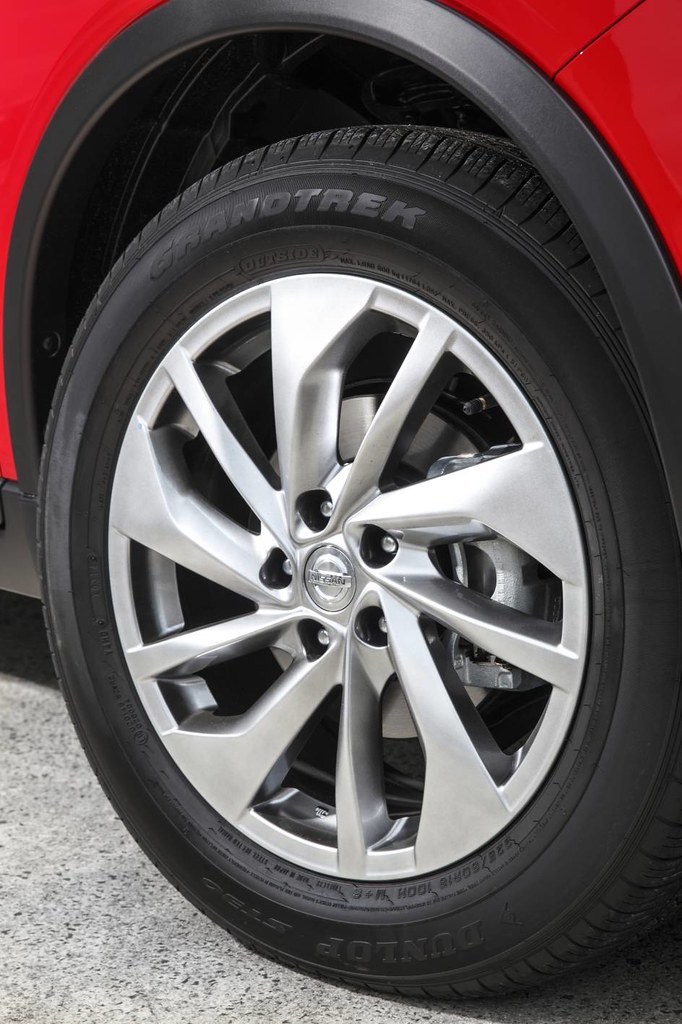
Large alloy wheels sit within the flared wheel arches, enhancing the Micra’s sporty and planted look on the road. The optional black roof creates a stylish two-tone effect that adds personality without overwhelming the vehicle’s overall design. At the rear, circular tail lamps mirror the front lighting elements, establishing a cohesive visual theme throughout the car. This consistent lighting design ensures the Micra remains recognizable both during the day and at night. Altogether, these exterior details give the compact electric hatchback a distinctive identity that blends style, practicality, and modern electric vehicle aesthetics.
5. Interior Layout and Driver-Focused Design
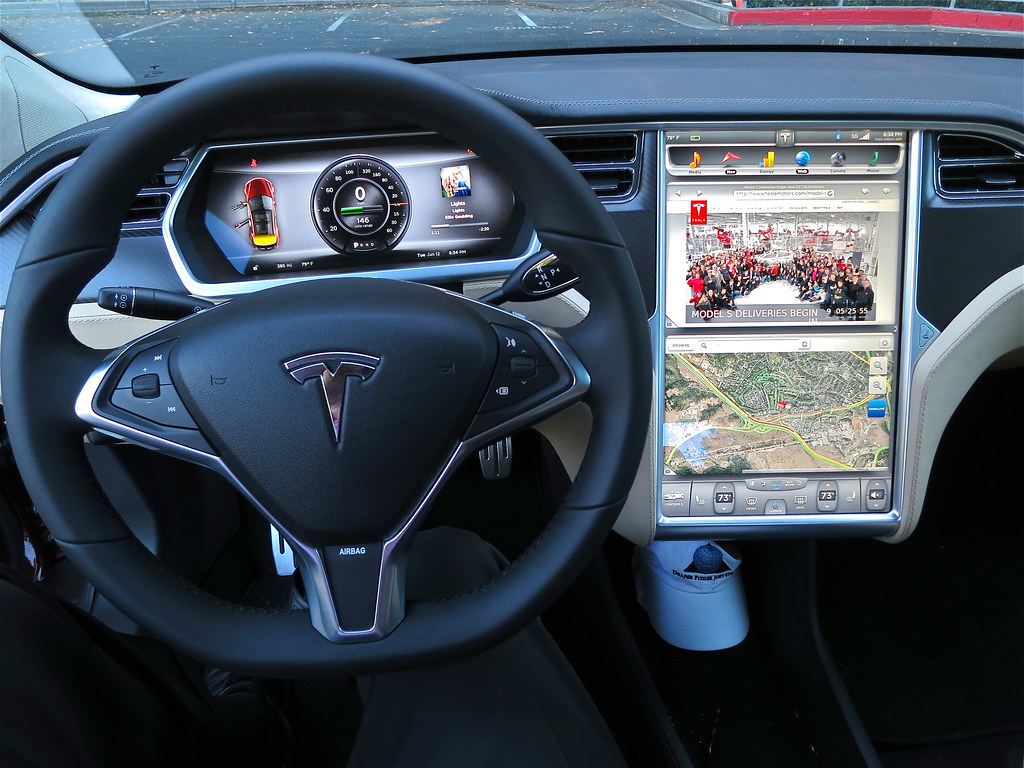
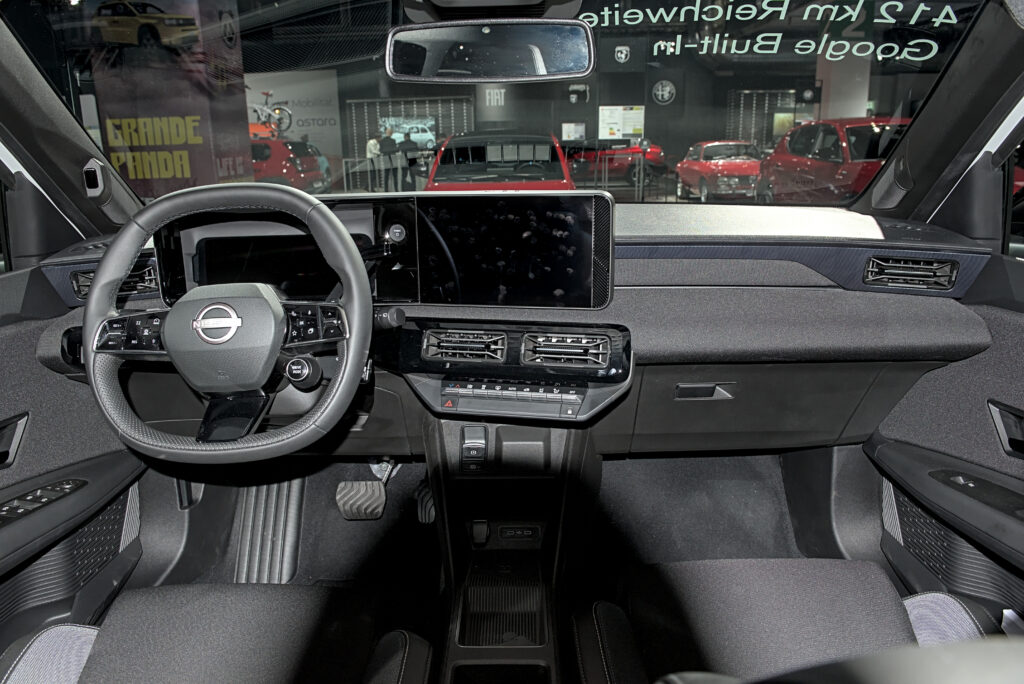
Inside the cabin, the Micra features a modern interior layout that emphasizes clarity, technology, and driver convenience. The dashboard is organized around two digital displays integrated into a single horizontal panel. One screen functions as the digital instrument cluster, providing essential driving information such as speed, battery status, and range. The second screen serves as the infotainment display, allowing drivers to access navigation, media, and connectivity features. This dual-screen setup creates a clean and contemporary cabin environment that reflects the vehicle’s electric character.
Interior Technology Highlights:
- Dual integrated digital display screens
- Driver focused angled center console
- Clear instrument cluster information layout
- Central infotainment for connectivity features
- Physical buttons for climate controls
Despite the strong emphasis on digital technology, Nissan designers maintained physical buttons for important functions such as climate control adjustments. This balance ensures drivers can make quick changes without navigating complex touchscreen menus. The center console is slightly angled toward the driver, making controls easier to reach and reinforcing the car’s driver-centric design philosophy. By combining intuitive controls with modern digital displays, the Micra’s interior offers a comfortable and practical environment for daily commuting. The cabin design ultimately reflects a thoughtful approach that prioritizes both technological convenience and everyday usability.
6. Comfort and Interior Personalization
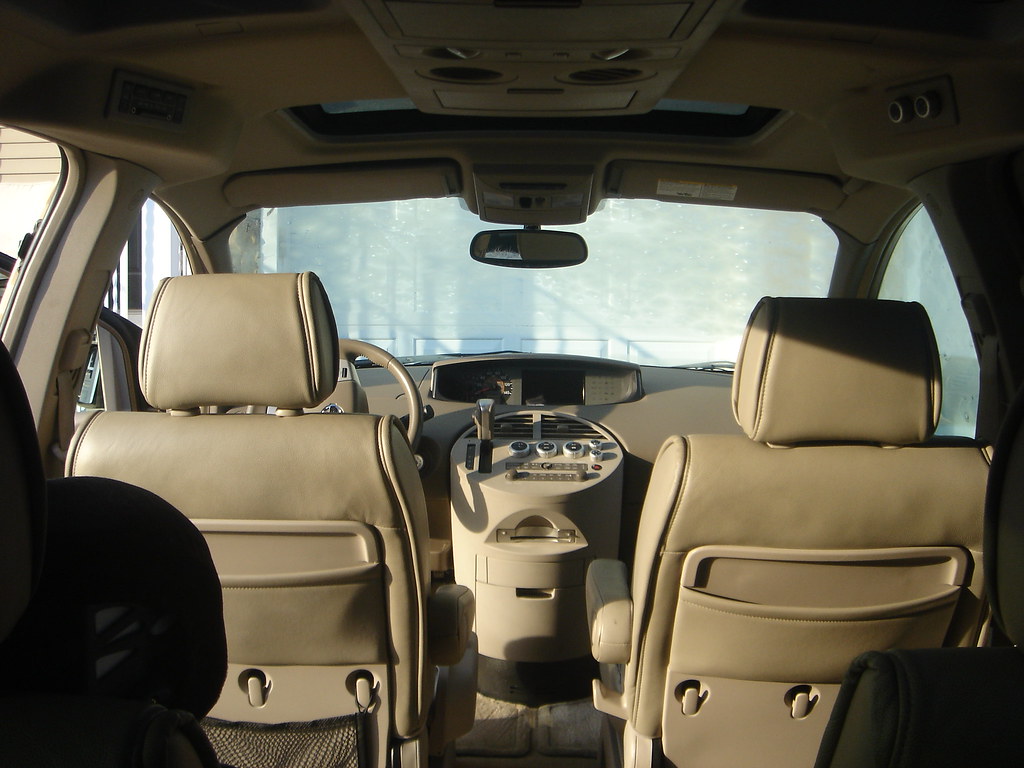
Beyond technology and digital features, the Micra’s interior includes several thoughtful design touches that enhance comfort and individuality. One of the most unique elements is a small molded silhouette of Mount Fuji hidden within the cabin storage area. This subtle detail reflects Nissan’s Japanese heritage and adds a playful character to the cabin. Although it is a small feature, it contributes to the overall personality of the interior and makes the car feel more distinctive. These details demonstrate how design can influence the emotional connection drivers have with their vehicles, even in compact city cars.
Interior Comfort and Personalization:
- Mount Fuji heritage design detail
- Multiple upholstery material combinations available
- Contrasting interior color accent themes
- Multicolor ambient cabin lighting system
- Customizable atmosphere for driver preference
Seat materials and color combinations further enhance the interior’s customizable feel. Upholstery options combine fabric and leather-like materials with contrasting accents to create a modern and lively cabin environment. Ambient lighting strips placed along the dashboard and door panels allow drivers to adjust the mood of the interior according to their preferences. The multicolor lighting can create a calm nighttime atmosphere or highlight the car’s design elements after dark. Together, these features ensure the Micra’s interior feels stylish, comfortable, and personalized for everyday driving.
7. Practical Space and Cargo Capacity
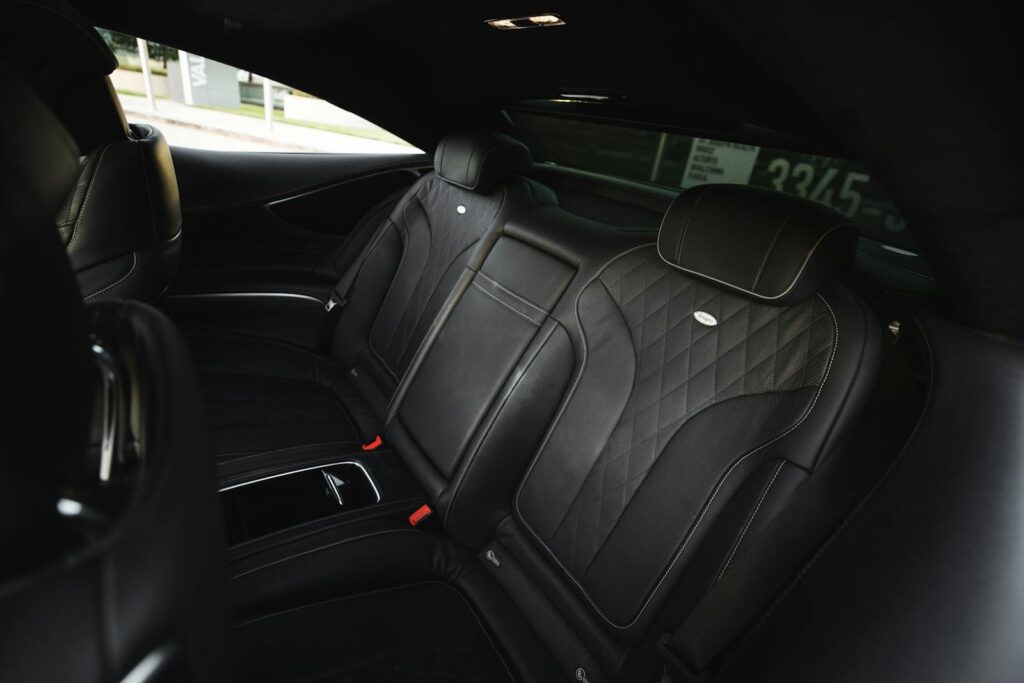
Practicality has always been one of the Micra’s defining characteristics, and the electric version continues that tradition with a smartly designed interior layout. Despite its compact exterior dimensions, the cabin offers seating for five passengers along with flexible storage solutions. The rear bench seat can fold down in a 60:40 split configuration, allowing drivers to carry larger items without sacrificing all passenger space. This adaptability ensures the Micra remains useful for everyday activities such as shopping trips or short travel journeys.
Interior Space and Storage Features:
- Five seat compact hatchback layout
- 60:40 split folding rear seats
- Practical luggage space for daily use
- Multiple interior storage compartments available
- Flexible cargo space for larger items
The luggage compartment provides sufficient space for groceries, backpacks, and daily essentials. When additional room is required, folding the rear seats expands the cargo area significantly, allowing larger items such as suitcases or sports equipment to fit comfortably. The Micra also includes useful interior storage areas such as a spacious glove compartment, door pockets, and a central console. These practical features make the vehicle highly convenient for commuting, errands, and weekend outings. Even as an electric hatchback, the Micra continues to prioritize everyday usability.
8. Electric Powertrain and Performance Options
The Micra EV has various powertrain options to allow the driver to choose the one that suits their everyday requirements. The entry-level model has a 40 kWh battery pack and an electric motor that is configured to be balanced in efficiency and smooth performance in urban areas. The arrangement gives sufficient power to make the daily commutes and has an efficient driving range that is appropriate in the city setting. Nissan also has a larger battery option as an option that drivers who desire higher performance and can cover a longer distance.
Electric Performance Options:
- Two driver battery arrangements.
- 40 kWh entry level battery pack
- Larger 52 kWh battery option
- Immediate electric torque acceleration reaction.
- Smooth and quiet EV driving
The 52 kWh battery model has a better acceleration and driving range between charges. Electric motors bring about instantaneous torque which implies that the Micra will react in real time when it has to start at a traffic light or even when joining the traffic on busy roads. Even though it is not a high-performance car, the electric motor provides a responsiveness that is lively and enhances enjoyment of everyday driving. The quiet and seamless movement of the electric vehicles also aids in some luxurious driving experience in the city roads and in the long distances.
9. Charging, Range and Energy efficiency
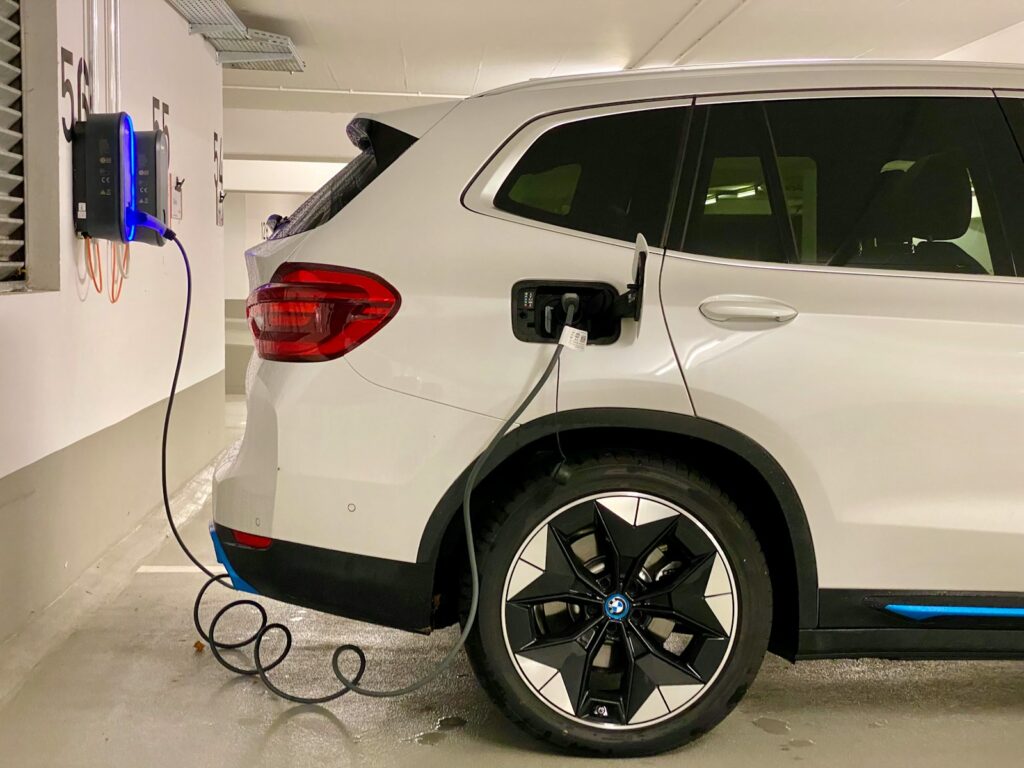
Flexibility in charging is one of the elements that are very important to electric cars, and the Micra offers a number of options to accommodate various driving patterns. AC power sources provide a home charging option so that the vehicle may be charged overnight and the owner would have a vehicle ready to traverse the day. This strategy would be convenient to motorists who mainly commute in the city. Among the home charging options, the Micra can also be charged through public networks which are rapidly developing in most locations.
Battery Charging and Range Highlights:
- Overnight home AC convenience.
- Quick DC public charging interoperability.
- Range varies by battery size
- Up to 400 km driving range
- Efficient city energy consumption.
The high-powered DC charging stations enable the drivers to replenish a significant percentage of the battery within a comparatively limited amount of time, which makes longer routes more realistic. The charging network of the Micra is compatible with numerous connectors that are currently being used by most charging networks. With a large battery size and depending on the driving conditions, the car can attain impressive driving range values. When tested under optimum standards, the bigger battery set up can have a range of over 400 kilometers. This is the ability that enables the large number of drivers to work several days commuting without the need to recharge.
10. Driving Assistance and Safety Technology
New cars are now heavily dependent on safety features, and the Micra has a huge selection of driver support features designed to enhance road awareness and prevention of accidents. Lane-keeping assistance, forward collision warnings and automatic emergency braking are some of the features that constantly monitor the environment. These systems give warnings or intervene when there is a possibility of hazardous situations, which assists the drivers to be more controlled and conscious when the situation is hazardous in the busy traffic conditions.
High-level Safety and Driver Assistance:
- Safety system Lane keeping assistance.
- FCW technology inbuilt.
- Automatic emergency braking protection system.
- Highway assistive cruise control.
- Divergent visibility of the blind spot of the monitoring driver.
Other technologies assist the drivers on the highway and within urban areas. Adaptive cruise control is able to automatically use the vehicle speed to ensure the vehicle is safely following the traffic in front of it. Blind-spot monitoring assists in the detection of the vehicles, which are in the area that the mirrors cannot easily view. The Micra also has a complete arrangement of airbags as well as advanced systems of seatbelts that ensure the safety of the occupant in case of collisions. The sensors in the car constantly monitor the traffic and road conditions and make sure that the safety systems are timely and react to it.
Nissan Micra EV 2025 is a significant change to an already well-known compact hatchback. This has seen Nissan redesign the Micra into an urban car that is a modern car that meets the current environmental requirements and expectations of drivers. It has small dimensions, convenient interior, and effective electric power, which makes it especially convenient in terms of mobility in cities.
Considerate interior and exterior design contribute to the Micra retaining its approachable nature, yet gives it a new modern appearance. There are several battery choices that enable the buyer to have a variety of battery types to choose between efficiency and greater range and offers the vehicle options based on different lifestyles. The Micra represents the extent to which compact electric cars have come over the last few years with the inclusion of modern connectivity features and improved driver assistance system. To drivers looking to have an easy route to electric transportation, the Micra EV is an equal compromise between practicality, technology, and daily usability. Not only does its launch re-introduce a familiar brand name to the market, but it also indicates the bigger trend of cleaner and more efficient transportation solutions aimed at the cities of tomorrow.
The Nissan Micra EV 2025 is a significant change in the life of a well-known compact hatchback. Nissan has transformed the Micra into a modern city car by full electrification, which is in line with the evolving environmental requirements and expectations of the drivers. The dimensions of this car, as well as its spacious interior, and the effectiveness of the electric power system make it especially applicable to the urban mobility.
Careful design details on the interior and exterior contribute to Micra sustaining its friendliness and at the same time providing a new modern image. There are several battery solutions that enable a buyer the choice between efficiency and longer range of drive to provide the vehicle with flexibility to fit various lifestyles. The Micra is indicative of the extent to which compact electric vehicles have developed over the past few years with the introduction of modern connectivity functions and advanced driver assistance systems. To the drivers who want to get an easy to understand electric vehicle, the Micra EV has a reasonable balance of practicality, technology, and convenience in daily use. Its revival does not only reawaken a familiar nameplate but the continued trend of the cleaner and more efficient forms of transportation solutions that can be used in cities of the future.