


A Tesla Owner’s 8,500-Mile Journey Camping in His Car
For years, the idea of taking a cross-country trip in an electric vehicle was wrapped in anxiety and doubt. Stories of broken chargers, endless waiting times, and drained batteries shaped public perception. Many imagined EV travel as stressful and unpredictable. Yet, real-world experiences are now rewriting that narrative, showing that modern electric vehiclese specially Teslas can make long-distance travel simpler, calmer, and even more comfortable than traditional road trips.
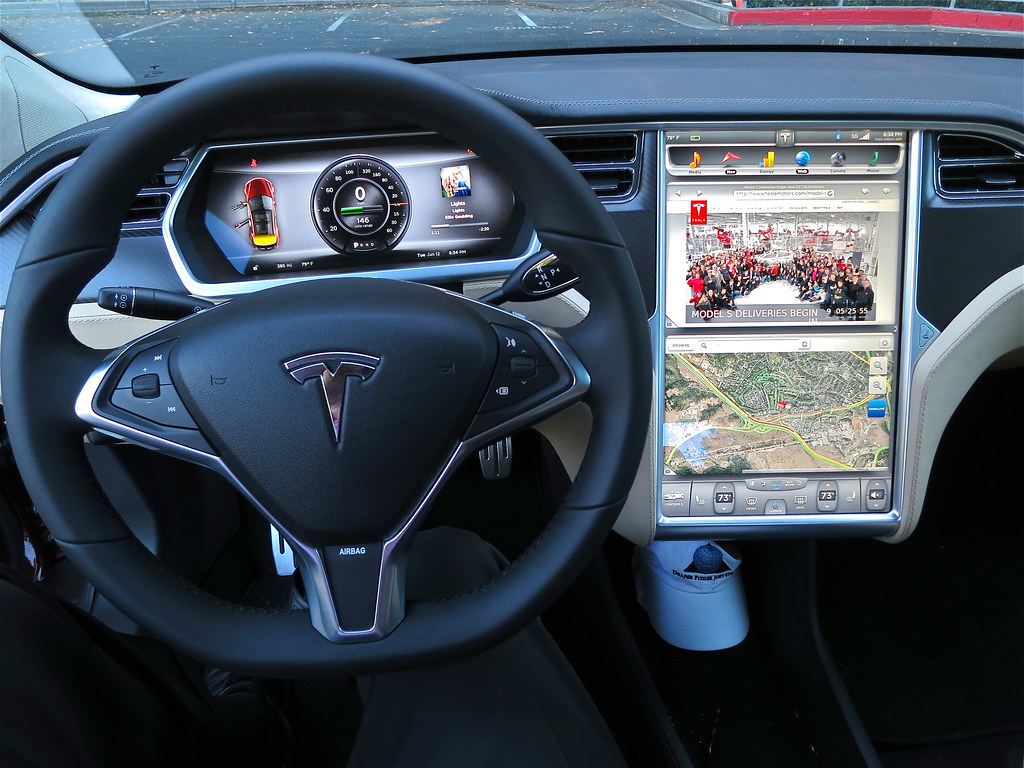
At the center of this shift is Tesla’s unique approach to blending technology with comfort. Features like advanced navigation, fast-charging networks, and intelligent climate systems allow drivers to travel without constant worry. What surprises many people most, however, is how Teslas are being used not just as transportation, but as overnight shelters, fundamentally changing how travelers think about lodging and rest during long journeys.
1. Why One Tesla Owner Chose the Open Road Over Hotels
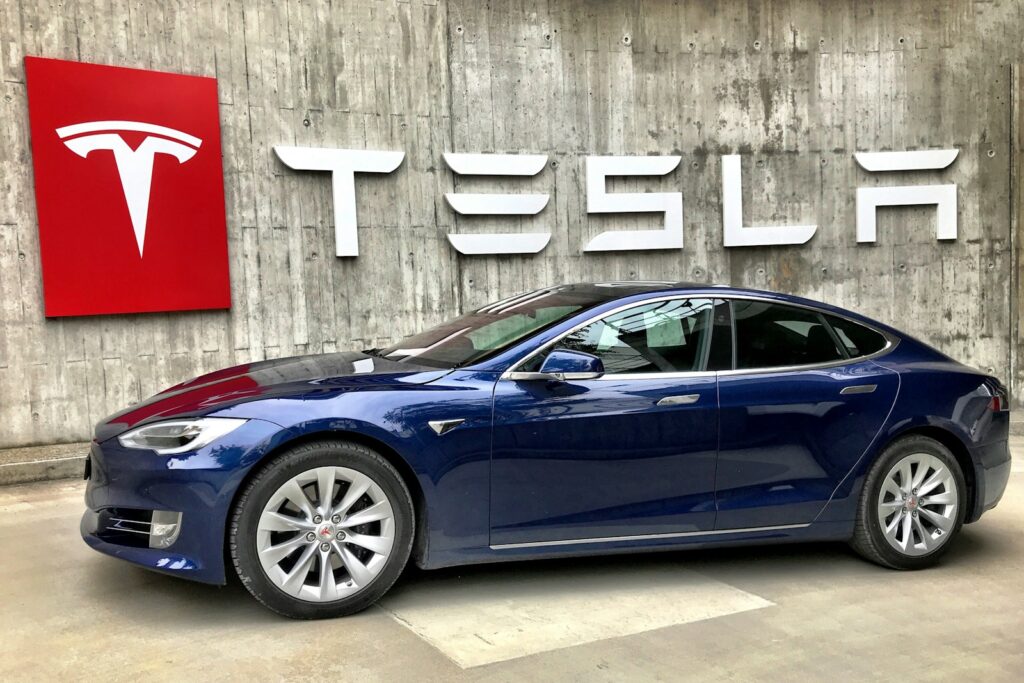
David Craig, a 71-year-old traveler from Southern California, set out on a 19-day, 8,500-mile road trip with modest expectations. What he discovered along the way was a new kind of freedom. Driving his 2020 long-range Tesla Model S, Craig found that sleeping inside his vehicle was not a compromiseit was an upgrade. His Tesla became both transportation and a dependable place to rest each night.
Reasons David Craig Preferred Tesla Camping
- Consistent comfort compared to unpredictable motels
- No daily check-ins or reservations to manage
- Freedom to stop wherever charging was available
- Quiet, temperature-controlled sleeping environment
- Reduced travel stress during long road trips
Craig explained that roadside motels often brought uncertainty, ranging from cleanliness issues to safety concerns. By sleeping in his Tesla, he eliminated those variables. Each night felt familiar and controlled, allowing him to focus on enjoying the journey rather than worrying about where he would stay.
2. How Camp Mode Turns a Tesla Into a Comfortable Bedroom
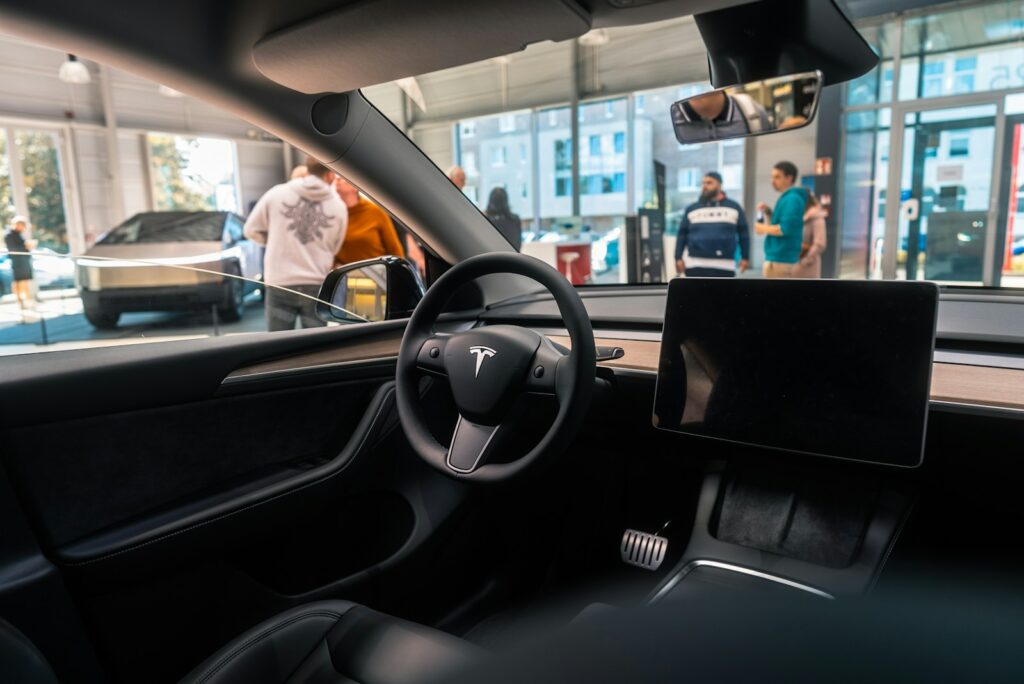
Tesla’s Camp Mode plays a crucial role in making overnight stays inside the vehicle practical. Introduced in 2021, the feature allows the car to maintain a stable interior temperature and continuous airflow without interruption. Unlike gas-powered cars that require engines to cycle on and off, Tesla’s electric system runs quietly and consistently throughout the night.
Key Features of Tesla’s Camp Mode
- Maintains steady cabin temperature overnight
- Provides constant airflow without engine noise
- Keeps USB ports and outlets powered
- Allows music, video streaming, or ambient visuals
- Automatically dims the screen for sleep comfort
For Craig, Camp Mode removed the physical discomfort typically associated with sleeping in a car. He described the experience as restful and reliable, noting that the cabin stayed comfortable regardless of outside conditions. This seamless climate control allowed him to wake up refreshed and ready for long driving days.
3. Finding the Most Comfortable Sleeping Setup Inside a Tesla
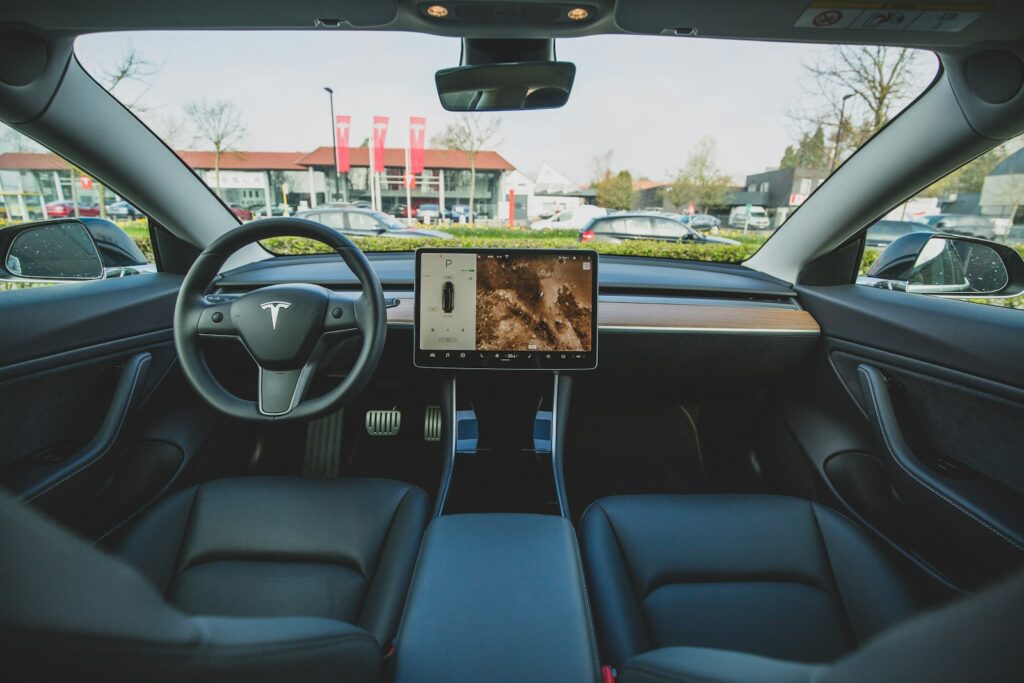
One of the most surprising elements of Craig’s experience was discovering where he slept best. While many Tesla campers opt to fold down rear seats and use mattresses, Craig found that approach too confined. Instead, he reclined the front seat, used a pillow, and treated it like a lounge chair. He described the comfort level as comparable to a La-Z-Boy recliner.
Comfort inside a Tesla can vary by personal preference. Some travelers prioritize space, while others focus on simplicity. Craig’s minimalist setup proved effective, reducing setup time and allowing him to settle in quickly each night without rearranging the vehicle’s interior.
4. Managing Charging and Driving During a Cross-Country EV Trip
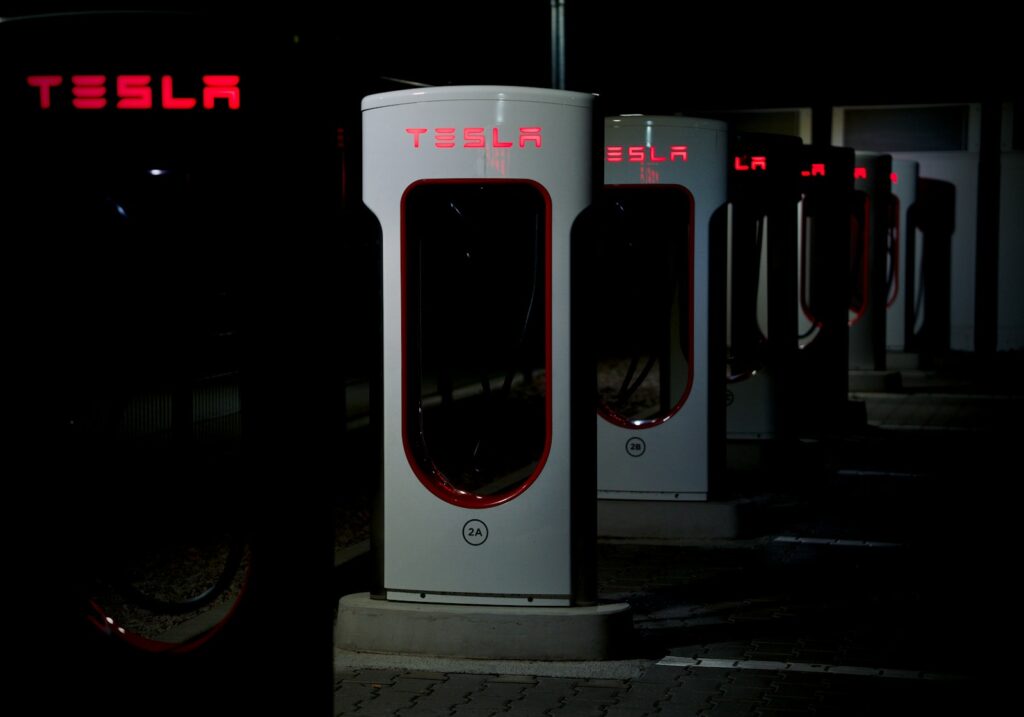
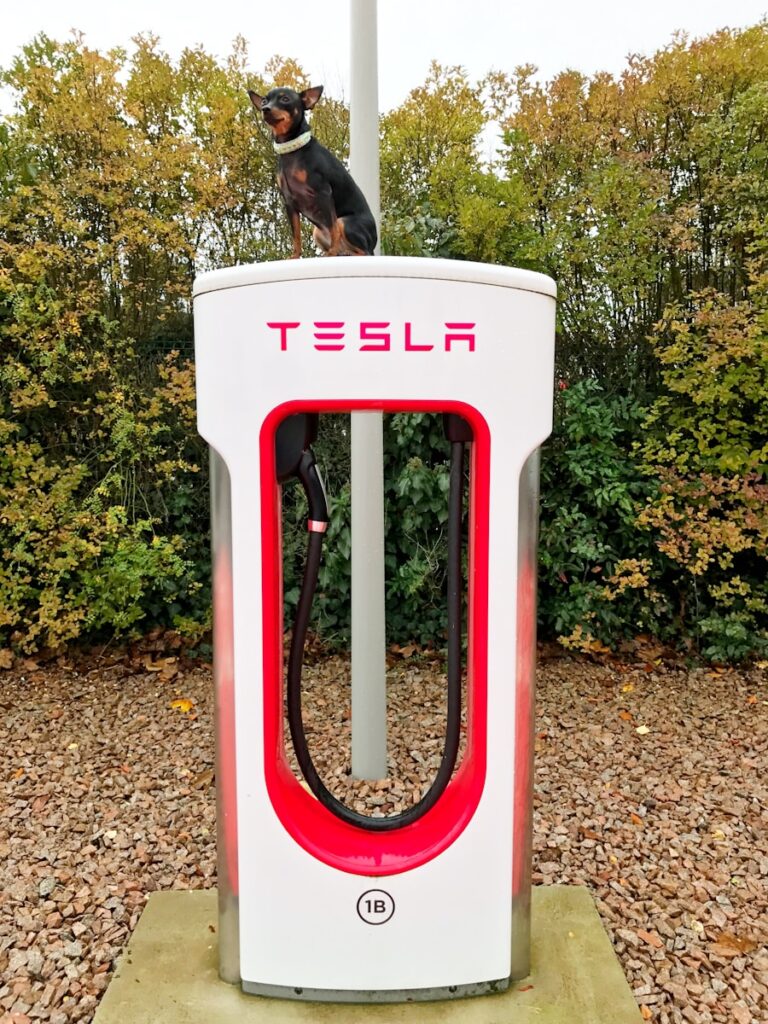
During his 19-day journey, Craig regularly drove between six and ten-and-a-half hours per day. Despite common fears about EV range, charging rarely disrupted his schedule. Tesla’s Supercharger network allowed him to recharge efficiently, often during meal breaks or just before stopping for the night.
How Charging Fit Into the Daily Routine
- 20–30 minute charging stops at Superchargers
- Charging aligned with lunch or rest breaks
- Navigation system suggested optimal routes
- Reliable charger availability even in rural areas
- No need for overnight charging every night
Craig found Tesla’s navigation system dependable, guiding him to chargers without last-minute stress. Even in small towns across Kansas and Arkansas, he was never stranded. Over time, he learned to trust the system, eliminating the range anxiety he initially felt during earlier trips.
5. How Tesla Autopilot Reduced Fatigue on Long Drives
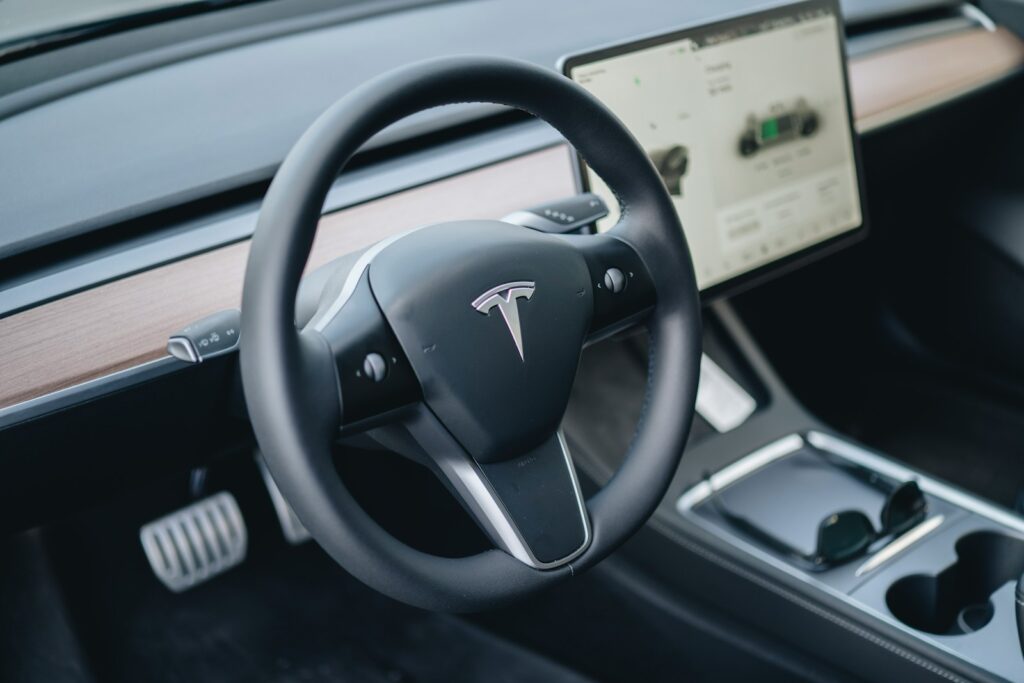
Long-distance driving can be physically and mentally exhausting, especially for solo travelers. Craig credited Tesla’s Autopilot driver-assistance system with significantly reducing fatigue. While he remained attentive behind the wheel, the system helped manage lane positioning and speed, easing the mental load during extended highway stretches.
Autopilot did not replace the responsibility of driving, but it made the experience smoother and less draining. By reducing constant micro-adjustments, Craig could stay alert longer and arrive at his stopping points feeling less worn out after full days on the road.
6. Parking Safely While Sleeping Inside a Tesla
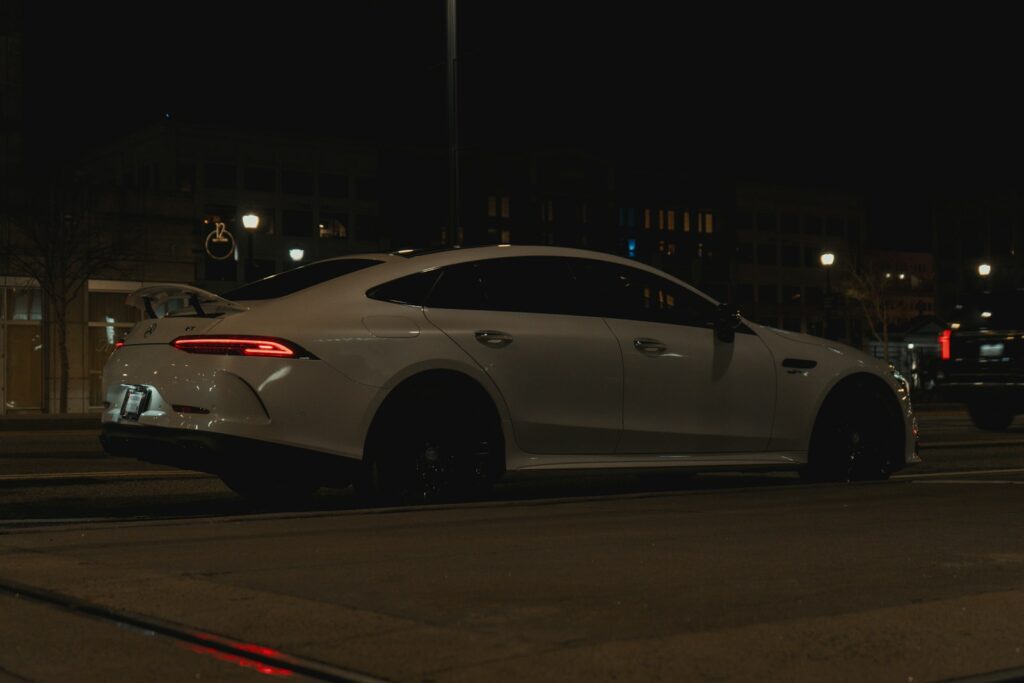
Safety is a major concern when sleeping in a vehicle, and Craig approached it thoughtfully. He often parked near Supercharger locations, which tend to be well-lit and active around the clock. This constant activity provided a sense of security without drawing unwanted attention.
Safety Practices for Tesla Camping
- Parking in well-lit, populated areas
- Avoiding isolated or poorly reviewed locations
- Parking near, but not inside, charging stalls
- Arriving before dark to assess surroundings
- Keeping doors locked without using Sentry Mode
Craig emphasized the importance of avoiding Sentry Mode while sleeping. The system can mistake movement inside the car as a threat, triggering a loud alarm. Instead, manually locking the doors ensured safety without unnecessary disruptions.
7. Understanding Battery Drain While Using Camp Mode
Battery usage is a common concern for first-time Tesla campers. While Camp Mode is efficient, it does consume power throughout the night. On average, drivers can expect a 1–2% battery drain per hour, depending on temperature differences between the cabin and the outside environment.
In extreme cold, battery usage increases significantly. One camper reported losing over half the battery during a freezing night. Planning ahead by charging sufficiently before sleeping ensures peace of mind and avoids morning surprises.
8. Why Sleeping in a Tesla Can Be Safer Than Traditional Camping
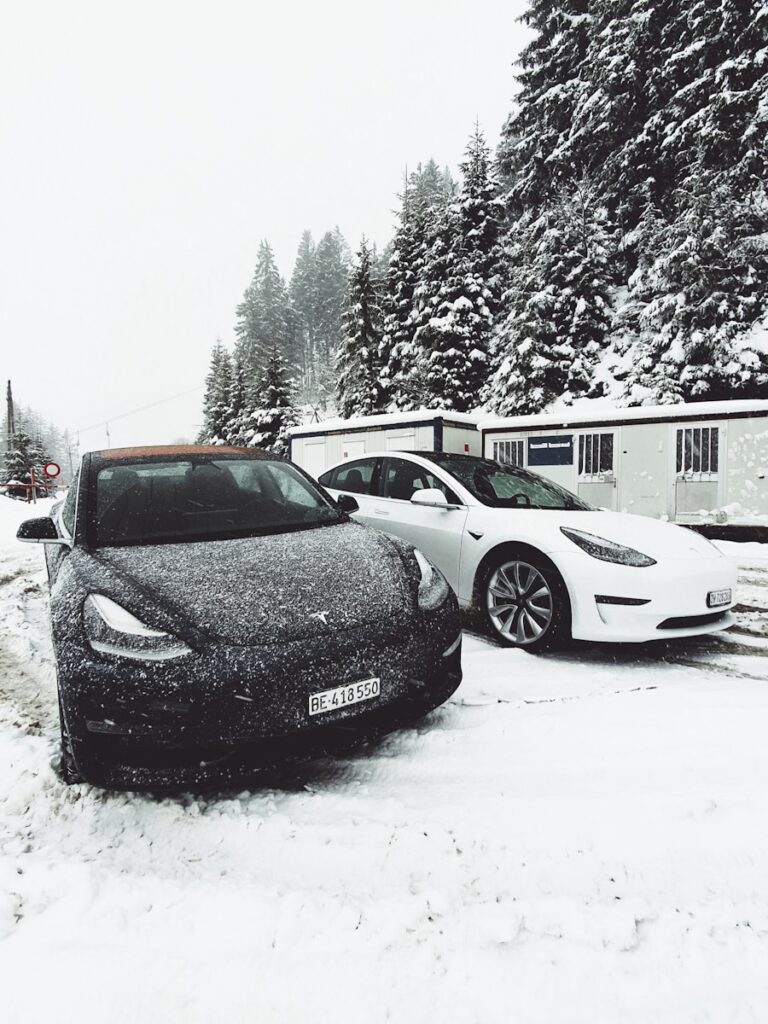
Compared to tents or gas-powered vehicles, Tesla camping offers unique safety advantages. The sealed cabin protects occupants from weather, insects, and wildlife. More importantly, the electric system allows climate control without producing dangerous exhaust fumes.
This eliminates the carbon monoxide risks associated with running gas engines overnight. For solo travelers like Craig, this added layer of safety made Tesla camping feel not only comfortable, but also reassuring during long journeys.
9. Legal Considerations When Sleeping in Your Car
The legality of sleeping in a vehicle varies widely by location. Some cities have strict ordinances against overnight car camping, while others are more lenient. Businesses such as Walmart may allow overnight parking, but policies differ by store.
Tips for Avoiding Legal Issues
- Research local overnight parking laws
- Call businesses ahead to confirm policies
- Check campground rules regarding car sleeping
- Avoid staying multiple nights in one location
- Have backup locations planned
Craig emphasized the importance of flexibility. Having alternative spots identified prevented stress when a planned location didn’t work out.