



Beyond the Odometer: What 60,000 Miles Means for a Used Car
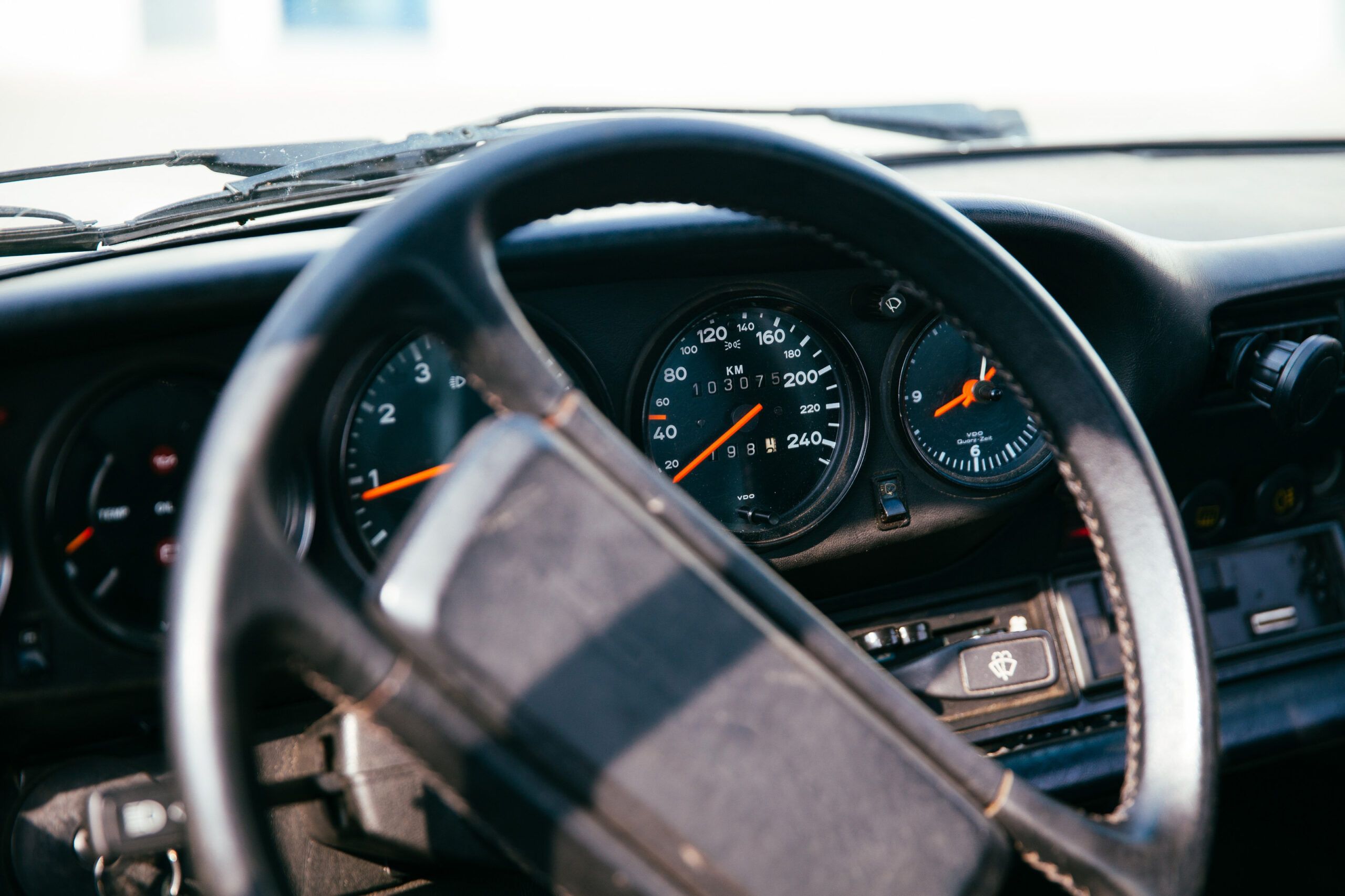
The odometer reading is often the first and most vociferous voice in the conversation regarding the purchase of a used car. When 60,000 miles show, that may often prove to be just that particular pause, insinuating that a vehicle has lived a full life but still has promise. To many buyers, this would seem like a dividing line between dependable transportation and looming repairs, though mileage alone often tells little about the real condition of a vehicle.
Why Mileage Feels So Important to Buyers
- It gives a quick comparison of vehicles
- It creates assumptions regarding wear and tear
- It affects resale and perceived value
- It affects insurance and financing decisions.
- It often overshadows the maintenance history
In truth, mileage tells only a part of what is often a very long story. Far more significant than the figure itself was how the car was driven and serviced and kept. A well-cared-for car at 60,000 miles may outshine a neglected one having half that distance in it, proving that context is everything in assessing used vehicles.
1. How Automotive Longevity Has Changed Over the Years
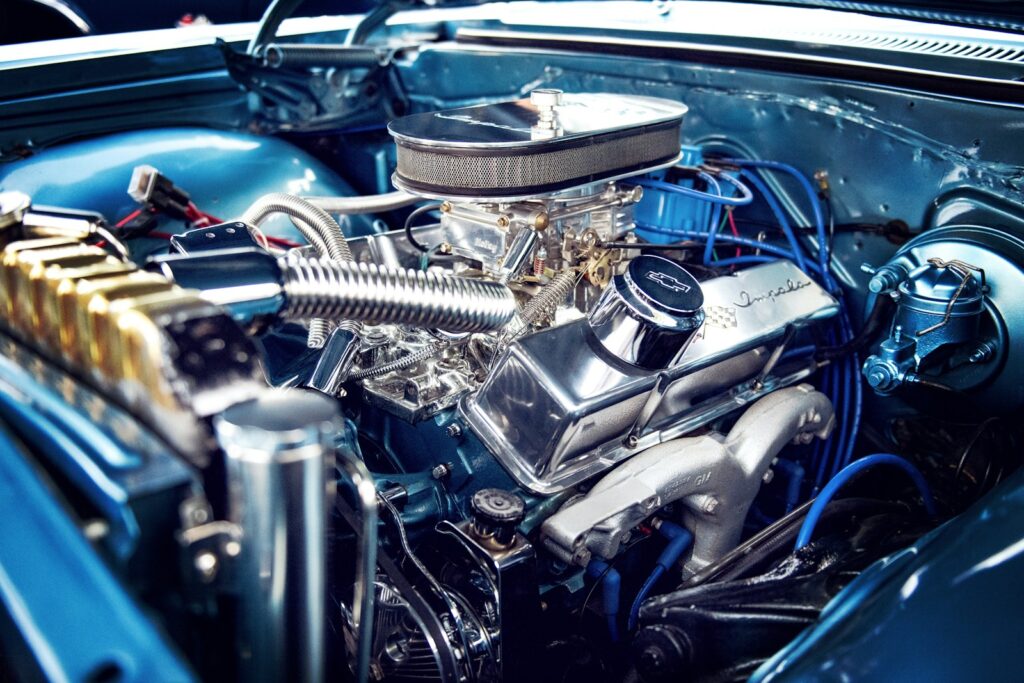
A brief look at automotive history helps explain why 60,000 miles today means something entirely different. Decades ago, reaching this mileage often heralded the fact that a car was nearing the end of its trustworthy years. Engines were less refined, rust protection limited, and manufacturing tolerances looser, making longevity far less predictable than it is today.
What Improved Vehicle Lifespans
- Improved engine materials and machining
- Advanced engine management systems
- Improved rust proofing and coatings
- Higher quality lubricants and fluids
- Stricter manufacturing standards
With modern design and construction, vehicles are engineered to go on considerably longer, so long as proper maintenance is regularly conducted. Today, many cars comfortably exceed 200,000 miles without major mechanical failure. In such a context, 60,000 miles represents a midpoint rather than a warning sign, inasmuch as the vehicle has received regular and suitable care throughout its life.
2. Defining “Good Mileage” in Today’s Market
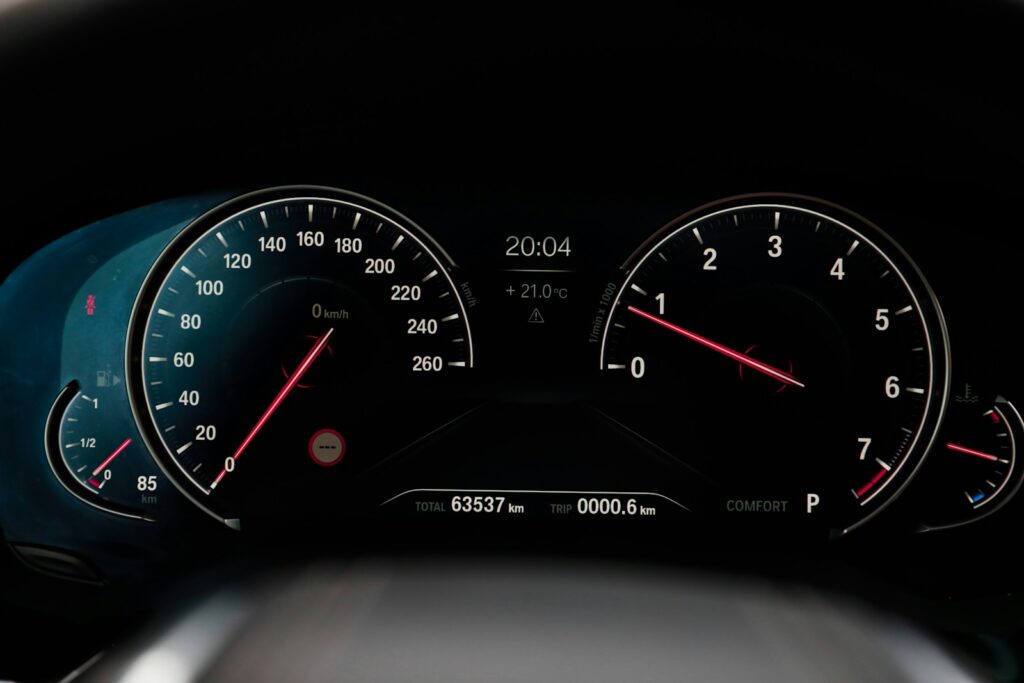
Considering the mileage in isolation is a great deal less meaningful than considering it against age. The average driver puts on 12,000 to 15,000 miles per year. Against this yardstick, a five-year-old car recording 60,000 to 75,000 miles falls right into the range of normal use and should not necessarily sound an alarm.
How Mileage Relates to Vehicle Age
- Under average miles suggests limited use.
- Average miles show typical ownership
- Higher miles point to heavy usage.
- Very low mileage could indicate inactivity
- Context determines actual value.
This approach based on age does not allow buyers to overvalue low-mileage cars or undervalue the higher mileage ones. The balanced approach weighs if the mileage is appropriate for how long the car has been on the road, thus forming a more realistic picture of how much wear and life are really left.
3. Why low mileage isn’t always a perfect sign
At first blush, a low-mileage used car seems like an obvious win. Fewer miles often suggest reduced wear on major components, especially when coupled with gentle usage. The thing is that vehicles are manufactured to be regularly driven, and long periods of inactivity can quietly introduce problems that don’t appear on the odometer.
Low Mileage Car: Hidden Risks
- Dry or cracked rubber seals
- Flat-spotted or aged tyres
- Corroded brake components
- Degraded fluids from time exposure
- Batteries deteriorate
Those that simply sit are likely to have ills unrelated to mileage. Short trips and very infrequent driving prevent the engine from warming up fully; that hastens internal wear and tear. Thus, an extremely low-mileage car may need just as much attention as one which has seen periodic but responsible use.

4. Understanding High Mileage through Driving Conditions
High mileage can bring up questions regarding mechanical fatigue, but not all miles are created equally. A car that reached 80,000 highway miles may be better than a city-driven vehicle with fewer miles put on it. Highway driving is much easier on engines, transmissions, and braking systems than constant stop-and-go traffic is.
How Driving Style Affects Wear
- Driving on highways reduces brake stress
- City driving increases transmission strain
- Stop-start traffic accelerates engine wear
- Short journeys prevent full warm-ups
- Smooth Cruising for Longevity
Comparing mileage without the knowledge of driving conditions may lead to wrong judgments. Cars that have done their major mileage in open areas usually go through less extreme temperature fluctuations and harsh cycles, with the result that several important parts last longer despite the high mileage reading.
5. Brand Reputation and the Role of Mileage Expectations
Not all vehicles age equally, and brand reputation certainly factors into what mileage means to a potential buyer. Whereas some vehicle manufacturers are noted for building cars and/or trucks that remain quite reliable long after 200,000 miles of use, others may begin to develop very expensive problems well before such high mileage is reached. Knowing such tendencies allows buyers to make more informed choices.
Why Brand Reliability Matters
- Proven durability of engine and transmission
- Strong track records in reliability studies
- Abundant replacement parts availability
- Reduce long-term ownership costs
- Larger owner support communities
But researching reliability rankings and owner feedback can provide more than what is in advertisements. A well-documented history of durability can surely make a 60,000-mile car much less intimidating; for it is comforting to be assured that the brand has consistently given long-term performance over successive car model generations.

6. Looking Beyond the Odometer Reading
Mileage must never be judged alone. A well-maintained and high-mileage car will always run better compared with a low-mileage one that has been neglected. The state of maintenance, service record, and responsible care for the car over a period of time are the true yardsticks of a car’s condition.
Factors More Important than Mileage
- Consistent maintenance history
- Mechanical and cosmetic condition
- ownership habits
- Driving environment
- Storage Conditions
When the focus of buyers shifts from mileage alone to the overall health of the vehicle, better purchasing decisions follow. A balanced approach reduces risks and heightens the probability of picking a car that will be dependable well into future ownership.

7. Why Maintenance Records Matter Most
The best predictor of a vehicle’s future reliability is its maintenance history. Regular oil changes, fluid replacements, and brake servicing, including inspections, keep all systems running as designed. Service records will disclose whether the previous owner did what the manufacturer recommended or allowed essential upkeep to slide.
What To Look for In Service Records
- Routine oil and filter changes
- Timely brake inspections
- Fluid replacement intervals
- Scheduled maintenance milestones
- Consistency across ownership
Less-driven cars still need their timely servicing, and this is often overlooked. Records that are incomplete or sparse do not quite invalidate the car but should be an impetus for closer inspection and even stronger negotiation, since invisible skipped maintenance may lead to high costs after purchase.

8. Using Vehicle History Reports Wisely
A vehicle history report provides information not usually available from a seller. Inputting the VIN accesses data compiled from dealerships, repair shops, and insurance companies. Such reports will disclose accidents, title issues, and even periodic service events at times, which give added confirmation that what the seller claims does, in fact, match documented history.
What History Reports Can Reveal
- Accident or damage records
- Title branding or salvage status
- Ownership Changes
- Odometer discrepancies
- Recorded service visits
Far from perfect, these reports add an extra layer of protection. They help verify mileage accuracy and uncover hidden problems that could affect value, safety, or long-term reliability.

9. Buying from a DIY Owner: Benefits and Risks
Some vehicles have owners who themselves can carry out repairs and servicing on them. Indeed, this is not a bad thing considering how many enthusiastic Do-It-Yourself owners can be. However, without proper service history, one should be even more cautious and especially double-check before purchase.
How to Assess DIY Maintenance
- Parts and fluid receipt requests
- Request maintenance records in writing
- Check workmanship quality
- Look for consistency over time
- Evaluate owner knowledge candidly
Without documentation, buyers have to heavily rely on inspection results and the transparency of the seller. A thorough DIY owner is a great source of value, whereas vague explanations and a lack of evidence heighten risk and may spur reconsideration.

10. Long-Term Care for a 60,000-Mile Car
Once ownership begins, proactive care is the best means to ensure longevity in the vehicle. Regular maintenance turns what was once a 60,000-mile car into a long-term, trusted companion. Issues are nipped at the bud before they can become costly or unsafe.
Smart Maintenance Habits to Follow
- Adhere to service schedules
- Regularly check fluid levels
- Replace worn-out components in good time
- Use appropriate oil and filters
Early attention to warning signs with proper care, a 60,000-mile car will easily give tens of thousands of miles more. Success in ownership is less about where the odometer starts and more about how responsibly the car is maintained moving forward.