








Boeing 737 Safety Under Scrutiny After Multiple Global Incidents
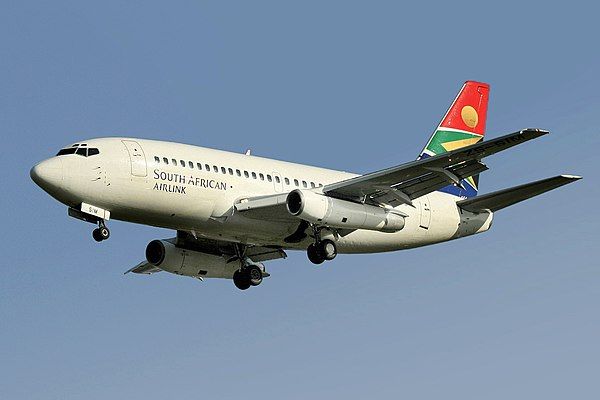
Whenever we imagine flying, we tend to have images of a smooth ride through the skies, but incidents which have occurred over the recent times with the Boeing 737 has left many people shaken. Being one of the most widespread aircraft in the world, this model has been involved in a number of horrifying accidents in the recent past, starting with parts falling off as the planes were airborne, to landing emergencies because of mechanical troubles. These issues do not exist in isolation and have permeated through and through, with these challenges afflicting both new and old models, that airlines around the world are affected, and investigations are taking place that may transform how we perceive the safety of air travel.
It is not hard to be uncomfortable listening to such stories, especially when you happen to fly frequently. The concerns pose grand questions on the production, the maintenance, and the management of the aviation sector. Peering into the specifics, we will see what transpired in both instances, what the authorities did about it and what it could potentially mean in the future. This is aimed at viewing the entire picture without sensationalizing it and concentrating on factual information that shows the problems that Boeing and airlines are going through presently.
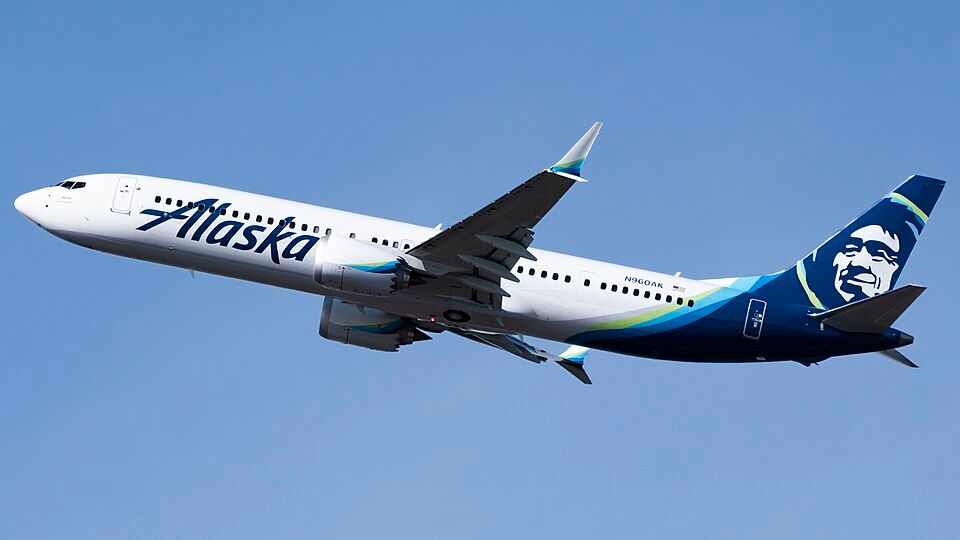
1. The Flight 1282 Incident at Alaska Airlines
The one that hit the headlines involved the Alaska Airlines Flight 1282 which occurred on January 5. This was a Boeing 737 MAX 9 that had recently departed Portland, on its direction to Ontario, California. A door plug burst open just a few minutes into the flight, at about 16000 feet, which created a massive opening in the plane on its side. The fact that it suddenly depressurized was frightening to all those on board, however, the pilots were able to reverse and safely land in Portland after declaring an emergency.
What was even more appalling was the fact that this plane was new it had only been in the air since October 2023. Customers filmed video clips of the hole that was left wide open with unfilled seats next to empty seats. Emergency teams cleared everyone on landing and although there were a few minor injuries, no one was seriously injured. The incident, besides frightening the participants, also created a wave of groundings and inspections throughout the industry.
Key Details from the Event:
- Flight left Portland at 5:07 p. m. with 171 passengers and six crew.
- At 16,000 feet, door plug separated, and cabin quickly lost its pressure.
- By 5:26 p.m. pilots reported an emergency, and got back to Portland.
- Two closest seats (26A and 26B) remained vacant which avoided more unfortunate results.
- Plane had been manufactured just a year earlier, since October 2023 according to records.

2. Discovery and preliminary responses
Once the blowout had occurred, the missing door plug was made a priority search and was found in the backyard of a Portland resident which was a great relief to the investigators. The phone of one of the passengers, which was sucked out was also discovered on the floor still operational, which gave a strange twist of the story. National Transportation Safety Board leaped in immediately so as to determine what had gone wrong looking into all aspects of design to assembly.
Airlines were not spending time in response. Alaska ordered its 65 MAX 9 aircrafts to undergo inspection and within no time, the Federal Aviation Administration intervened with an emergency order, suspending more than 170 other airplanes in the world. United Airlines, which had 79 of them, was not left out and began to check on their own. This fast decision demonstrated the seriousness with which everyone was taking it, and it also caused thousands of people to cancel their flights.
Immediate Actions Taken:
- NTSB initiated complete inquiry on the structural failure.
- Door plug located in the backyard of the resident to analyze.
- Firstly, 65 planes of the type MAX 9 were grounded by Alaska Airlines.
- FAA issued grounding of more than 170 aircraft in the world.
- United Airlines halted operations and started checks.
3. More Problems Revealed during Inspections
When inspections were implemented, the situation became worrying when United airlines announced that they had detected loose bolts on their MAX 9 aircrafts only days after. This implied that it may not be a single issue but a problem in the system of the way these planes were assembled. The FAA clarified that no aircraft would ever fly again until Boeing would develop good inspection and remediation strategies that they could accept.
This finding brought complexities into the probe as it ceased to be an investigation into the incident but a deeper look at quality control as a whole at Boeing. It was a wakeup call to all of us that any minor problem with hardware could cause major threats in aviation. Airlines needed to communicate to passengers how the delays happened and Boeing was under increasing pressure to clarify and address the flaws in the near future.
Findings from Early Checks:
- United detected loose bolts during fleet inspections.
- Unauthorized inspection instructions Boeing has to provide approved inspection instructions to FAA.
- All the affected aircrafts were grounded awaiting repairs.
- Cases raised possible quality lapses in manufacturing.
- The inspections were increased to hardware integrity.
4. Failure of landing gear in Canada
On November 27, 2024, in Canada, an old Boeing 737-408 of Nolinor Aviation hit a grave problem by shifting to another part of the world. Flight NRL662, a visitor aircraft carrying a load of 120 passengers on board, was heading to Bagotville in Canada when it had to make an emergency landing in Montréal-Mirabel International Airport, after its left main landing gear failed immediately when it touched down. The crew had already aborted the initial approach because of a fault alert and they decided to go over the longer runway at Mirabel to allow them more space to deal with the issue. It was a very serious thing, yet nobody on board was scarred.
This plane was no spring chicken it was built back in 1990, clocking in at over 34 years old when the incident happened. The Transportation Safety Board of Canada sent investigators to dig into whether it was a gear extension issue or something with the locking mechanism. Events like this remind us that while new tech grabs the spotlight, older aircraft still make up a big chunk of fleets and come with their own set of wear-and-tear risks. It’s a stark contrast to the shiny new MAX models, showing how age can play a role in these mechanical breakdowns.
Essential Facts of the Canadian Event:
- Flight NRL662 from Québec City to Bagotville diverted to Mirabel.
- Left main landing gear collapsed on touchdown.
- No. 1 engine nacelle hit the runway during slide to stop.
- All 87 occupants disembarked safely, no injuries.
- Aircraft age: 34.7 years, manufactured in 1990.
5. Pressurization Emergency in Japan
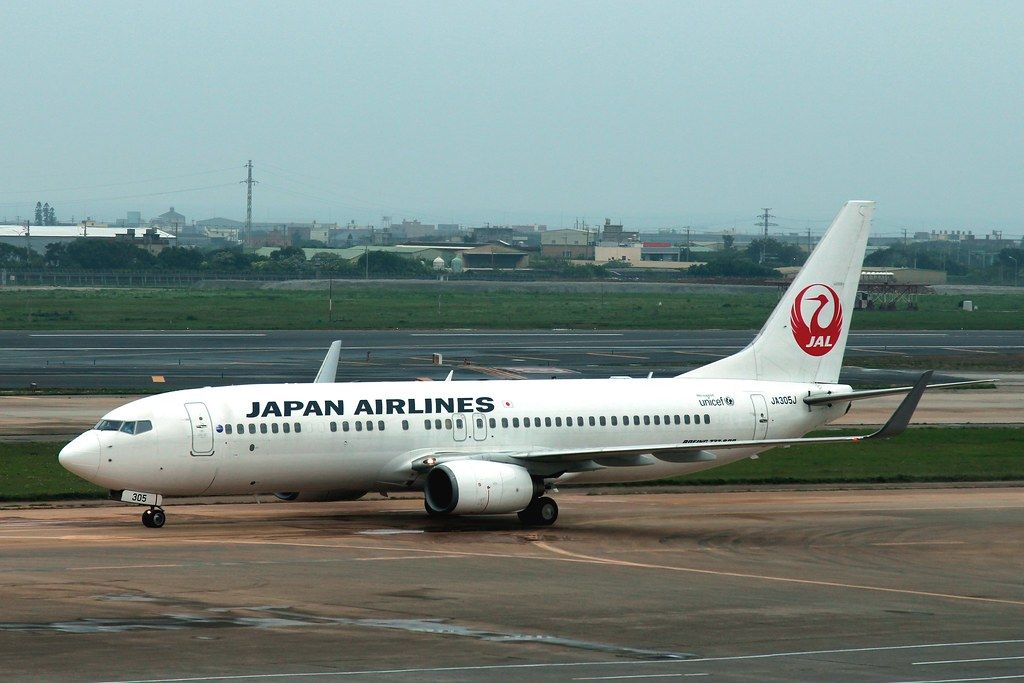
Over in Japan, on June 30, 2025, a Japan Airlines Boeing 737-800 ran into trouble mid-flight from Shanghai to Tokyo. The plane, operating as Flight JL8696/IJ004, triggered an alarm for a cabin pressurization abnormality, forcing the pilots to declare an emergency and drop the aircraft from 36,000 feet down below 10,500 feet in less than 10 minutes. Oxygen masks dropped automatically, and passengers described the cabin going eerily quiet amid the panic, with some noticing the flight attendants looking visibly upset.
Luckily, it wasn’t a full rapid decompression, as the airline later confirmed, and the plane touched down safely in Osaka with all 191 people on board unharmed. Japan’s Civil Aviation Bureau looked into it but didn’t label it as a “serious” incident, though they’re still probing the root cause of the system glitch. Stories like this highlight how even routine flights can turn nerve-wracking when critical systems falter, and it adds to the growing list of concerns about the 737’s reliability across different models and regions.
Critical Elements of the Japanese Incident:
- Flight JL8696/IJ004 from Shanghai to Tokyo diverted to Osaka.
- Cabin pressurization alarm led to rapid descent.
- Oxygen masks deployed as precaution.
- No rapid decompression occurred, per airline statement.
- All 191 passengers and crew safe; investigation ongoing.
6. Stabilizer Malfunction in Russia
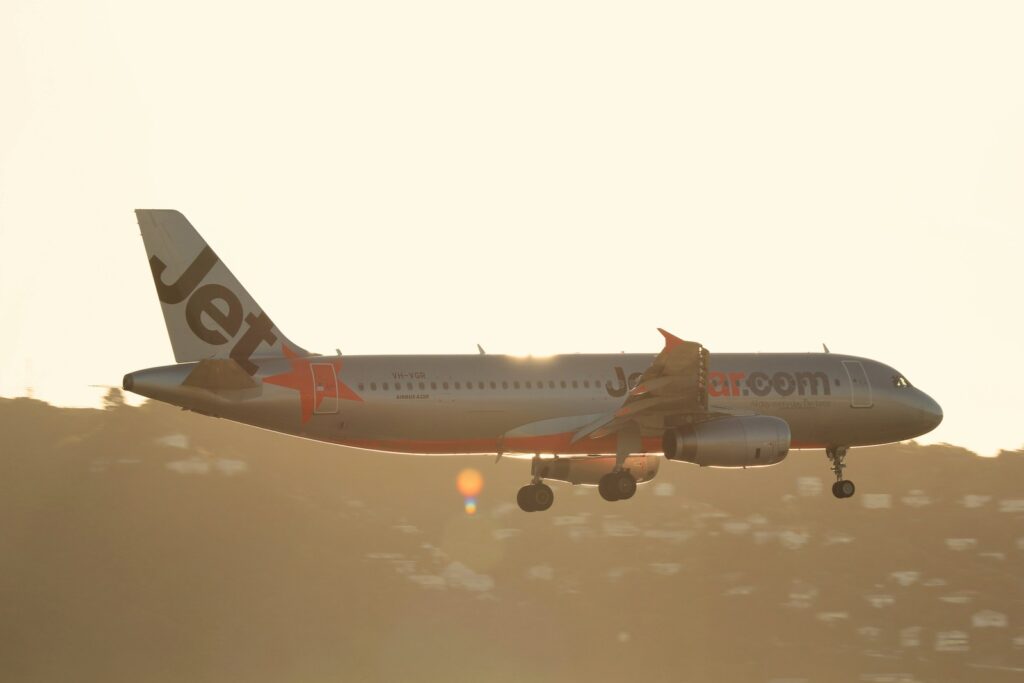
Shortly after some of these other occurrences, the aviation industry in Russia became part of the Boeing 737 woes list. On January 7, 2025, a Utair Boeing 737 with 173 passengers was forced to land at Vnukovo Airport in Moscow due to the presence of a problem with the stabilizer that was detected. The plane was initially planned to take off at St. Petersburg to Uzbekistan, but as they flew, the crew realized that something was wrong, and they chose to land away, in case. All things turned out to be alright, and the plane landed without any casualties but was another lesson of how these glitches may appear in the most unpredictable moments.
What is intriguing in this regard is the larger picture in Russia where sanctions have rendered it challenging to find new parts or planes by the airlines. This translates to the fact that they are keeping older aircrafts longer than they would otherwise be which may be leading to increased headaches in regards to maintenance. The incident has been a trend of trouble faced by the industry there and though it is not as dramatic as others, it still highlights the importance of extra attention to important parts of the plane such as stabilizers that ensure the airplane is maintained in balance during takeoff and landing.
The fundamental elements of the Russian Emergency:
- Utair Flight between St. Petersburg and Samarkand diverted to Vnukovo.
- Malfunction of stabilizer in the middle of the flight.
- Safe emergency landing.
- There were 173 passengers on board, no injuries.
- It happened during sanctions on the supply of parts.
7. Past Aircraft Incidents Involving the 737 MAX
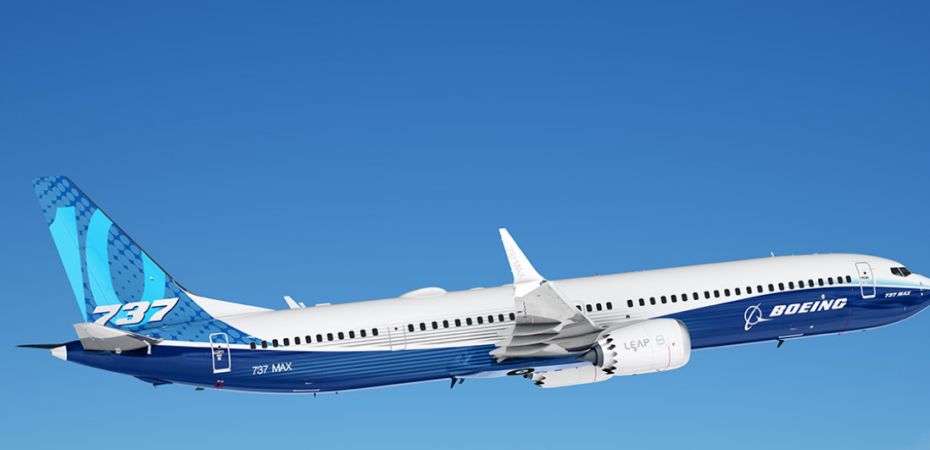
In hindsight, the history of the Boeing 737 MAX is not good at all and these new problems are only adding up. This model initially received criticism in aftermath of two fatal crashes, when Lion Air Flight 610 lost its control in October 2018, in Indonesia, shortly after takeoff, killing all its 189 occupants and then in March 2019, the Ethiopian Airlines Flight 302 crashed, killing 157 people. This was later found out to have been caused by a defective safety system known as MCAS and basically overrode pilot input causing involuntary dives.
The consequences of these tragedies included grounding of the entire 737 MAX fleet across the globe to more than 600 days, not being ungrounded till early 2023 after the substantial number of fixes and reviews. In the case of Boeing, it was a massive blow to the reputation of the company, including redesigns, training modifications, and plenty of regulatory inspection. At this point, with the Alaska incident on a MAX 9, it seems like a replay of old wounds and people are wondering whether people have learned anything or it is just happening at a different angle.
Key Lessons from Past MAX Crashes:
- Lion Air 610 crashed in 2018, 189 fatalities.
- Ethiopian 302 crashed in 2019, 157 fatalities.
- Faulty MCAS system identified as primary cause.
- Global fleet grounded for over 600 days.
- Return to service began in early 2023.
8. Other Incidents around the World
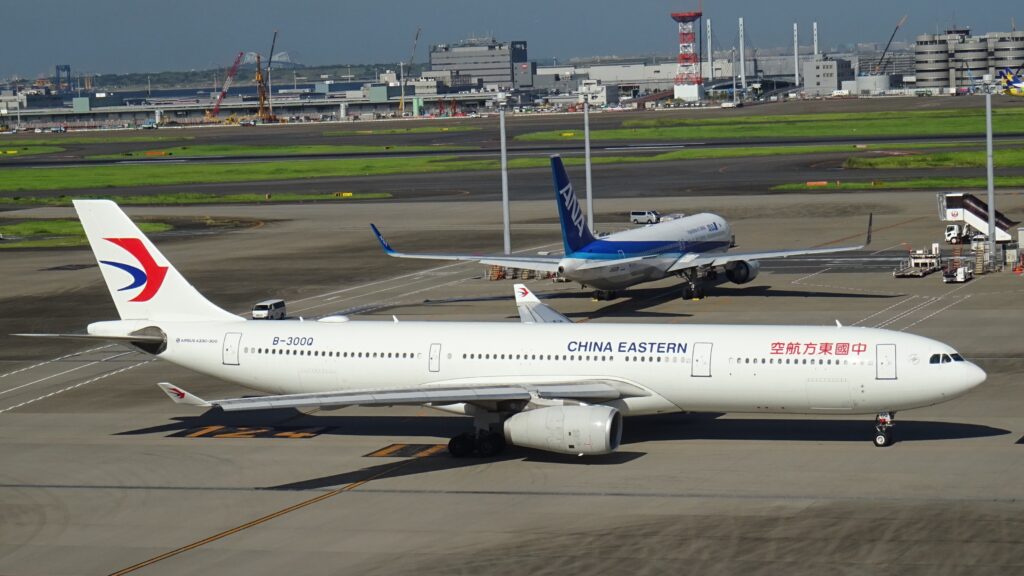
In addition to the high profile cases, other accidents involving the Boeing 737 have been reported that reflect a bigger picture of the risks that are still present. In one example, a Boeing 737-400 was destroyed when it landed in Vilnius, Lithuania, in an accident, which demonstrates the fact that even regular operations could fail in case circumstances unfold in the wrong way. Then there is the 2022 tragic China Eastern Airlines Flight MU5735, that suddenly dropped and the crash in South Korea in 2023 involving the 737 models and leaving many lives and properties devastated.
These random occurrences indicate that no area is safe and usually, it is a combination of several other factors such as weather conditions, human error or machine malfunctions. Although not all of them point the finger to the aircraft design, they add to the story of the 737 family undergoing recurring examinations. It is a complicated network in which every event contributes to bigger arguments on how to ensure the travel can be safer, compelling manufacturers and operators to keep on reinventing their ways.
Notable Global 737 Accidents:
- Boeing 737-400 crash during landing in Vilnius.
- China Eastern MU5735 crashed in 2022.
- Jeju Air accident in South Korea in 2023.
- Different factors such as mechanical and external factors.
- Added to the continuing safety controversies.
9. Spectrum of Models and Ages Failures
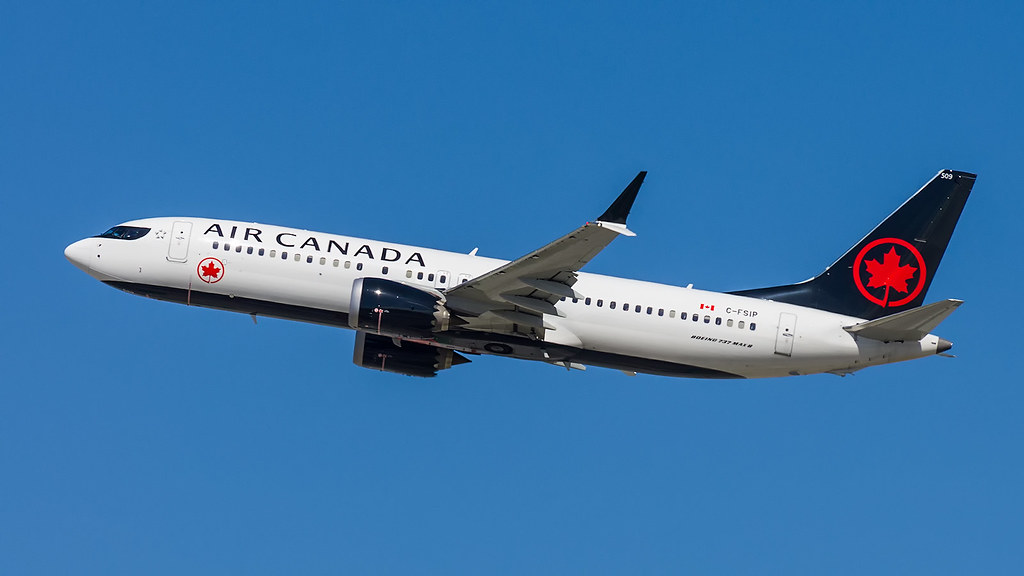
These accidents are not occurring in isolation; they encompass a broad spectrum of issues related to everything concerning the latest Boeing 737 MAX models, as well as aircraft that are decades old. The Alaska blowout appears to be attributed to the production oddity of a new out-of-the-factory aircraft, whereas the Canadian landing gear collapse is due to age on older mechanical components. Next there is the Japanese pressurization scare, which explores the complexities of systems that ensure that the cabin remains habitable in high altitude and the Russian stabilizer problem, which could be compounded by the supply chain issues caused by sanctions. It is a bit of a puzzle when each occurrence uncovers a new area of vulnerability that causes us to question whether they are just a series of isolated incidences or indicators of larger systemic hiccups in design, maintenance or control.
All of these are connected by the human factor where pilots have to make life-and-death decisions, passengers go through their heartbeat moments and ground crews rush to the rescue. It makes me think of how delicate air travel can be despite all the technology and rules that are involved. In the case of Boeing, it is a wake up call to question all the steps involved such as assembly lines to the retirement plans of older fleets. Airlines are also reconsidering their inspection schedules, and even the regulators are scrutinized so that they do not fail to notice patterns. Overall, this assortment of failures highlights the fact that the idea of safety is not only about repairing a single aspect, but rather creating its resilience on board.
Bringing to light Diverse System Vulnerabilities:
- Problems of manufacturing which are observed in new MAX 9 models.
- Components that cause failures in older 737-400s at risk: Aging.
- Systems that have alarm tendencies in 737-800s that are pressurized.
- Stabilizer issues associated with maintenance issues.
- Global events which do not indicate one cause are dominant.
10. Path Forward: Investigation and Impact of Industries
The agencies such as the FAA, NTSB and other international agencies are digging deep to detect root causes and avoid repeats as the investigations intensify. The attention at this time is to ensure those grounded MAX 9s are safely flying again but only after Boeing has fixed issues such as loose bolts and door plugs. It will be important here to share findings through transparency in order to regain trust. Not only technical adjustments are needed but also cultural changes in Boeing where the quality control may require a radical change. To the flying community, this comes in the form of the hope that what is learnt will result in fewer headlines and more serene travel in the future.
In the future, they might change the aviation industry and demand more rigid requirements, improved technological integration, and possibly even changes in the design of the 737 family. I have always believed that flying is one of those things that are so miraculous to us, but now I know that it is these kinds of stories that remind us of the fact that it is constant vigilance that allows us to continue to enjoy the same kind of miracle. The path Boeing has to take to regain its reputation is a difficult one, particularly after the crashes of the MAX, and airlines balance between prices and safety. Finally, the ultimate metric on improvement will be the implementation of comprehensive investigations, viable solutions, and a willingness to prioritize passengers. It is a critical time with which we await updates that would possibly map to safer skies in the coming years.
Essential Steps for Resolution and Prevention:
- FAA and NTSB leading detailed investigations.
- Boeing developing inspection and maintenance protocols.
- Airlines enhancing fleet-wide safety checks.
- Emphasis on transparency in findings.
- Long-term focus on design and quality improvements.