








Boeing Navigates Global Tensions and Reshapes Its Production Future
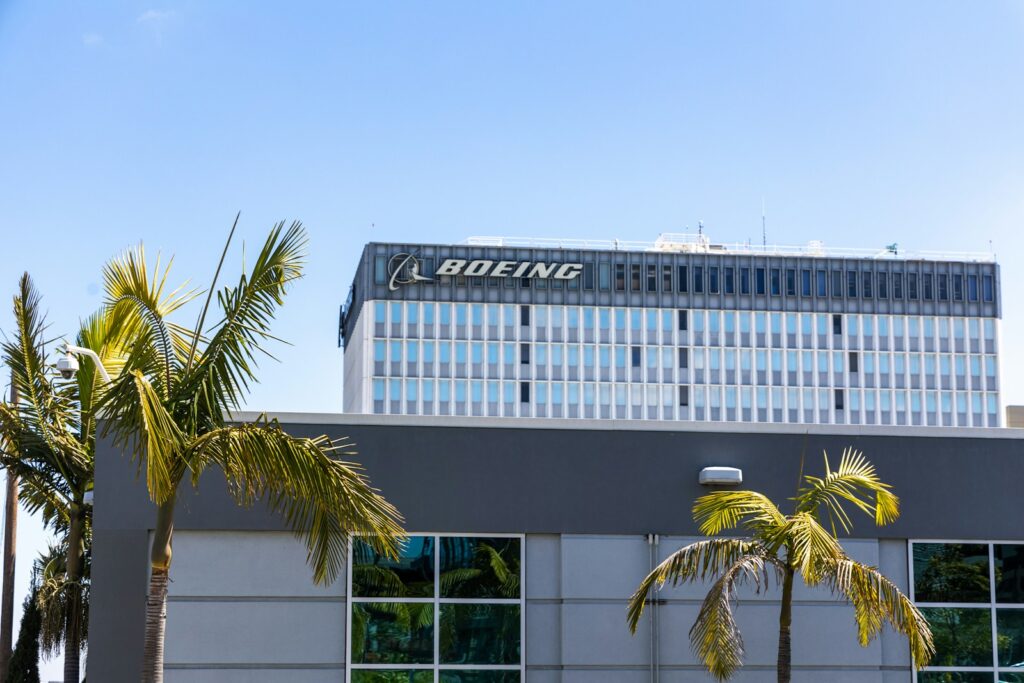
Boeing is facing a tough time as international trade tensions are hitting the deliveries of the aircraft manufacturer directly. Boeing’s CEO, Kelly Ortberg, has asserted that the company has decided not to produce aircraft for those customers who are not ready to accept the deliveries. This comes after China’s order for airlines to suspend the reception of Boeing aircraft due to the increased tariffs. This scenario is proving that the geopolitical stresses are affecting the operation of the largest aircraft manufacturer worldwide.
1. Important Trade Conflict Issues
- Chinese carriers have suspended deliveries of planes made by Boeing Company.
- Tariffs drove up the price of airplanes to unaff
- Already manufactured aircraft returned to Seattle
- Boeing Reassessing Customer Commitments
- Global politics affecting aviation supply chains
Ortberg exposed that two out of three planes that were ready to be delivered to China have been shipped back to Seattle. The reason for this is the tough tariff environment that China imposed to have import taxes to 125% against US products. Now, since planes are quoted in tens of millions of dollars, such high tariffs make it financially unrealistic to have them delivered. It shows Boeing’s reaction to avoid sunk costs.
2. Boeing’s Strategic Shift on Aircraft Deliveries
Boeing leadership is taking a very pragmatic approach to the delivery stalemate. Although the plan was to deliver the first 50 planes to China this year, Ortberg stated that Boeing is very aggressively turning these planes around. They want to focus on serving the customers that have a good demand environment and can take them, so planes that are already built can bring in revenue.
- Boeing’s New Delivery Plan
- Redirect Jets To Alternative Buyers
- Do Not Build Undeliverable Aircraft
- Protect Cash Flow and Production Efficiency
- Keep customer accountability
- Prioritize understanding market demand trends
This view is reinforced by a conference call by Ortberg, where he stated that Boeing would not continue producing aircraft for airlines that are not ready to receive them. Perhaps unfortunate as this situation is, demand in other airlines is strong. This means Boeing can redirect supply, at the same time sending a strong message that commitments need to be honored regardless of political instability.
3. Redefining a Dependency on the Chinese Market
Boeing’s vulnerability in the China market has shrunk considerably in the last ten years. Sourced close to 25% of its completed aircraft orders, Boeing is now seeing 10% of its enormous order book of $500 billion from the Chinese market. This is definitely giving Boeing better flexibility in dealing with any disruptions without affecting its overall production stream.
- Boeing and China: The Past and Today
- It has been seen that China used to get one quarter of
- Current exposure reduced to 10%
- $500 Billion Backlog: Reduces Risks
- These orders range over several regions. For instance,
- Less dependence helps to alleviate geopolitical tensions
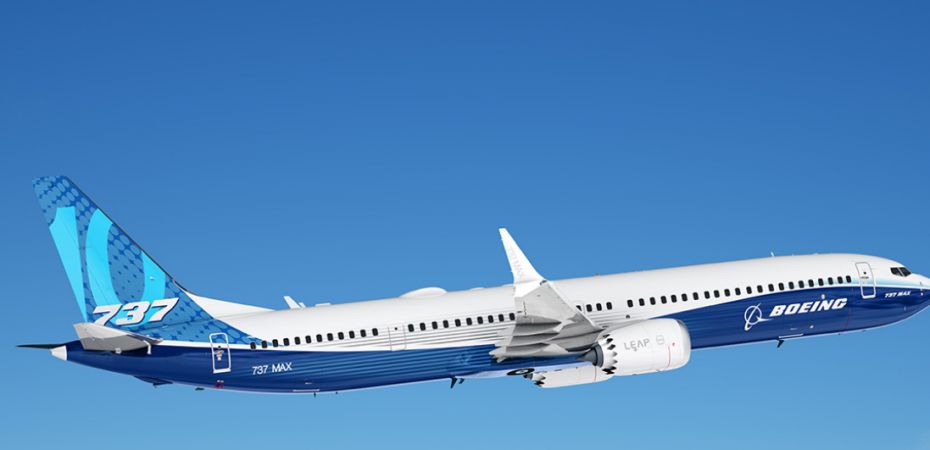
This partnership has not been smooth sailing all the way. China was the first country to ban the flights of the 737 Max aircraft due to two air crashes in 2019. Flights of the MAX aircraft of Chinese air carriers started in the first quarter of 2023, while other countries started flying the aircraft much earlier.
4. Signs of Financial Recovery and Stability
Despite the hiccups, there is promising financial performance by Boeing. The firm beat analysts’ forecasts in the past quarter, posting a loss that was less than expected. The firm’s revenue touched $19.5 billion, while the adjusted loss was significantly improved. This is a good indication that the restructuring process at Boeing is bearing fruit, especially after a prolonged period of struggles.
- Positive Financial Indicators
- Losses smaller than analyst forecasts
- Revenue was $19.5 billion
- There was a substantial decrease in cash burn
- Operational performance refers
- Recovery plan demonstrating early success
As reported in Aerospace Daily, Erland Ortberg stated that the “recovery plan is in full effect, although in fairly early stages. One area which is prominent in the renewed attention to safety and quality at Boeing” is, in fact, operational performance. “It’s an area that’s become important to winning back trust,” Ortberg continued.
5. The Quiet End of the Boeing 777-300ER Era
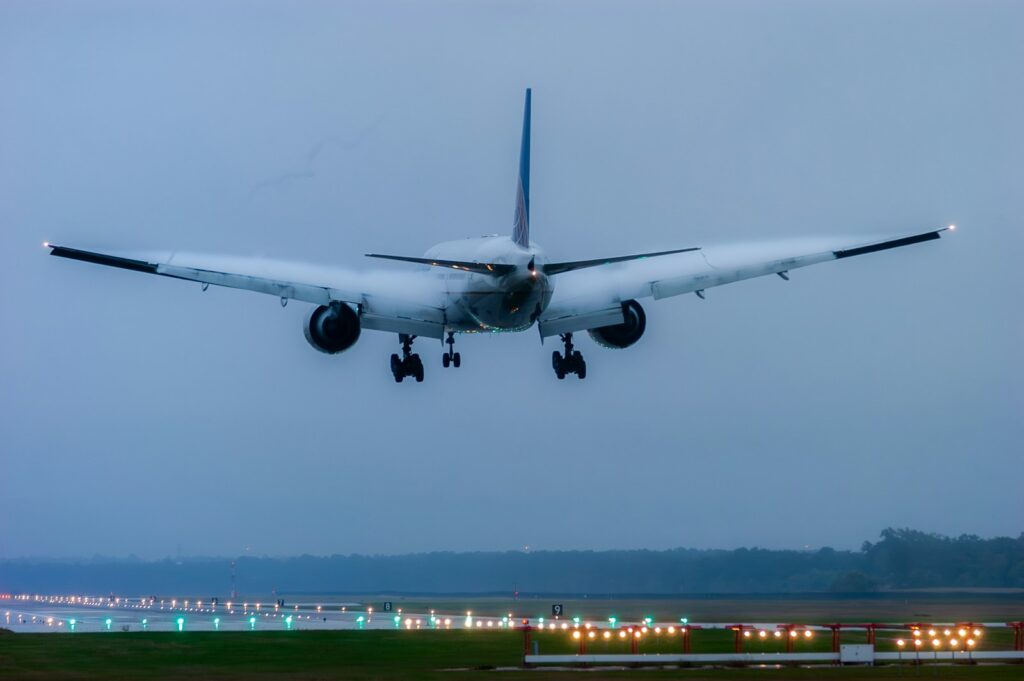
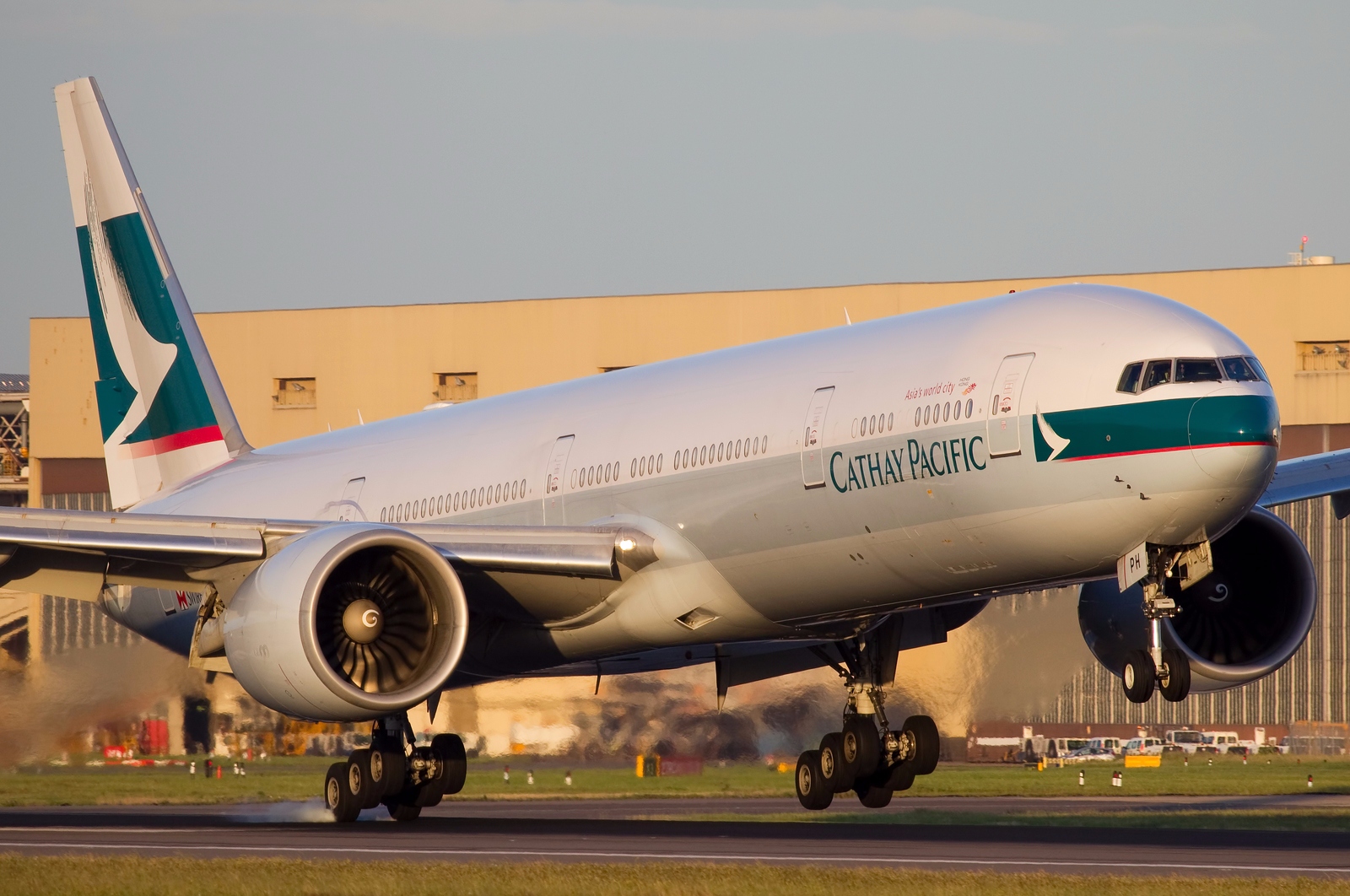
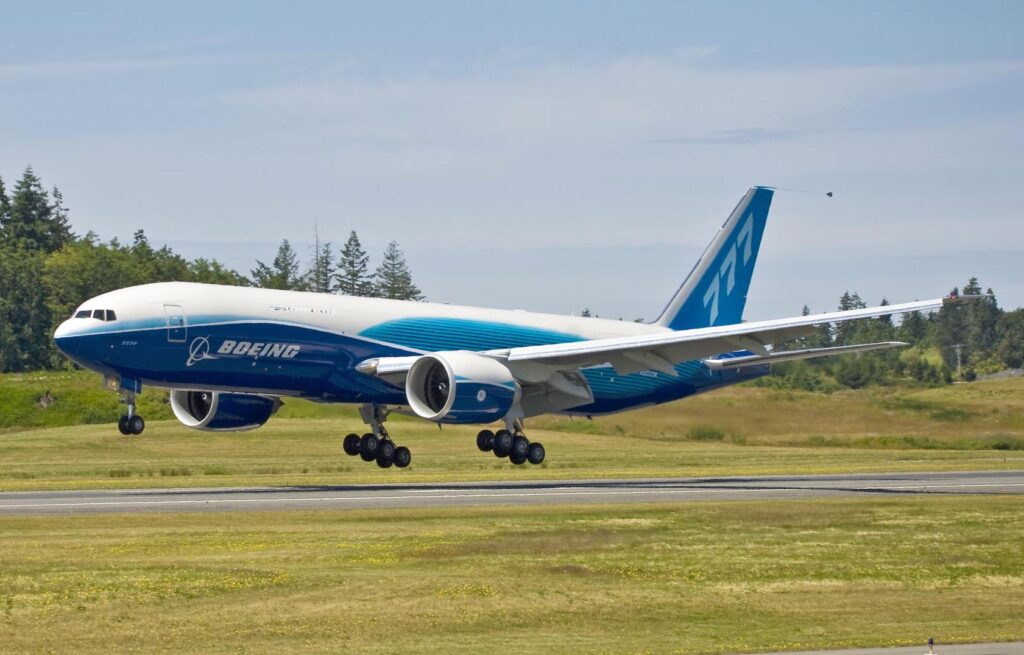
However, aside from trade patterns and finances, Boeing is currently undergoing a shift of generations with regard to their aircraft product line. The Boeing 777-300ER plane already ended its production line without much fanfare, thus ending a legendary era. Since it was delivered in 2004, it became the standard of long-distance flights, becoming the all-time bestseller for wide-body aircraft with 837 deliveries made.
- Hospitality technology legacy of the 777
- Service begun in the year 2004
- Best-selling wide-body aircraft
- 837 planes made worldwide
- The final delivery occurred in 2024
- Revolutionized long-haul travel
The last aircraft was handed over to Ethiopian Airlines towards the end of 2024, concluding production without any celebration. However, it is hard to ignore the massive contributions made by 777-300ER, which has left its mark on aviation with efficiency, reliability, and networks in airlines for over two decades.
6. Why Airlines Loved the 777-300ER
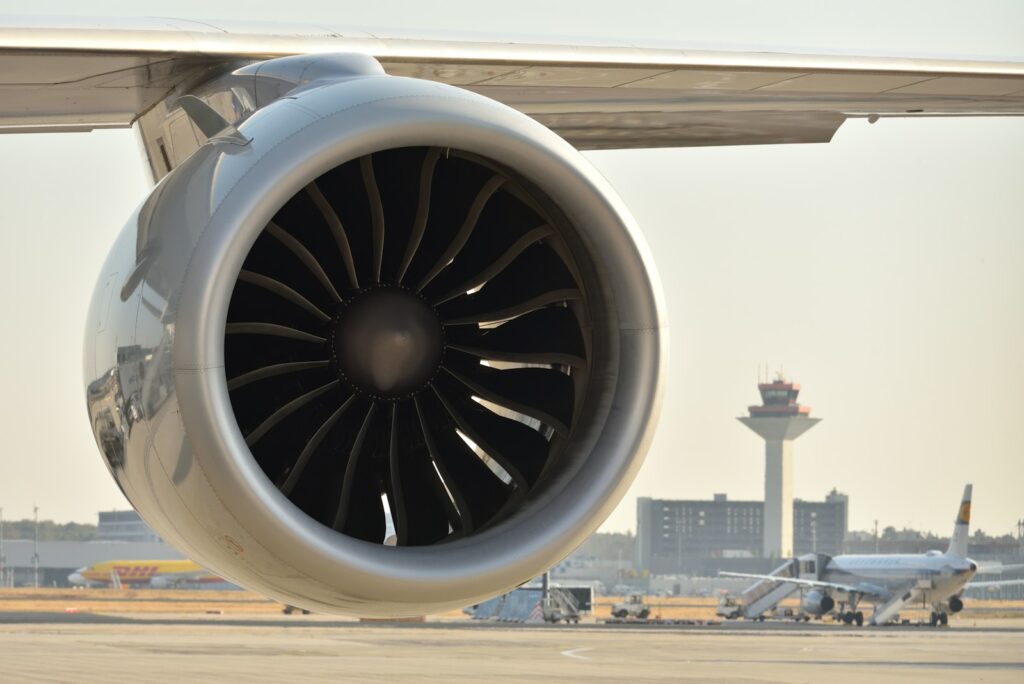
The 777-300ER gained popularity because of its unmatched performance. It offered seating for over 360 people in a three-class configuration for a range of flights up to 8,500 miles. It featured GE90-115B engines, which turned out to be the most powerful engines ever made for commercial airplanes, allowing airlines to fly non-stop over longer ranges than previous four-engine planes.
Key Performance Strengths
- High passenger capacity
- Exceptionally long-range performance
- Strong GE90 engines
- Fuel efficiency for the segment
- NextGen replacement for older widebody aircraft
The plane was used by major airlines for extending global connectivity. Emirates operated the highest number of planes with a total of 119, followed by Qatar Airways, Air France, and Cathay Pacific. The large body facilitated spacious cabins and luxurious suites, which helped shape the perception of comfort and luxury associated with long-haul travel.
7. Market Forces Behind the End of Production
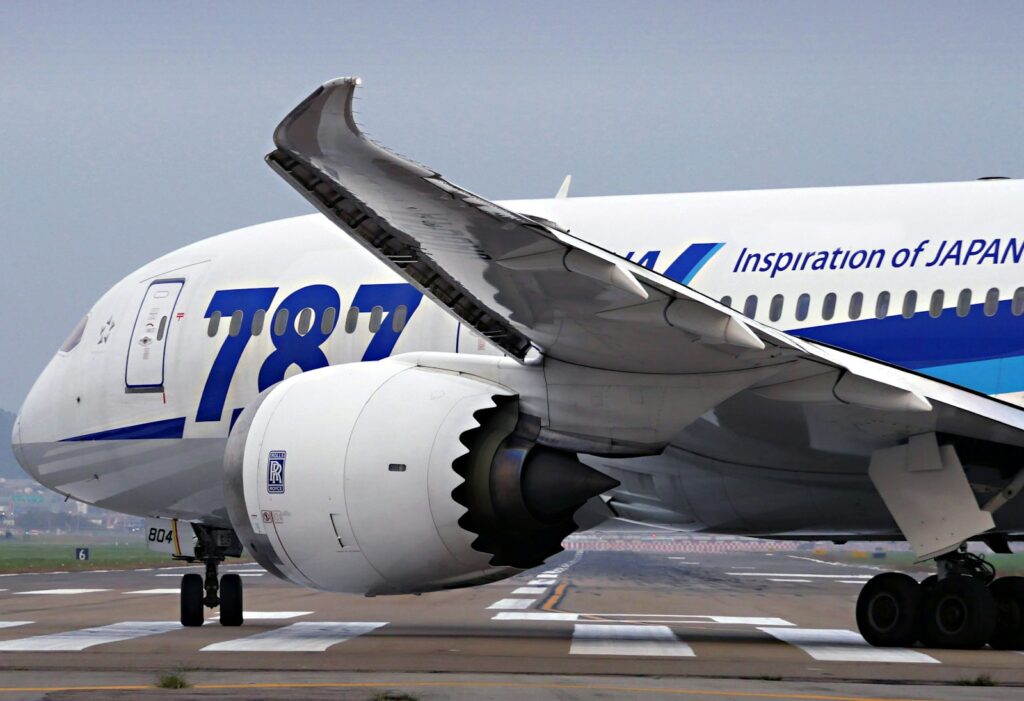
The suspension of the 777-300ER series production reflects industry-wide trends. The industry has witnessed an increased focus on fuel efficiency and sustainability, and airlines are opting for newer twin-engine aircraft such as the Boeing 787 and A350 from Airbus. These aircraft are more environmentally sound.
- Reasons for the Phase-Out
- Adoption of fuel-efficient planes
- Increasing sustainability needs
- Advancements in composite technology
- New aviation economic
- Introductions of next-generation models
On the other hand, Boeing has shifted its focus to its 777X program, which is intended as a replacement for its 777-300ER variant. The new plane is expected to embody both ruggedness and technology to keep Boeing afloat in the wide-body plane sector for generations to come.
8. More Aircraft Lines Near Closure
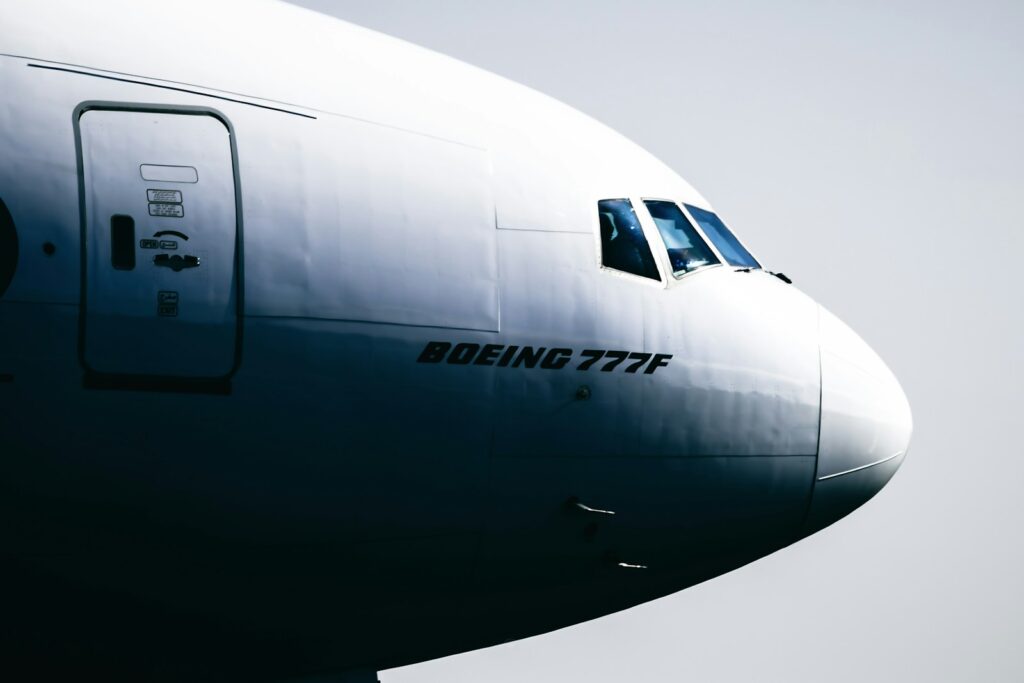
The 777-300ER is not the only model that has stopped production. Boeing has decided to discontinue the production of three more aircraft by the year 2027, these are the production of the 767-300F freighter aircraft, the production of the 777F freighter aircraft, and the production of the F/A-18 Super Hornet aircraft.
- Aircraft Set for Production End
- Boeing 767-300F
- Boeing 777F freighter
- F/A-18 Super Hornet fighter
- Passenger 767 has already retired
- Military focus is shifting elsewhere
Though the passenger variant of the 767 stopped production in 2014, the cargo variant is still in high demand among cargo airlines. But new global rules are making it difficult for Boeing to continue manufacturing these lines.

9. The Power of Regulatory Compliance Bookmark
The new regulations imposed by ICAO, coming into effect from 2027, make both the 767-300F and 777F models exempt from standards without substantial variations. Although an exemption has been given till 2033 from FAA, it is only valid for operating inside the United States. This has made sales worldwide impossible, hence Boeing’s early stop to production.
Effect of New Rules
- ICAO Regulations: Effective Starting 2027
- Aircraft do not meet future standards of compliance
- FAA exemption was limited to USA only
- Global sales become impossible
- Production Continuation Not Viable
The schedule for the construction of the Super Hornets has also followed a similar trend. Initially expected to end in 2025, the construction of these planes was extended due to a final order from the U.S. Navy. Nevertheless, the fact that the U.S. Navy is shifting to newer planes means the eventual end of these planes’ production.
10. Boeing’s 777X Bet on the Future
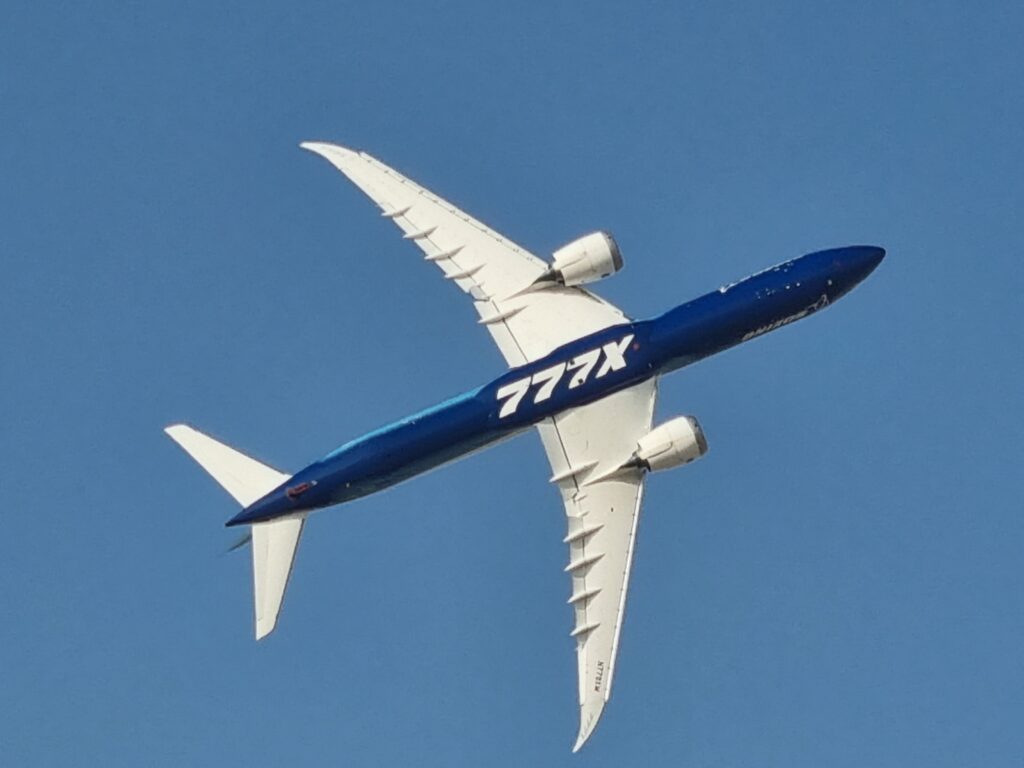
Looking forward, Boeing is putting its faith in its 777X aircraft. With goals of merging the rugged qualities of its predecessor, the 777, and the fuel efficiencies of its 787, this aircraft will sport composite wings that can be folded for easier transportation and GE9X engines, claiming a 10% improvement in fuel efficiency.
- What Sets the 777X Apart
- Composite Wing Tips Folded
- Bonding Wing Tips
- GE9X next-generation engines
- Increased fuel efficiency
- Improved passenger comfort
Although there have been some setbacks, causing the entry-into-service to be deferred until 2027, demand is still strong. Lufthansa is to be the launch customer, while the biggest operator is expected to be Emirates. The freighter model, deferred until 2028, is to replace its current 777F.
11. Industry at Crossroads
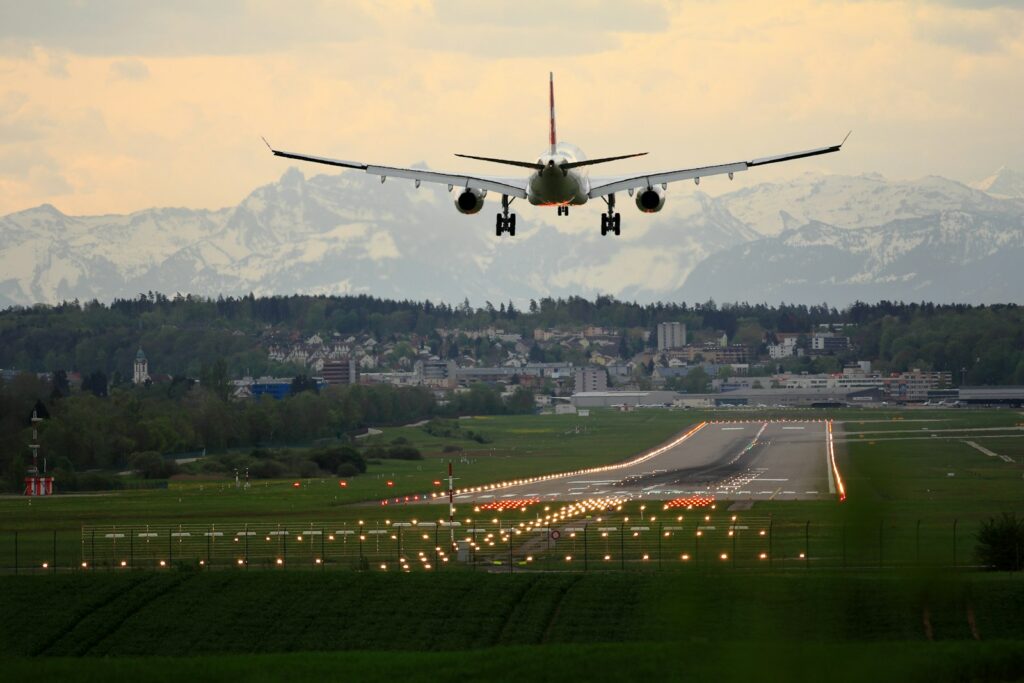
A defining moment has arrived for the The current transitioning process at Boeing is part of the larger trends revolutionizing the aviation industry. Whether it’s geopolitics or sustainability issues, Boeing is caught between the immediate crises and the long-term change. The retirement of iconic airplanes marks the end of an era that radically transformed air travel and brought the world closer than ever before.
- Forces Shaping the Aviation Industry
- Geopolitical trade tensions
- Environmental sustainability goals
- Technological Advancements ATM
Rise in Air Fleet Modernization Priorities Even if the assembly lines fall silent, the impact of these aircraft will be remembered for generations to come. The role that has been played in the interconnected world that exists today is irreplaceable. Boeing is gearing up for the next generation of aircraft, but the times are turbulent as the future is being shaped with the pillars of efficiency, adaptability, and innovation as the foundation.