


China’s Unseen Grip on the American Electric Vehicle Market

For a time the best cars and the biggest car companies were in the United States, Europe and Japan.. Things are changing now. The United States is trying to help its car companies by making it harder for other countries to sell cars here. Meanwhile China is quietly building a system for electric cars. China is doing this in an thoughtful way. The electric vehicle industry in China is growing slowly. Surely and it is a very smart thing to do. The United States, Europe and Japan are still players, in the car world but China is becoming a big part of the electric vehicle world.
The United States is dealing with a changing situation. This means the United States is not competing with Chinese electric vehicles right now. The United States faces a problem: it has to compete with a big industrial system that China has been building for a long time. Auto industry expert Lei Xing says that China is quickly growing its presence, around the world. The United States and other parts of North America are the places China has not fully reached yet. It looks like the future of cars and transportation is being decided in parts of the world not in the United States. The future of mobility is being shaped in countries mainly in China, where Chinese electric vehicles are becoming very popular.
1. China Speed and the Power of Long-Term Planning
China became a name in electric vehicles over time. This is because they had a plan that they followed for 15 years. During these 15 years China made over 10 million public charging stations for vehicles and helped launch more, than 100 electric vehicle brands. Not many countries have been able to do things quickly. China’s electric vehicle rise is really something because Chinas electric vehicle industry got a lot of support.
Key Elements of China’s EV Expansion
- Massive nationwide charging infrastructure rollout
- Aggressive financial incentives for consumers
- Strong support for domestic EV manufacturers
- Rapid experimentation across multiple brands
- Continuous policy alignment between government and industry
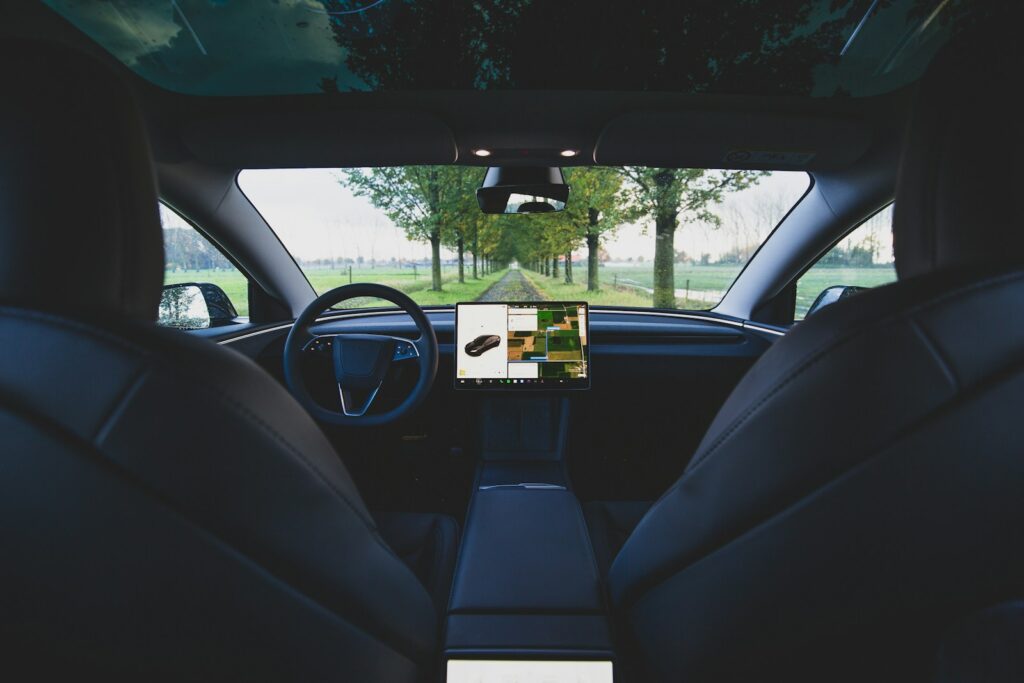
The way China does things is really fast people call it China Speed. This changed how people buy things. By the middle of 2024 more than half of the cars people bought were hybrid cars and this happened for many months in a row. China did not just tell people to buy vehicles it made them the normal choice for millions of people who drive cars all over the country. China Speed made vehicles the default choice for millions of drivers, in China.
2. Industrial Policy as a Competitive Weapon
Chinas leaders saw that electric vehicles were going to be a change in the way people get around even bigger than when cars that run on gasoline first came out. Of just letting things happen on their own the government in Beijing took action. They made sure that money to help people buy vehicles, the roads and charging stations they need and the rules people have to follow all worked together. This meant that everyone in China was working towards the goal, which made it easier, for companies that make electric vehicles and for people who want to buy them. Chinas leaders and the government made this happen. It helped Chinas electric vehicle industry.
The Chinese government put a lot of money into the electric vehicle sector between 2009 and 2023. They spent around $231 billion on the electric vehicle sector. At first they wanted to make public transportation electric. On they wanted to encourage people to buy electric vehicles for themselves. By the time they stopped giving people money to buy vehicles in 2022 the electric vehicle market was already doing very well on its own. This means the electric vehicle sector will keep doing for a long time and the Chinese government will be in charge of the electric vehicle sector, for a long time.
3. America’s Struggle to Keep Pace
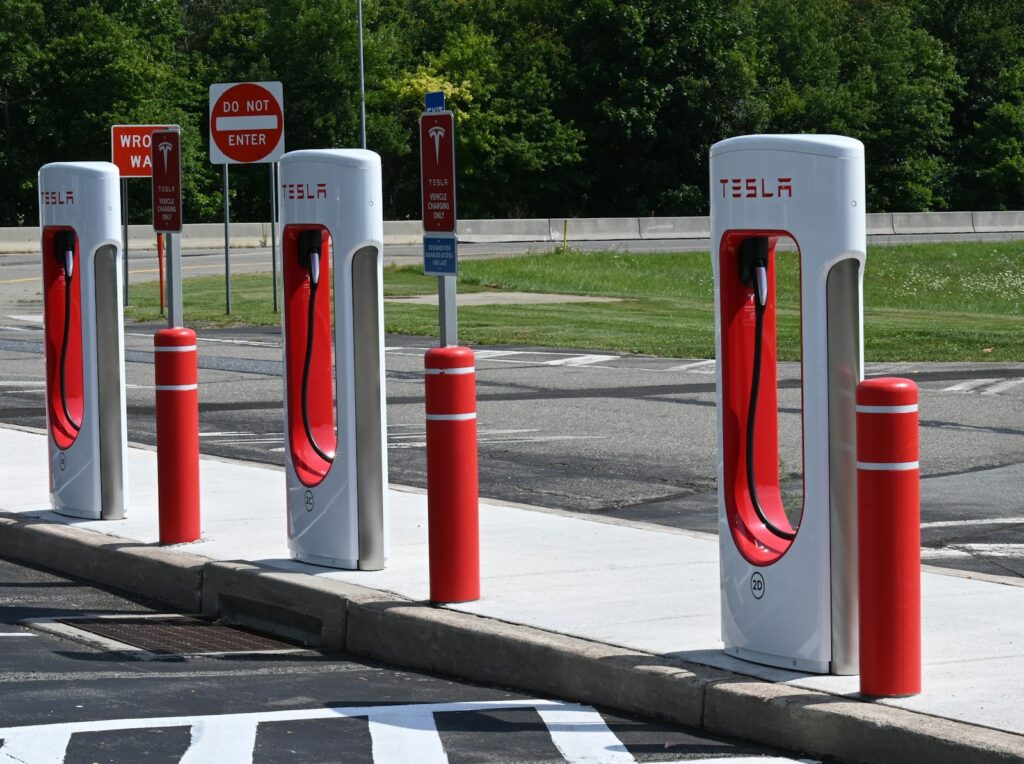
The United States is trying to catch up. The United States has plans but they are not working out very well. The Biden administration wants half of all cars sold to be electric or hybrid cars by 2030. This is a goal for the United States to reach. People, in charge of companies say that the government is not making it clear what they want to do so companies are not investing in electric cars and people are not buying them.
The problem has gotten worse because of all the changes in politics. People have said yes to giving money for infrastructure. We do not see many real results. The United States system is different from Chinas system. The United States system needs people to work together, from the government the state governments and private companies. Electric Vehicle adoption or Electric Vehicle adoption is very hard to make happen because of this. Electric Vehicle adoption is not growing fast as people thought it would.
4. The Charging Infrastructure Divide
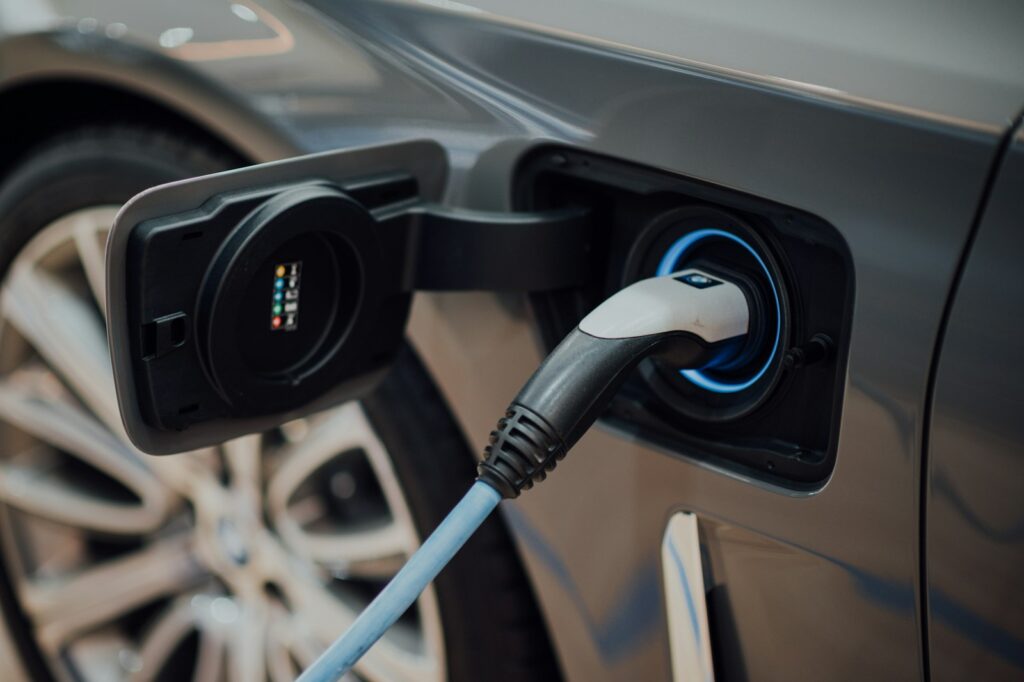
The difference between the United States and China is really clear when it comes to charging infrastructure. The United States has than 200,000 public charging stations all over the country as of August 2024. On the hand China has more, than 10 million charging stations. This big difference affects how people feel about buying vehicles and whether or not they decide to purchase one especially for people who are buying an electric vehicle for the first time. Electric vehicle buyers like these time electric vehicle buyers think about charging infrastructure when they want to buy an electric vehicle.
Why Charging Access Shapes EV Adoption
- Reduces consumer anxiety about driving range
- Encourages long-distance EV travel
- Normalizes EV ownership for apartment dwellers
- Supports commercial and fleet electrification
- Builds trust in long-term usability
The United States government started a program that cost 7.5 billion dollars to help get more electric vehicles on the road faster.. It is not working very well. There are a few dozen fast chargers for electric vehicles on the main highways. This is why many people, in the United States do not want to stop using cars that run on gasoline. They like their gasoline vehicles. That is why electric vehicle sales are not growing very fast all over the country. Electric vehicles are just not selling quickly as people thought they would.
5. Designing an EV Ecosystem for People
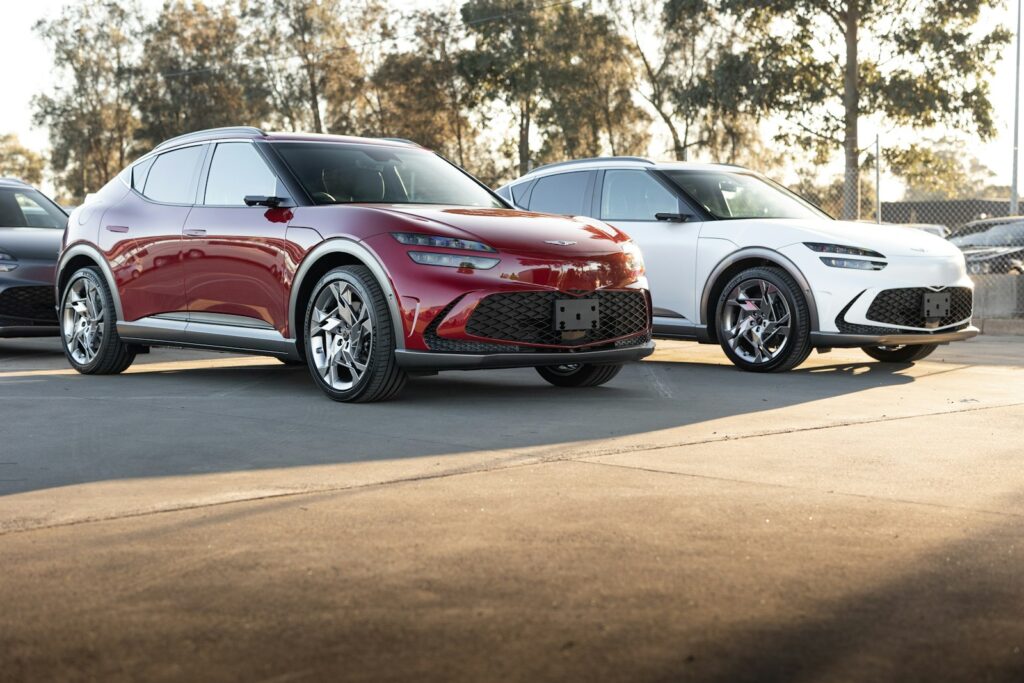
China has an advantage and it is not just because of its size. The thing that really helps China is that it has a charging plug that everyone uses. This means that people who own vehicles in China do not get confused when they want to charge their cars. China made this decision a time ago and it has really helped. People can charge their cars easily no matter what brand of car they have or where they are in the country. On the hand people, in America who own electric vehicles often have to deal with different systems and adapters that do not work together. Chinas simple charging plug is a part of its advantage when it comes to electric vehicles.
The focus, on user experience shows that people really get what it takes for Electric Vehicles to become popular. Electric Vehicles are not things you buy they are systems that need to be easy to use and work well. As Carbice CEO Baratunde Cola said, China started working on Electric Vehicles a time ago while other countries are still getting ready to start.
6. Supply Chains as the Real Battleground
When you think about it tariffs are over the news but the real fight is happening inside supply chains. China has been working on taking control of every part of making vehicles for twenty years from getting the raw materials to putting the vehicles together. This means China has a lot of power that tariffs just cannot compete with. The cars you see are a small part of a really big system. Electric vehicles are what China has been focusing on. It is clear that electric vehicles are a big deal, for them.
China’s Strategic Supply Chain Control
- Dominance in lithium and graphite processing
- Control of rare earth mineral refining
- Large-scale battery manufacturing capacity
- Vertical integration across production stages
- Strong state backing for overseas resource access
China did a job of keeping costs low by paying attention to what they needed to make things rather than what they made. The United States car makers even when they build cars in the United States often use things from China. The United States car makers need these things from China, which makes it hard for the United States to make its trade rules and to stop relying on Chinas electric vehicle system. Chinas electric vehicle system is a deal and the United States is still connected to it.
7. Batteries: The Heart of the EV Advantage
Batteries are really important for vehicles. China makes a lot of them more than anyone. In fact Chinese companies make most of the lithium-ion cells that people use. Companies like CATL and BYD are very good at making batteries. They sell a lot of them all over the world. This is because they do everything themselves from getting the materials to making the product and they make so many batteries that it becomes cheaper for them. Batteries, from these companies are used in electric vehicles and China is the place where most of these batteries are made which is why China controls the production of batteries at a very large scale.
The fact that electric vehicles are affordable is a plus. You can buy an electric vehicle in China for less than $10,000. This is a price that you would never see in the United States. Companies that make cars in countries have a hard time competing with this. The cost of the battery in their cars is often more than what you would pay for a car from China. This means that China has an advantage when it comes to electric vehicles. Electric vehicles, from China are very cheap. This is why they are so popular.
8. Technology, Semiconductors, and Digital Integration
China is really good at making vehicles and that is because it is close to places that make important technology. The advanced computer chips made in Taiwan are used to power cars. Chinese technology companies are also building digital systems for these cars. Companies, like Huawei and Xiaomi are designing vehicles that work with the digital world so they are not just cars they are part of something bigger. Chinas electric vehicles are getting better and better because of this.
Digital Strengths Powering Chinese EVs
- Seamless smartphone and vehicle integration
- Advanced in-car operating systems
- Software updates that happen over the air
- AI-driven navigation and infotainment
- Strong domestic semiconductor supply links
American vehicles usually have a lot of systems that do not work well together. This makes a difference in how people feel when they use these vehicles and how fast new things can be added. Chinese companies that make vehicles are doing things differently. They are making the parts of the vehicle and the computer systems work together as one thing. This means that the vehicles they make are easier to use and feel like they are ready for what’s coming next. The Chinese vehicles feel more connected and easier to figure out. They are also ready for the future. American vehicles and Chinese vehicles are very different, in this way. Chinese vehicles are more intuitive because they have hardware and software.
9. A Divided Future for the Global Auto Industry
The global auto industry is going to change a lot if things keep going the way they’re. It will probably become two things. Western countries will focus on making cars in their countries even if it costs a lot and they have to help the companies with money. At the time China will make electric cars that people, in other parts of the world can afford.
The global auto industry will have to work hard to make new supply chains that can compete with others. The global auto industry will need a time to do this we are talking about years or even decades and the global auto industry will have to be patient.
As the U.S. blocks finished vehicles, it risks isolating itself from global cost structures and standards. The true race is not about assembling cars but mastering minerals, manufacturing, and software simultaneously. Without addressing supply chain sovereignty, America’s protected market may become increasingly uncompetitive in a rapidly electrifying world.