

Decoding AMG: The Story Behind Mercedes-Benz’s Performance Division
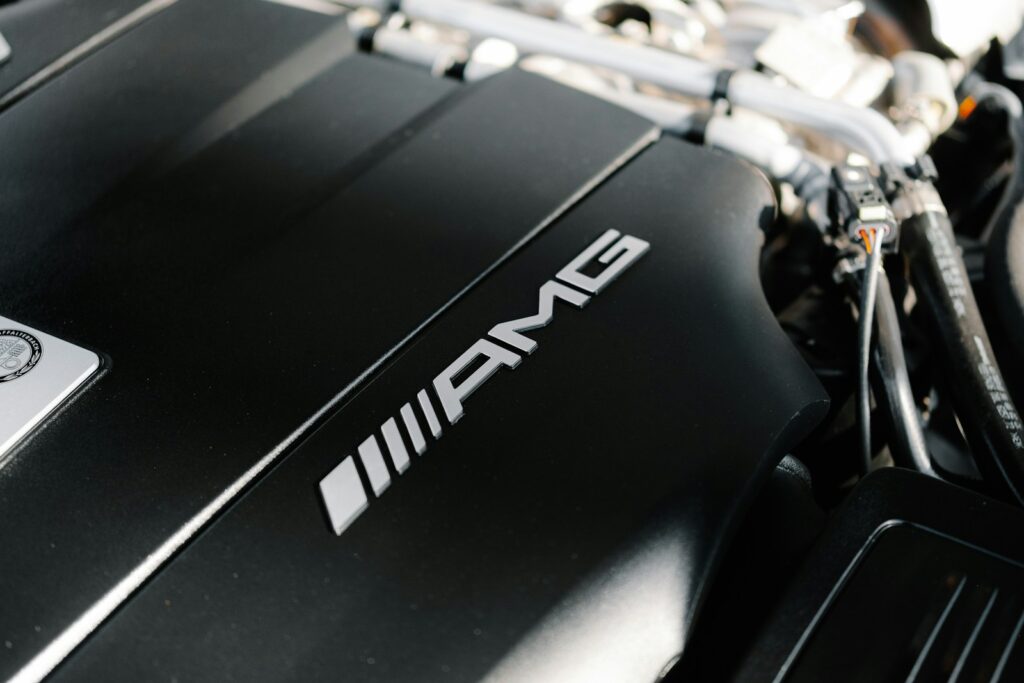
The three letters AMG are the acronym that represents the pinnacle of performance, precision and prestige in the Mercedes-Benz range to the automotive enthusiast. The sight of an AMG badge is an indication of a car that is designed to be accelerated, handle it harder, and in an impressive fashion. However, along with the strength and authority, the roots of AMG create a narrative of aspiration, experience, and the path of a modest tuning shop up to an international automotive performance legend.
AMG Brand Essentials
- Stands for Aufrecht, Melcher, Großaspach
- Founded by two ex-Mercedes engineers in 1967
- Began as an independent engineering firm
- Specialized in racing engines first
- Grew reputation through performance modifications
The AMG name denotes its founders: Hans Werner Aufrecht and Erhard Melcher, as well as the place of origin as Aufrecht was born in Grossaspach, Germany. What started as a small engine production and development project in Burgstall an der Murr expanded to a global brand and established AMG as the equivalent of engineering and high-performance craftsmanship.
1. Since Racing Engines to Road Cars
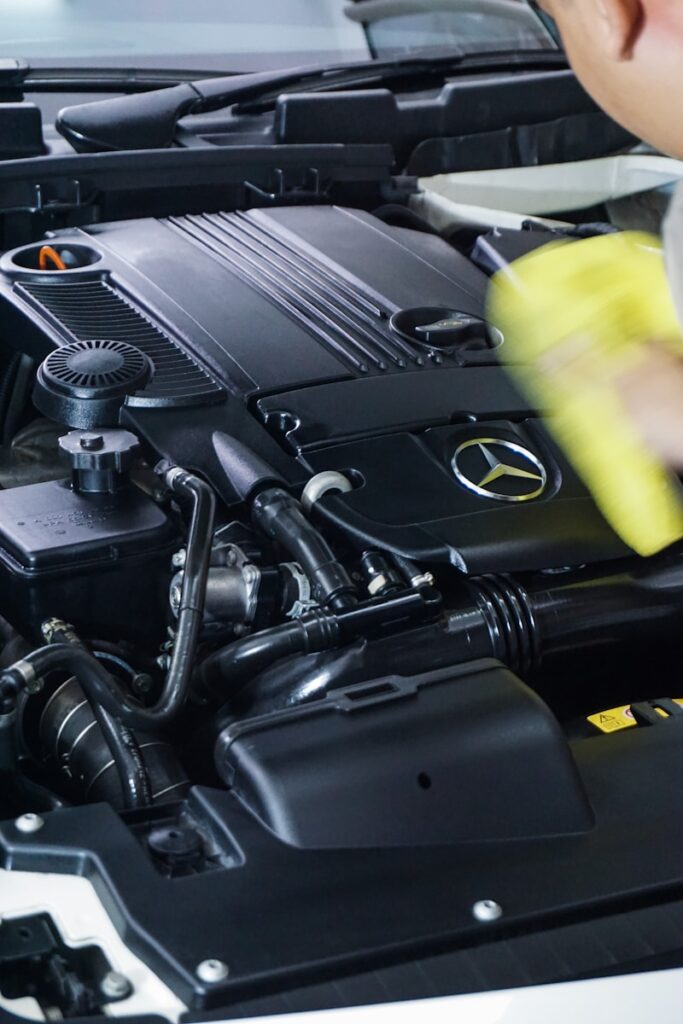
At first, AMG concentrated on racing engines only and this gave Aufrecht and Melcher an opportunity to utilize their strong technical background. The success they had had on the track early on created a very strong reputation which, naturally, would have applied to road cars. AMG started modifying the regular Mercedes-Benz models into high performance cars that met the requirements of enthusiasts who could not just get what the factory had to offer.
Early AMG Innovations
- Style and performance alloy wheels, custom made
- Better handling performance suspension packages
- Reduced lowered springs and re-valved shocks
- Subtle to wide body aggressive body kits
- Custom interiors, Recaro seats and high-quality finishes
During the 1970s and the 1980s AMG came to be identified with high-end customization. Customers were able to design very original vehicles with individual upgrades including, strong engines and even physical appearance. Such performance and exclusivity made AMG the standard of automotive enthusiasts who wanted to feel special and at the same time drive with excitement.

2. The Merger of AMG and Mercedes-Benz
One of the turning points was reached in 1993 when AMG had signed a cooperation agreement with Daimler-Benz AG. This collaboration allowed AMG to use the network of dealers of the Mercedes brand without losing its image of a high-performance brand. The partnership led to the initial joint automobile, the iconic C36 AMG, which marked the beginning of the slow incorporation of AMG into Mercedes-Benz without sacrificing its engineering culture.
Milestones of Integration
- Daimler-Benz cooperation agreement of 1993
- Creation of Mercedes-Benz C36 AMG
- Availability of international dealer network
- Expanded brand visibility
- Become a well known subsidiary instead of an independent tuner
In 1999, DaimlerChrysler AG became the owner with a majority (51 per cent) controlling share and changed the name of the company to Mercedes-AMG GmbH. This was fully integrated when Aufrecht sold his outstanding shares in 2005. AMG has been completely assimilated into the Mercedes-Benz brand today, although its performance spirit and engineering independence are retained to retain the brand image of quality.
3. AMG’s Unique Identity
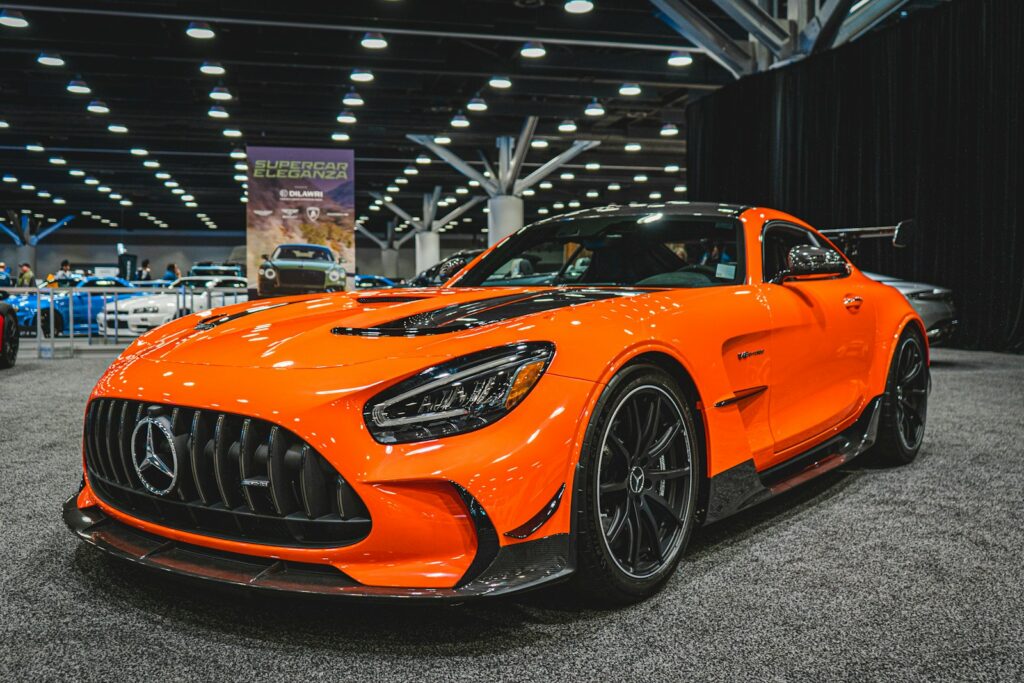
The distinctive features that define AMG models are the aggressive styling, high-performance engineering, and handling. The AMG cars usually have better aerodynamics, carbon fiber body parts, and upgraded powertrain as opposed to the normal Mercedes-Benz models. Although often viewed in comparison with the model of BMW M, AMG prioritizes a combination of the high-performance with the comfort and practicality, offering a versatile and sophisticated driving experience.
Distinct AMG Features
- Rudeness in exterior design and aerodynamics
- High-performance engine, drive train choices
- Carbon fiber enhancements
- Handling and comfort in balance
- Unique badge and identity
This raw power and utility is what separates AMG and other competitors. Whether it is on a track or the city streets, AMG cars provide great power without compromising comfort and it offers a completely different driving experience to the owner.
4. The One Man, One Engine Philosophy
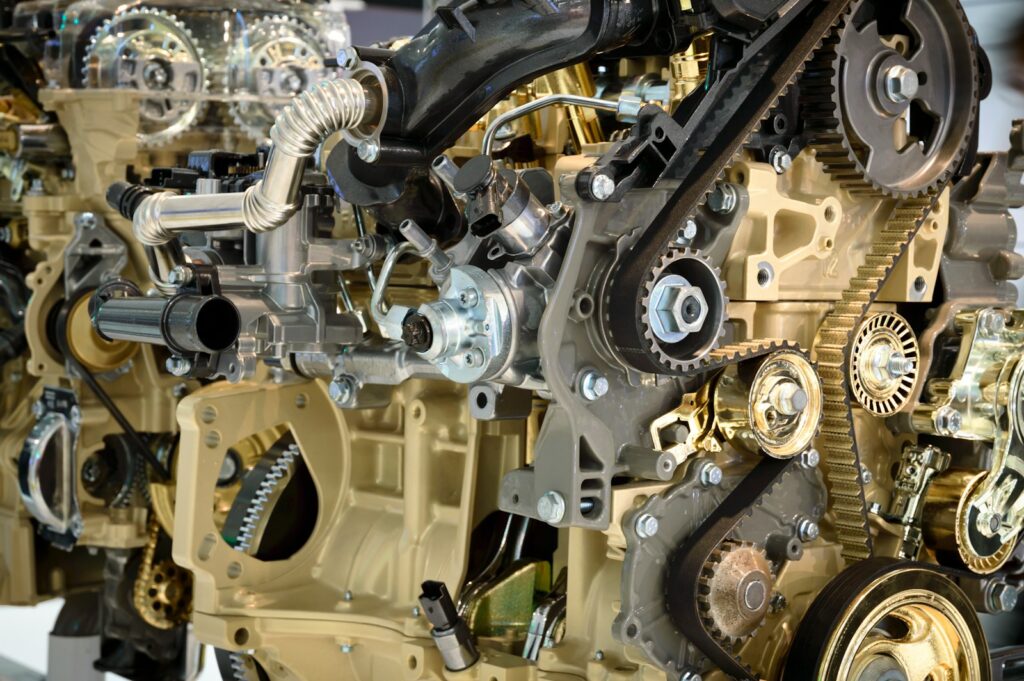
The main principle of the excellence of AMG is the principle of one man, one engine. All AMG engines are handbuilt beginning and ending by one technician in Affalterbach, Germany, who signs a plaque on the finished one. This self-ownership underscores the spirit of craftsmanship that AMG carries and will guarantee unmatched focus to detail.
Highlights of Engine Craftsmanship
- Entire engine built by single technician
- Plaque with signature of builder
- Approximately 50 engine builders AMG all over the world
- Focus on accuracy and excellence
- Performance ethos is manifested in signature method
This unusual strategy focuses on responsibility and pride in engineering, and each AMG automobile is marked with the signature of individual craftsmanship, which is unique in the high-end automotive market.
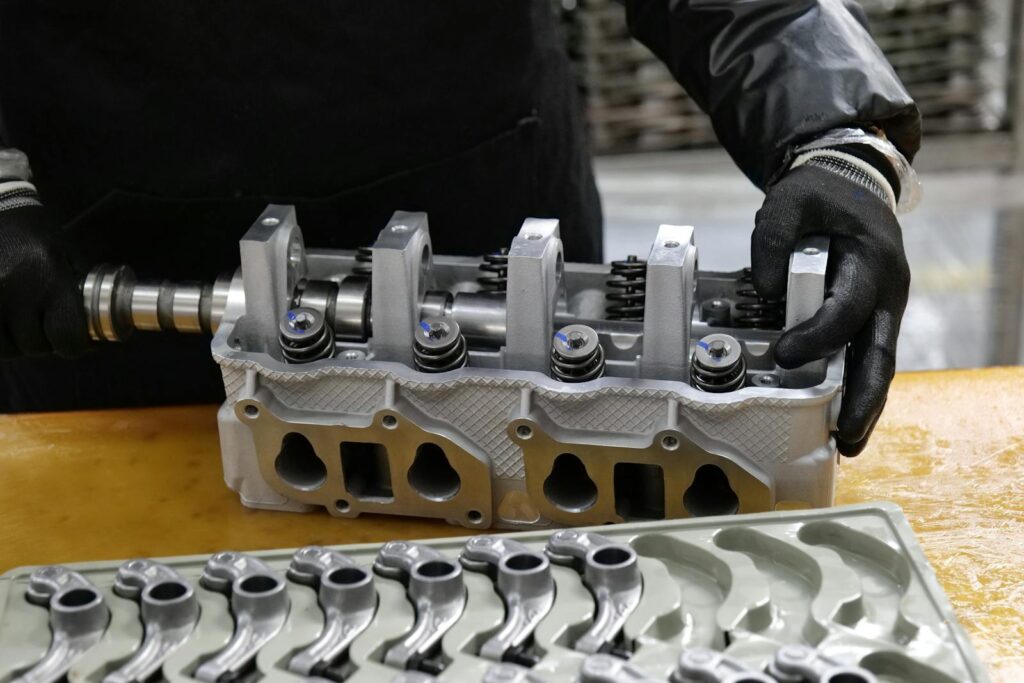
5. AMG Engine Evolution
The AMG engines have been advanced over the decades. The brand has never let up in pushing performance limits, with V6 and V8s that are supercharged and naturally aspirated 6.2L V8s. In 2011, a shift towards turbocharging was made with the release of the M157 5.5L bi-turbo V8, followed by the 4.0L V8 Bi-Turbo engines such as the M177 and M178.
AMG Engine Highlights
- Supercharged V6 and V8 legacy
- M156 6.2L naturally aspirated V8
- M157 5.5L bi-turbo V8 introduction
- Current 4.0L V8 Bi-Turbo engines
- Concentrate on productivity and high productivity
The AMG engine philosophy balances power and modernity as the vehicles are capable of offering thrilling driving experiences while complying with the latest efficiency and emission regulations.
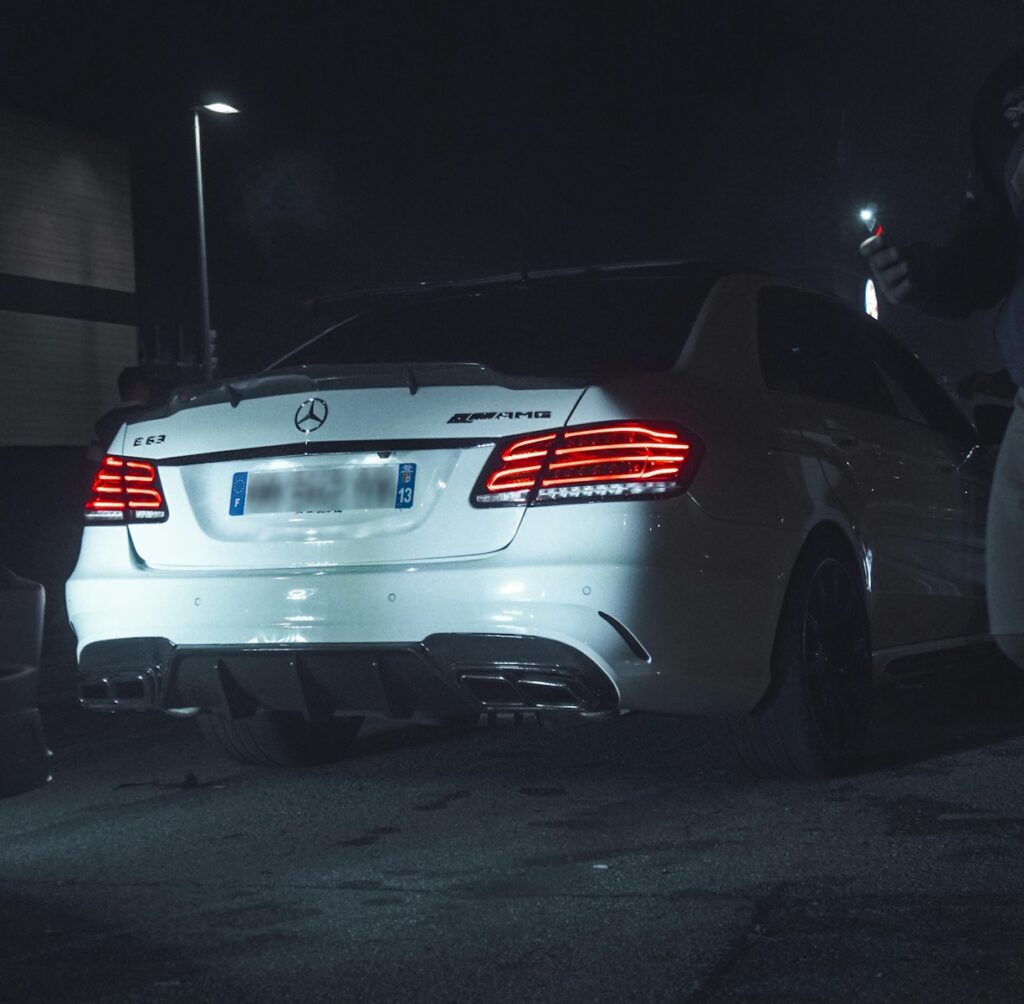
6. Distinct Model Badging
AMG models feature a two-numeral designation, such as “E 63,” distinguishing them from standard Mercedes-Benz three-number systems. While these badges do not always indicate engine displacement, they honor the brand’s heritage, referencing iconic performance models like the legendary 300 SEL 6.3.
AMG Badging Details
- Two-numeral system distinguishes AMG
- Numbers honor historical models
- Do not always represent engine displacement
- Example: modern E 63 uses 4.0L V8
- Emphasizes brand heritage and performance
This tradition reinforces AMG’s identity and connects modern vehicles to the brand’s rich performance history, offering both nostalgia and recognition for enthusiasts worldwide.
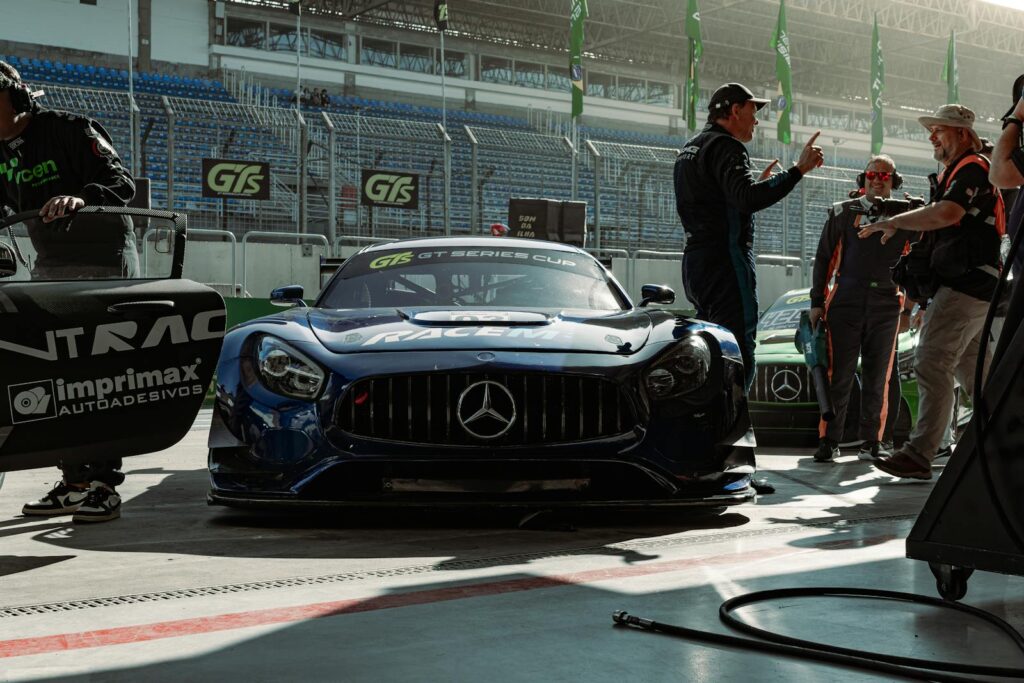
7. Black Series: The Pinnacle of AMG
For ultimate performance, AMG offers the exclusive Black Series. These vehicles are more than upgrades they are race-bred, street-legal machines. Focused on weight reduction, aerodynamic refinement, and enhanced power, each Black Series car delivers uncompromising handling and driving exhilaration. These two-door models represent the absolute peak of AMG engineering.
Black Series Features
- Weight reduction for agility
- Enhanced aerodynamics
- Increased engine power and torque
- Track-focused suspension and brakes
- Exclusive two-door configuration
Black Series vehicles push the limits of performance technology. Owners experience an extreme driving experience that combines track-level capability with the practicality of street legality, embodying AMG’s commitment to innovation and excitement.
8. AMG’s Global Collaborations
AMG has lent its expertise beyond Mercedes-Benz. The firm provides engines for Pagani hypercars, developed bespoke V8 powertrains for Aston Martin, and supplied M139 engines for the Lotus Emira. Earlier collaborations include AMG-tuned Mitsubishi and Honda models in specific markets, showcasing the brand’s adaptability and universal appeal.
AMG Partnership Highlights
- V12 engines for Pagani Zonda, Huayra, Utopia
- Technical collaboration with Aston Martin
- M139 inline-four for Lotus Emira
- AMG-tuned Mitsubishi and Honda models
- Expertise sought by global automakers
These partnerships reinforce AMG’s reputation for excellence. By combining bespoke engineering with adaptability, AMG proves its value across diverse automotive platforms, underscoring a legacy of performance that extends far beyond its own vehicles.