

Defining a Decade: 12 Iconic Cars From the 1940s
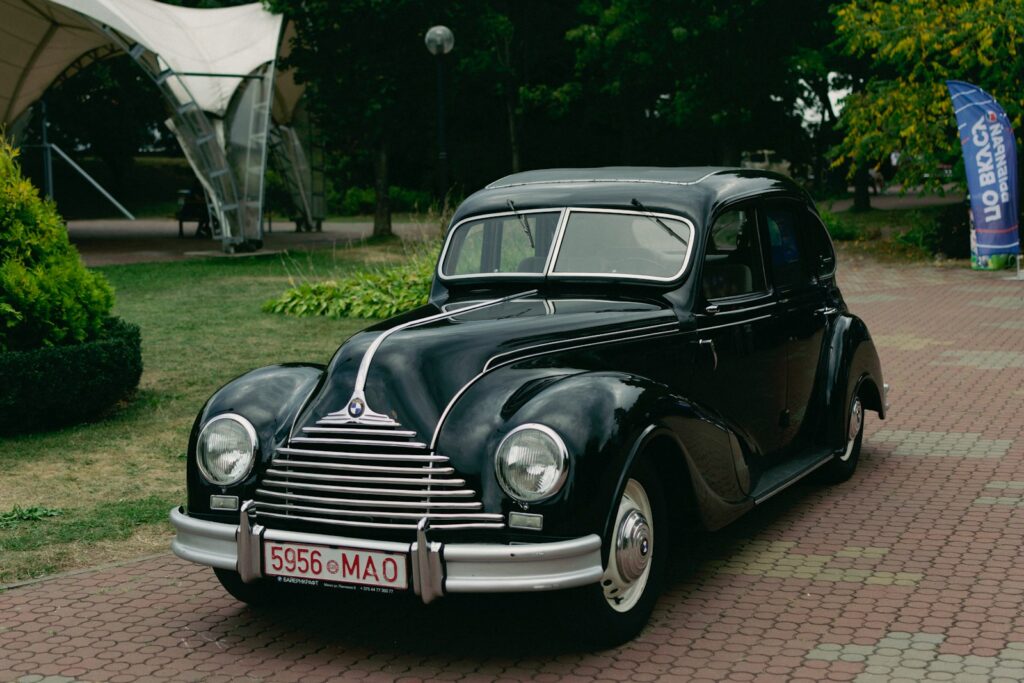
The 1940s are among the most radical and dramatic periods of history in the car industry. At the start of the decade, the manufacturers were perfecting the late 1930s chic and anticipating technological advancements. The World War II however, brought a jolt to civilian production and the automakers had to channel their efforts into military equipments, which essentially changed the priorities and capabilities of engineering.
Outlining Forces of the 1940s Automotive Era
- Art Deco styling during the pre war period
- Production shift of World War II
- Lightening engineering development
- Consumer demand explosion after the war
- The creation of the modern automotive design
Peace came back, and the car buyers were ready and willing and had more financial strength and were ready to innovate. Car manufacturers acted by combining engineering lessons of war and reemerging creativity. This gave rise to an interesting combination of old pre war luxury, rough utility cars which developed through military service, and forward looking post war design that led to the modern car.
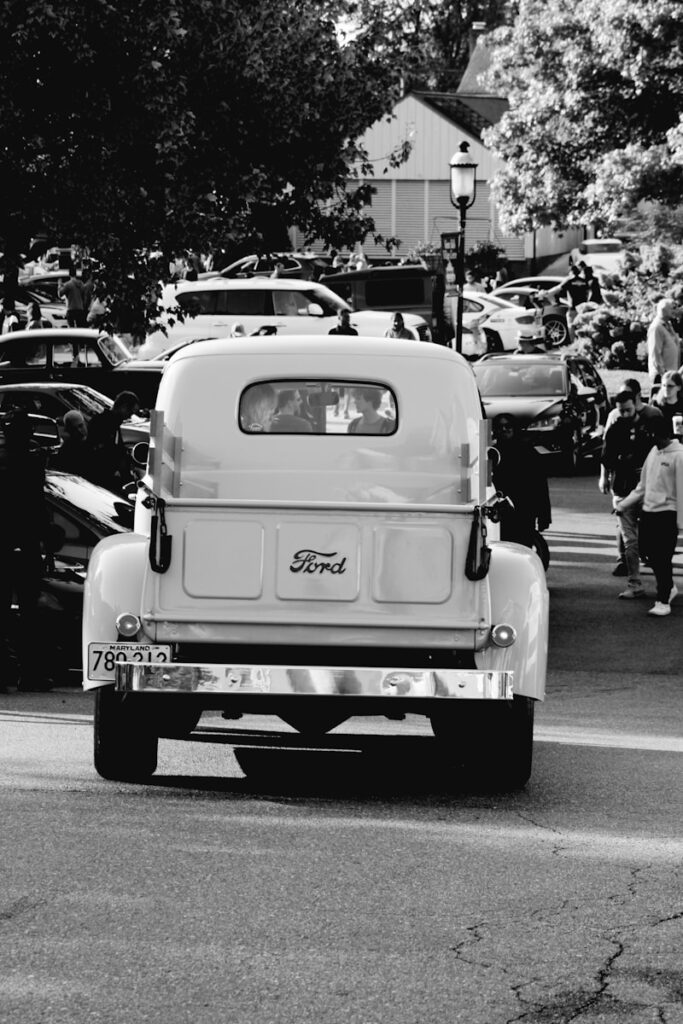
1. 1940 Ford Deluxe
The 1940 Ford Deluxe was the best representation of the last bloom of pre war American design. Its flowing fenders, teardrop shaped headlights and unique alligator shaped hood were Art Deco with a flair of style and still affordable to an average driver. It was classy without being overspending and it combined aesthetics and functionality in such a manner that appealed profoundly to the American consumers. Its V8 engine provided good performance at the time under the hood. Some of them appreciated its reliability, whereas other families praised its unexpected speed. A great legacy on the collectors and automotive historians is that the Deluxe would be one of the final great pre war designs ever to reach American motorists.
Why the 1940 Ford Deluxe Stood Out
- Iconic teardrop headlights
- Bold front grille styling
- Reliable flathead V8 engine
- Broad mass market appeal
- Favored by the performance enthusiasts
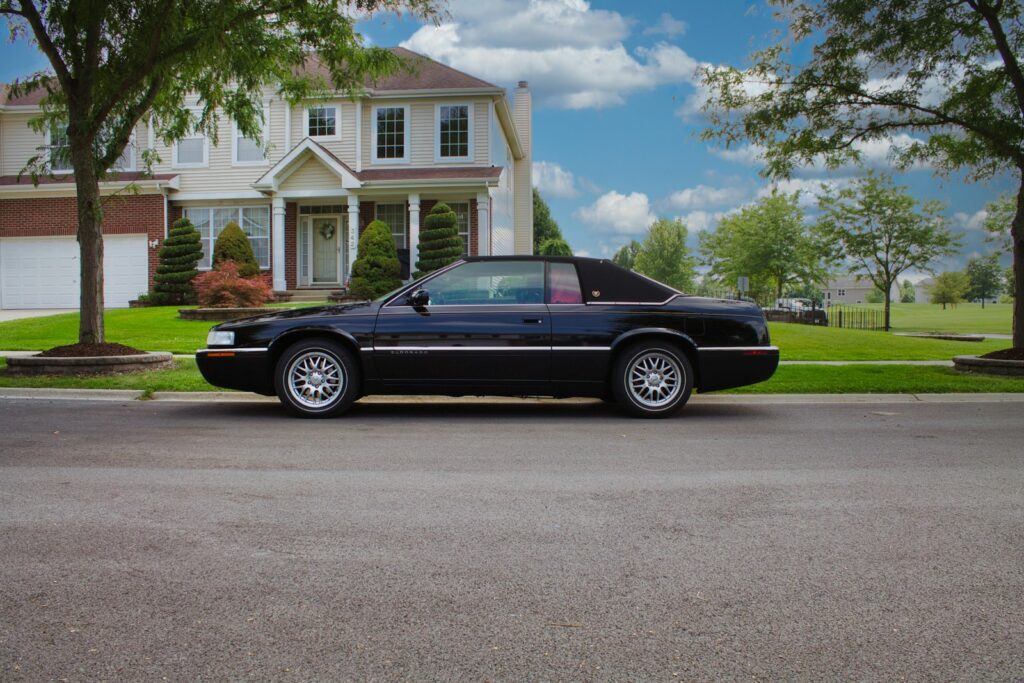
2. 1940 Cadillac Series 62
Cadillac began the process of strengthening the luxury supremacy with the graceful 1940 Series 62 before the wartime production came in. It had the sleek Torpedo body design and was as impressive looking as it was with the body. Its elegant lines and its consideration of the comfort of passengers had made it a moving proclamation of success in an age in which prestige had become an issue of concern. It was not all about the looks of the Series 62. Its comfortable interior, good handling and careful design put high hopes on American luxury cars. It was in most respects the quintessence of interwar dreaming, and it established in solid cadillac the long established reputation of style and innovation.
Highlights of the Series 62
- Smooth Design of the Torpedo body
- Emphasis on ride comfort
- High quality interior designs
- Strong brand prestige
- Road dominance and fluidity
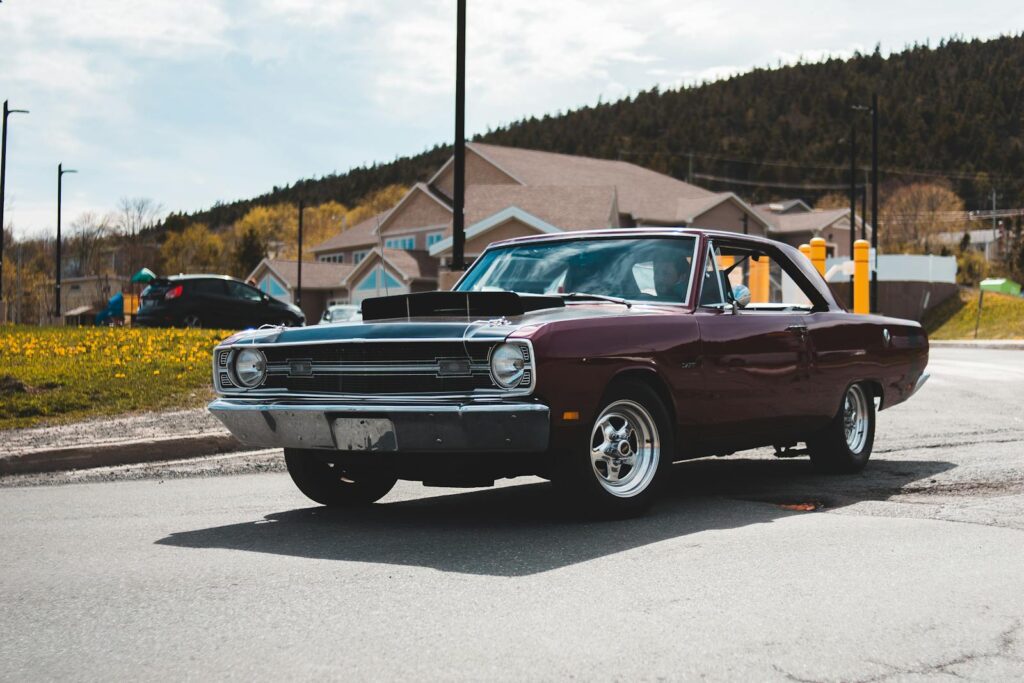
3. 1941 Lincoln Continental
The Lincoln Continental of 1941 is considered to be one of the most renowned American automobiles to have been designed. Not only was it conceived with exceptional attention to proportion, but it had a long hood, a short rear deck and the external spare tire which is so characteristic. The outcome was a car that appeared elegant, self assured and definitely exclusive. The Continental erased the distinction between transportation and art. Its elegant shapes and symmetrical silhouette shaped generations of high end couples. It was more than a status symbol, as it set a design standard, showing how careful styling could make an entire car segment.
The Continental has Signature Aspects
- Proportions of the long hood, the short deck
- design of rear mounted spare tires
- Beautiful couple and convertible models
- European influences of style
- Star and social glamour appeal
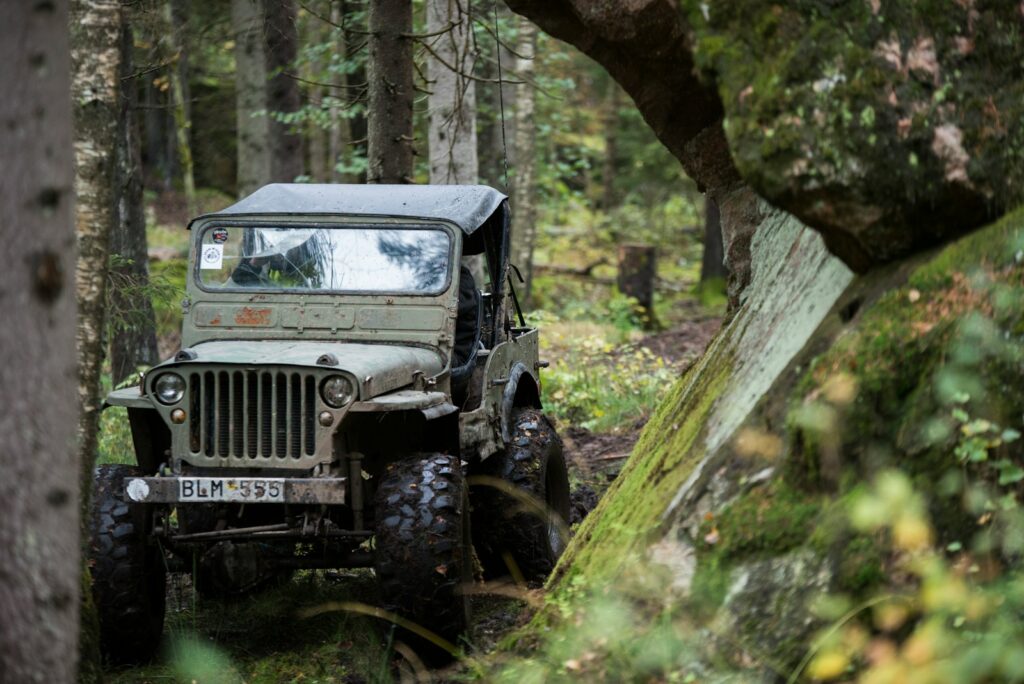
4. Willys MB
The Willys MB, a product of demand by the U.S. Army of a robust reconnaissance car, was one of the most popular products of WWII. The four wheel drive system with its small frame coupled with unparalleled durability made it essential on battlefields anywhere around the world. The influence of MB was far reaching even after the war. The civilian successor in the conflict led to the development of the SUV market. Its heritage continues in the contemporary off roaders and made Jeep a brand of strength and usefulness that has served as a brand of toughness and flexibility.
What Made Willys MB Necessary
- Tough four wheel drive performance
- Rudimentary, repairable engineering
- Maneuverable and lightweight design
- Dependability of the battlefield
- Foundation of future SUVs
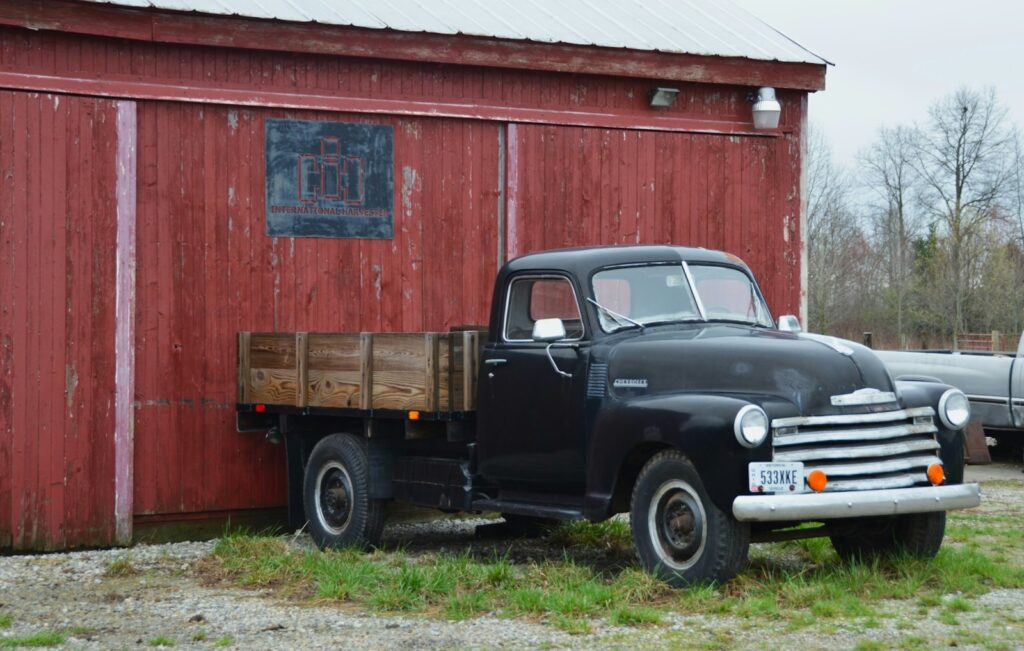
5. 1946 Dodge Power Wagon
The 1946 Dodge Power Wagon was the compromise between military engineering and practicality of the civility. It was based on wartime trucks and it provided farmers, contractors, and rural communities in America with four wheel drive capability. The Power Wagon was constructed to meet the demands of the extreme terrain. Its reliability and strength had a detention on the decades in the truck evolution, furthering formed the contemporary pick up truck character as an emblematic and hardworking companion that goes everywhere.
Defining Characteristics of Power Wagon
- Military derived durability
- Civilian 4×4 availability
- Superior off road talents
- Heavy duty construction
- Long lasting reliability
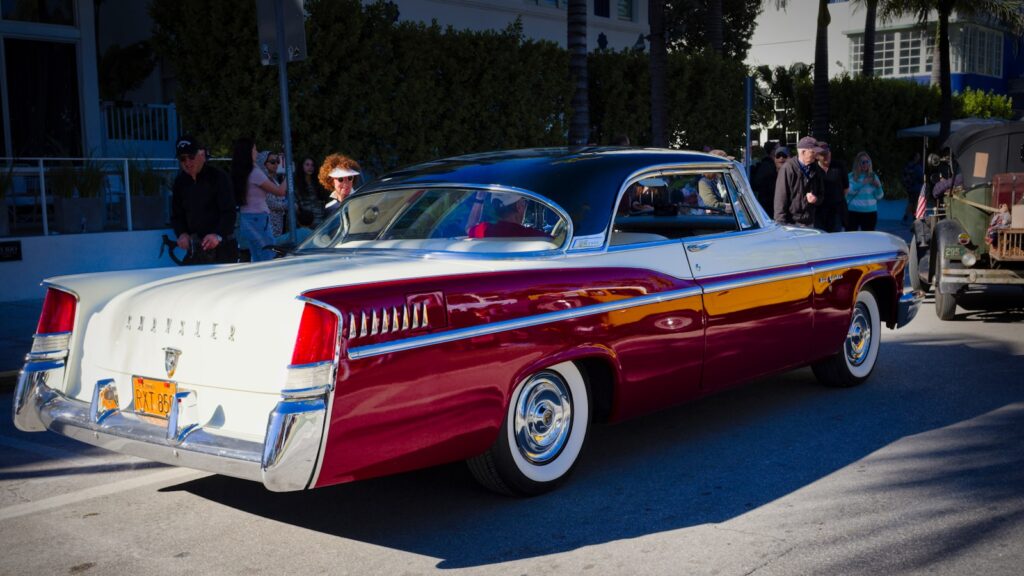
6. 1946 Chrysler Town & Country
The Chrysler Town and Country of 1946 was a unique model featuring a body, made of wood. Mahogany veneers over ash wood framing were used to make a nostalgic and yet upscale look which implied post war optimism and relaxed living. Its artisanal nature created a look of the pre war but with a brighter future. The prototype woody became an icon on the American wagon and SUV, though later models switched to steel body, their original shape continued to have an impact on the styling of the vehicle over the decades.
Distinctive Characteristics of the Town and Country
- Unique wood body styling
- Upscale convertible notes
- Strong celebrity following
- Compromise between the past and the present
- Post war luxury appeal
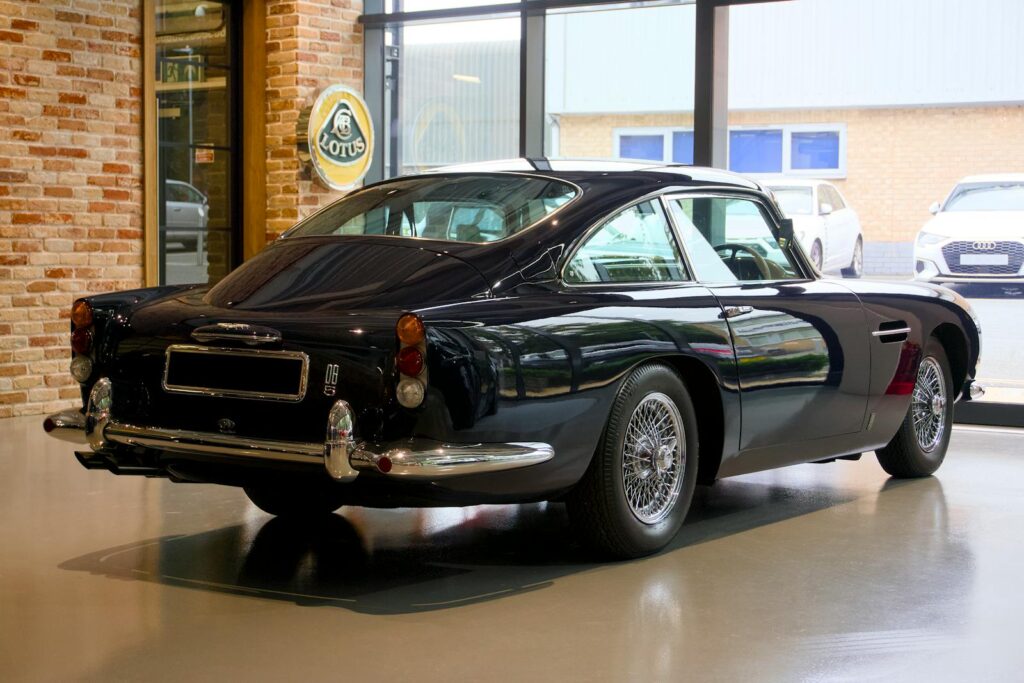
7. MG TC
The introduction of the MG TC in America changed the culture of American driving silently. It was open topped, lightweight, and small and provided a cool experience compared to the bigger domestic cars that ruled the roads. Its agile ride promised the Americans the excitement of sports car driving. The MG TC would trigger a fervor that led to an influx of European imports that would forever change the course of American car love.
The Reason the MG TC Caught on
- Lightweight, agile handling
- Open air driving experience
- Recruiting manual transmission
- Affordable sports car entry
- Enabler to popularity of imports
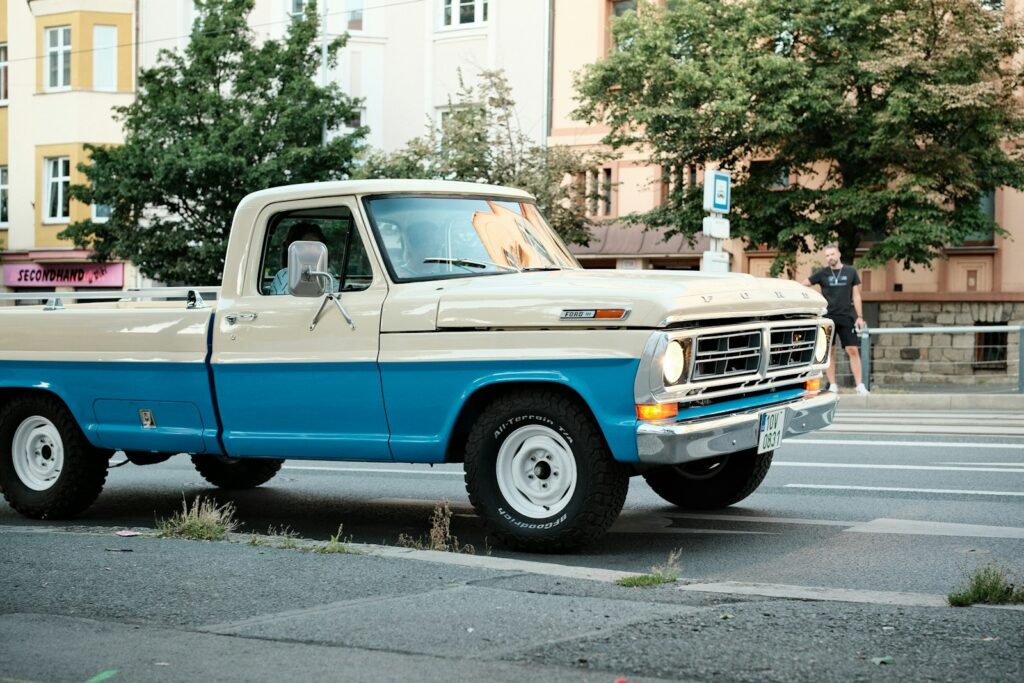
8. 1948 Ford F Series
The 1948 Ford F Series was the start of one of the most successful truck histories in the history. It was specifically designed to meet post war demands with better durability and flexibility to a workforce that was growing rapidly. Its functionality was adopted by the farmers, tradesmen and businesses. The F Series rapidly became a staple of the American industry starting a heritage that goes on to be among the highest selling series of vehicles in the world.
F Series Innovations
- Post war design intentionally designed
- Improved cab comfort
- Various body positions
- Enhanced payload capacity
- Building of a truck dynasty
9. Jaguar XK120
When unveiled, the Jaguar XK120 stunned audiences with its breathtaking design and remarkable performance. It combined flowing curves with engineering excellence, quickly earning recognition as the fastest production car of its era. The XK120 propelled Jaguar onto the world stage. It redefined expectations for sports cars, blending beauty and speed in a way that inspired enthusiasts and competitors alike.
What Made the XK120 Legendary
- Sleek aerodynamic styling
- High performance engine
- Record setting top speed
- Global critical acclaim
- Collector desirability
10. Tucker 48
Few automobiles are as mythologized as the Tucker 48. Though production was limited, its forward thinking design and focus on safety made it one of the most fascinating cars of the decade. Preston Tucker’s ambitious vision challenged industry norms. Even though only a handful were built, the Tucker 48 became a symbol of bold innovation and the enduring spirit of American automotive creativity.
Groundbreaking Tucker Innovations
- Central third headlight
- Emphasis on passenger safety
- Futuristic body styling
- Rear engine configuration
- Limited production exclusivity