






Detroit’s Double Bind: Record Car Supply Meets Historic Labor Strike
The American auto industry is going through a season of deep contradiction. The dealership lots around the country are overflowing with a plethora of new cars, something not observed in years, and this indicates that there is a supply-side of the market. However, this apparent calmness covers a simmering discontent, with the industry struggling to absorb the economic fallout of a historic labor strike that threatened to bring production to a halt.
This excess of inventory and the upheaval of the United Auto Workers (UAW) strike have resulted in a complicated and unstable environment of the Big Three automakers in Detroit, their huge system of suppliers, and the American car consumer.
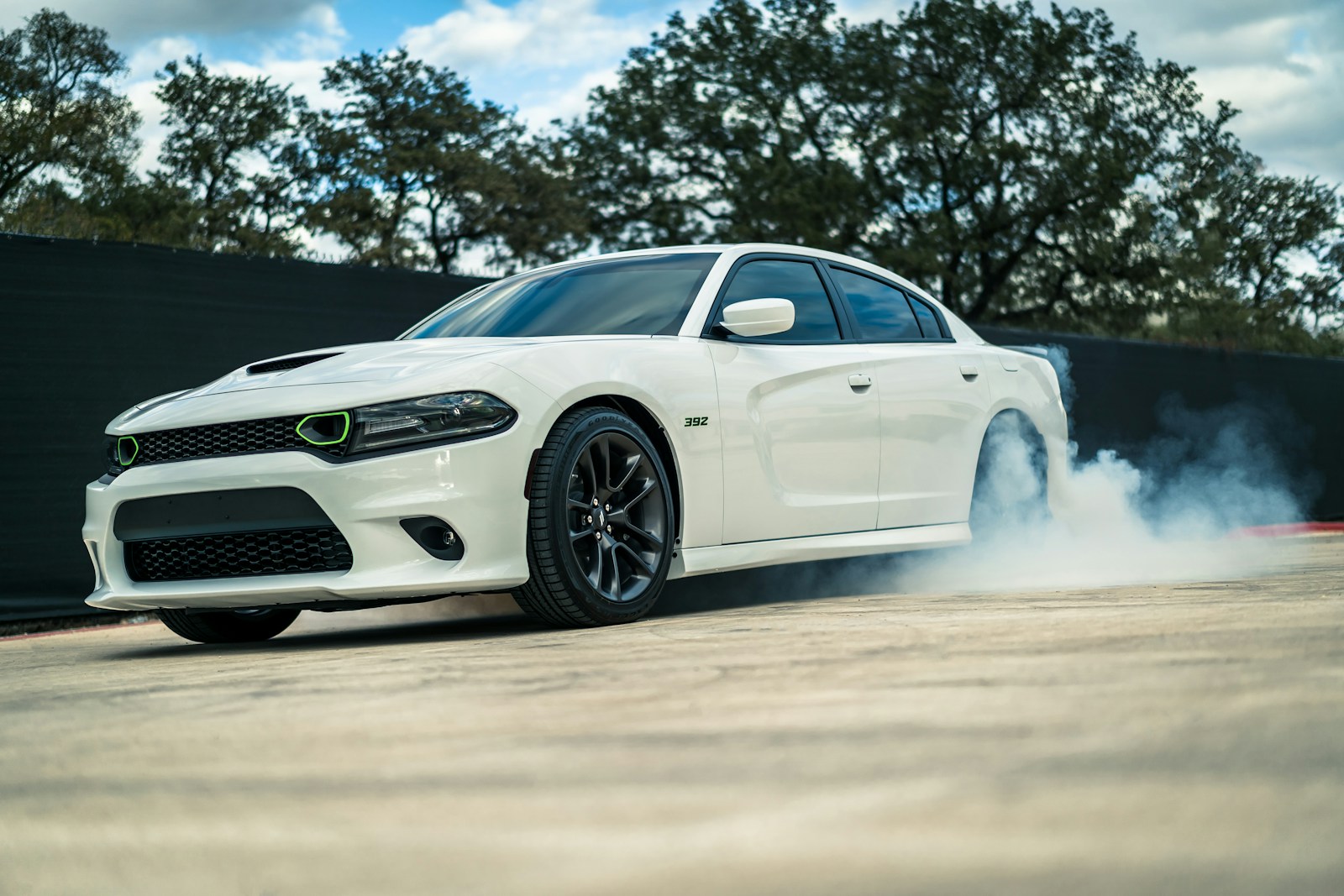
The core of this dynamic is a new car inventory that has never been seen before. In the month of August, the overall supply of unsold new vehicles in the United States had reached the two-million-unit mark, the last time this was reached was in April 2021. At the beginning of September, the inventory rose to 2.06 million units, which is quite impressive as compared to 1.96 million a month ago. This is a great change compared to the shortage that characterized the market in the pandemic.
The excess is quantified using one of the most important industry ratios called days of supply that finds the number of days it would take to clear all the cars that are available in the market at the current rate of sales. This number was 58 days at the start of September, which is simply unbelievable, as it is 46 percent higher than in the year before. Although this is slightly short of the 60-day supply that is historically regarded as normal and even ideal by the industry, the situation has changed radically.
Inventory Imbalances and Strategic Stockpiling
This inventory is unevenly distributed. A June-end analysis showed that the national average was around 53 days, but most of the Detroit Three brands were carrying much higher. Ford had 75 days of supply, compared to 97 and 95 days of Stellantis brands, Chrysler and Dodge. The Buick brand of General Motors was even greater and its supply of vehicles in its lots was 102 days.

This accumulation of cars seems to have been an engineered bet by the car manufacturers. With growing strained talks with the UAW, the industry appeared to be dancing on a thin thread, deliberately building up an overcapacity of vehicles as a strategic cushion. This inventory was meant to cushion the immediate effect of possible production shutdowns due to a labor strike, which has always been a constant threat that has historically resulted in extreme bottlenecks in the supply chain.
Through the creation of a strong inventory, automobile manufacturers were hoping to survive the storm without the sales and availability falling into a free fall. The plan was especially pronounced in the areas of their business that were the most profitable. The Big Three depend on full-size truck sales to make their profits, and they made decisive moves to defend this important source of revenue. Ram 1500 supply was 107 days and the Ford F-150 supply was close behind with 98 days, Chevrolet Silverado and GMC Sierra had 81 and 79 days respectively.
The UAW Strike and Its Economic Shockwaves
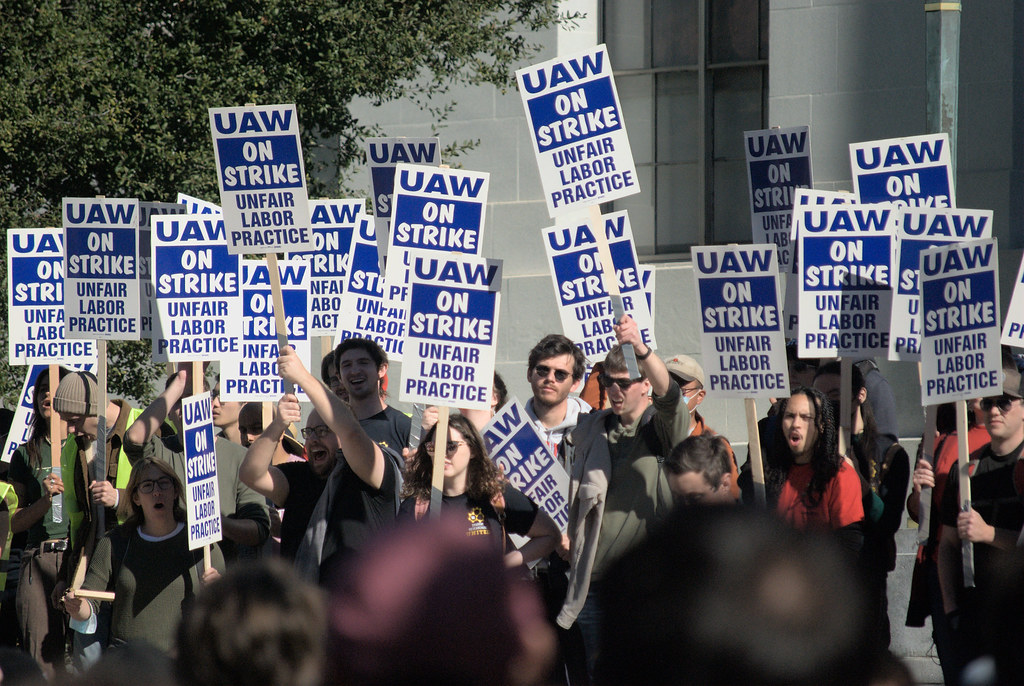
This risk was tried on September 15, 2023, when the UAW tapped the brakes and requested a strike against all Detroit Three automakers General Motors, Ford, and Stellantis. The strike was the first time in the history of the union that all the three manufacturers were targeted. Nevertheless, rather than a national walkout, the union chose a more focused approach, only requesting to walk out at a few plants, a decision that enabled its strike fund to be more sustainable, yet still causing a lot of havoc.
The economic impact was instant and significant. Deutsche bank estimated that a long-term strike would affect the earnings of each automaker by $400 million to 500 million a week, with a total possible loss of 1.4 billion a week. Even a one-week, 10-day strike, as calculated by the Anderson Economic Group, would lose the U.S. economy 5.6 billion. The real effect on the economic performance of the country was validated in later analysis which estimated that the strike had a negative effect of 0.1 percentage point to the annualized growth in GDP in the third quarter and a larger negative effect of 0.5 percentage point in the fourth quarter.

The level of disruption is indicated by production figures. It is estimated that the strike cost the domestic light motor vehicle production 600,000 units in September and an astronomical 1.8 million units in October at annual rates. The work stoppages cost Detroit Three production over one-third of all production by October. The 2023 strike was targeted, thus the decrease in production was not as high as the one GM had to face in 2019 when it went on a nationwide strike, but the damage was still significant.
Spillover Effects via the Supply Chain and Dealerships
The ripple effect of the strike went way past the assembly lines of the Big Three and caused a nasty domino effect through the complex auto supply chain. This intricate network that hires approximately 4.8 million Americans in the auto parts manufacturing sector alone was again undergoing a stress test as it was still in the process of recuperating after the pandemic. According to Mike Wall, an automotive analyst with S&P Global Mobility, suppliers have been in proverbial hell in the past three and a half years.
The Detroit giants asked their largest suppliers to stop delivering parts and these companies passed the message down the line. Smaller auto suppliers further down the supply chain, who sell single parts, were the most injured, as they did not have the cash reserves or the diversification of client base to sustain a long shutdown. They are not publicly traded firms, and they might not have access to the cash they will need to sustain themselves as business professor Erik Gordon explained.

The situation put a special set of pressures on consumers and dealerships. Dealers who had been enjoying a high profit and low inventory situation were in the reverse position. The maintenance of excess inventory in the form of floor plan costs was a heavy burden in the financial aspect with the interest rates being high. The era of charging much higher than the sticker price started to disappear as the market forces returned to the consumer at least in terms of availability.
First, there was a lot of fear that the lengthy strike would result in the repetition of the pandemic-related shortages and skyrocketing prices on vehicles. Nevertheless, the inventory bet made by the automakers worked in this regard. The impact on the prices of motor vehicles was relatively dampened, which was exactly the case, since the inventory was not reduced as drastically as during the past strikes. The already existing surplus was a very important shock absorber, which avoided a drastic supply-and-demand crunch.
EV Glut and Labor Gains
To make this situation even more complicated, the industry is still in the process of transitioning to electric vehicles, which is costly. The production of EVs increased, which was one of the major causes of the overall inventory excess. The beginning of September supply of unsold EVs was a massive 98 days of supply, which was significantly higher than the industry average. This was an element of reinforced production and demand that has not been increasing dramatically.
This EV inventory overstock has generated an actual tension between manufacturers and their dealerships. Several dealers are being obliged to invest huge sums of capital, up to 1 million dollars, on EV charging systems and specialized equipment. The fact that they have inventory in their lots, but sales have not increased by a significant margin has given a bad taste to the mouth of many dealers.

The supply situation of the EVs is not consistent either. Although luxury EVs made in Germany have one of the highest inventories, cheaper models such as the Chevy Bolt have been tight with less than 30 days inventory. This difference shows how automakers are struggling to match production with the actual consumer demand in the new EV market.
It took approximately six weeks to conclude the strike, which ended in late October 2023 when the UAW had new agreements with the automakers. The resolution led to historic gains of autoworkers. The new contracts provided 25 percent wage increment throughout the duration of the contracts, and a pay increment of 11 percent upon ratification. UAW president Shawn Fain said that the action would not destroy the economy but rather destroy the billionaire economy, citing the large increase in executive compensation over the past years.
The effects of these historic deals were soon felt outside the Detroit Three. Over the next weeks, a number of non-unionized foreign automakers such as Toyota, Honda, and Hyundai declared their own large wage increases to factory workers in the U.S. This ripple effect has been successful in re-establishing the standard of wages in the entire American auto manufacturing industry.

This change is confirmed by data on average hourly earnings. Following a year of nearly identical growth in manufacturing wages, the motor vehicle sector experienced a sharp rise in wages starting in October. This timing is a strong indication that the strike and the resultant contracts were a major factor that solidified a new, more expensive labor environment across the industry.
The American automotive industry has just survived a perfect storm, a strategic over-supply and historic labor strike collision. Although the crisis has been overcome in the short term and the assembly lines have gone back to their beat, the crisis has left a lasting mark on the landscape. The future of automakers has become one characterized by a radically more expensive cost base, the financial and logistical pressures of the EV transition that are never-ending, and the fine, balancing act of inventory management in an unpredictable market. The power structure has changed, and in the case of Detroit, the future requires a new degree of strategic accuracy and strength.