



Ford Bolsters Electric Vehicle Strategy with Acquisition of Energy Management Innovator Auto Motive Power

Ford’s making a big move to stay ahead in the electric car race snapping up Auto Motive Power. This deal shows they’re serious about boosting their own tech muscle, especially when it comes to batteries and charging speed. Instead of relying on others, they’ll now build smarter systems from within. With AMP’s help, charging could feel smoother and more reliable for drivers. Their combined know-how might just make owning an EV way less tricky.
AMP started in LA back in 2017 since then, it’s grown fast by building smart tech for handling energy in different ways. Their lineup features fresh ideas like tools for charging electric cars, solid online platforms run from the cloud, along with next-gen batteries and smarter energy controls. Because they tackle power flow differently, people in the field have taken notice; that’s why Ford’s new EV push sees them as a strong fit.
In a post on LinkedIn this week, Anil Paryani who runs AMP shared the update, saying, “Our skilled crew is stepping into a fresh chapter, bringing our power-saving tech into Ford’s strong lineup of electric cars.” That move highlights what Ford wants from the deal: using AMP’s solid know-how to boost how well their EVs run and get more done with less waste.
Alignment of missions and operational integration
Paryani broke down AMP’s main idea, saying cutting EV tech costs while getting more from batteries has always driven the team. That focus on saving money and using power smarter hits home now industry players need tight budgets and longer-lasting batteries if electric cars are going to go mainstream and actually make sense profit-wise.
After buying it, AMP won’t exist on its own anymore this was the firm that claimed its tech ran in nearly every major EV maker globally. Ford’s plan? Take full control of what AMP built, from patents to people. According to Emma Bergg, a rep for Ford, they’re bringing the team, the gear, along with the site in Santa Fe Springs into their fold instead.
Ford hasn’t shared exact numbers, yet Pitchbook shows AMP pulled in $26.5 million from investors since starting up. That kind of cash points to strong confidence in AMP’s tech before joining Ford. Instead of building from scratch, Ford chose to buy putting real weight behind its push into key EV infrastructure areas.
Ford’s takeover means many from AMP will join their crew. Most staff are moving over, says Emma Bergg. Anil Paryani AMP’s creator is stepping into a fresh position under Alan Clarke at Model e. He’ll answer straight to Clarke, who runs Ford’s electric vehicle push. That setup stands out since both worked side by side at Tesla’s engineering division for nearly half a decade.
Leadership perspectives and strategic timing
Alan Clarke broke down the smart side of merging people and tech on LinkedIn, saying plugging AMP’s tools into Ford’s EVs “can cut costs, boost performance, or make customer rides better.” His take highlights how Ford’s pushing hard to balance affordability with quality something that matters more now, as rivals race to stand out.
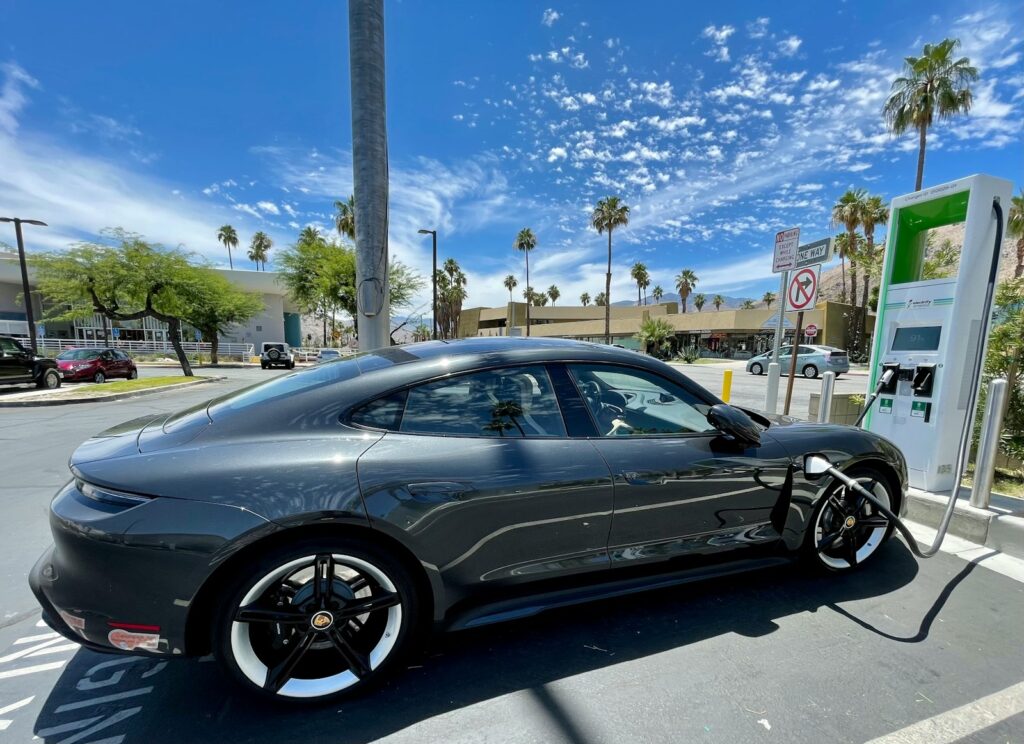
The deal comes at a moment that stands out right when Ford’s electric plans are shifting. Lately, the carmaker said it’ll go slower on EVs, cutting output of the Mach-E while delaying around $12 billion in spending. On top of that, their goal to build 600,000 electric cars this year won’t happen now till 2024.
Even with these changes, buying AMP shows Ford still backs its big push into electric cars. It isn’t pulling back just reshaping how it moves forward, focusing on building tech themselves while saving money. That fits what Bill Ford said lately he pointed out prices are too high for most buyers, so cheaper EVs are key to getting more people onboard.
Depth of AMP’s technology portfolio
The tech from AMP isn’t just about regular EV charging it handles various power needs too. Old web pages saved online, though later removed, show AMP expanded into managing energy for different uses. That includes self-driving ride cars, flying drones, or super-fast tube transit setups. Such wide-ranging skills suggest Ford’s picking up serious technical know-how through this move.
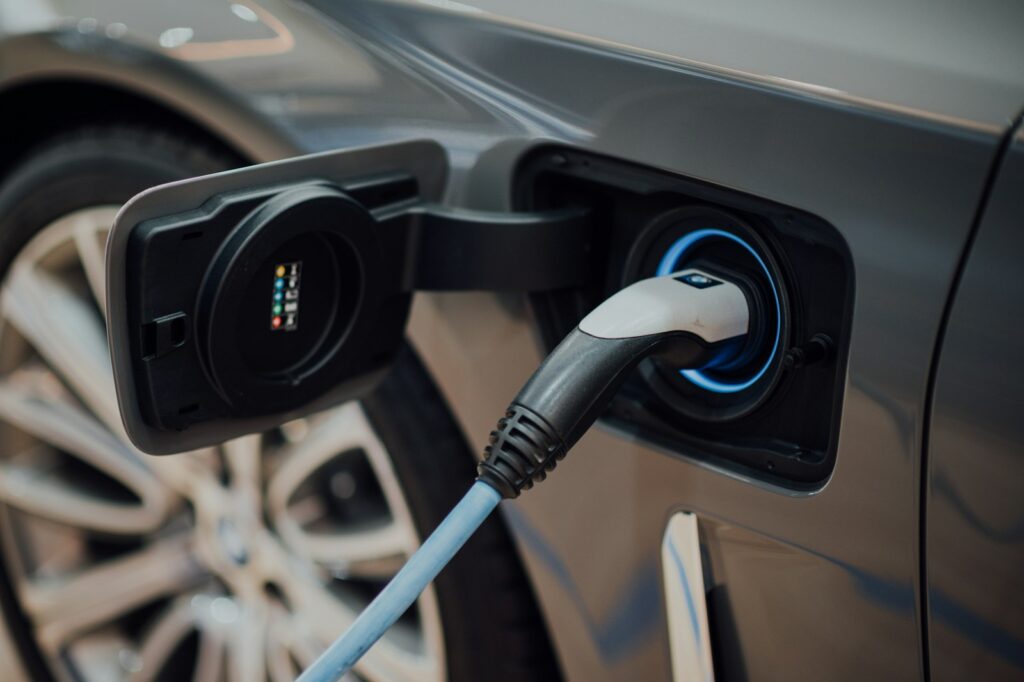
A big new thing from AMP is the built-in charger that works with Tesla’s NACS system, linked up with DC fast charge parts so charging can go both ways. That matters because it means an electric car doesn’t just take power it can send it out too, maybe even to your house. Tapping into a parked EV’s leftover battery juice could really shape how we handle energy down the line.
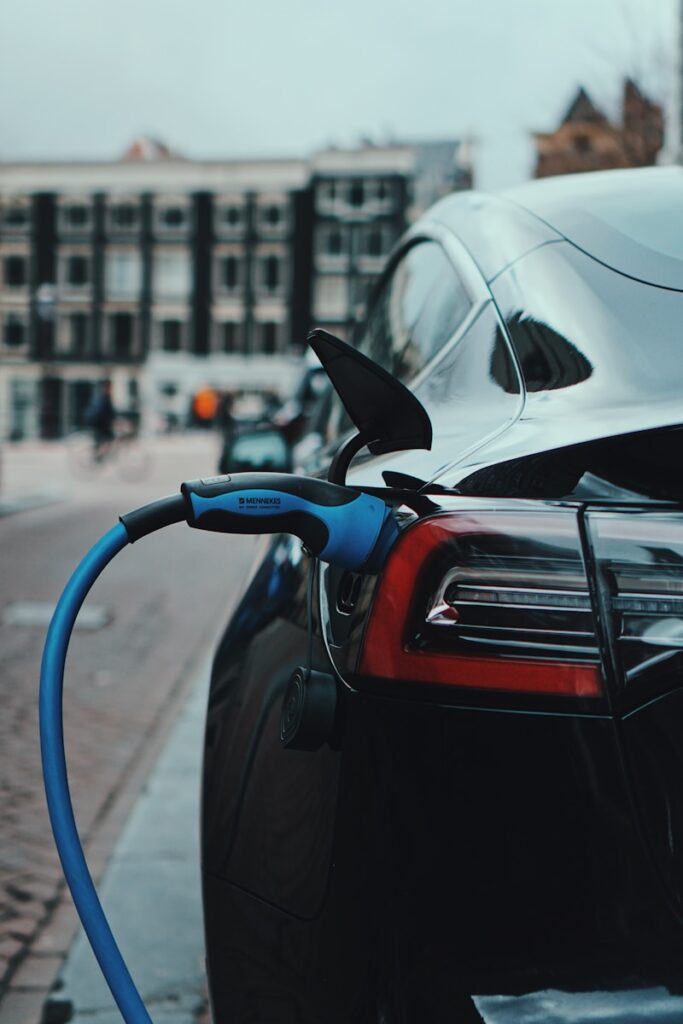
Ford’s new setup uses a smart power network that links cars to outside systems. It pulls juice from electric car batteries to help stabilize the local electricity supply. This kind of tech backs up smarter energy flow, handles peak use better, also keeps power steady during outages. With moves like these, Ford steps ahead as the game shifts toward connected energy solutions.
AMP built a combined energy control module they called the ampEMU. The single setup includes a built-in charger along with circuit controls, while handling quick charge speeds up to 500 amps. It works with NACS and CCS plug types, so Ford can adapt vehicles easier across different regions. That match-up boosts design options without limiting where they sell.
Charging ecosystem expansion and industry context
Ford’s rep, Emma Bergg, stressed the key goal she said, “We’re pushing hard to get more people into electric cars while making charging easier for everyone possible. This step speeds things up in a solid way.” Her words highlight what this deal really means: giving Ford a quicker path forward in the EV world while boosting how good their service feels for users.
The purchase fits right into Ford’s push to grow its charging setup. Even though the company will start using Tesla’s plug design from 2025, it’s still growing its own BlueOval Charge Network at the same time. That system just got 25% bigger across North America, reaching past 106,000 charging spots. On top of that, Ford drivers should get entry to over 15,000 Tesla stations by May next year, making charging way easier and closer at hand.
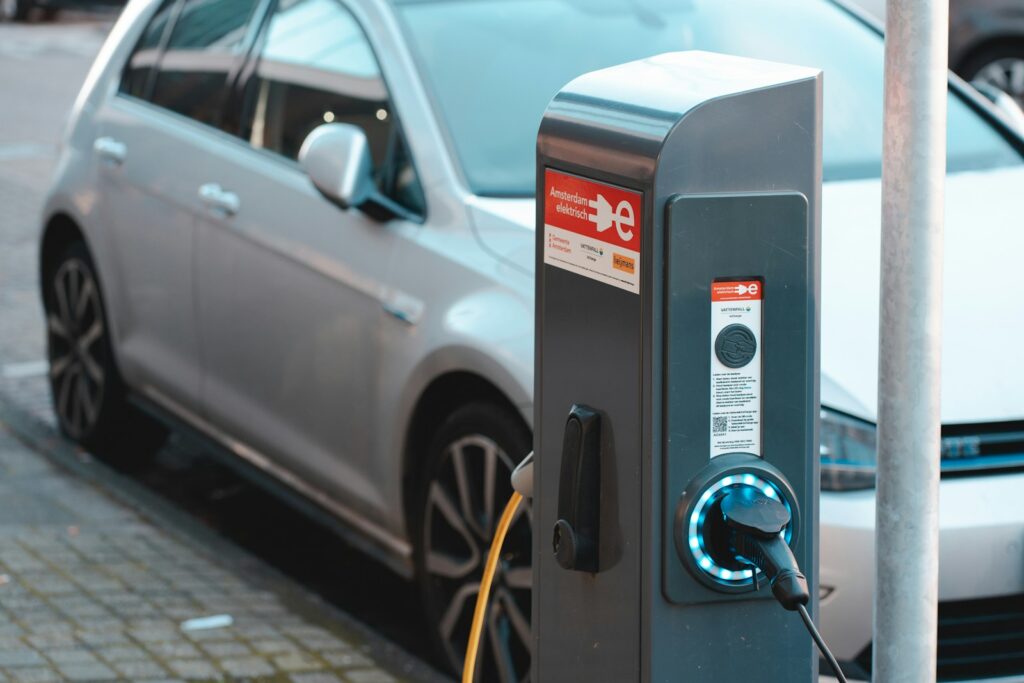
Ford became part of the National Charging Experience Consortium back in May, alongside this wave of infrastructure growth. The group brings together carmakers, charging companies, power suppliers, and government labs all working to make EV charging easier across the U.S. Right now, they’re zeroing in on how payments work, app designs, and how cars talk to chargers tackling key issues from multiple angles.
The auto sector’s shift to electric cars looks uneven. Though Ford slowed down plans, so did companies such as General Motors blaming weaker buyer interest than expected. Yet moving toward electric power still feels necessary. GM scrapped its goal of building 100,000 EVs by late 2023. In the same way, Mercedes-Benz CFO Harald Wilhelm called today’s EV scene “a pretty brutal space,” hinting many automakers may struggle to survive under these pressures.
On the flip side, Tesla keeps growing fast, staying ahead of others in the electric car world. Its smart moves around charging stations have pulled in rivals Ford joined up, then General Motors, and just lately, Subaru too. When Subaru said it’d use Tesla’s charging setup starting in 2025 for its future EVs, it gave another boost to how widely accepted that system is across America.
Ford’s Path forward in electric mobility
Ford snapping up AMP? Smart move shows they’re thinking ahead in a shaky, fast-changing industry. Instead of relying on outsiders, folding AMP’s sharp charging and battery tech into their own setup gives Ford tighter grip on what goes into their electric cars. That could mean lower costs, better results, and faster progress for the Model e crew. With pressure piling up from buyers who want affordable EVs – and automakers racing to keep up it’s exactly the kind of play that helps Ford stay in step.
The move brings AMP’s skills and tech straight into Ford’s workflow giving the carmaker a real edge. With full grip on key EV systems, development speeds up while fixes fit better, shaping how Ford’s electric models perform. Tighter teamwork under one roof means smoother results people actually notice the kind that gets more drivers switching to electric.
In the end, Ford leaning into AMP’s smart tech shows it’s serious again about electric cars just with a clearer game plan this time. This step isn’t just about reviving their EV efforts yet also boosting how they stack up in a car world that keeps changing fast. Pushing to build EVs that are easier to get, simpler to use, and better on energy, Ford’s trying hard to turn electric rides into everyday choices people actually want, no matter where they live. That shift could open doors so more folks can grab hold of clean transport without hassle down the road.