

Ford Tackles EV Inventory Pile-Up Amid Market Shifts
Not so long ago, the purchase of a new electric car was like winning a lottery, and buyers were happy to be on long queues to purchase the most popular models. The Ford Mustang Mach-E was squarely in that category, a highly regarded SUV that even won the first Electric Vehicle of the Year Award at Car and Driver in 2021. However, the electric vehicle market is turning out to be as volatile and dynamic as the technology itself. It is a different tale being played out in dealership lots around the country today where Mach-E rows are becoming a reality and the legacy automaker is facing a huge challenge.
Ford is facing an issue of electric vehicles inventory, and the problem is summarized by a sharp decline in its second-quarter sales of 2025. The EV sales of the company declined by an incredible 31.4 percent and deliveries were down to 16,438 units compared to 23,957 in the same quarter of the previous year. This was not a small hiccup but a wide slump on its entire electric line. The flagship F-150 Lightning pickup sales declined by 26 percent to 5,842 units and the EV pioneer of the brand, the Mustang Mach-E, declined by 19.5 percent to 10,178 units. E-Transit van was the most dramatic as the sales dropped by 87.7 to only 418 units sold.
This decline is further enhanced when one considers it in the context of its crosstown competitor. As Ford struggled with declining sales, General Motors announced increased sales of its EVs more than two times, increasing by 111 percent in the same quarter. GM sold 46,280 electric vehicles, almost three times the total of Ford, with an expanding range of 11 different models of EVs.
Manufacturing Stop and an Expensive Recall
This comparison shows that the problems of Ford are not only related to the cooling EV market, but also to certain obstacles of its own products and strategy. The company believes that the sales downturn was caused by a combination of both planned and unplanned events. Ford spokesperson Martin Gunsberg cited factory closures due to the model year 2025 changeover, which affected the supply of the Mustang Mach-E as well as the F-150 Lightning.
According to his words, our dealers cannot sell what they do not possess. This intended stoppage of production was, however, aggravated by a major and unexpected problem with the Mustang Mach-E. A computer bug with the electronic door locks resulted in a massive recall, affecting almost 200,000 cars in the U.S. and more than 317,000 around the world.
The flaw was a grave danger, with the owners being locked in or out of their vehicles. Ford responded by stopping deliveries with a stop-sale order. Although a software update will be introduced in the third quarter, the recall was a major blow to the performance in the second quarter. Gunsberg was optimistic and said that Ford anticipates the release of Mustang Mach-E inventory that is currently on sale to grow throughout July.
When Inventory Becomes the Real Problem
However, the problem with inventory is more than a temporary stop in sales. On further examination of the data provided at the end of 2023 and the beginning of 2024, it is possible to note that the Mach-E was experiencing headwinds long before the recall. As of January 2024, Ford had more than 22,000 Mach-E cars in inventory. In that light, its eight competitors in the electric compact utility segment had a total of approximately 8,000 or less inventories. The turn rate of the vehicle- the rate at which it is selling once it is in a dealership had also reduced drastically.
More than 86 percent of Mach-Es sold in the second quarter of 2022 in 30 days; in the same year, the same figure was almost 59 percent. This bloat inventory was converted into a near incredible figure of days supply. As of January 2024, the Mach-E had an incredible 556 days supply, or it would require more than a year and a half to sell the current inventory at the current rate of sale. The supply of a balanced market is generally taken to be 60 days.
This not only indicated the particular difficulties of the Mach-E but also the overall selling issues in the segment, in which none of the competitors had a supply of less than 200 days. One of the biggest contributing factors was pricing. The average Manufacturer’s Suggested Retail Price (MSRP) of a Mach-E in March 2023 was $64,356.
Price Cuts That Changed Everything
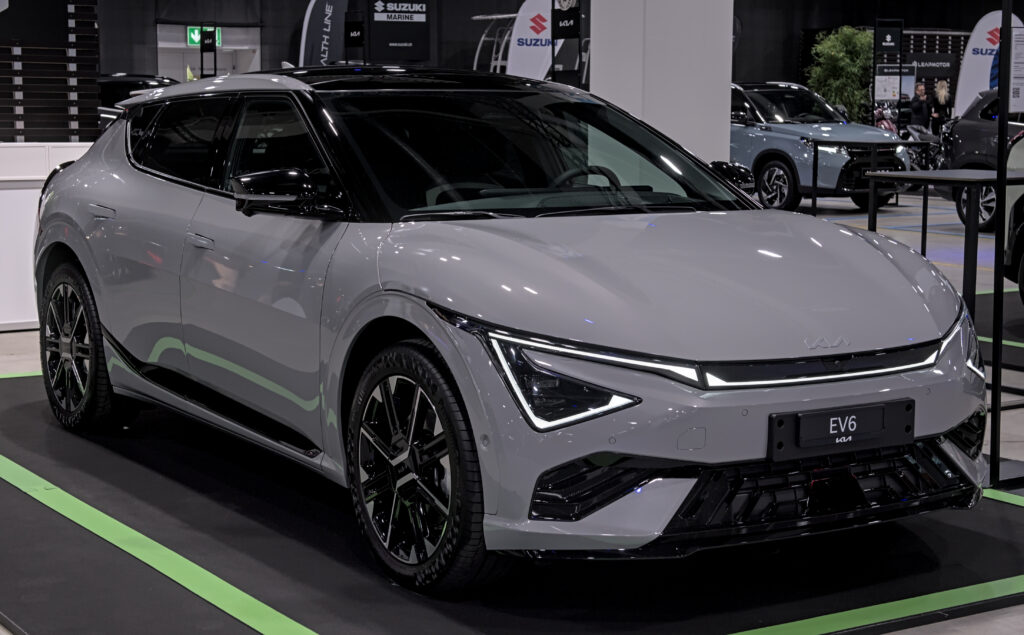
Although this number gradually fell to approximately $60,030 in January 2024 due to the increased availability of lower-trim models, it was still very high in comparison to its competitors. The Kia EV6 was the most expensive car in the segment with an average price of approximately 56,000 in January. This price disadvantage was only increased by the loss of a government rebate of $7,500 which made sales slow and the inventory to increase.
With a possible crisis in the future with 2024 models coming up, in mid-February 2024, Ford took an unprecedented and unorthodox step. The company simply reduced the MSRP of the 2023 Mach-E instead of implementing customer incentives, which can occasionally indicate that there is a problem with a car. The impact was nearly immediate and extremely effective. The median MSRP fell by almost 5,500 dollars in the first half of April to only 52,775, which is a significant reduction of 59,765 at the beginning of February and placed the car squarely in the middle of the competitive pack.
The customers reacted instantly. The market share of the Mach-E in its segment went through the roof reaching an unbelievable 44.5 percent in March. The inventory that appeared to be stuck on the lot started selling, falling to 21,878 vehicles in late February to 16,259 in late April. Most importantly, the supply figure of the days dropped to 97 which was quite manageable as compared to the high of 638 during the same period. A Reset in Ford’s EV Thinking
Ford had cleared out its old stock just before the new model year orders were taken, a radical solution to a months-long problem. This episode was a real-life lesson to the leadership of Ford, which was also reflected in the recent statements of the CEO Jim Farley. In a speech at a conference, Farley made an honest evaluation of the existing EV market, admitting that the customers are not interested in the 75,000 electric car. He went ahead further to forecast a possible tightening of the market once the federal tax credits will run out.
I would not be surprised to see the EV sales in the U.S. drop to 5 per cent of our industry, perhaps this month, 10 per cent, 12 per cent, he said. Farley believes that there is a long-term market of EVs in the form of short-haul commuter cars, but he estimates that this market is only 5 to 7 percent of the overall market. This is the cold-blooded realism that is defining the new strategy of Ford. The company is also in the process of pivoting towards the need of the market to be affordable.
Closing the Chasm with Hybrids and Support
It is developing a new, low-cost EV platform, and more affordable models will come in 2027, beginning with a midsize pickup that will cost around 30,000 dollars. This is supported by the large investment of 2 billion dollars in its Louisville Assembly Plant. Meanwhile, Ford is also welcoming the newfound popularity of hybrids as an important bridge technology. As hybrid F-150s now constitute a third of the truck sales, the company is reassigning factory capacity formerly used to make EVs towards increasing hybrid production.

As it adjusts its future product strategy, Ford is also committed to assisting its existing EV owners in overcoming the special challenges of EV ownership. The company also offers elaborate tips on winter driving, in which they advise owners to warm the cabin and battery of the vehicle beforehand, park in a garage where possible, and use heated seats and steering wheels to save on energy.
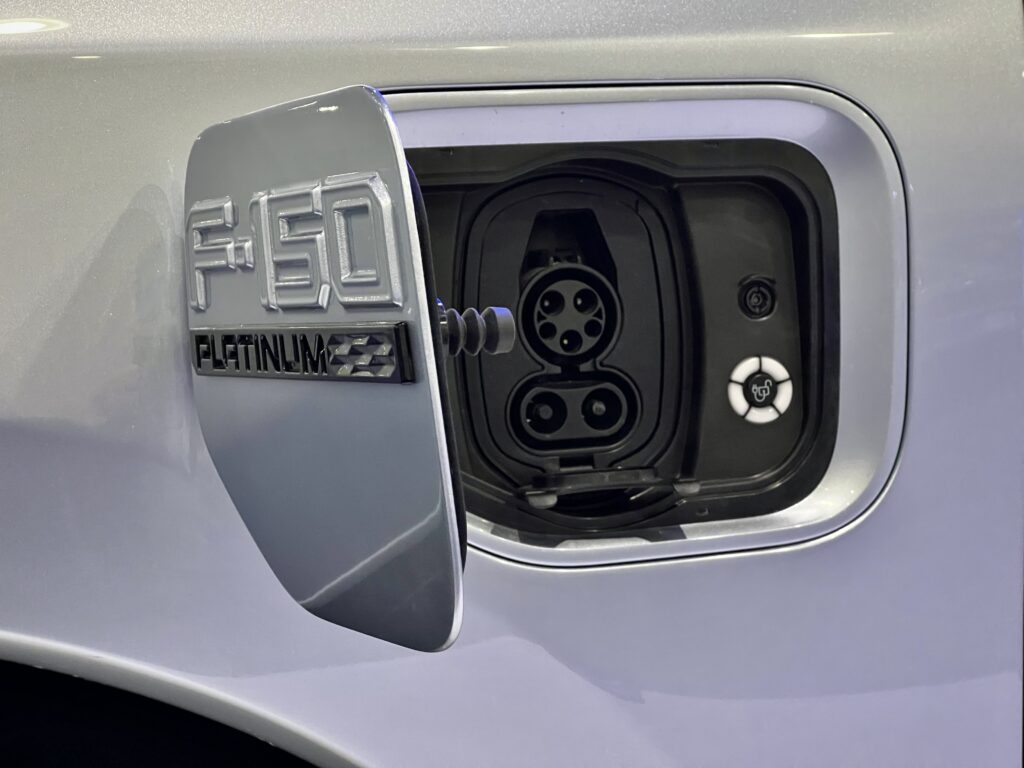
This is also shown in its technology, including the patented Vapor Injection Heat Pump, which is a standard feature on all 2025 and subsequent Mustang Mach-E models, and which is meant to maximize energy use in cold weather. Ford is also seeking to enhance the charging experience and is increasing access to public fast chargers by offering a NACS adapter that both Mach-E and F-150 Lightning owners can use to access the Tesla Supercharger network.
Lessons in an EV Landscape on the Move
This practical assistance shows a long-term interest in the EV ecosystem, despite a change in its production strategy. The future of Ford and its electric future is complicated. The Mach-E inventory debacle was an effective, yet hurtful, lesson on the dynamics of the market, price sensitivity, and the importance of agility. The information demonstrates a firm that was temporarily out of touch with customer demand but also able to act quickly and drastically to get back on track.

The history of Ford is a miniature of the whole industry of cars transitioning a path of risky gambles, twists and turns and always hearing the market. Ford is moving into this new reality not with rose-colored glasses, but with the painful insight of experience as it rebalances its portfolio with a new emphasis on affordable EVs and a strategic acceptance of hybrids.
It is no longer a matter of creating great electric cars but of creating them at the correct price, in the correct quantity, and to a customer base that is still making its own way to an electric future. The mountain of Mach-Es has started shrinking but the lessons learnt there will certainly influence the road of the company in the coming years.