


Ford’s F-150 Lightning: The Electric Towing Revolution’s Reality Check
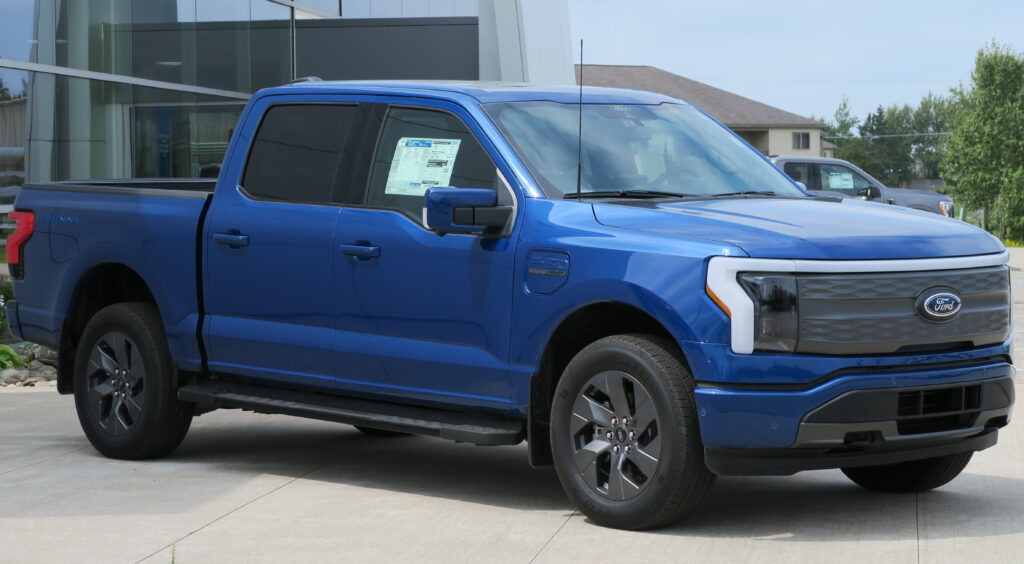
Towing has always felt like a gritty performance, with engines growling and gears grinding as they wrestle with heavy loads. It’s that raw, mechanical effort that many truck owners love the sense of conquering weight and distance through sheer force. But imagine stripping away the noise and drama, replacing it with something smoother, almost effortless. That’s what the Ford F-150 Lightning brings to the table. This electric powerhouse isn’t just another truck; it’s a shift in how we think about hauling. From its silent surge of power to the smart features that make towing less of a chore, the Lightning challenges everything we know about getting the job done. Yet, like any innovation, it comes with its own set of realities, especially when it comes to range. In this blog, we’ll dive into the highs and lows, drawing from real experiences to show why this truck is turning heads and trailers across the country.
As someone who’s spent time behind the wheel of traditional pickups, I was skeptical at first about an electric version handling serious towing. But after hearing stories from owners and testers, it’s clear the Lightning isn’t just keeping up; it’s setting a new standard. It’s quiet, powerful, and packed with tech that takes the stress out of the equation. Of course, the battery life adds a layer of planning, but for many, the trade-offs are worth it. Whether you’re pulling a boat to the lake or a camper through the hills, this truck makes the process feel modern and manageable. Let’s break it down step by step, exploring what makes the Lightning a standout in the world of towing.
1. The Quiet Revolution in Truck Performance
There’s something almost eerie about hooking up a massive trailer to the Ford F-150 Lightning and hearing… nothing. No engine rumble building up, no exhaust note signaling readiness. Instead, the truck just sits there, poised and silent, waiting for your command. This absence of sound isn’t a flaw; it’s a feature that redefines the towing ritual. Traditional trucks announce their efforts to the world, but the Lightning lets you focus on the road ahead without the distraction of mechanical clamor. It’s like gliding rather than grinding, turning what used to be a noisy ordeal into a serene operation that feels futuristic yet practical.
This shift to electric power changes more than just the soundtrack; it alters the entire feel of towing. With 775 lb.-ft. of torque available right from the start, the Lightning eliminates the buildup time that gas engines need. You press the pedal, and it responds instantly, pulling heavy loads with a confidence that’s hard to describe until you’ve felt it. Owners often compare it to a train easing into motion steady, unstoppable, and without the drama. This makes everyday tasks, like merging onto highways or starting from a stoplight, far less tense. The truck’s design, with its low center of gravity, adds to the stability, making the whole experience safer and more enjoyable for drivers who might have dreaded towing in the past.
Essential Performance Highlights:
- Instant torque delivery for smooth starts.
- No engine noise for a calmer drive.
- Low center of gravity reduces sway.
- Effortless power on flat roads.
- Feels like a freight train in motion.
2. Overcoming Traditional Towing Challenges
In the world of conventional trucks, towing often means dealing with lag, hesitation, and the constant hunt for the right gear. But the F-150 Lightning flips that script entirely. From the moment you accelerate, the electric motors provide a seamless wave of power that makes heavy loads feel lighter. This isn’t about brute force alone; it’s about precision and immediacy that traditional V8s can’t match. Real testers have noted how the truck handles a 6,500-pound trailer as if it’s barely there, maintaining composure even in rough weather. The result? A towing setup that’s not just capable, but intuitive, allowing drivers to relax rather than wrestle with their vehicle.
What stands out in these scenarios is the truck’s ability to maintain steady performance without the usual signs of strain. No revving engines or shifting transmissions just consistent pull that keeps everything moving smoothly. This is especially evident in varied conditions, like rain or wind, where the Lightning’s weight and balance shine through. Drivers report minimal trailer sway, turning potential headaches into straightforward drives. It’s this reliability that rewrites the rules, making towing accessible to more people who might have shied away from it before. In essence, the Lightning doesn’t just tow; it empowers you to do it with ease.
Key Advantages in Action:
- Handles heavy trailers effortlessly.
- Steady power in bad weather.
- Reduces white-knuckle moments.
- Smooth surge from standstill.
- Builds driver confidence quickly.
3. The Instant Power Delivery That Changes Everything
Among the most notable aspects of towing with the Ford F-150 Lightning is the fact that the power is provided without any previous alert or anticipation. With a gas truck you can feel the engine accelerating, the transmission going on, and that little lag time before all the mechanisms come into full service. It is hardly instant with the Lightning. The second touch of the pedal triggers the dual electric motors and pushes you with that huge 775 lb.-ft. of torque immediately. This enables the experience of being propelled by a heavy trailer initially like it is a natural thing and the truck is only keen to move instead of fighting the burden. It is a slight modification but it alters the entire dynamics of towing that entails planning and even patience but makes it more of a reflex.
Such a reaction is not only convenient, but, in the long term, confidence is created in fact. Drivers who have crossed over to the new pickups have all reported that they feel less stressed because of the lack of lag when it comes to merging, hill starting or even making a rapid move in traffic. You have the power when you need it without the customary drama of watching the tachometer rise or observing the appropriate gear. On the actual tests, individuals who drag trailers weighing 6,000 to 8,000 pounds explain that the process is easy and the truck remains stable even in the tough situations. This is what makes the Lightning special, it not only can do the job, it can make you feel like you are in total control the first mile.
Basic Power Delivery Advantages:
- Zero lag on immediate acceleration.
- Constant torque at any rate.
- Eliminates change of gears breaks.
- Improves morale when on hills and start.
- Feels like he/she makes heavy things a lot lighter.
4. Comfort and Softness on the Open Road
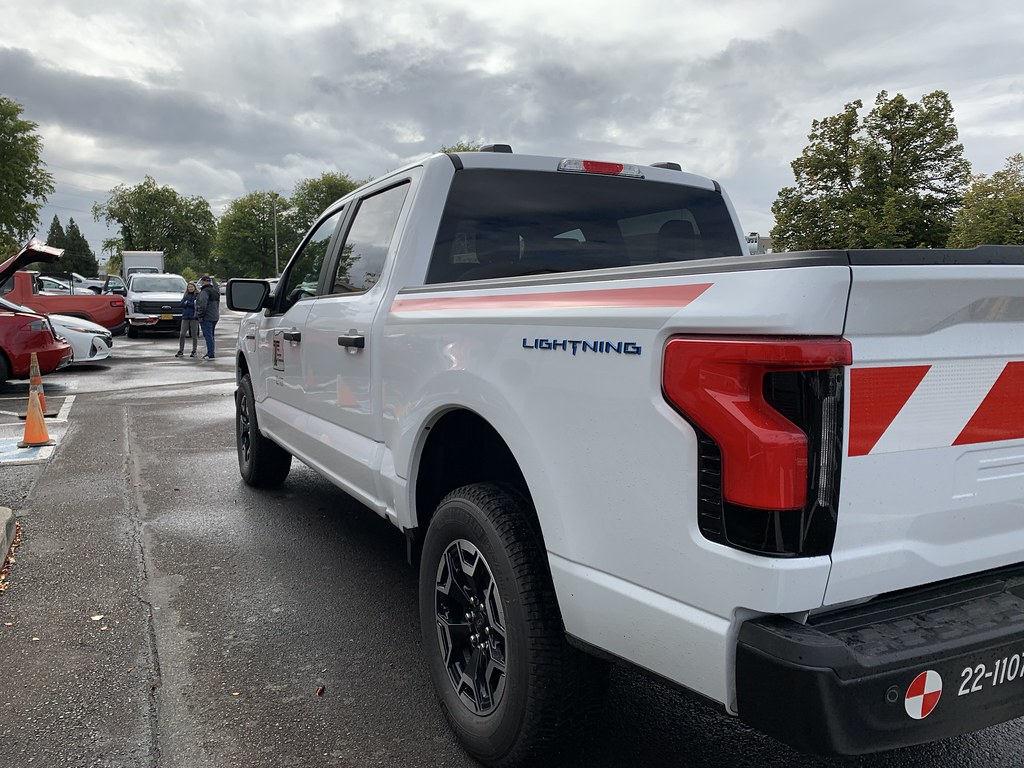
This is where stability in towing comes out in many trucks particularly when the wind blows or the road becomes undulated. The position of the battery in the chassis of the Ford F-150 Lightning is of great benefit because it will lower the center of gravity in comparison to gas models. It is designed to ensure the trailer stays in place and eliminates that side to side motion that can cause long hauls to be a nerve-wracking experience. Owners claim to be taking a leisurely ride in the windy or downpour with an unexpected calmness that a one-half ton would have been fidgety. This sense of being planted is enhanced because the truck is more than 6,000 pounds when empty, which gives it a feeling that they are going to have a white-knuckle experience but which turns out to be a comfortable and predictable ride.
In addition to the physics, the tuning of the Lightning that makes it suspend and handle feels highly refined towards towing. Cornering with a load has less body roll and the regenerative braking system keeps one in control on steep descents without the need to use the brake constantly. Drivers that have pulled enclosed trailers or campers report that the ride remained smooth even in humps or curves. This low center of gravity combined with brilliant engineering translates to reduced fatigue during longer journeys since you can concentrate on having fun on the road rather than struggling with the trailer. It is one of those silent benefits that is noticed only after hours of driving.
5. Intelligent Technology that simplifies Towing
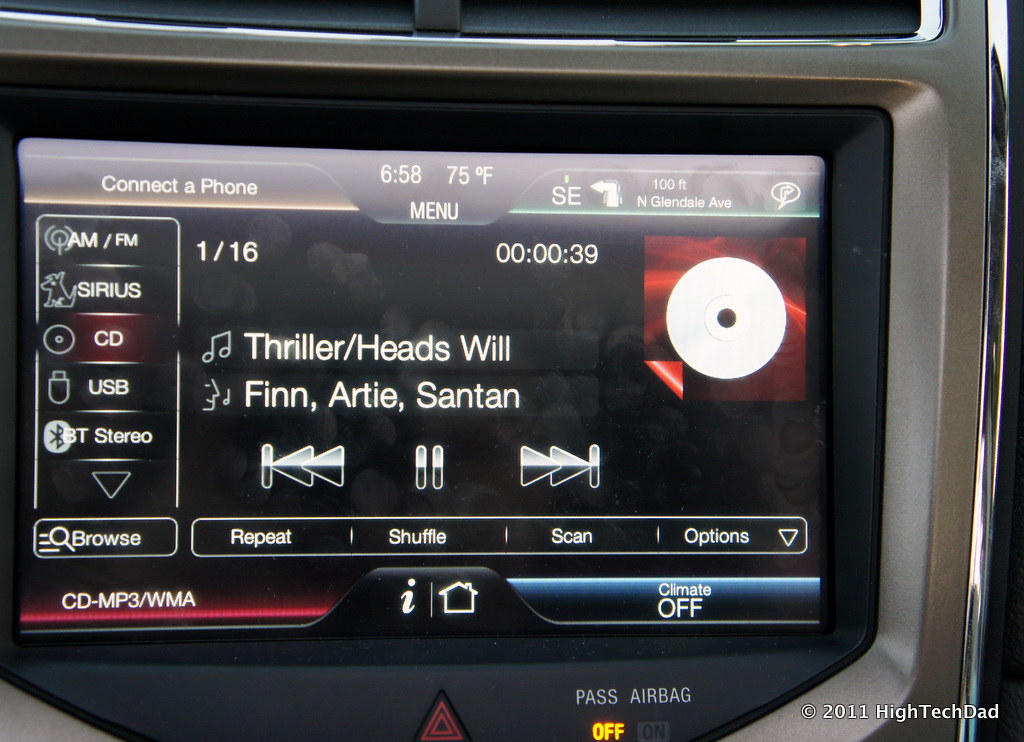
Ford did not simply cut and paste electric motors into the F-150 and move on; they have overlaid their considerate features which solve common towing ailments. The Smart Hitch system is unique as it involves the use of the sensors on the truck to measure the tongue weight directly on the screen, which does not require any guesswork or the use of specific scales. It takes you through the changes until everything is adjusted in a healthy way and that is a relief to any person who ever feared unsafe loading. You can add the Pro Trailer Backup Assist that allows you to control the trailer with a knob instead of struggling with the wheel in reverse and you will have an effortless time backing up instead of one that makes you feel frustrated.
These tools are also applied in visibility whereby the blind-spot monitoring is not restricted but stretches to trailers of up to 33 feet. The system monitors anything next to it or behind it and notifies you of a problem that otherwise would have remained unnoticed. It can be used together with the cameras on the truck and towing specific displays to do all that and help you become an even better tower without taking years of experience. Actual users love that the functions help to alleviate anxiety so that what may be a stressful process becomes an easy one and even entertaining. When Ford created the Lightning, it is easy to tell that he put a lot of consideration on the human aspect of towing.
Helpful Towing Technologies:
- Smart Hitch for accurate tongue weight.
- Pro Trailer Backup Assist simplifies reversing.
- Extended blind-spot monitoring for trailers.
- On-screen towing guidance and alerts.
- Reduces common towing errors effectively.

6. The Real-World Impact on Range
The largest drop in reality with regard to towing is the extent of range loss with the Ford F-150 Lightning. With no luggage, the Extended Range model could boast a range of approximately 300 miles or beyond, however, fit a large trailer and that range can be reduced by a half or even less. In actual field tests (using 6,000- to 8,000-pound campers/enclosed trailers) without a full charge, effective ranges of 90 to 120 miles are usually seen at speed, weather, and terrain. Here the aerodynamics takes the centre stage; a high trailer is a giant wind block and the truck is obliged to exert much harder force against drag than pure weight.
The computer in the truck does not conceal this fact either the Ford system is not Coy about it. Enter the plug in details and the estimated range is immediately updated, and refines itself as you drive depending on the real-life circumstances. Drivers soon work out how to plan around this making long trips consist of a series of smaller legs to be charged in between. Although it is a drawback compared to gas trucks which can be fueled in a few minutes, it may be acceptable to numerous owners because of regional trucking or weekend excursions. The trick is to be realistic: the Lightning is good at pulling power, although range must be calculated and patience exercised.
Range Realities When Towing:
- Frequently down to 90-120 miles in heavy trailers.
- Aerodynamics injuries are greater than weight.
- Truck offers fair estimates, which are adjusting.
- Good in short to medium distances.
- Requires proper planning of trips.
7. Experiences of Long-Distance Towing Trips
Owners that have gone on long towing trips with the Lightning provide accounts that point to the pleasures as well as the hardships. The most apparent similarity is the necessity to decrease speed in order to get more efficiency as even with that kind of speed (around 60-65 mph) the range can increase significantly as opposed to the highway driving speed of 70 or more. During one of the written cross-country hauls using a 7,000-pound trailer, the driver stopped several times to charge playing what could otherwise be a straight route into a timed adventure with food and rest stops. The truthful forecasts of the truck range assisted in not having any shocks at the moment when it got to the chargers and charged it with an adequate buffer to be comfortable.
It is also through these experiences that one learns how the Lightning changes with time. The navigation system gets to know your towing configuration and gets the estimates after a couple of miles. Elevated temperatures or head winds may raise consumption, even to the point of 1.0-1.2 miles/kWh, though those who plan conservatively do not find themselves stranded often. To most people, the frequent stops form part of the adventure to stretch their legs or discover new places. It is another beat that is not gas towing but one that pays off to get ready and transforms possible frustration into routine.
Experiences of Long Hauls:
- Reduced speed leads to efficiency.
- Several charges make trips out of breaks.
- System trains and perfects estimates.
- Problems are avoided by conservative planning.
- Stops become desirable leisure.
8. Comparison of Power and Traditional Trucks
Compare the Lightning to a gas-powered F-150 (or other half-ton) and the disparities in the towing feel become painfully clear. Where a V8 would be forced to rev high and downshift at high gears due to inclines, the Lightning simply pulls without theatrics. The instant torque implies no waiting to spin power to give it there all the way up to zero rpm. Testers with similar loads observe the ease with which the electric truck can keep up with the speed, even when climbing a hill, where combustion engines are forced to struggle with both noises and vibrations. It is more relaxed, less strident, and generally more calm.
Naturally, there is no perfect comparison. Gas trucks are more adequate in cross-country unstoppable long range, and they have more refueling in a short time. Nevertheless, on the actual pulling, many who have tried the Lightning say it is less stressful, has more control and is a more modern experience. The trade-off is apparent, tranquil, strong towing in place of planning more about energy. In the shorter missions, or where quiet and instant gratification prevail, the electric choice will usually win the daily battle.
Power Comparison Notes:
- Instant response beats rev buildup.
- No straining or gear hunting.
- Smoother on inclines and merges.
- Quieter operation overall.
- Favors control over long-range ease.
9. When the Lightning Shines Brightest
The Ford F-150 Lightning truly excels in scenarios where towing distances are reasonable and the focus is on ease rather than endless miles. Think weekend trips to the lake with a boat trailer, hauling equipment to a job site under 100 miles away, or pulling a camper for family camping within a day’s drive. In these cases, the silent power, stability, and smart assists make the experience feel premium and stress-free. Owners rave about how it handles loads that would push a gas half-ton to its limits, all while keeping things calm and collected.
For daily drivers who tow occasionally, the benefits compound. No more idling noises in the driveway, instant readiness, and features that help avoid mistakes. Even in tougher conditions like rain or moderate hills, the truck performs without complaint. It’s ideal for people transitioning to electric who still need real utility the towing feels advanced and capable, turning what used to be a chore into something almost enjoyable. When the trip fits the truck’s strengths, it’s hard to imagine going back.
Ideal Use Cases:
- Weekend boat or camper trips.
- Shorter hauls under 100 miles.
- Occasional equipment transport.
- Family camping adventures.
- Daily drivers with towing needs.
10. Weighing the Trade-Offs for the Future
Ultimately, the Ford F-150 Lightning represents a bold step forward in towing, but it’s not without compromises. You gain incredible power delivery, quiet operation, and tech that simplifies the process, yet you trade away the carefree long-range freedom of a gas truck. For many, this balance works perfectly especially as charging networks grow and batteries improve over time. The serene experience and reduced maintenance appeal to those ready for change, while the range reality keeps expectations grounded.
Looking ahead, the Lightning shows what’s possible when electric meets heavy-duty work. It doesn’t pretend to replace every traditional truck overnight, but for a growing number of owners, it’s already the better choice for their specific needs. The key is matching the tool to the task: embrace the planning for longer hauls, and enjoy the effortless performance where it counts. As technology evolves, these trade-offs may shrink, but right now, the Lightning delivers a towing experience that’s uniquely modern powerful, peaceful, and thoughtfully designed for the road ahead.
Final Considerations:
- Balances power with planning needs.
- Ideal for many modern towing uses.
- Charging improvements will help.
- Reduces noise and maintenance.
- Represents evolving truck future.