

Ford’s New Patent Reveals a Clever Dual Rear Axle Upgrade
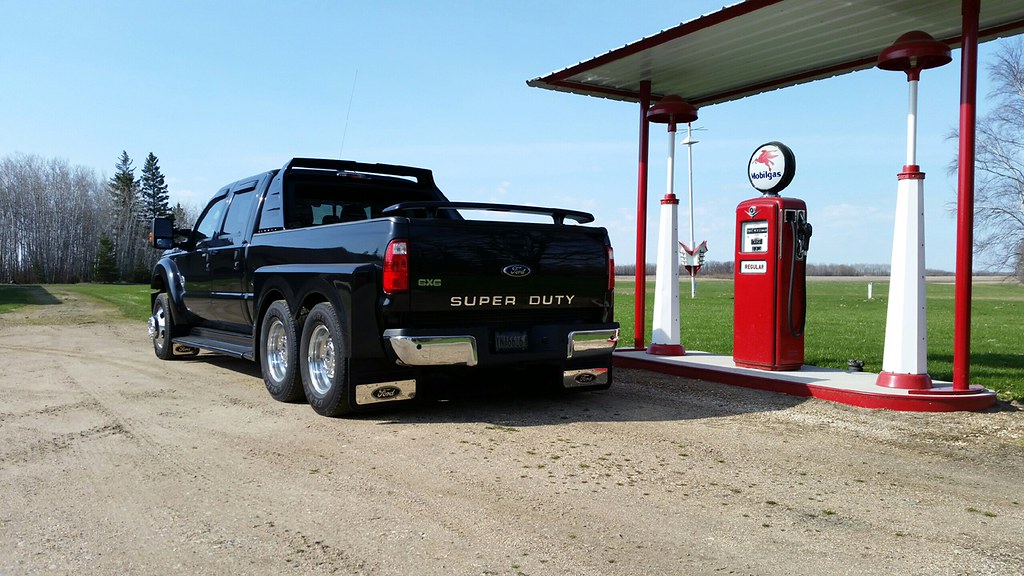
Capability has always been the single objective of the world of pickup trucks. Truck owners push their vehicles to the limit whether it is taking numerous heavy-weight cargo over long distances or dragging huge equipment. Although the four-wheel systems have proved to be effective over the decades, there comes a time when they can no longer match the extreme needs. Innovation comes in there, Ford Motor Company has been on the forefront of the truck industry and it seems that this time it is experimenting with a new concept.
The Important Ford Vision Highlights
- Emphasize on payload and towing capability
- Implementation of a versatile upgrade system
- Developed both as a commercial and consumer product
- Comparative focus on stability using extra axles
- One step to future-ready truck engineering
The company is instead considering the option of a modular system that would turn the already existing trucks into potent six-wheeled vehicles with enhanced stability and performance. This is not only the addition of more wheels to bring a visual effect. It is a change in the way in which trucks are going to be designed and upgraded in future. Focusing on the concept of flexibility and the needs of the real world, Ford is experimenting with an idea that may make people reconsider what heavy-duty cars entail.
1. A Patent That opens up Bigger Potential
A newly discovered patent provides us with a better idea of what Ford is up to. This idea is officially called a bolt-on suspension kit, but it is much more sophisticated than, at first, it may appear. It describes a system that enables a conventional pickup truck to be converted to the six-wheel design without irreversible changes. This concept is remarkable since it is practical and futuristic. Rather than compelling customers to purchase a new truck altogether Ford is considering a solution that would be based on what is already in their possession. This does not only add value but it also presents a broad scope of opportunities in terms of customization and improvement of performance. The versatility of this concept is what is even more exciting.
What is Unique in this Patent
- Non-permanent bolt-on design
- The trucks are converted into six wheels
- Increases towing and payload capacity
- High tech engineering design
- Paves the way to hybrid integration
2. Upgrade by Design (Not a Fixed Design)
The flexibility of this system is one of the most amazing features. This kit may possibly be installed once purchased unlike the traditional dual-axle trucks that were factory-built. It would simply mean that the owners can upgrade their trucks only in the cases when they need the additional power. This building block strategy makes the game a different one. It enables trucks to evolve with time as opposed to being fixed in one set-up. In the case of businesses, this may translate to substantial cost reductions and people who own the business will have an added benefit of being able to go anywhere without a long-time commitment change. Moreover, there is the prospect of incorporating an electric motor into the system, which creates an even more innovative subject.
The benefits of a Modular System
- Installation is possible post purchase
- Proposals contain economical upgrades
- Gives flexibility according to necessity
- Less difficult to maintain and replace
- Prolongs the existence and service of trucks
3. The Working of the Mechanical System
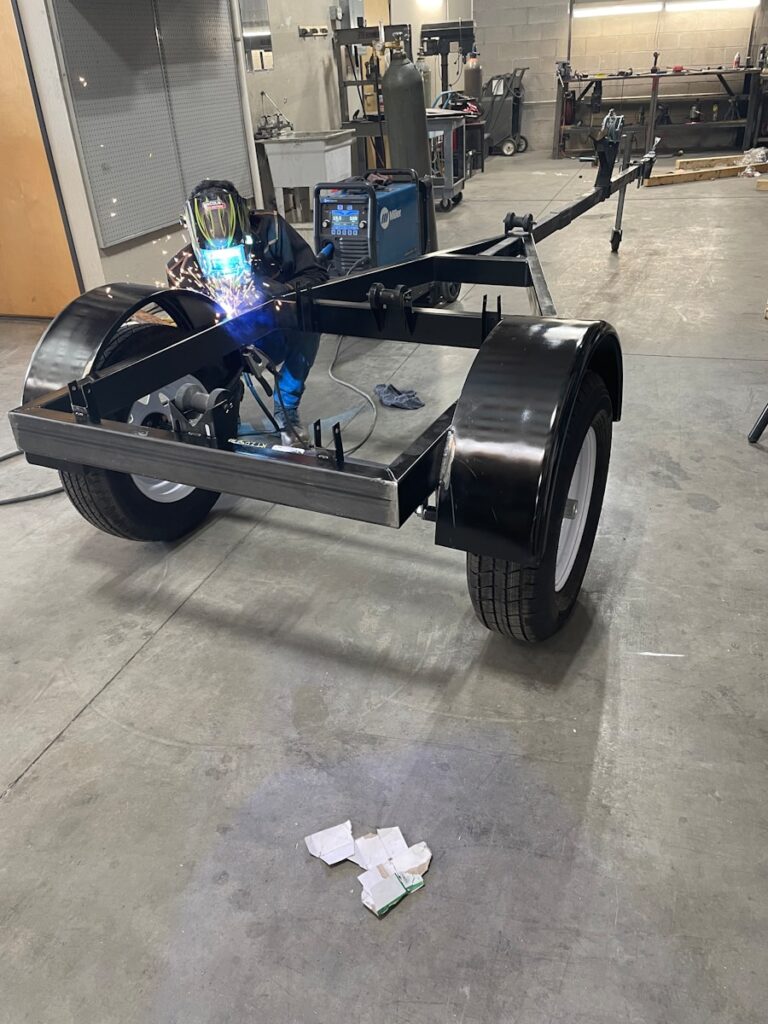
The design is fundamentally based on a frame extension which is bolt-on. This extension is attached to the current frame of a truck, and it forms a sound base to the new axle. The system is well-designed in order to make sure the added parts do not disrupt the original structure. The required installation procedure seems to be basic, at least theoretically. The system was able to be installed with minimal modifications in terms of attachment areas which were available as pre-designed points.This will render it more convenient to the dealerships and to the experienced users. Nevertheless, the process of the addition of another axle is not so easy as it may sound.
Core Mechanical Features
- without requiring re-welding, as with the welder-free design
- Additional rear axle leaf sprung
- Shares the existing mounting locations
- Enhances structural integrity
- Structured to be serviceable in heavy loads

4. The Reason Why Chassis Cab Trucks Work
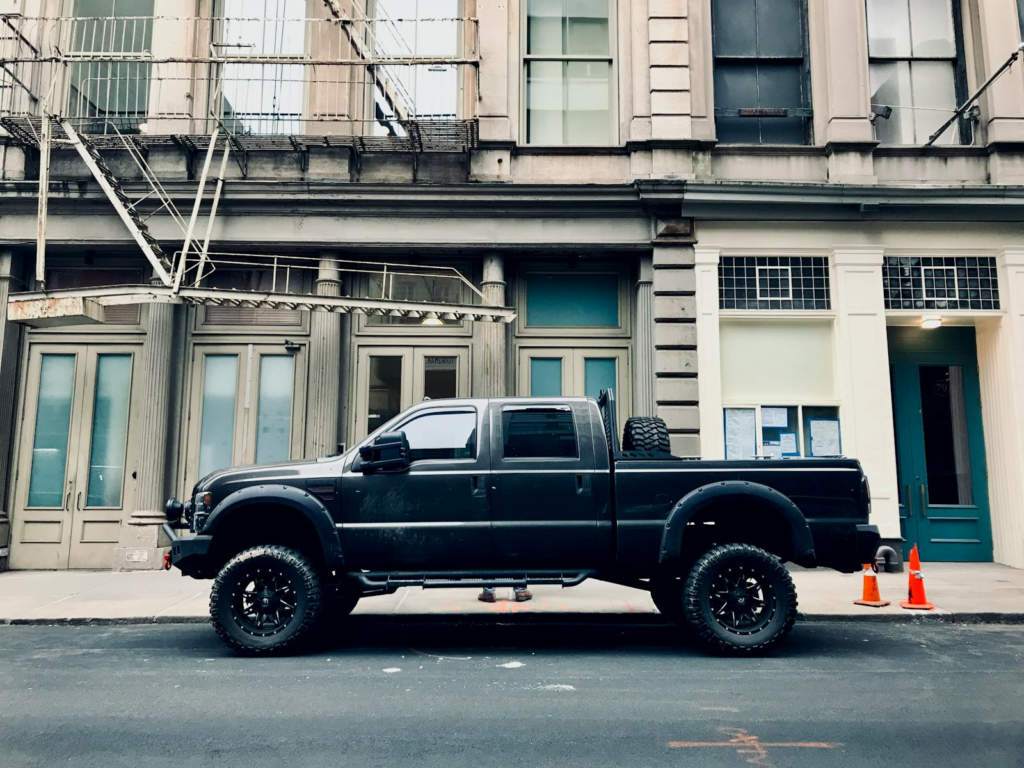
Due to the size of the additional axle, the standard truck beds might not be compatible with this system. At this stage, the chassis cab models are particularly applicable. These trucks are sold without a bed thus allowing the owners to tailor the trucks to special purposes. This actually plays to the benefit of commercial users. It enables them to customize the truck to just the required design, be it to haul goods, to pull heavy materials or to carry specialized equipments. The 6-wheel system is adapted to this type of system. That is why it is obvious that the system might capture the attention of average consumers, but its best prospects are in the business world. The type of upgrade would be most helpful to businesses that utilize heavy-duty trucking.
Commercial Application Advantages
- Chassis cab configurations Ideal
- Gives complete customization of the rear part
- Promotes strenuous business activities
- Adaptable to various industries
- Nips off restrictions of a regular truck bed
5. Indications to the Right Truck Platform
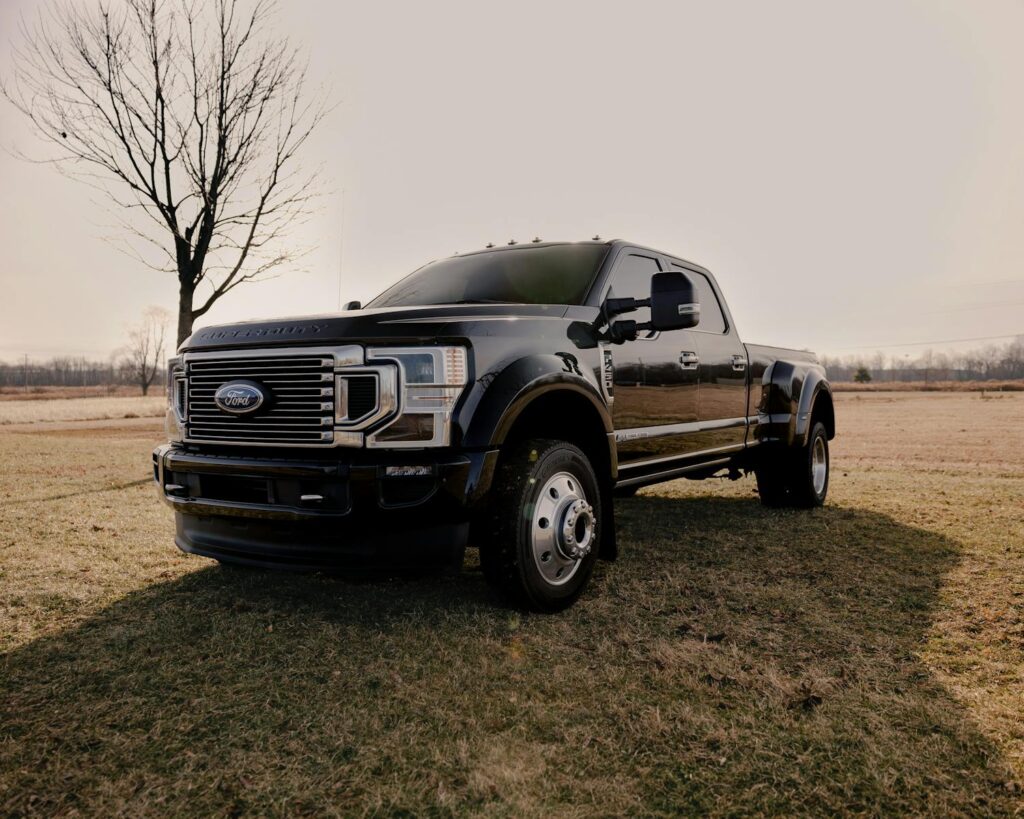
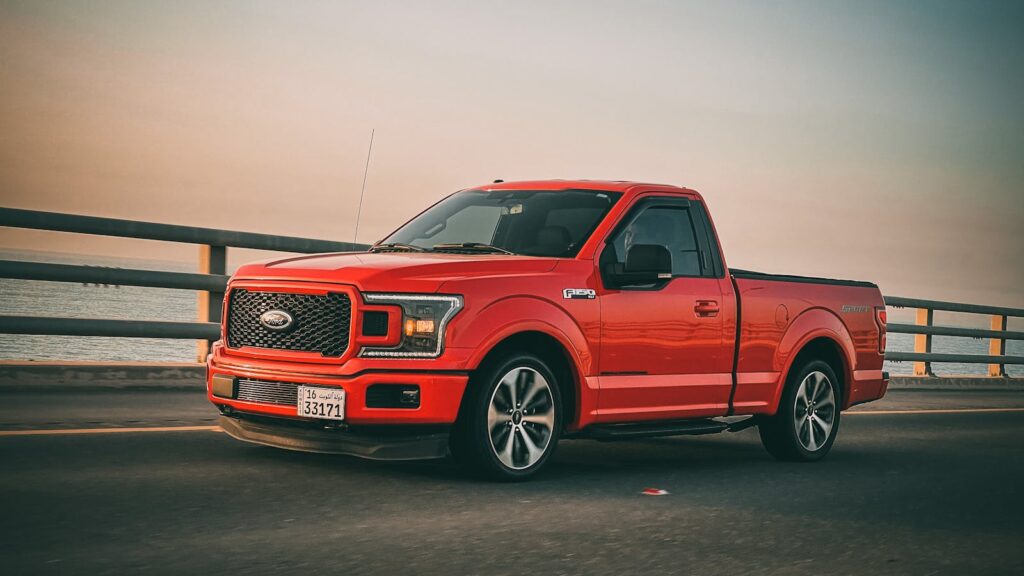
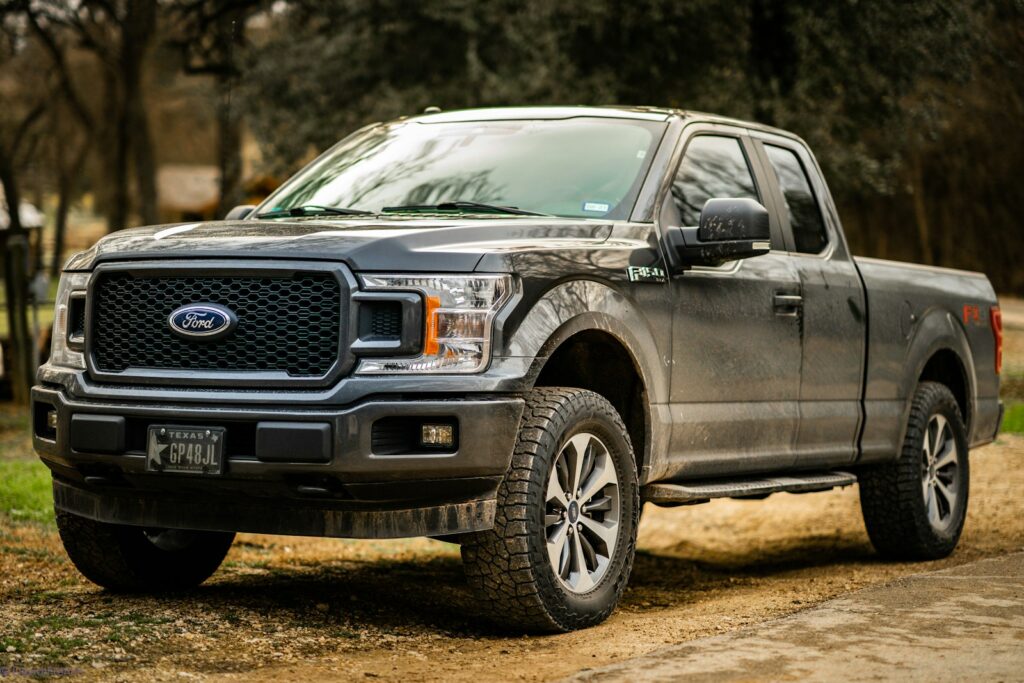
A lot of argument about the type of truck that this system should serve has been experienced. It may apply to the popular Ford F-150, according to some, others believe it would work better on the heavy-duty models such as Ford Super Duty series. The solution can be found in the technical aspects of the patent. In particular, the suspension diagrams depict inboard shock design, a common product in the Super Duty trucks. This implies that it is a heavy-duty system that is mainly used in applications that value maximum payload. With that aside, the possibility to convert the system to the needs of lighter trucks is still awaited.
Platform Considerations
- Inboard shocks denote heavy duty use
- Super Duty trucks are similar in design
- F-150 has another suspension system
- Patent exhibits flexibility in the two
- Gives way to several applications
6. The Increasing popularity of Six-wheel Trucks
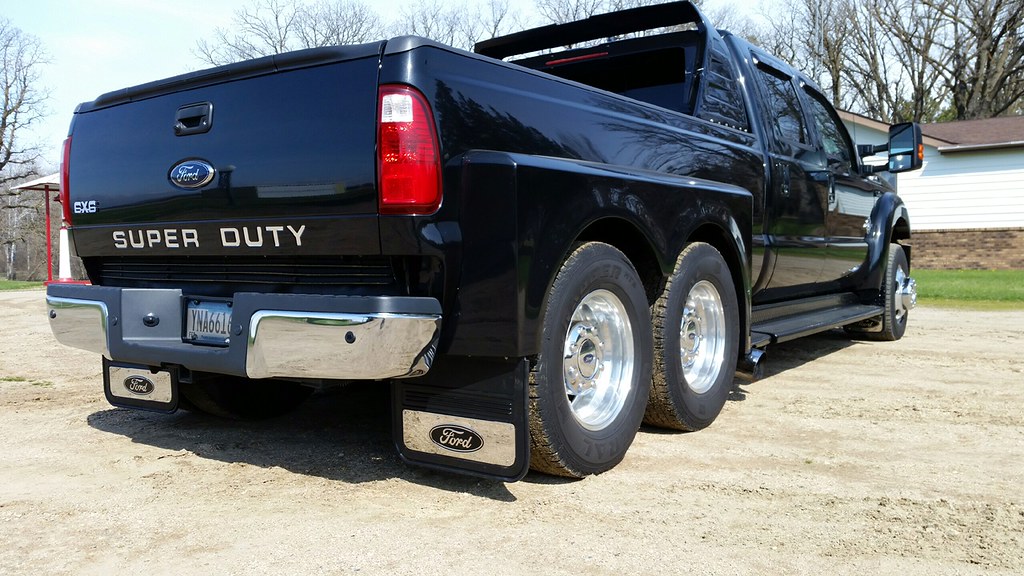
The use of six-wheel trucks has increased over the past few years particularly among the enthusiasts. Custom builds and aftermarket upgrades have demonstrated that there is a need in the vehicles that are unique and provide a better performance. This is a trend that has already been ventured into by organizations such as Hennessey performance that developed high performance six wheel versions of pickup trucks. These cars have aggressive looks and serious functions, and they appeal to the customers who desire something different. Ford with an official six wheels truck would bring this idea to a new level. It would also have factory dependability and the daring style that has done the 6×6 trucks so well.
Why 6×6 Trucks Are Popular
- Greater stability and traction
- Exclusive and violent look
- Increased towing and payload capacity
- Powerful attraction by fans
- Increased infiltration in the high-end markets
7. A Smarter Way to Handle Turns
The concept of a steerable trailing axle is one of the most advanced provisions in the patent. The conventional dual-axle configurations are usually not very effective in cornering as the wheels cannot perfectly follow the curve. The result of this is tire wear and lack of efficiency. It is a clever and clever solution provided by Ford. The system would be able to relieve the tires of a significant burden and enhance maneuverability by enabling the rear axle to spin a bit in sync with the front wheels. This comes in handy particularly when dealing with large trucks that work in narrow areas. This would be a big difference in itself since businesses that are dependent on heavy-duty trucks would benefit greatly. The real-world gains would be immediate as the maintenance costs would be reduced, and handling would be better.
Steering System Benefits
- Lessens the wear on tires greatly
- Enhances turnover efficiency
- Increases control at heavy loads
- Eases the control of large trucks
- Best suited in the business world
8. Constructed to work in Rough Conditions and on Heavy Duty
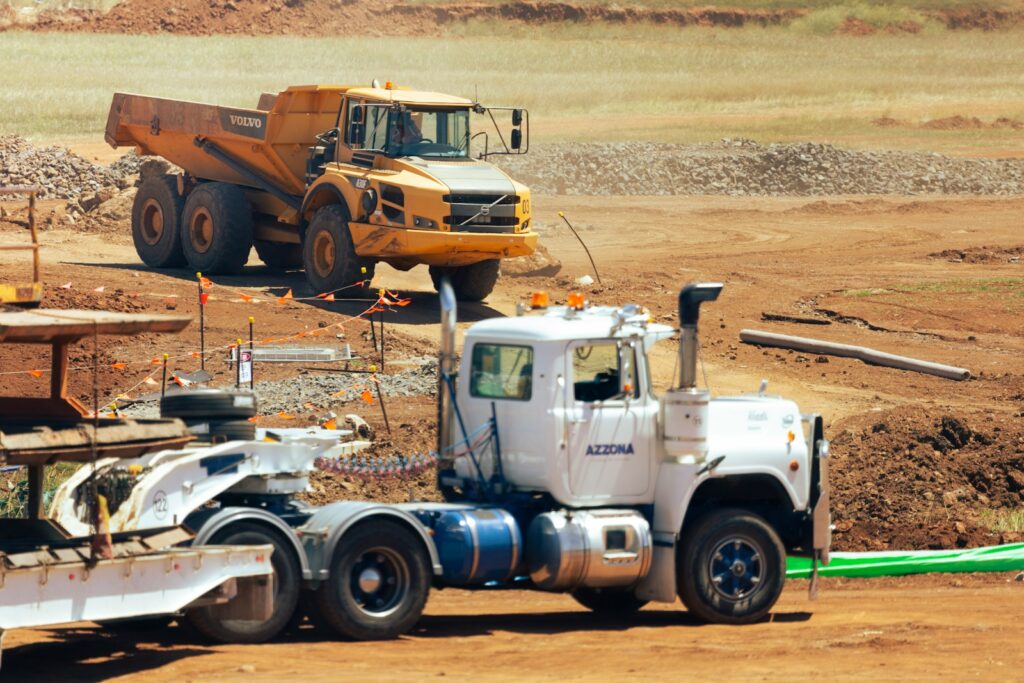
The system also targets to manage the difficult conditions. The truck is more adapted to rough ground, since it has highly sophisticated suspension parts and a walking beam effect. This will make it more stable and will cause less stress on the frame. These industries require such capabilities as construction, mining, and agriculture. An application of the trucks in these areas is that they work under severe conditions and their normal arrangements cannot work effectively on a regular basis. By working at these issues, Ford is not only making trucks better, it is also redefining how they can perform in the world.
Off-Road and Work Advantages
- Increased performance in an undulating environment
- Additional resilience to stress
- Improved load distribution
- Improved rough weather stability
- Fittable to industries that are demanding
9. Hybrid Potential Gives a Twist to the Future
The other intriguing feature of this notion is that it can be integrated as a hybrid. The extra axle might accommodate an electric motor and the traditional truck would become a hybrid or a plug-in hybrid vehicle. This concept is in line with the more general trend of making transportation more sustainable. It enables the existing trucks to have the ability to be modernized without the need to be redesigned, which is practical and futuristic.Another solution that could be a game-changer to most businesses that are in the area with an enforced emission regulation. It provides an avenue of satisfying the new standards without substituting whole fleets.
Possibilities of Hybrid Integrations
- Favors electric motor integration
- Allows PHEV or hybrid conversion
- Improves fuel efficiency
- Commercial fleet emissions are cut
- Increases the longevity of the vehicles
10. Will this Idea Become a Reality?
This idea is exciting as it is, but one should bear in mind that not every patent becomes a model in production. Car manufacturers tend to work out the ideas not leaving the stage of development. This, however, does not seem like the same system. The amount of information and realism implies that it is not an experiment solely. It tackles actual issues with actual solutions and this is what makes it a good prospect in terms of further development. Although it may never see the market, the idea itself is worth it. It demonstrates the way that manufacturers are considering the future of trucks and the issues they have to resolve.
Reality Check
- Not every patent is brought to the market
- Is a demonstration of idea
- Demonstrates the innovativeness of Ford
- Eventually become actual products
- Points out the possibilities of tomorrow