






General Motors Recalls Nearly 600,000 Trucks and SUVs Over Engine Defects, Sparking Safety Concerns and Legal Challenges
General Motors has embarked on a massive recall of nearly 600,000 cars in its Chevrolet, Cadillac and GMC brands. The recall is a serious engine defect that has a risk of catastrophic damage or total engine failure in popular models of trucks and SUVs. The recall includes 597,630 cars in the United States. This number comprises about 126, 027 Cadillacs, 174, 208 Chevrolets, and 297, 395 GMCs with 6.2L L87 engines.
On April 24, GM submitted a safety notice to the National Highway Traffic Safety Administration (NHTSA) that reported that the defective connecting rod or crankshaft component may be present in the affected vehicles. These vital engine components may be flawed in manufacturing and may end up damaged internally or may even experience sudden engine failure.
This recall is one of the biggest General Motors recalls in the recent years that are directly related to engine parts. It highlights the extent to which a defect in one part may have far-reaching consequences in various brands and models. In the U.S., General Motors reported 28,102 complaints or incidents of engine failures in the vehicles between April 2021 and February 2025. According to documents that were filed with the NHTSA, 14,332 of these reports specifically mentioned a loss of propulsion.
Incidents, Injuries, and Public Statement of GM
The inquiry also recorded 12 crashes, 12 injuries, and 42 fires that were related to these engine problems. Although the underlying causes were not necessarily established conclusively, most of the reported injuries were considered minor or nonphysical with most of them not related to crashes.
General Motors released a statement that highlighted the fact that the safety and satisfaction of our customers are the core values of the whole GM team. The car manufacturer verified that the recall covers about 597,600 cars in the U.S. and covers as many as 721,000 full-size trucks and SUVs worldwide.
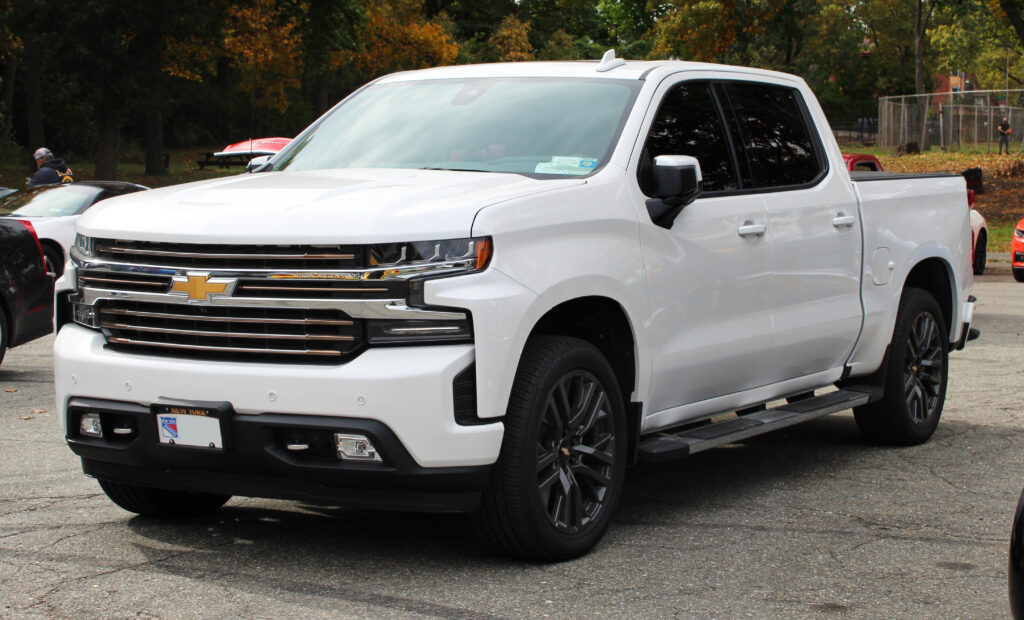
The recall includes different 2021-2024 models, such as Chevrolet Silverado 1500, Chevrolet Tahoe, Chevrolet Suburban, GMC Sierra 1500, GMC Yukon, GMC Yukon XL, Cadillac Escalade, and Cadillac Escalade ESV. These models are all fitted with the 6.2-liter V8 engine.
Drivers who are not sure whether their vehicle is included in this recall may use the official recall database of NHTSA by providing their vehicle details. The owners of the affected models are encouraged to take their cars to any Cadillac, Chevrolet, or GMC dealership to receive a free engine inspection.
As a remedy, GM dealers will check the engine and in case of need, they will repair or change the engine. The vehicles that pass through the initial inspection will be given a higher viscosity oil, a new oil fill cap, a replacement of an oil filter, and an owner manual insert.
Background of NHTSA Investigation and Signs of Warning
The recall notification letters will be sent to the owners on June 9, 2025. To get more details, the owners can call Cadillac at 1-800-333-4223, Chevrolet at 1-800-222-1020 or GMC at 1-800-462-8782 and mention the recall number N252494000.
There are some warning signs that affected drivers can notice before an engine failure. These are loud knocking or banging, turning on of the check engine light, or performance problems, like less power or slow acceleration. The damaged engine can also cause a hesitation during acceleration, run at elevated-than-normal RPMs, or start slowly.
This recall is after a continuous investigation by the U.S government auto safety regulator, the National Highway Traffic Safety Administration (NHTSA). In January 2024, the agency initiated its preliminary evaluation (PE24-001) following a significant number of owner complaints that reported engine failures, usually related to lifter issues in the V8 engines.
More than 28,000 complaints and about 14,000 claims of the loss of propulsion have been recorded by the U.S. government investigation as directly connected to these engine problems. This was a significant number of reports which highlighted the severity of the allegations.
General Motors is also on the receiving end of mounting complaints and legal actions by its owners over alleged serious engine flaws. These new reports indicate that some engines are likely to suddenly stall, which is a hazardous failure that may result in a total loss of power and control.
Safety Hazards and Real-Life Accidents
This kind of failure is very dangerous to the safety of the drivers and passengers, as well as other road users. According to the Detroit News, seven consumers have brought a lawsuit of fraud against GM following the recall of close to 600,000 trucks and SUVs due to possible engine failure and seeking financial damages.
GM has also recalled its 6.2-liter L87 V8 engine, which is used in 877,710 full-size trucks and SUVs around the world, almost 600,000 of them in the U.S. alone. Although the main issues are related to this particular engine, other V8 versions are also reported to have problems.
The alleged defects are mostly related to internal engine parts. The outlets like Auto Guide have reported problems like debris in the oil passages of the crankshaft and connecting rods. Also, crankshafts produced within tolerances that are not acceptable have been mentioned as an issue.
Other analyses indicate that the issue is rooted in the problems of connecting rods and/or crankshaft parts, which are caused by unspecified manufacturing defects. Such mechanical defects are said to cause disastrous engine failure, which usually comes in the form of sudden stalling, engine knocking, or total seizure.

As an example, one of the master technicians pointed out a 2024 Cadillac Escalade with just 12,000 miles that already exhibited the symptoms of engine knocking, which means it might fail disastrously. One of the lawsuits states that these engines contain severe issues with crankshaft parts, and their bearings are unable to endure the friction and heat of the engines.
Engine Stalling and Human Impact Consequences
The sudden stalling of an engine poses serious safety risks, especially when a car is moving. When an engine stops, the drivers may lose power-assisted steering and braking immediately, and the car becomes extremely hard to control or stop, particularly on the highway.
This greatly increases the chances of collisions because a driver might not be in a position to maneuver safely or safely stop the vehicle in the traffic. The NHTSA has clearly cautioned that engine failure or malfunction may augment the chances of a crash, which may cause injury or property damage.
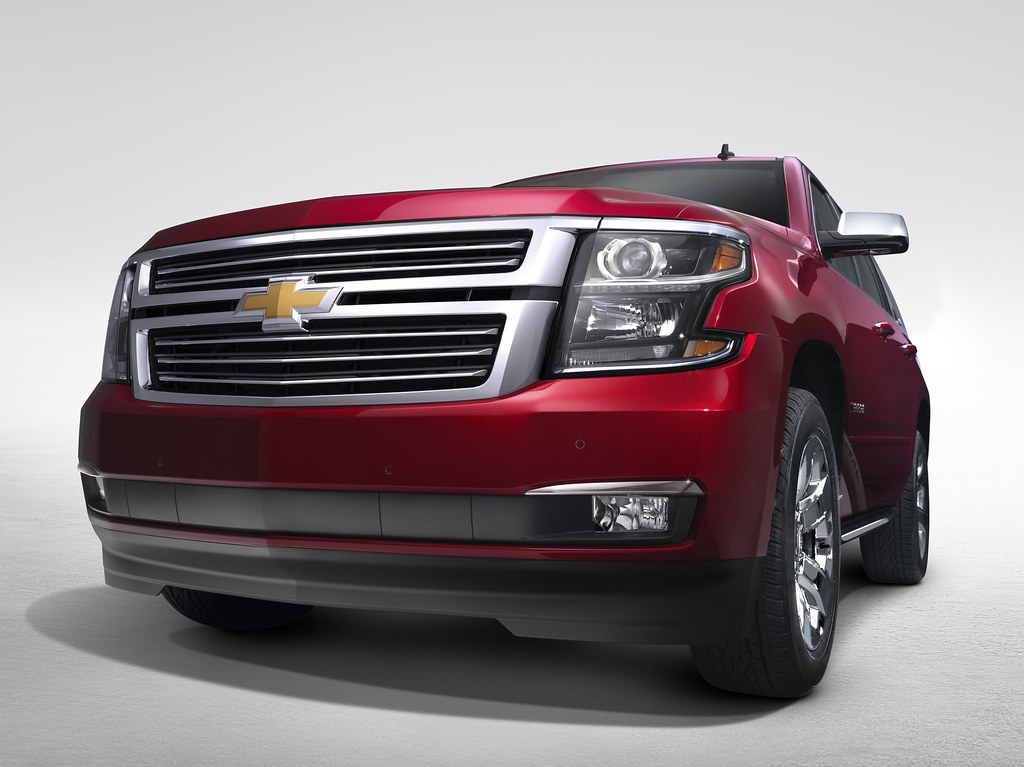
Such an event may occur suddenly and leave a driver with little or no time to respond accordingly, turning an ordinary drive into a life-threatening experience. Robbie Hendricks, a father of two, posted a terrifying story on X (formerly Twitter) about how the engine of his Chevrolet Tahoe had broken down on the road, a short time after a previous engine replacement, endangering his family.
The effects of such failures are either minor cases or extreme accidents, which result in serious injuries or even death. In addition to the immediate physical risk, there is also the psychological burden on the drivers who undergo such an experience or live in the fear that their car will suddenly stop functioning.
One of the most severe and the most expensive problems that vehicle owners may encounter is engine problems. They usually result in huge repair costs, loss of vehicle value and serious safety issues. The fact that these GM engines may suddenly stall without any prior notice highlights the seriousness of the accusations and the necessity to conduct a comprehensive investigation and find a solution.
Proposed Remedy by GM and Increasing Legal Problems
The first solution that GM has suggested is that dealerships should check the engines with a particular diagnostic trouble code (DTC P0016). This also, in most instances involves carrying out an oil change to a heavier 0W-40 viscosity oil, which GM claims is supposed to offer greater protection at working temperatures.
This solution has however been a source of controversy among some owners and legal experts. Certain lawsuits state that this is a weak fix and it can even lead to additional problems. As an example, a class action suit asserts that this heavier oil has a detrimental effect on fuel economy of up to 3-4% which compels the owners to spend more money on fuel.
Consumer advocacy groups and law firms have also come into fray and a number of class-action suits against GM have been filed. These lawsuits usually claim that GM knew about the engine defects, withheld the information to the consumers, and the recall actions are not enough to actually fix the vehicles.

There are claims by some plaintiffs that GM is simply swapping faulty engines with equally faulty ones or that the company has failed to provide sufficient compensation on the so-called loss of vehicle value. The large number of reported failures and the recognition of the defects by GM can be used in warranty claims and lawsuits against the owners who have been affected.
The automotive recalls are a constant part of the industry and every year; millions of vehicles are recalled due to different safety related defects. The NHTSA statistics show that in 2024 alone, more than 1,000 safety recalls covered more than 35 million motor vehicle equipment and vehicles in the U.S.
Regulatory Responsibilities and the NHTSA
It is the legal obligation of manufacturers to ensure that known defects are dealt with in an effective manner and in a timely manner. In 2000, the TREAD Act was passed that placed a greater responsibility on manufacturers to report defects and fatalities and gave them harsher penalties in case of non-compliance.
This bill was a direct reaction to a large-scale tire recall, which demonstrated that more transparency and responsibility should be introduced into the automotive industry. Traditionally, the failure to respond to safety flaws promptly or efforts to minimize their seriousness have resulted in huge financial fines, reputational harm, and, above all, avoidable injuries and deaths.
The path that leads to individual owner complaints to major legal action is usually initiated by vehicle owners who report their issues to dealerships, manufacturers, and other regulatory organizations such as the NHTSA. This data is gathered by the agency using its Vehicle Owner Questionnaire (VOQ) system.
A large number of such complaints may lead to the official investigation. In case an investigation confirms a safety-related defect, NHTSA can force a manufacturer to recall the product, or the manufacturer may recall the product on its own to avoid further measures, which has been done by GM in the case.
Owners may resort to court action when they feel that a manufacturer has not done enough to address the issue like a recall fix or when they have suffered financial damages as a result of the flaw. This is mostly in the form of class-action suits, where two or more plaintiffs with similar complaints come together.
Actions that should be undertaken by the owners
It is important to take proactive measures by the owners of the potentially affected GM SUV and truck models of the 2020-2024 model years. When the engine starts behaving in a way that is not normal like knocking, loss of power suddenly or stalling, it is always a good idea to ensure that a qualified mechanic checks the car as soon as possible.
In addition to the immediate safety, there are a number of steps that can be undertaken by the owners to safeguard their interests and be ready to take recourse in case of need. There is a possibility of potential Lemon Law and Federal Magnuson-Moss Warranty Act recourse to GM customers who are on parts on back order as well as highlighted that even delay in repair can invoke consumer rights.
Owners also need to be updated on the recall information provided by GM and the NHTSA. The NHTSA has a site where car owners can check on open recalls of their vehicle. Careful documentation is necessary in case a car is suspected to have been infected by these so-called engine malfunctions. This record may prove priceless in the future warranty, insurance or legal proceedings.
The owners are to develop a comprehensive record of the incidents, including dates, times, particular symptoms (e.g., engine stalling at 60 mph, knocking, warning lights), and the conditions under which the incident occurred. It is also important to maintain all service records, such as dealership repair order, part and labor invoices and any communication with GM or its authorized service centers with regards to the issue.
Significance of Documentation and Legal considerations
Other valuable evidence may also be photographs or videos of the problem in action, or of dashboard warning lights. These documents assist in creating a clear chronology and showing how the problems were persevered and what kind of problems were encountered.

In case of any serious problems that have been encountered as a result of these so-called engine defects, such as an accident or high costs of repair, it is a wise move to seek the advice of a legal expert who is knowledgeable in the field of automotive defects and personal injury law. Legal issues that may arise in relation to vehicle defects, recalls and liability of the manufacturer may be complicated and may include state lemon laws, federal warranty laws and product liability principles.
A lawyer may assess the possible strength of a case, explain the rights of people, and lead them through the procedure of compensation. To give an example, in case a stalling engine causes an accident that causes injuries, a personal injury car accident lawyer may be very useful in bringing a claim against the manufacturer to pay more than just vehicle repair.
A number of law firms will provide free initial consultations on such cases. Personal injury law firms are specialized and know how influential such events may be on people and families. They are usually capable of applying their experience of dealing with complex cases of vehicle related injuries to the manufacturer defects.
The vehicle owners may face significant difficulties proving the direct causal relationship between a alleged defect in the vehicle and a particular accident or engine malfunction. Manufacturers can claim that the incident was caused by other factors including improper maintenance, misuse by the owner or failure of other components that were not related to the incident.
Difficulties of Proving Defect and the Implications at Large
To prove that a certain manufacturing or design flaw, such as the so-called crankshaft and connecting rod problems in GM engines, was the proximate cause of a stall or later crash, technical knowledge and investigation may be necessary. This may include seeking professional mechanical inspection of the failed parts which may be expensive and complicated.

In case a vehicle has been repaired after the incident, important evidence may be tampered or lost, making it hard to establish the defect that existed initially. Due to the complexity of the modern vehicle systems, there may be several possible causes of such an issue as engine stalling.
This underscores the importance of careful documentation at the initial stage, even of any diagnostic codes accessed by the mechanics prior to the commencement of the intensive repairs. In a court of law, the plaintiff should demonstrate the existence of the defect, that the manufacturer knew, or ought to have known, and that the damages alleged were as a direct result of the defect.
This can frequently require the witnessing of automotive engineers or accident reconstruction experts, highlighting the technical and evidentiary challenges that owners can encounter. Individual claims can be supported by the involvement of NHTSA and various other complaints, such as the case with the GM L87 engine, which shows that there is a tendency to fail.
GM estimates that approximately three percent of the engines subjected to the recall or approximately 17,929 units can have defects that need a complete replacement of the engine. Such a huge monetary liability to GM may result in the possible engine replacement expenses that may amount to thousands of dollars per car.
Looking Ahead: Consumer Vigilance and Industry Accountability
With the ongoing investigation and prosecution, the attention on GM engine problems highlights a larger fact about vehicle owners and car manufacturers in general: mechanical failures are no longer technical issues they are safety, responsibility and consumer confidence issues. The way forward to the affected owners is to be informed, keep good records and consult qualified advice where needed.
This also acts as a reminder of the changing demands that are being put on automakers in a time of sophisticated vehicle technologies and increased public scrutiny. The way GM reacts in the next few months can provide valuable precedents not only in the field of compensation and corrective measures but also in the way manufacturers are supposed to communicate and address safety issues in the future.

The present and future owners of GM vehicles must be alert, active and ready to protect their rights as the consequences of these alleged defects are still being realized. The recall does not cover 2019, 2020, and 2025 model years, which implies that GM might have resolved the production problems in the later production batches.
The massive recall of the 6.2-liter L87 V8 engines by GM serves as an illustration of how a single manufacturing defect can be felt by several brands, owners, and markets. The case, with tens of thousands of complaints, hundreds of documented failures, and an ongoing federal investigation, highlights the need to be more transparent, take corrective action sooner and protect consumers in the automotive industry. To GM owners, the most effective measures to take in the face of this unfolding recall are to keep informed, record the problems and consult an appropriate inspection or legal advice when necessary. With GM striving to find long-term solutions, the reaction of the company will significantly influence not only the trust of customers but also the expectations of the future regarding how automakers will solve safety defects in a more complex environment of vehicles.