








Global Supply Pressures Signal Higher US Gas Prices
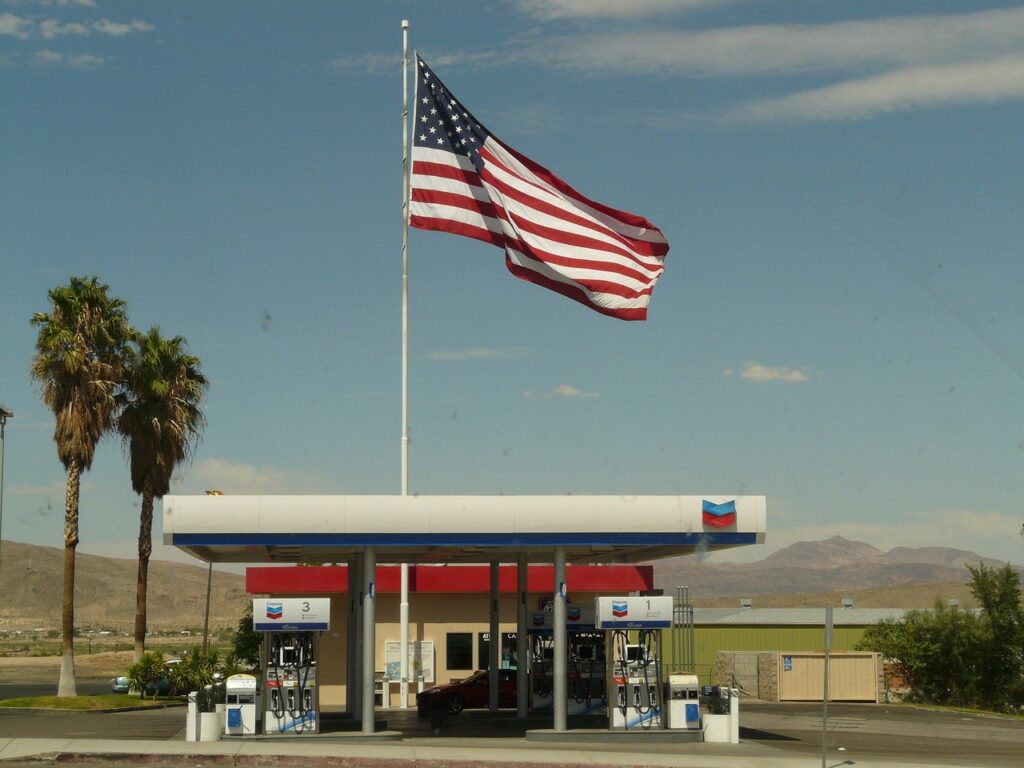
With the global energy environment increasingly unstable and American drivers feeling the impact more directly than ever, forces far beyond U.S. borders shape fuel prices at local gas stations. Strong international demand combines with tightening domestic fuel supplies and growing geopolitical uncertainty to create conditions ripe for gasoline price volatility. These pressures challenge the long-standing expectation of predictable fuel costs.
Key Drivers of Energy Volatility
- Growing international demand for energy
- Domestic supply tightening in the U.S.
- Geopolitical instability affecting trade routes
- Stockpiling more energy by major economies.
- Structural changes in global energy consumption
This volatility points out how deeply interconnected the modern energy markets have become. Once distant-foreign policy decisions or overseas industrial growth-now has a direct bearing on household transportation costs. The more global energy markets become, the more difficult it is to achieve price stability. American consumers are increasingly exposed to international market shifts that were once buffered by domestic production strength.
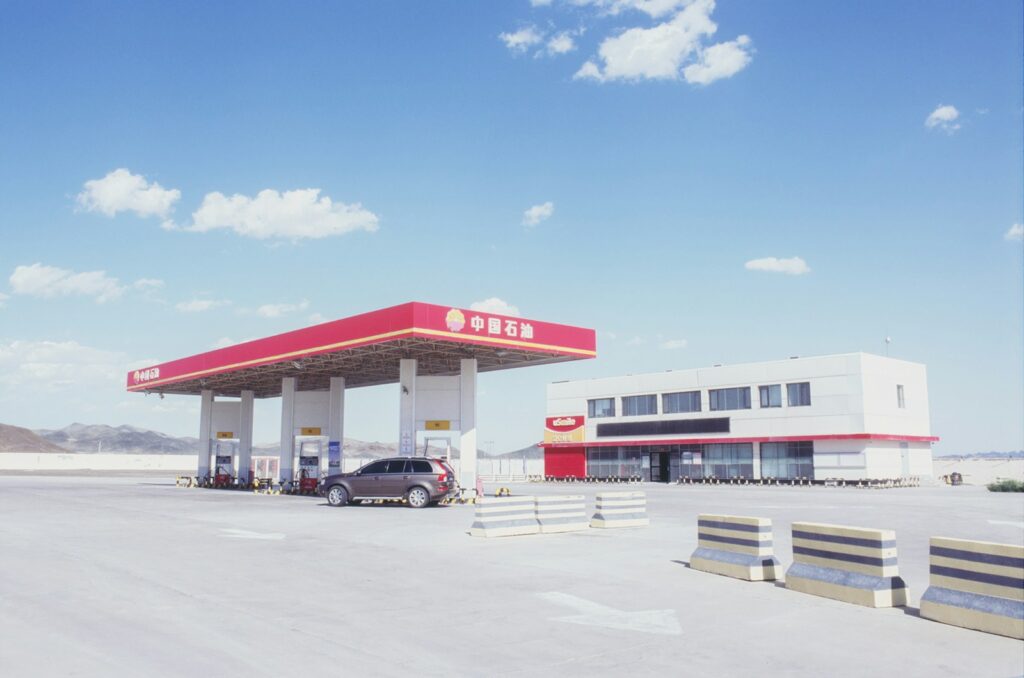
1. The Efforts of China to Stockpile Strategic Oil
Aggressive stockpiling has emerged to make China a dominant force in influencing global oil demand. As the world’s largest importer of crude oil, the country has utilized every favorable market condition to expand its reserves rapidly. Recent data reveals China allocating nearly 1.88 million barrels per day into storage, signaling that the country is swiftly making conscious efforts to strengthen energy security amidst hazy global supply conditions.
China’s Oil Accumulation Strategy
- Importation of large volumes of crude:
- Increased national storage capacity
- Timing of purchases in the market strategically
- Long-term energy security planning
- Sustained buying pressure on global markets
This stockpiling approach places consistent upward pressure on international crude prices. When a major economy purchases oil at such scale, global supply tightens, affecting price benchmarks worldwide. Since crude oil prices directly influence U.S. gasoline costs, China’s energy policy choices indirectly shape what American consumers pay at the pump.

2. China’s Domestic Production and Refining Surpluses
Domestic production and record-high imports are putting a strong combination into China’s oil inventory build-up. Domestic output was over 4.3 million barrels per day in November alone, while imports were over 12 million barrels a day. Less processing by refiners than the total supply left a large surplus that went directly into storage facilities around the country.
Supply Sources Feeding China’s Surplus
- High domestic crude production
- Strong import volumes
- Controlled refinery throughput
- Long-term inventory planning
- Strategic surplus distribution
This sustained surplus represents deliberate energy policy, not accidental overstocking. Since March, China has continuously refilled its reserves with an average near one million barrels per day in storage growth. That level of sustained buying dramatically changes global supply versus demand balances, keeping upward pressure on price and enhancing fuel price vulnerability in importing countries like the United States.

3. Financially Squeezed: U.S. Refining Industry
Still, while the demand globally strengthens, the U.S. refining industry has numerous mounting challenges. After record profits following the pandemic, refining margins have sharply normalized. New global refining capacity, weaker demand in developed economies, and slowing growth in China have all combined to reduce profitability across the refining sector.
Challenges Ahead for U.S. Refiners
- Falling refining margins
- Global Capacity Expansion
- Weaker demand growth
- Increased operational costs
- Increased competition
Major refiners are already reporting financial strain. Exxon, for instance, has warned of weaker quarterly profits because of the margin compression. These pressures are compounded by declining domestic refining capacity, raising concerns about the industry’s capability for efficient fuel demand in response to market stress or seasonal spikes in consumption.
4. Shrinking U.S. Refining Capacity
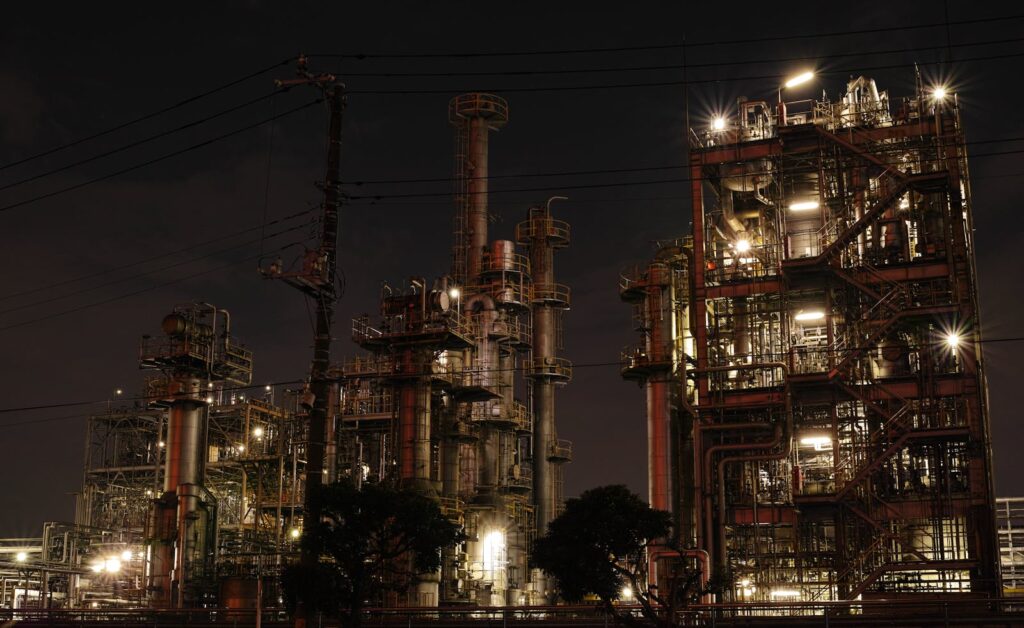
The U.S. refining footprint is shrinking, and with it come new supply risks. Multiple major refineries will shut down by 2025, taking three percent of the nation’s total capacity with them. Among them are facilities located in Houston and Los Angeles that will remove precious processing capability from sections of the country that already struggle through logistical challenges in getting fuel to market.
Impacts of Refinery Closures
- Reduced production of gasoline
- Tighter regional fuel supply
- Greater dependence on imports
- Higher transportation costs
- Greater price sensitivity
As the refining capacity shrinks, the system becomes more and more vulnerable to disruptions. Any unexpected outage or weather event, or any logistical bottleneck, can send sharp price spikes. With fewer refineries available to tide over such calamities, the buffer that used to absorb the shocks is thinner, and consumers are more at the mercy of sudden fuel price increases.

5. How Gasoline Prices Are Determined
Gasoline pricing is influenced by a lot more factors than just crude oil prices. Although crude is the major feedstock, the contribution of refinery operations, imports, logistics, and various other parameters related to distribution and inventory levels also holds paramount importance. Gasoline stocks provide some cushion that would buffer fluctuations in cases when there are supply or demand shocks.
Influential Factors in Gasoline Pricing
- Crude oil prices
- Refinery production levels
- Import and export activity
- Availability of inventory
- Distribution infrastructure
When supplies of inventories decline, wholesalers will aggressively bid for supply, pushing up prices. This behavior reflects precaution rather than panic, yet for the consumers, the result is immediate. Understanding these mechanics helps explain why prices rise even in periods without dramatic changes in levels of oil production or consumption.
6. Seasonal Trends and Regulatory Costs
Seasonal demand dynamics create an additional wrinkle in the pricing of gasoline. Spring usually brings higher prices, which peak during summer, given the rise in travel. Environmental regulations also mandate that refiners produce specially formulated summer-grade fuels, a more costly proposition since the tighter composition standards result in lower gasoline yields.
Seasonal Pricing Influences
- Increased driving demand in the summer
- More expensive summer fuel blends
- The environmental costs of compliance
- Transitions in refineries
Historically, August gasoline prices average about forty cents higher per gallon than in January. These predictable seasonal increases, when joined by supply constraints or world price pressures, can magnify the cost burden during peak driving months.
7. Natural Gas Market Transformation
In addition to oil, global trade integration is fundamentally changing the U.S. natural gas market. Natural gas prices have risen almost 75 percent since October due less to seasonal cold than to structural demand shifts. Primarily, this has been caused by the explosive growth in U.S. liquefied natural gas exports.
Drivers of Natural Gas Prices
- Record export volume of LNG
- Strong European demand
- Limited production acceleration
- Early winter cold snaps
- Rebalancing global supply
The more the overseas shipment of gas, the tighter the domestic supply turns. Production remains high, but it has not grown fast enough to balance out export growth. This shift is exposing domestic prices to international demand dynamics and increasing volatility for those industries and households reliant on natural gas for heating and power generation.

8. AI Data Centers and Energy Demand Growth
Artificial intelligence has come of age as a powerful new driver of energy consumption: the rapid expansion of data centres requires massive, reliable electricity supplies; and natural gas plays a central role in meeting that demand. Gas remains essential when it comes to supplementing the consistent baseload supply of variable renewables.
Key Drivers of Energy Volatility
- Growing international demand for energy
- Domestic supply tightening in the U.S.
- Geopolitical instability affecting trade routes
- Stockpiling more energy by major economies.
- Structural changes in global energy consumption
Energy demand is growing, meanwhile, at double-digit rates with this accelerated pace of AI adoption, adding to the sustained pressure on natural gas markets and reinforcing price strength. The juxtaposition of technology growth with energy supply constraints puts into perspective how digital innovation may reshape physical resource markets.
9. A Globalised Future for Energy Prices
American consumers are now deeply embedded in the global energy dynamics. Fuel prices reflect not only domestic production but also Chinese stockpiling, European energy security efforts, and changes in geopolitical alliances driven by AI-powered electricity demand. Energy markets have become a global barometer of economic and political change.
Technological demand growth Geopolitical tensions Supply expansion cycles In the longer term, significant additions of LNG capacity beyond 2026 should reduce prices over time. Until then, a volatile period can be expected. Energy costs for both road transport and domestic heating will become increasingly interconnected with global supply and demand factors, requiring flexibility and knowledge as key components in dealing with this integrated energy future.