








How to Keep Mice Out of Your Car: A Comprehensive Guide
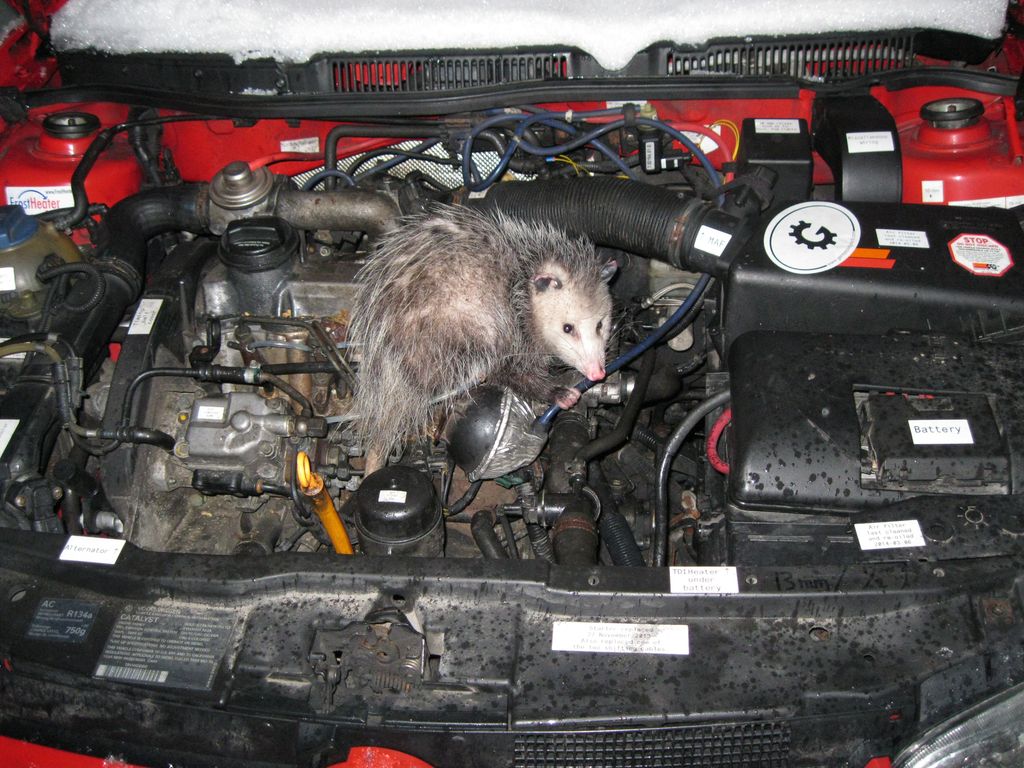
The bottom-line scenario of finding minute footprints, chewed wires, or an improvised nest in your car is frustratingly expensive. Besides making a mess, rodents may cause serious damage to the electrical system, insulation, and interior of your vehicle. Beyond repairs, the infestations mean health risks since the droppings and urine can carry hazardous pathogens. Avoiding such problems constitutes the very essence of prevention. You can safeguard your car effectively by knowing why mice are drawn to vehicles and then using multiple layers of protection.

1. Keep Your Car Clean and Food-Free
They are constantly searching for food and will be enticed by even the smallest of crumbs. Any vehicle promising residual snacks or garbage is the prime target. Regular cleaning of the interior is one of the easiest and most efficient ways to keep rats at bay. Regular vacuuming, carefully removing all types of wrappers, and not leaving food inside will make your car uninviting for these little invaders.
Cleaning Tips
- Regularly vacuum under seats and between cushions, inside the trunk
- Take out wrappings, crumbs and food containers daily
- Never leave pet food, snacks or groceries in your car
- Store items in rodent-proof sealed containers
- Mild sweet air fresheners will keep your interior odor free
Cleaning your vehicle removes the number one reason mice have to get inside in the first place. Remember: cleaning your car is the first step in rodent prevention- simple as that may be.

2. Secure Your Parking Lot
Parking vehicle locations can increase or decrease vulnerability to rodents. Mice prefer cluttered garages that also contain overgrown vegetation or stacks of refuse. You can help prevent the infestation by selecting an appropriate location in which to park your vehicle and keeping the area around you clean. It’s difficult for rodents to approach without being detected if the parking area is clean and well-lighted.
Safety in Parking
- Clean up garages and eliminate all potential nesting sites
- Park in well-lit areas or install motion-sensor lighting
- Avoid parking near garbage bins, woodpiles and heavy vegetation
- Keep pathways clear and maintain an open space around the vehicle
- Inspect outdoor parking lots on a routine basis for signs of rodents
A safe parking site is one step in advance from cleaning or any other prevention strategy. It provides a physical barrier and reduces the chance of your car becoming a rodent paradise.
3. Seal All Potential Entry Points
Mice can pass through an opening a quarter inch across, leaving your vehicle exposed in surprising places. The most common mouse entry points to your vehicle are the firewalls, wheel wells, HVAC intakes, and undercarriage openings. When these are sealed with sturdy materials, hard and durable barriers are established that deny mice access to your car.
Sealing Essentials
- Check engine bay and cabin for tiny gaps or holes
- Block entry points using stainless steel wool or copper mesh
- Avoid expanding foam, which mice can easily chew through
- Cover wheel wells and HVAC air intakes
- Check the seals regularly to ensure that new vulnerabilities do not appear
Proper sealing eliminates easy access and forces mice to look elsewhere for shelter. Sealing combined with cleaning and repellants are one of the most dependable ways to protect your car.
4. Use Essential Oils as a Natural Deterrent
Essential oils are one of the most non-toxic yet effective ways to naturally get rid of mice, leaving a pleasant fresh smell in your home. Odors such as peppermint, eucalyptus, and citronella usually overpower the hyper-sensitive noses of rodents. Applied wisely, these will create an invisible barrier that will keep them from nesting or coming inside.
Application Tips
- Dip cotton balls with peppermint, eucalyptus or citronella oil
- Cotton ball location: under seats and in glove box, trunk and engine bay corners
- Reapply every few weeks to be effective
- Avoid any contact with electric parts
- Combine with sealing and cleaning for best protection
Essential oils are light but effective ways to ensure that your car smells fresh and keeps unwanted pests away. Their natural properties make them safe around families and pets.
5. Employ Other Homemade Scent Deterrents
Other homemade repellents include vinegar, ammonia, and cayenne pepper. Each one has a strong smell that mice tend to avoid. Mixing these homemade repellent techniques with oils provides great defenses for your car without the addition of necessarily toxic chemicals.
Do-It-Yourself Repellent Tips
- Place cotton balls soaked in vinegar or ammonia around points of entry
- Sprinkle a light amount of cayenne pepper throughout the engine bay
- Avoid mothballs, which are toxic to people and degrade plastics
- Refresh scents from time to time so they are effective
- Blend with essential oils for a layered fragrance barrier
These low-cost measures are very effective if practised consistently in addition to other methods of control.
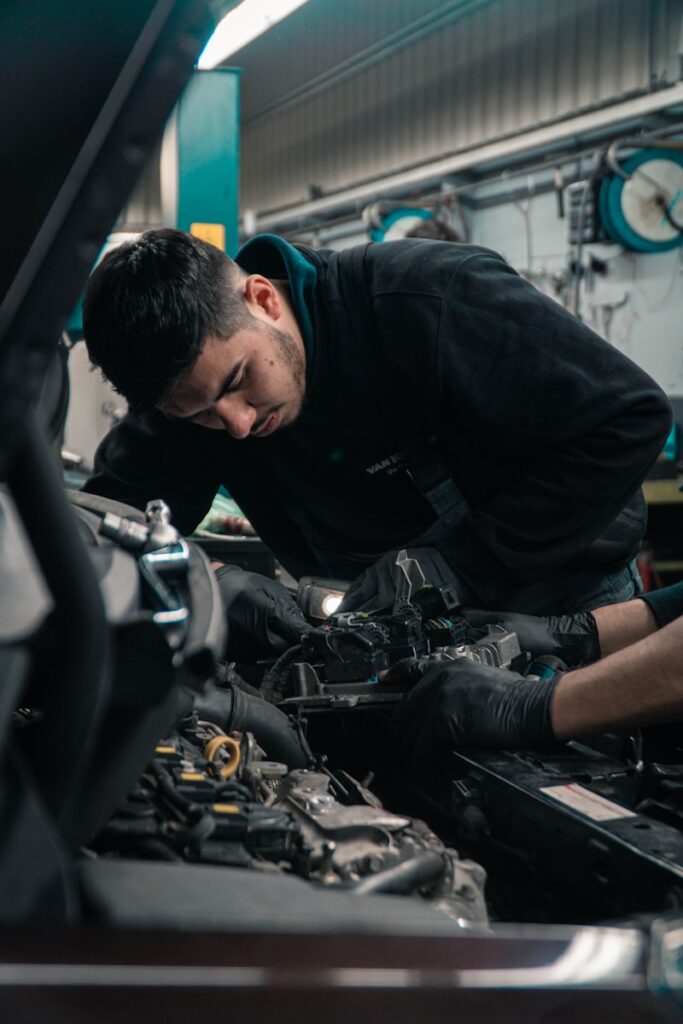
6. Protect the car engine and wiring.
Modern car wiring has soy-based insulation that rodents just love to chew up. Chewed wires result in expensive repairs and even malfunctioning of the vehicle. Protecting the wiring with rodent-resistant material makes the engine bay less hospitable for pests.
Wire Protection Tips
- Wrap sensitive wires and hoses with rodent-deterrent tape impregnated with capsaicin
- Cover HVAC intakes with wire mesh to prevent entry
- Open your hood on a regular basis to disturb the dark haven rodents are looking for
- Look for signs of gnawing on wiring periodically
- Combine with traps and repellents for extra security
Some of the most important parts on your vehicle are protected by making wiring unappealing and limiting areas it could be hidden.
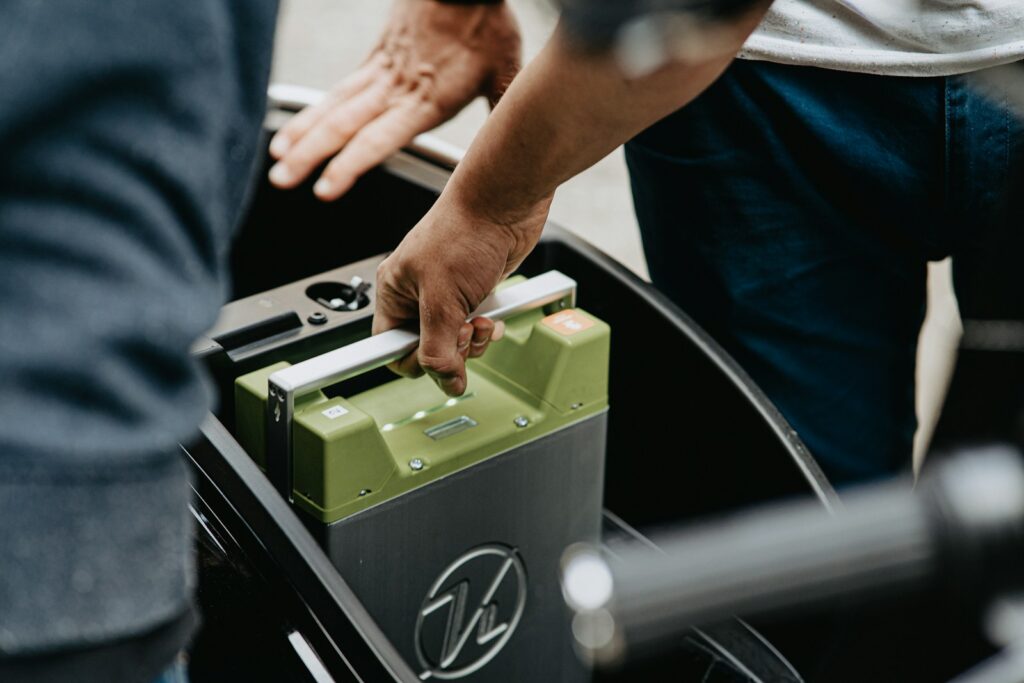
7. Install electronic repellents
The ultrasonic repellents for rodents simply make the environment uncomfortable to the mice while keeping it safe for humans and pets. Other models include additional flashing lights for visual presence to maximize effectiveness. This set-it-and-forget-it approach provides continuous protection, especially for vehicles parked long-term.
Electronic Repellent Tips
- Choose units having modulated or varying frequencies to avoid adaptation
- Mount in an engine bay via either a 12V car connection or dedicated battery
- Combine with traps if an active infestation exists
- Provides protection 24/7 without chemicals
- Ideal for cars stored or parked in rodent-prone areas
These devices are nontoxic, low-maintenance deterrents for keeping mice away and are meant to complement other prevention methods.
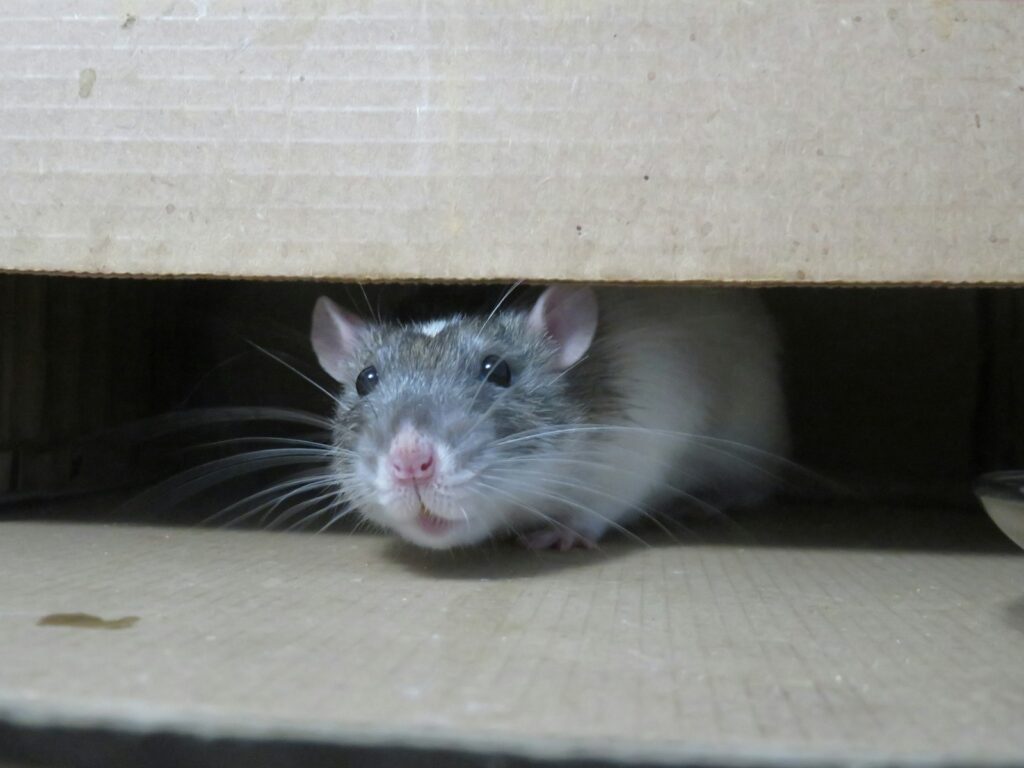
8. Set Traps to Remove an Active Infestation
If they are presently infesting your home, control them now: Traps permit thorough removal to prevent further wiring, insulation and upholstery damage by rodents. Snap traps and live traps are preferable; poison baits are not recommended for sometimes carcasses become inaccessible and develop into long-term odors.
Trap Placement Tips
- Place traps inside trunks, under seats, inside glove boxes and near the firewall
- Employ more than one trap for greater success
- Check traps daily to remove caught mice promptly
- Avoid poisonous baits-which can lead to hard-to-reach carcasses
- Combine traps with repellents to stop re-infestation
Traps are the most direct method for active infestations; you have control directly and limit long-term damage.