

Inside the Haunting World of Abandoned Corvette Graveyards
Any serious gearhead has a daydream he never really forgets. It normally begins with a dusty back road, a tumbled-down barn door, or a bypassed field hidden by tall grass. Inside waits classic steel, patiently hoping someone will bring it back to life. It is that dream of discovering automotive treasure that keeps enthusiasts searching for the next great find.
Many believe the golden days of junkyard discoveries are long gone, but creators like the Auto Archeologist prove that is not necessarily true. His visits to private scrapyards and abandoned buildings show that incredible discoveries are still possible. These places are not just piles of rusting metal. They are time capsules filled with stories, frozen dreams, and raw American performance spirit.
1. The Private Scrapyard in Michigan
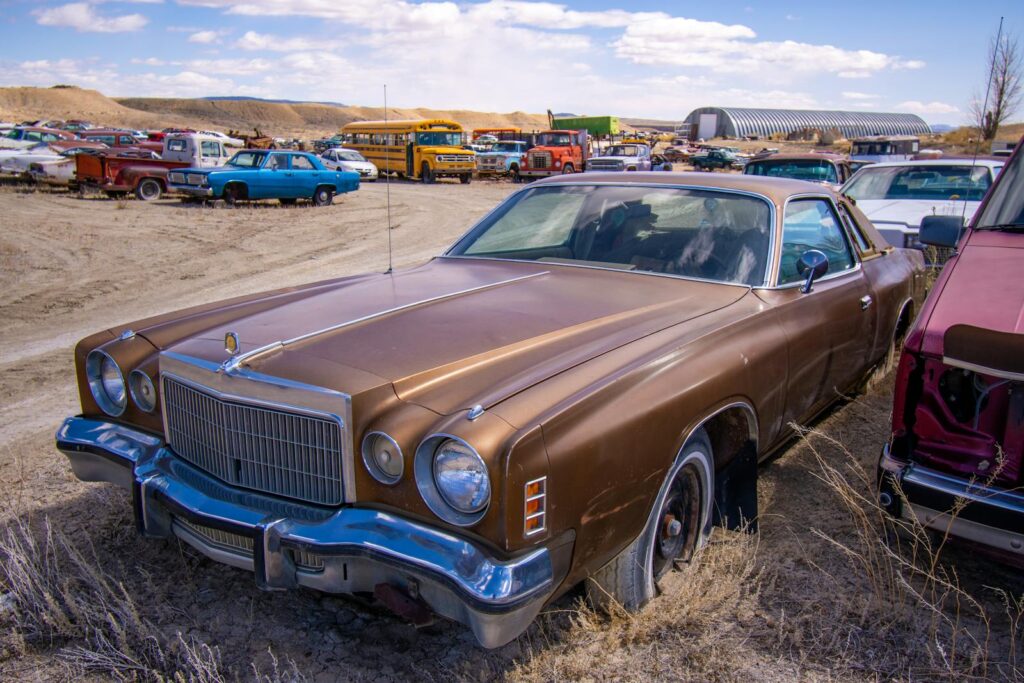
In a quiet corner of Michigan sits a massive private scrapyard that feels more like an outdoor museum of American muscle. As documented by the Auto Archeologist, this is not a typical pick-and-pull yard. Instead, it is a vast collection of once-powerful performance machines that were damaged in accidents but never completely forgotten. The origin of the yard adds to its mystique. The owner reportedly worked with an insurance company and directed damaged vehicles to this location. Over time, what began as a practical arrangement evolved into a remarkable archive of American automotive history waiting to be rediscovered.
Key Highlights of the Yard
- Former pipeline for wrecked insurance vehicles
- Large concentration of vintage muscle cars
- Rare and hard-to-find models scattered throughout
- New discoveries possible on every visit
- A dream landscape for American car enthusiasts
2. The Famous Corvette Row
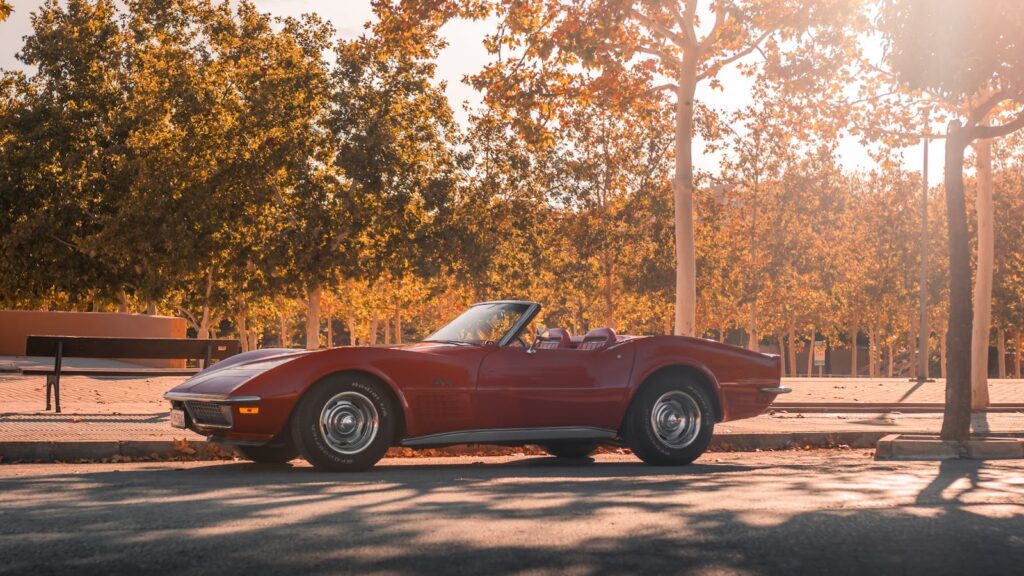
Deep within the Michigan yard lies an unforgettable sight: a long line of Chevrolet Corvette models. Walking past them feels like stepping into a lost chapter of performance history. C2 and C3 Corvettes sit side by side, their curves still proud despite years of neglect. Many of these Corvettes have endured harsh weather. Some are missing engines, transmissions, interiors, and other major components. Full restorations may not be realistic for all of them. However, for builders seeking authentic factory details, this row represents opportunity. Rare brackets, trim pieces, and small original parts can still be sourced from these forgotten icons.
What Makes Corvette Row Special
- Long rows of C2 and C3 models
- Rare original trim and body components
- Valuable restoration parts still recoverable
- A preserved timeline of Corvette evolution
- Strong appeal for factory-accurate builders
3. A Salvageable C2 Chassis
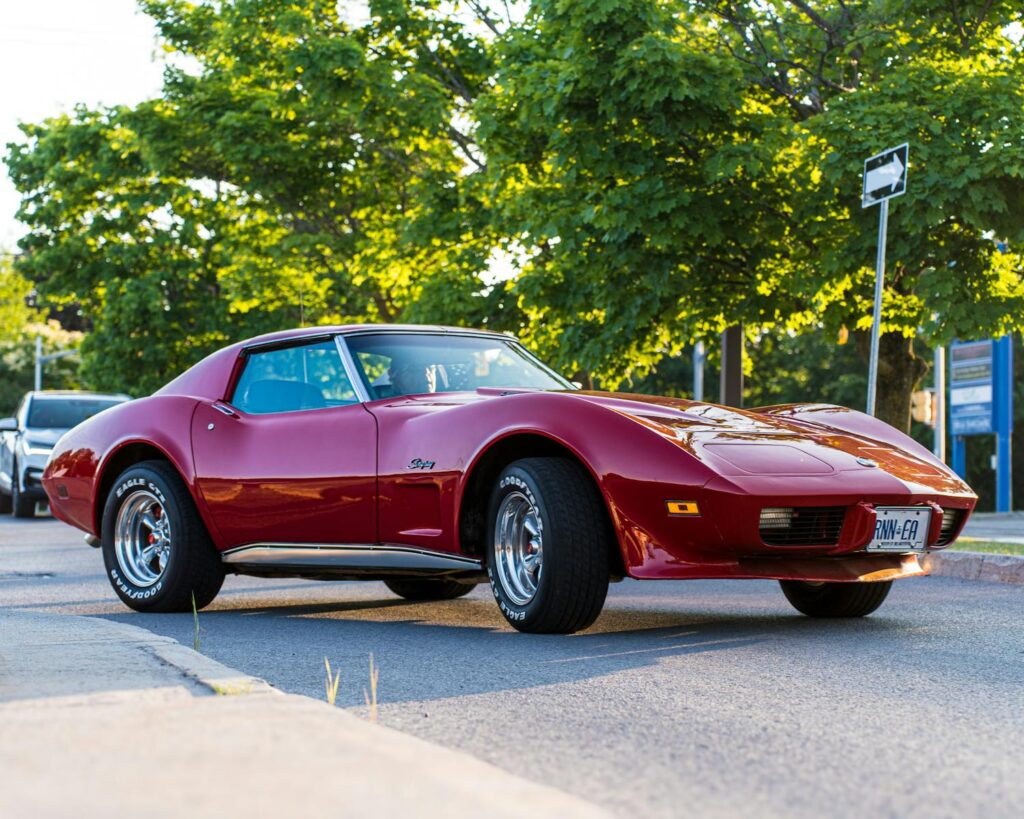
One second-generation Corvette stands out among the stripped shells. Highlighted by the Auto Archeologist, this C2 chassis shows surprising potential. Although missing its drivetrain and several components, its structural foundation remains intriguing. Despite its past damage, this Corvette could become the foundation of something extraordinary. In the hands of a skilled builder, it might transform into an extreme restomod or race-inspired machine. Sometimes restoration is about reinvention rather than strict preservation.
Why This C2 Is Promising
- Solid undercarriage framework
- Strong candidate for a custom restomod
- Suitable base for a track-focused build
- Opportunity for creative reinvention
- Proof that even wrecked classics can have a future
4. The Post-Apocalyptic Abandoned Store
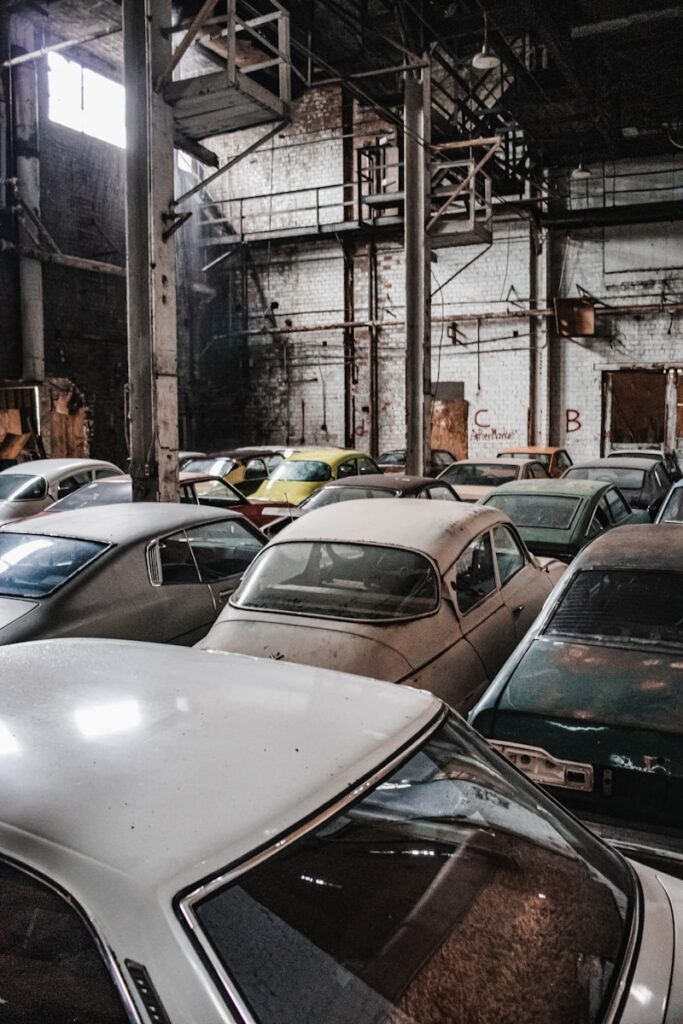
Leaving the open Michigan field behind, the next discovery moves to a far more unsettling scene. An abandoned store, revealed through photos shared online, looks like a setting from a post-apocalyptic film. Inside, half-disassembled sports cars sit frozen in time among crumbling walls and scattered tools. Seeing a single forgotten classic is one thing. An entire building full of them feels haunting. The environment suggests that work stopped abruptly, leaving every dusty car as an unanswered question.
Disturbing Details Inside the Shop
- Multiple sports cars abandoned mid-project
- Tools and parts scattered across the floor
- Broken windows and visible structural decay
- Thick dust covering every surface
- Atmosphere suggesting sudden abandonment

5. A Sea of Dusty C3s
Most vehicles inside the deserted shop appear to be third-generation Chevrolet Corvette models. Their fiberglass bodies are coated in decades of dust, and once-bright paint now appears dull and faded. The variety deepens the mystery. This was not simply Corvette storage. The presence of other Chevrolet classics suggests either a restoration business or a passionate private collector. Whatever the case, each vehicle once represented ambition and dedication.
Vehicles Found Among the C3s
- Multiple C3 Corvettes in varying condition
- Chevrolet Caprice
- Chevrolet El Camino
- First-generation Chevrolet Camaro
- Assorted vintage Chevrolet parts and components
6. The Modern Outlier
One vehicle stands apart from the older machines: a fifth-generation Chevrolet Camaro. Compared to the surrounding classics, it feels strikingly modern. Seeing a relatively modern model abandoned alongside decades-old vehicles suggests the shop may not have closed long ago. Its presence hints at an abrupt ending rather than a slow decline.
The Importance of the Modern Camaro
- Much more recent production timeline
- Suggests activity continued into recent years
- Adds urgency to the mystery of abandonment
- Indicates unfinished contemporary projects
- Fuels online speculation
7. The Chop Shop Theory
Given the chaotic layout and partially dismantled cars, some observers proposed that the building may have operated as a chop shop. The stripped vehicles and the modern Camaro initially seem to support that idea. However, this explanation may be unlikely. Valuable parts left behind would typically be retrieved. While the theory adds intrigue, a more grounded explanation may better fit the evidence.
Arguments Supporting the Theory
- Cars in advanced stages of disassembly
- Presence of a modern performance vehicle
- Abrupt halt suggested by unfinished work
- Lack of organized restoration patterns
- No clear signs of formal closure
8. The Private Collection Theory
A more plausible scenario is that the building housed a private collection. Many enthusiasts accumulate ambitious projects over time, sometimes faster than they can complete them. Life events such as financial strain or illness can abruptly interrupt even the strongest passion. Vintage automotive signage and décor do not necessarily confirm commercial activity. In many ways, this theory feels more human and more tragic a story of passion interrupted rather than secrecy exposed.
Clues Pointing to a Private Collection
- Variety of Chevrolet models beyond Corvettes
- Personal automotive décor visible
- Multiple long-term restoration projects
- Lack of formal dealership infrastructure
- Vehicle selection suggesting emotional attachment
9. A Project Car With a Title
Not all forgotten Corvettes remain hidden. Occasionally, a project resurfaces publicly. One example is a 1969 Chevrolet Corvette listed as a restoration candidate. Although missing its original 350-cubic-inch V8 and four-speed manual transmission, it presents a promising opportunity. Being sold as a roller, it requires significant work. Yet structural integrity and proper documentation make it attractive to serious buyers.
What Makes This Project Appealing
- Clean title included
- Reported solid frame and birdcage structure
- Affordable entry price around $2,900
- Suitable for stock restoration or custom build
- Early C3 model with growing demand
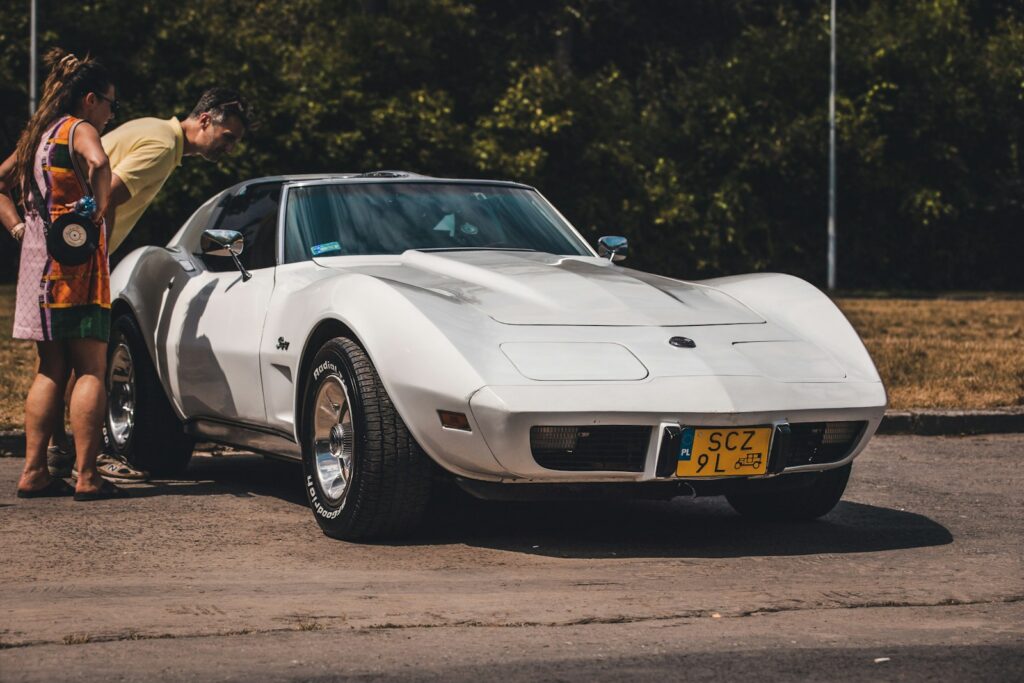
10. Hope for a Classic 1969 Corvette
The 1969 model year holds special appeal among Corvette enthusiasts. Before stricter emissions regulations in the 1970s reduced performance, these cars delivered stronger output and bold styling. Though once stripped for parts, this Corvette now represents renewed possibility. Early C3 models are no longer overlooked relics. With dedication and skill, even a neglected project can return to the road as a revived piece of American performance history.
Why the 1969 Corvette Stands Out
- Stronger pre-1970s performance reputation
- Distinctive split chrome bumper design
- Classic Can Am White over blue interior combination
- Increasing collector interest in early C3s
- Strong restoration and resale potential