

Inside the HondaJet Elite II: Why It’s the Acura of the Skies
Whenever you mention the word Honda, you will likely imagine reliable cars, sophisticated motorcycles or even the lawn mower that fires after the first pull. It feels almost surreal to see that same engineering mindset applied to a personal jet. Yet that is exactly what the HondaJet Elite II represents a flying continuation of Honda’s obsession with precision, performance and comfort.
What Makes This Jet Honda Unique
- The product is completely designed in-house in Greensboro
- Directed by the philosophy of the Power of Dreams
- Integrated vision under strict FAA oversight
- Automotive-inspired craftsmanship
- Passenger experience led by engineering
This aircraft was not assembled by an outsourced luxury company or shaped by trends. Every line and material choice is rooted in Honda’s philosophy under the leadership of Michimasa Fujino. Even minor interior changes require FAA approval. This level of integration shows how seriously Honda approaches the jet it is not a side project, but a flagship achievement.
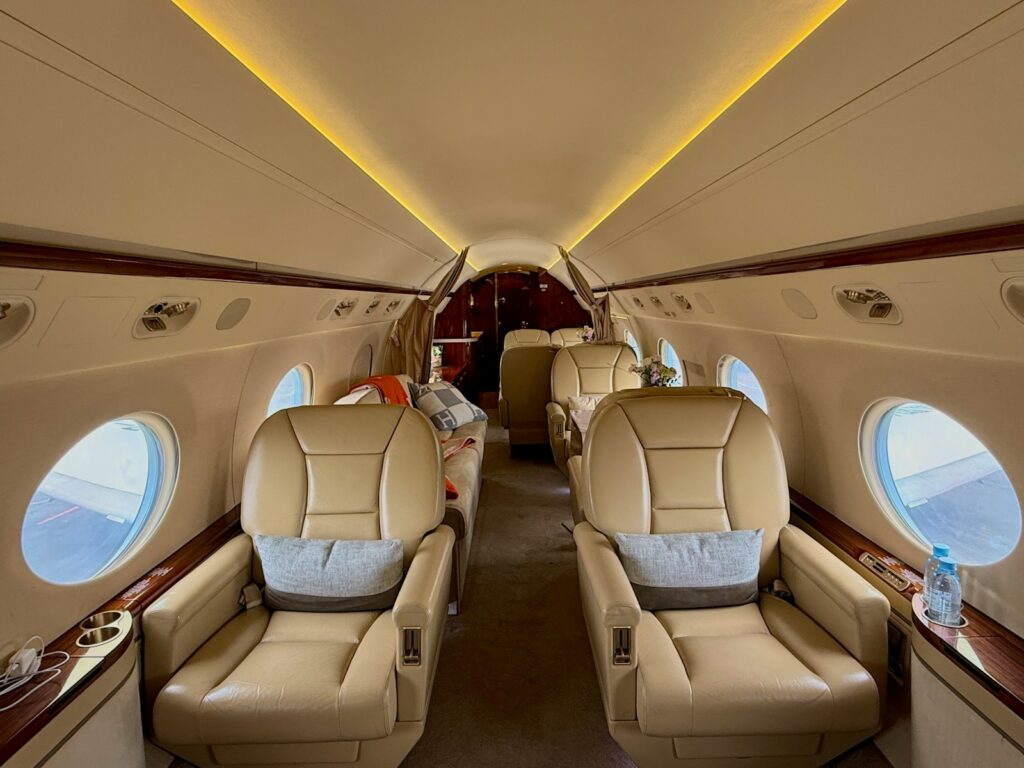
1. 43,000 Feet of Automotive Craftsmanship
Step into the cabin and you immediately notice something familiar. The rich leather, precise French stitching and sculpted headrests would not look out of place in a flagship Acura sedan. That is intentional. Honda wanted the Elite II to reflect the quality of the luxury automotive sector while elevating it for aviation.You sense the quality before the engines even start. Every surface feels solid and reassuring. It is not flashy luxury designed to impress at first glance, but thoughtful construction that reveals itself over time. The automotive DNA remains present, making the transition from runway to sky feel natural rather than dramatic.
Interior Design Highlights
- Top-grade hand-stitched leather seating
- Acura-inspired interior styling
- Refined headrest contours
- Precision fit and finish
- Harmonised colour palettes
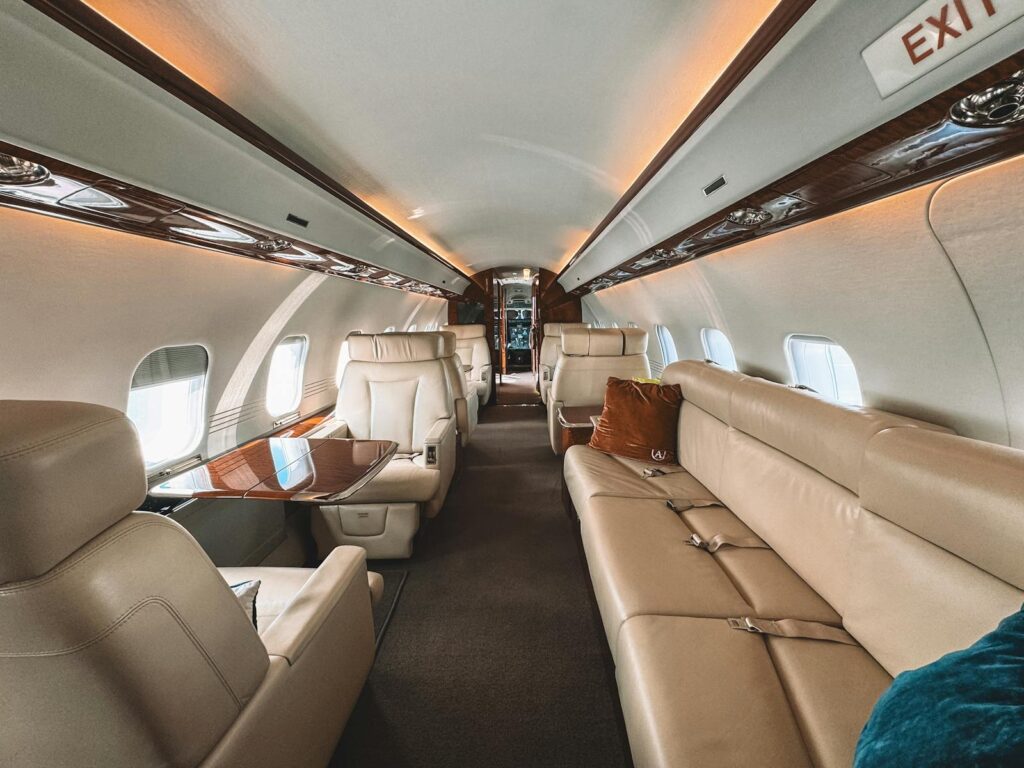
2. Two Distinct Cabin Themes
Honda understands that luxury is personal, which is why the Elite II offers two carefully curated interior themes. The Onyx theme surrounds you with warm neutrals and deep greige tones, creating a cocoon-like atmosphere. The Steel theme introduces cooler greys paired with deeper blues, delivering a lighter, more contemporary feel.Both themes blend residential elegance with practicality. The marble surfaces feel refined without being excessive, while the hardwood-style flooring balances style with resilience. The jet is designed not just to look impressive on the tarmac, but to endure frequent flights while maintaining a welcoming ambience.
Cabin Material Features
- Onyx warm neutral theme
- Steel cool grey palette
- White marble countertops
- Hardwood-pattern flooring
- Aviation-grade durability
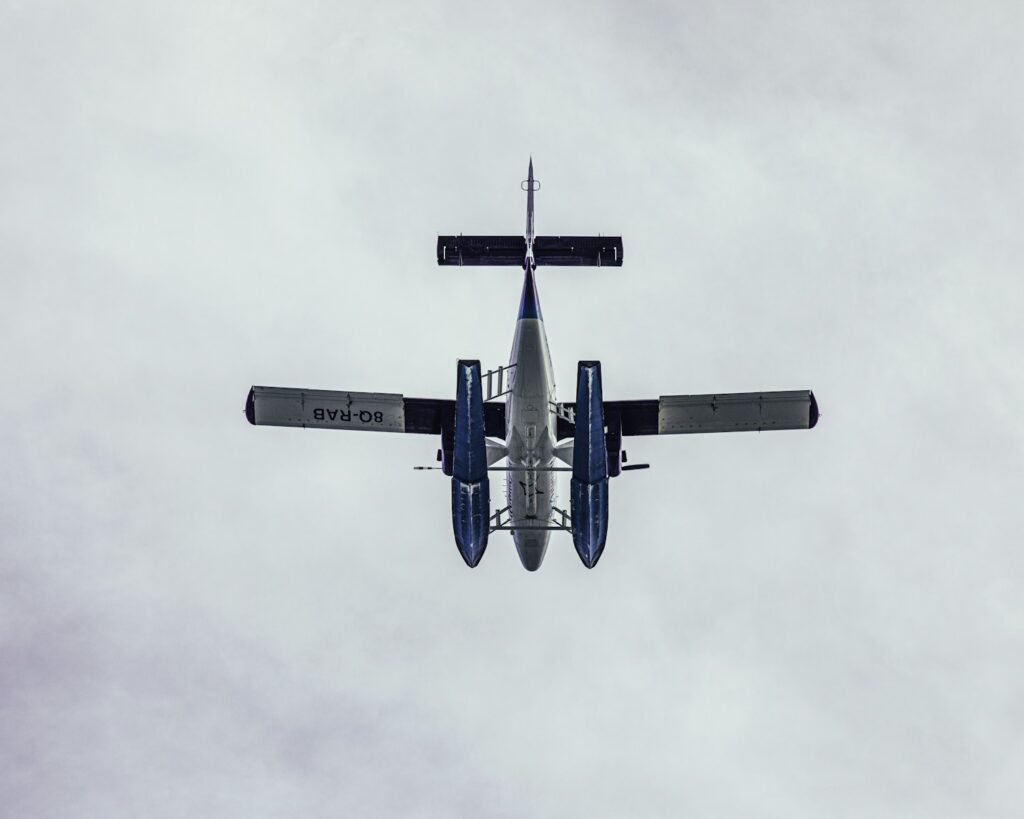
3. The Science Behind the Space
Very light jets are rarely described as spacious, yet the Elite II feels surprisingly open. The key lies in its Over-The-Wing Engine Mount system. By placing the engines above the wings rather than on the fuselage, Honda frees up valuable cabin space. This patented innovation is more than a visual signature. It directly improves the passenger experience by offering more space and better balance. Honda did not simply solve a packaging issue it redefined what a very light jet cabin could feel like.
Advantages of Over-The-Wing Engines
- 20% more cabin space than rivals
- Reduced cabin vibration
- Increased aerodynamic efficiency
- Distinctive exterior design
- Enhanced passenger comfort
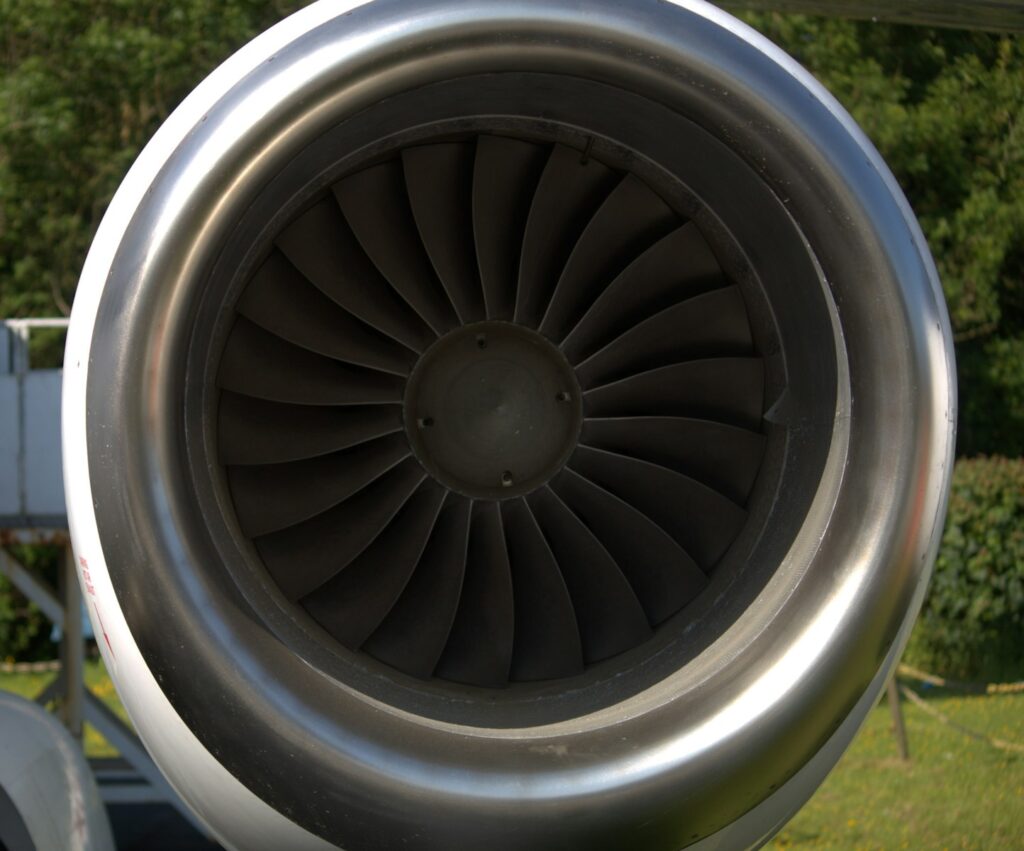
4. Quiet by Design
Space is only part of the story. Tranquillity is equally important in the Elite II. The GE Honda HF120 engines incorporate advanced acoustic treatments, including perforated honeycomb designs that absorb high-frequency noise before it reaches the cabin.The difference is immediately noticeable. Conversations can take place at normal speaking levels, even during take-off. This level of quiet transforms the cabin into a sanctuary, reducing fatigue and improving communication on longer journeys.
Noise-Reduction Innovations
- Honeycomb acoustic engine inlets
- Optimised cabin insulation
- Quieter air-conditioning systems
- Refined avionics cooling
- Active sound compensation
5. Intelligent Seat Design Inspired by Minivans
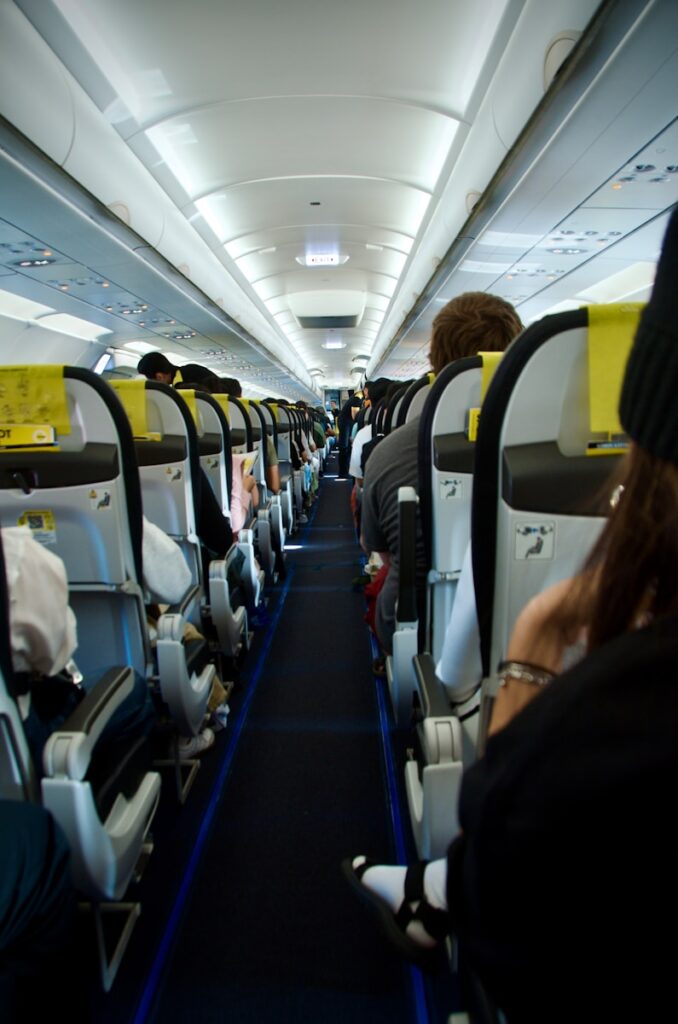
Honda’s practical ingenuity extends to the seating layout. Similar to the flexible configurations in the Honda Odyssey, the four executive seats in the Elite II slide towards the centre of the cabin after take-off, creating additional headroom. These are not ornamental seats. They are engineered solutions designed to enhance usability. The reclining mechanism slides the base cushion forward without sacrificing space. It is thoughtful innovation that allows luxury and practicality to coexist.
Seat Functionality Features
- Sliding centre configuration
- Forward-moving recline mechanism
- 180-degree swivel seat near entrance
- Generous legroom
- Executive-level practical comfort
6. Turning Walls into Speakers
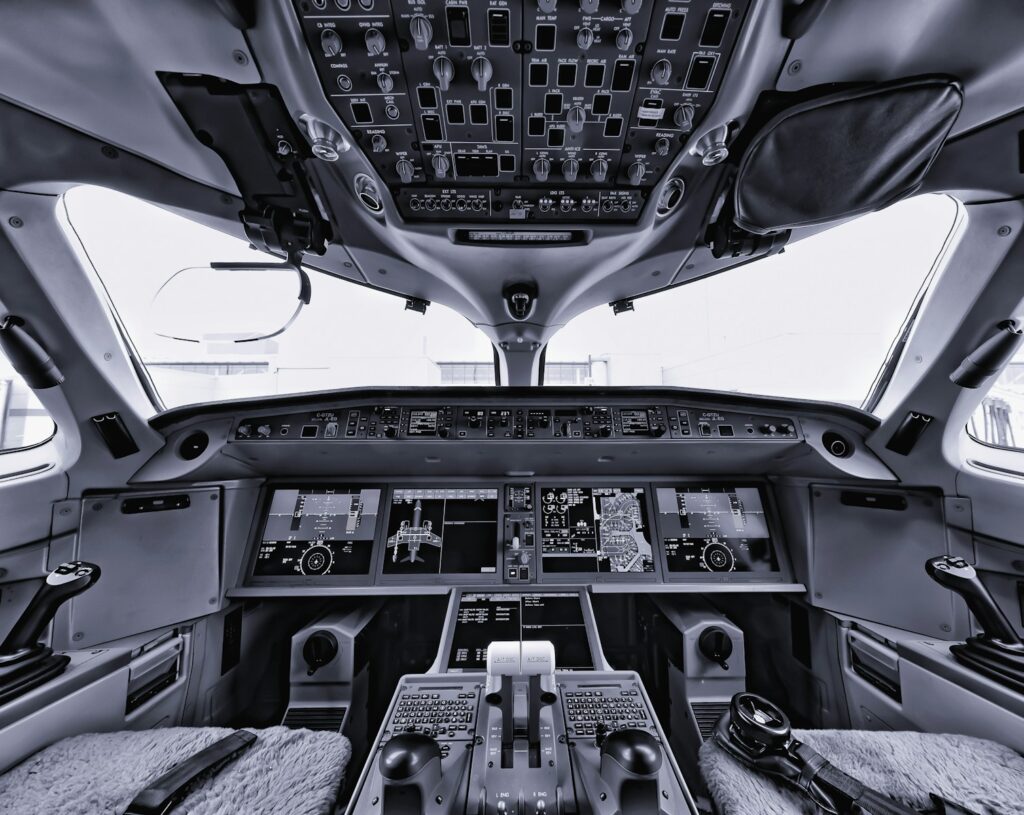
Instead of installing bulky speakers that consume valuable cabin space, Honda partnered with Bongiovi Acoustic Labs to create an unconventional solution. The cabin walls themselves function as the sound system. This approach delivers enveloping sound without visible hardware. The system adapts to ambient conditions, maintaining clarity throughout the flight. By transforming structural surfaces into functional components, Honda maximises both space and acoustic performance.
Audio System Innovations
- 24 concealed actuators in side panels
- Sound generated through panel vibration
- Automatic noise adjustment
- Passive engine drone mitigation
- Immersive cabin-wide audio.
7. Flexible Entry and Galley Space
Opposite the entry door, a multifunctional area adapts to passenger needs. It can accommodate a fifth seat with a deployable tray table for shorter journeys. Alternatively, the seatback folds down for additional cargo space, or the area can be configured as a compact galley. Every configuration requires careful weight management. Adding a galley means factoring drinks and ice into take-off calculations. This flexibility reflects Honda’s core principle of adaptability without compromising performance.
Versatility in Design
- Optional fifth passenger seat
- Fold-down cargo capability
- Configurable galley installation
- Tray table integrated into door
- Weight-conscious design choices
8. A Civilised Lavatory Experience
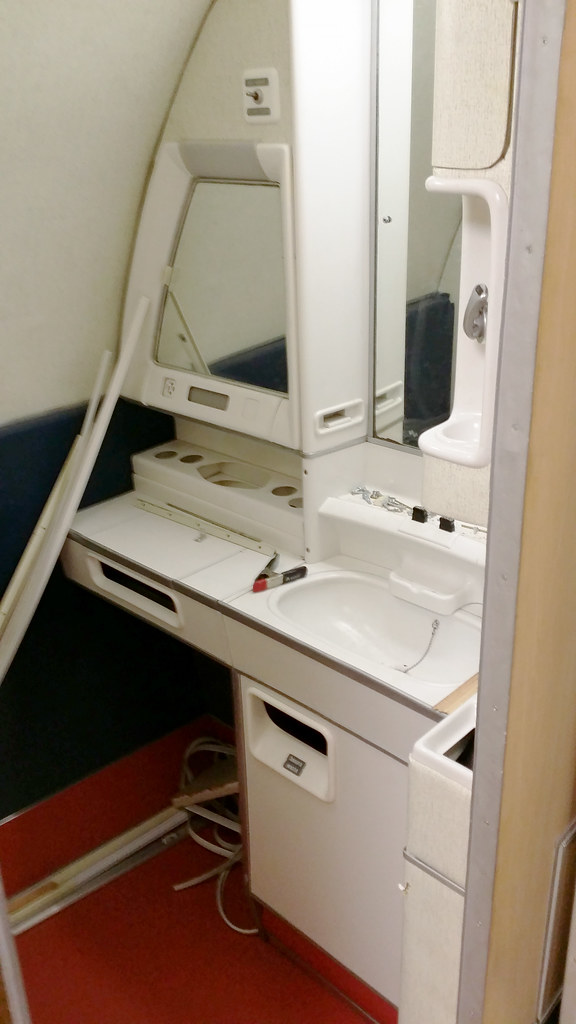
In many very light jets, the lavatory feels like an afterthought. In the Elite II, it is a fully developed space featuring a sink, running water and dual sliding doors for genuine privacy. Two skylights provide natural light, removing the need to search for switches. Ingeniously, the belted toilet cover doubles as a legal sixth seat when required. External servicing maintains cleanliness and enhances the overall passenger experience.
Lavatory Highlights
- Full sink with running water
- Dual sliding privacy doors
- Skylights for natural illumination
- Externally serviced system
- Toilet cover certified as sixth seat

9. Storage That Rivals a Minivan
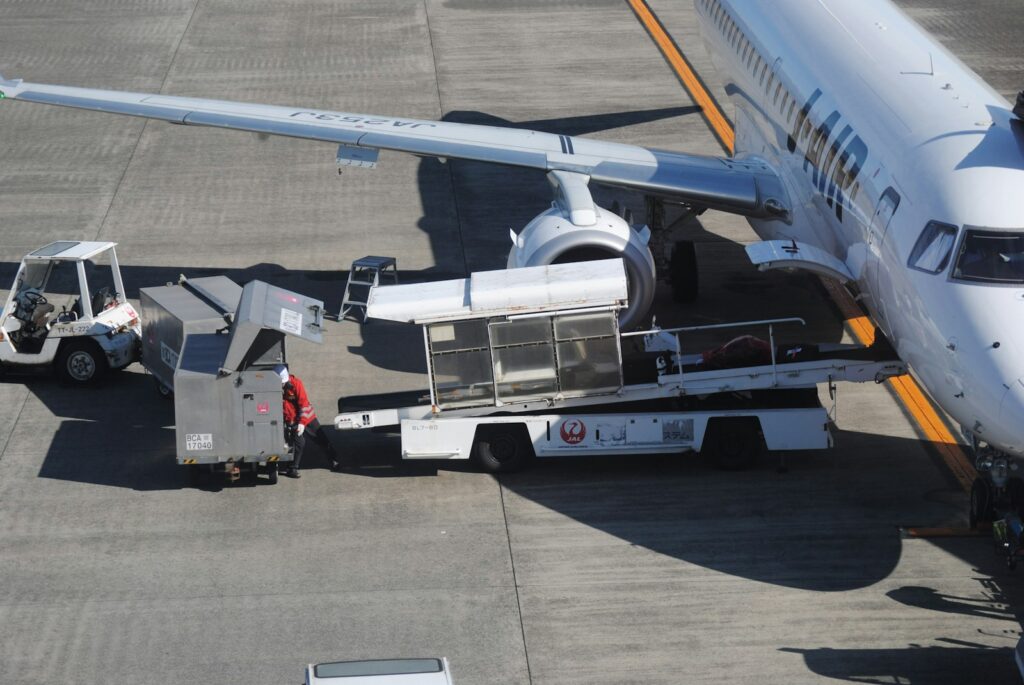
A private jet must balance luxury with utility, and the Elite II excels in this area. The aft baggage compartment provides 53 cubic feet of space, while a forward nose compartment adds another nine cubic feet. For comparison, even a family-focused minivan like the Honda Odyssey offers less space behind its third row. With both a rear hold and a forward compartment, the Elite II reinforces Honda’s commitment to practicality. Thoughtful engineering ensures that even the sky feels organised and accommodating.
Cargo Capacity Advantages
- 53 cubic feet in aft hold
- 9 cubic feet in nose compartment
- Separate storage zones
- Ideal for business or leisure trips
- Thoughtful weight distribution