



Musk Rejects Analyst’s Call for Oversight Amid Tesla Turmoil
Tesla CEO Elon Musk publicly dismissed a demand to have more oversight of his company in a two-word statement that echoed through social media to Wall Street trading floors. In a direct reply to a sequence of suggestions by Wedbush Securities analyst Dan Ives, Musk wrote on his social media X: Shut up, Dan. The confrontation by the general public highlights a time of mounting tension on the electric vehicle giant, with investors and analysts struggling with the growing political activism of the CEO at a time when the company faces serious business issues.
The point of conflict was a series of suggestions made by Ives to the board of directors of Tesla. One of the longest-standing Tesla bulls with the highest price target on the stock in the FactSet of analysts, Ives, called on the board to act decisively to put the company back on track. His suggestions were triple: introduce a new incentive-based compensation package to allow Musk to have the 25 percent voting stake he wanted, introduce some guardrails on the time that the CEO will need to spend at Tesla and form a committee on oversight of political activities.
These were not suggestions made in haste. Ives, dubbed the greatest cheerleader of Tesla on Wall Street, put the situation in a critical juncture. The Wedbush team explained the seriousness of the situation in a research note to investors entitled, The Tesla board must act and create ground rules for Musk; soap opera must end. Ives wrote that this was a tipping point in the Tesla story and that the board should take action now to establish ground rules on the political ambitions of Musk.
Political Activism and Fallout in the market
The context of this desperate plea is the recent and controversial re-entry into the political scene by Musk. On the weekend, the billionaire stated that he was planning to establish a new political party, the America Party. The action is meant to oppose Republican nominees who endorsed a spending bill that was recently passed into law by President Donald Trump, a bill that Musk himself publicly criticized as an insane spending bill. The news sparked a dispute with the President again and caused instant tremors in the investor community of Tesla.
The response of the market was fast and harsh. On Monday, after Musk made a political announcement, Tesla stocks fell by almost 7 per cent, eliminating an astounding 68 billion in market worth. The stock ended at 293, its lowest since it had previously fallen out with President Trump in June. The one-day decline added to an already tough year of the automaker, whose shares have fallen about 25 percent year-to-year, a performance that lags far behind the key U.S. indexes and is the worst among the mega cap stocks in the technology industry.
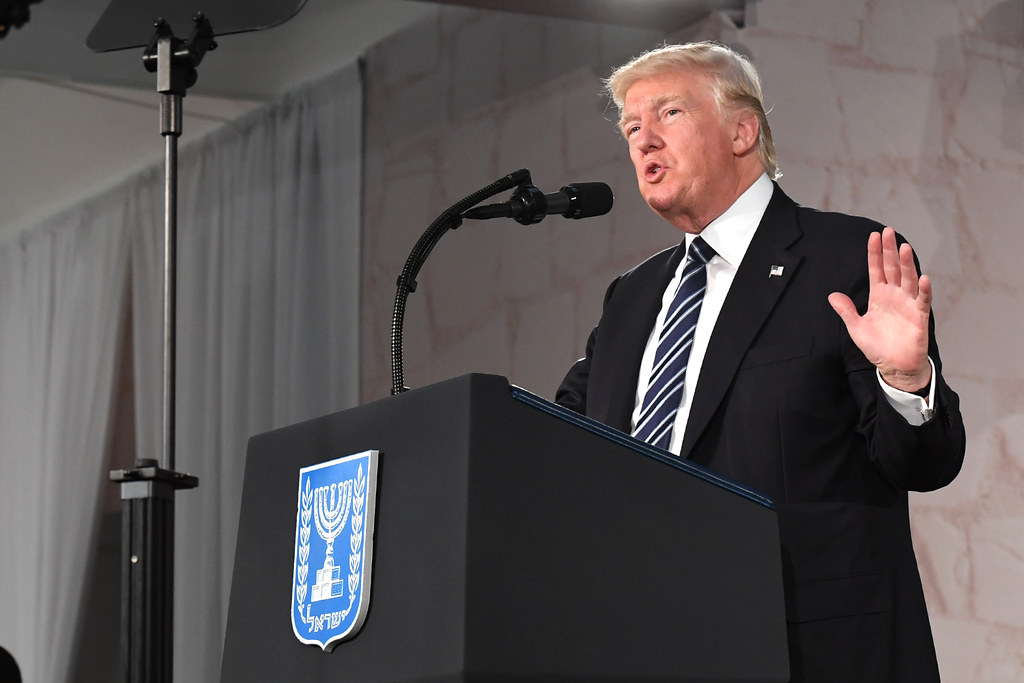
Although Musk publicly dismissed Ives, his concerns are echoed by an increasing number of observers in the market. William Blair analysts went a step further, lowering the rating of Tesla stock to the equivalent of a buy to a hold. They directly referred to the political plans and rhetoric of Musk, and the possible adverse effects of the spending bill on the margins of Tesla. The William Blair analysts wrote, “We think investors are getting fed up with the distraction, at a time when the business requires Musk the most, and said, we would rather this energy be directed towards the rollout of the robotaxis at this critical stage.
The same feeling was reflected in the investment community. James Fishback, the CEO of hedge fund Azoria Partners, a Trump proponent, said that his company was delaying the launch of an exchange-traded fund that was to invest in Tesla shares and options. Elon has gone too far, Fishback posted on X. He requested the board of Tesla to meet immediately to request Elon to clarify his political ambitions and determine whether they can be reconciled with his full-time duties to Tesla as CEO.
Professional Cautions and Management Interrogatives
Even scholars are speculating on the harm. According to Jo-Ellen Pozner, a professor at the Leavey School of Business at Santa Clara University, the focus of Musk has been evidently split, and this has already strained the brand. However, the fact that Musk is planning to establish a new political party poses an enormous amount of extra and unwarranted reputational risk, she said. This new venture, which is coming at a time when the company is facing operational headwinds, has increased the fears that the core business is losing its chief executive.
The core of the discussion is the essential position of the board of Tesla and its connection to an exceptionally strong CEO. The demand of guardrails and control is inextricably connected with the compensation of Musk and his long-held ambition to have a bigger control over the company. His historic 2018 compensation package, which had been estimated to be worth approximately 56 billion, was infamously struck down last year by the Delaware Court of Chancery. The decision made by Judge Kathaleen McCormick focused on the conclusion that Tesla board members were not independent of Musk, and they did not negotiate the huge award at arm’s length.
Legal battle remains despite Tesla appealing the decision and shareholders voting in an advisory vote to re-approve the package in June 2024. Musk has also tied his future aspirations to his ownership share, saying earlier this year that he would like about 25 percent of the voting rights to feel safe as the leader of Tesla on its ambitious artificial intelligence and robotics initiatives. He implied that he would rather create products not under Tesla without it. The suggestion of a new package giving this control by Dan Ives was an effort to get out of this stalemate, but with important strings to it.
The implication of the suggestion made by Ives was not to give up control, but to make it directly related to accountability. He was suggesting a model of aligning the interests of the CEO with the shareholders who are enduring the present stock decline by pegging the 25% stake to specific time commitments and political controls. This is what the Delaware court deemed deficient in 2018 when the judge pointed out that Tesla had not even mentioned Musk time commitments despite the fact that he had worked in multiple other companies, including SpaceX, The Boring Company, and Neural ink. Controversy on the Autonomy of Musk.
Nevertheless, not all people think that it is the right way to rein in the CEO. Some of the strongest advocates of Musk have opposed the concept of imposing formal restrictions on the figure. Dave Lee, a well-known Tesla stock influencer with a huge following on X, criticized the plan of Ives, claiming it would be a major mistake in the management of a special talent. There are those who would like Tesla board to micromanage his time and police his outside activity. This would be a dreadful error, Lee wrote. “You don’t babysit Elon.”
This view is that the unconventional approach and his varied interests are one of the reasons behind the success of Tesla and that any effort to put Musk in a conventional corporate system would suppress his creativity. However, the company is losing its flagship performance, which is challenging this perception. The sales of Tesla between April and June decreased by over 13 percent than in the same quarter of last year, and the deliveries of the company in the second quarter also recorded a decrease in the annual basis. Although Musk has blamed such setbacks on factory retooling work and a long-term future based on humanoid robots, analysts cite a combination of production problems and the adverse brand implications of his political involvement.
This is not the first time that Musk was involved in political backlash. He has just ended a several-month tenure as the director of the Department of Government Efficiency (DOGE) in the Trump government. At that time, the Tesla brand suffered a major blow, and cars and dealerships were the targets of vandalism. Dan Ives had at the time been a vocal critic of the divided attention of the CEO, and he hailed the exit of the position as music to the ears of Tesla shareholders, pointing to what seemed to be a sense of relief among investors that Musk seemed to be returning to the company.
That feeling of relief has not lasted long. The concerns have now come back with even more intensity with the introduction of a new political party. In his note, Ives claimed that by seeking seats in the Republican controlled Congress, Musk would turn into an enemy of Trump and the Republican party, which would not auger well with shareholders. Morgan Stanley analyst Adam Jonas appeared to agree, telling investors that they should be ready to continue to devote more resources (financial, time/attention) to the cause of the political priorities of Mr. Musk.
Piling Pressure on the Tesla Board
Ives and his company have not given up their long-term bullish view despite the sharp criticism which led Musk to his temper. Wedbush did not change its price target of $500 or its buy rating on Tesla shares, which indicated that the company believed that the company could sail through these rough waters as long as the board took decisive action. Ives, in his turn, did not give in when Musk was fired, writing to CNBC in an email that Elon has his mind and I understand it, but we are doing what we think is the right thing to do to the Board.
The whole episode puts Tesla and its board in a dangerous crossroad. Professor Pozner of Santa Clara University is not optimistic that a significant change in governance is on the offing. It is obvious that Musk makes the call, that the board is submissive to him and that neither party is interested in changing this basic set up at least not as it is currently the case, she noted. The pressure is mounting as the company gears up towards a possible shareholder meeting. The meeting of a falling stock price, falling sales and a CEO on a new high-profile political crusade has been a vortex of uncertainty. The question that now arises to all the Tesla stakeholders is whether the architect of its success who has never been matched is now its biggest risk.
Turning Point to the Future Leadership of Tesla
With the ongoing uproar over the political activities of Elon Musk, Tesla is currently at a crossroad. The increasing gap between the personal ambitions of Musk and the needs of the company in terms of its operations has increased the concerns of the investors, posing an urgent question of how the automaker will get through the months. The actions taken at this point will determine the direction of Tesla in the coming years, regardless of whether the board decides to tighten its supervision, give Musk the power he desires, or continue to act hands-off. In an environment where innovation, stability and the perception of the people are all on the line, the company needs to decide whether or not its biggest asset is still its CEO or whether its growing interests have become an unknown variable that Tesla can no longer afford to ignore.