
Ohio State QB’s New Mercedes Signals a New College Football Era
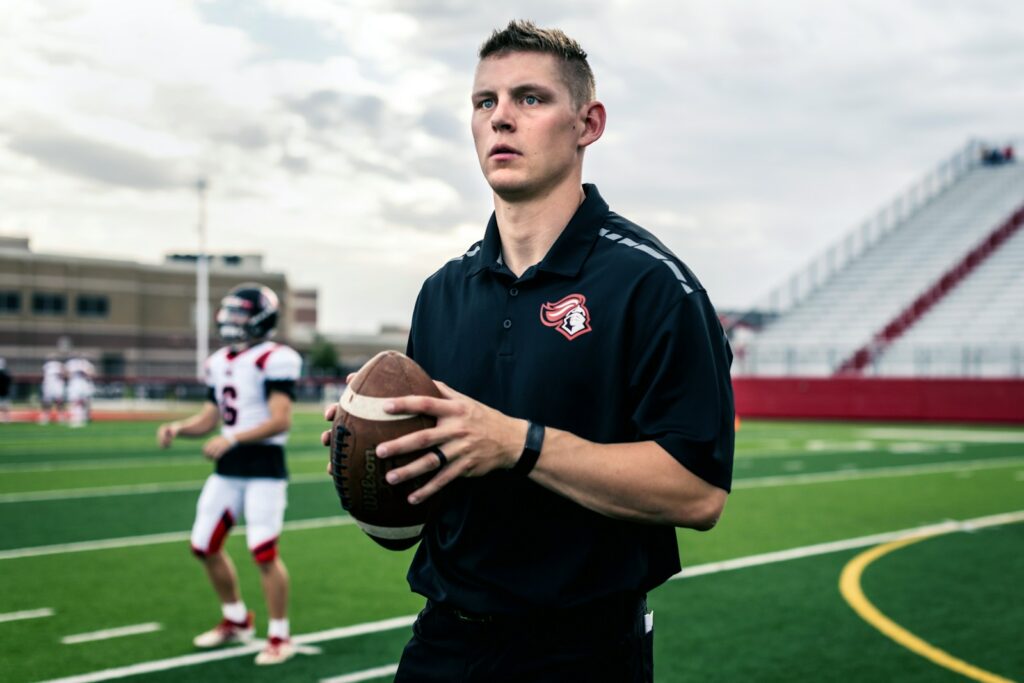
Let’s get real for a moment. The world of college athletics has been turned upside down, and if you need any more evidence, just take a look at what’s happening in Columbus, Ohio. This NIL era is not some minor, modest adjustment; it’s tectonic, and the aftershocks are playing out in real life. One of the clearest manifestations is unfolding inside the Ohio State Buckeyes football program, where the race to become the next starting quarterback has taken an unexpected turn.
With C.J. Stroud now throwing passes for the Houston Texans as the No. 2 overall pick in the NFL Draft, a giant question has hovered over Ohio State’s offense. Who steps in next? The offseason has been filled with some pretty fierce competition-most notably between Kyle McCord and Devin Brown. It’s the kind of quarterback battle that keeps fans locked in long before the season kicks off.
While the official decision hasn’t been made, one contender is already living like a franchise quarterback. A former five-star recruit, Kyle McCord spoke volumes without saying a word. He flashed a brand-new Mercedes-Benz, and just like that, the tenor of the quarterback competition changed. That one photo meant more than any practice report will.
1. A Statement Beyond the Field
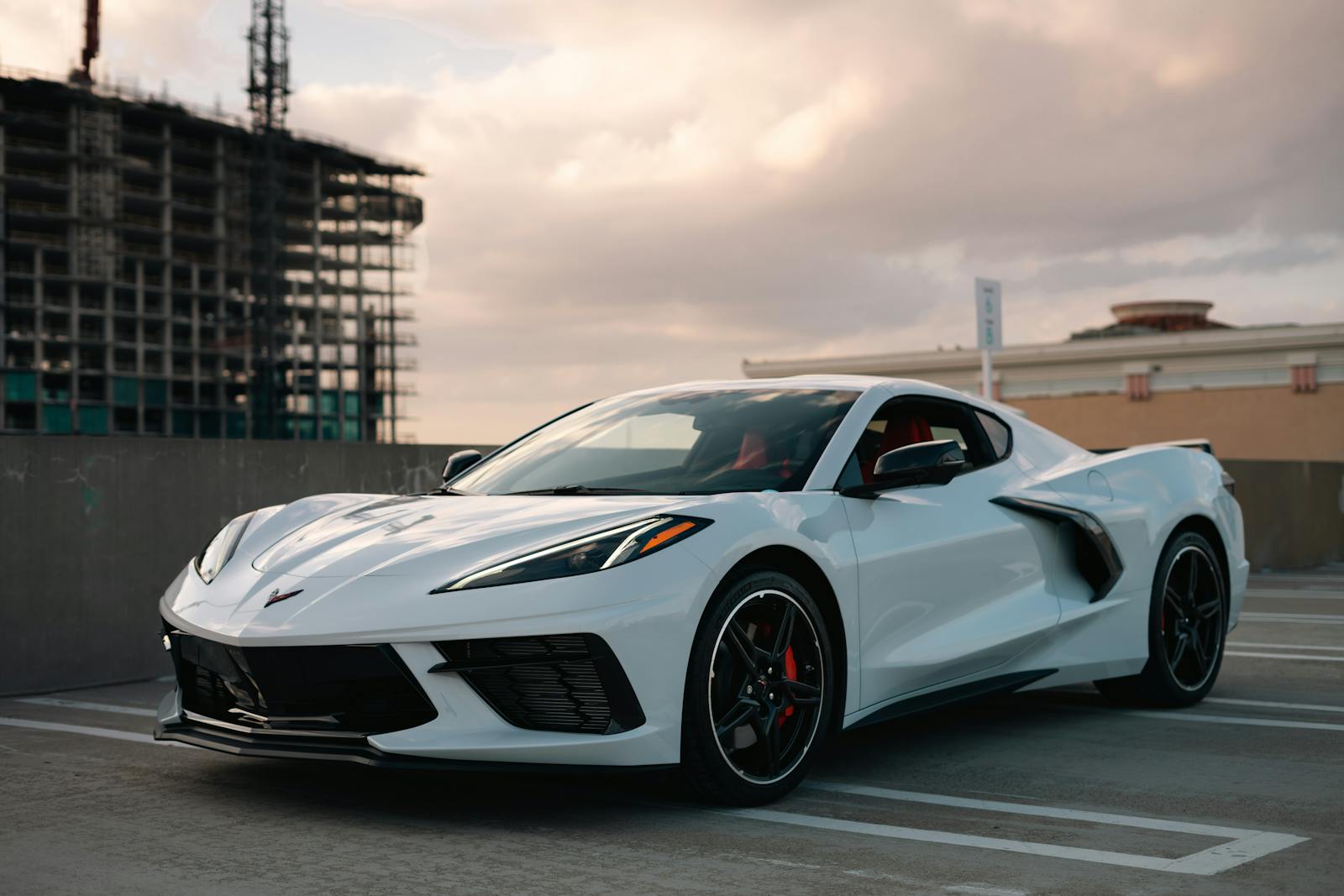
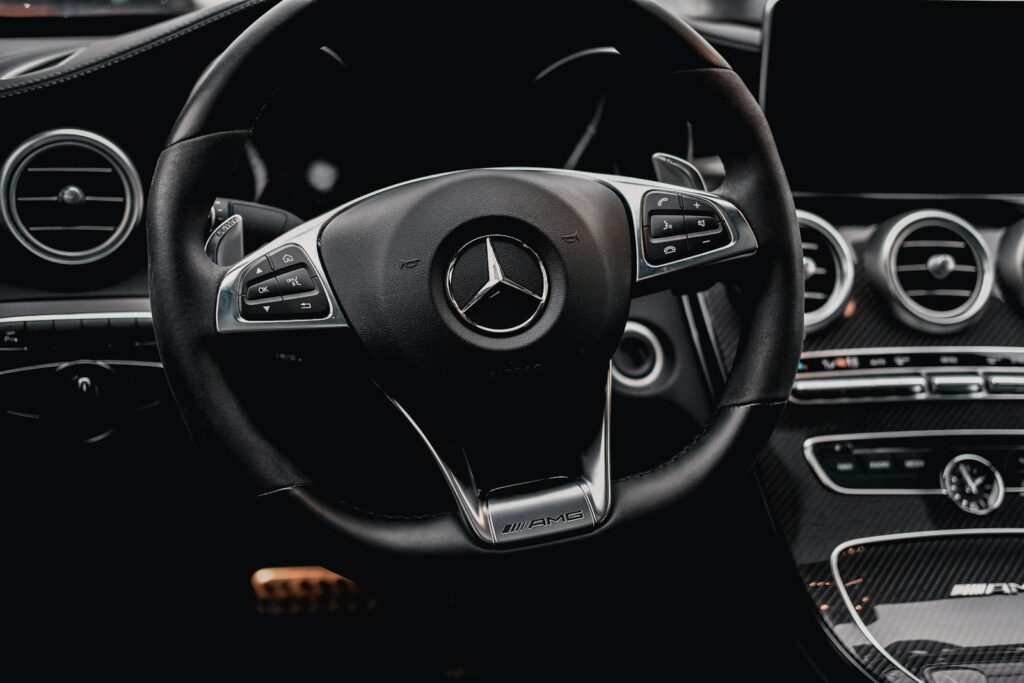
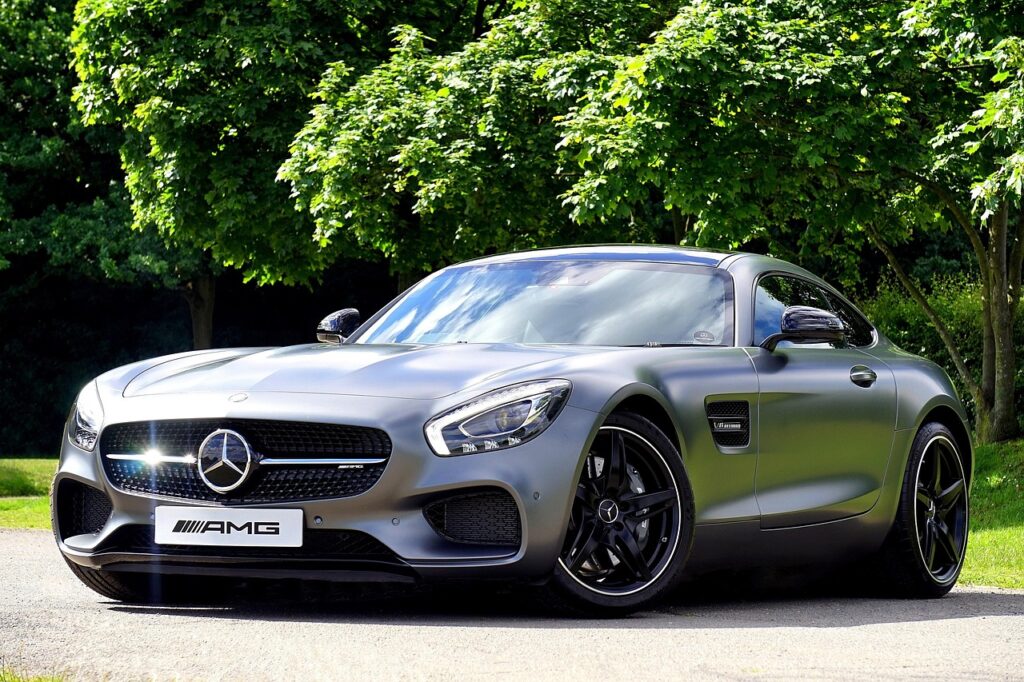
This wasn’t just some ordinary luxury car. McCord unveiled a 2023 Mercedes-Benz AMG GT 53, putting a picture of the sleek machine on his Instagram story. It went viral in no time, with fans from across the college football landscape taking notice. According to Car and Driver, the model begins at $93,550, and it has been labeled as “the great white shark of luxury performance sedans.” And for a 20-year-old who still hasn’t been named the starter, the message wasn’t exactly hard to decipher.
The car itself – more than a symbol of comfort or style – represents how dramatically different the landscape of college athletics has become. A decade ago, something like this would have called for an investigation. Today, it is a legitimate business product of NIL opportunities.
So how does a college quarterback, who is still fighting for a starting job, come to be driving a vehicle comparable in value to that of many homes? The answer lies directly in the NIL era. McCord got the car through a deal with Mark Wahlberg Chevrolet, a dealership owned by the Hollywood actor. The deal serves as just another example of how deeply NIL has bled into mainstream business.
2. How NIL Partnerships Actually Work
McCord’s Instagram post was very simple and understated. The 24-hour story showed the car with a brief message to thank the dealership. There had been no flashy caption or over-the-top promotion-just a subtle acknowledgment of the partnership. The understatedness of the post was highly contrasting to the magnitude of the deal itself.
The deal instantly elevated McCord’s On3 NIL Valuation to $134,000, slotting him among the top 500 college athletes in the country. This wasn’t some mini endorsement or minor side deal. It made for the largest NIL deal of his career to date, illustrating that established stardom is no longer the only route to real brand value.
What makes this partnership particularly interesting, however, is how Wahlberg Chevrolet approaches such agreements.
- Family involvement is required.
The general manager of the dealership, Brian Gilmore, explained that this dealership is all about relationships, not exposure. They bring the families in early to make sure things are transparent and that trust is established upfront.
- Selectivity counts
They don’t work with every athlete. They select players carefully and try to keep close relations at a personal level, not just a transactional one.
- Long-term relationships over short-term hype
As Gilmore recapped, these partnerships are positioned for the long haul, not just a one-hit wonder viral spot. This approach minimizes risks and brings order to what might otherwise seem a chaotic marketplace.
3. A Proven Blueprint at Ohio State
McCord isn’t the first Buckeye to benefit from this strategy. Wide receiver Marvin Harrison Jr. signed with Wahlberg Chevrolet earlier, and the impact on his brand has been significant. His social media following has climbed past 203,000 followers as he enters his third season. Though McCord’s online presence is smaller for now, a strong season could quickly change that trajectory.
Despite the luxury and attention, one major reality remains. McCord is still competing for the starting quarterback role. Devin Brown remains very much in the conversation, and a final call has yet to be made by coaches. The fact that this uncertainty didn’t slow NIL interest speaks volumes about how potential is now valued alongside of performance.
4. The Pressure That Is the Spotlight
McCord joined Ohio State as a five-star recruit with huge expectations, but his college career is still in its infancy. He enters a quarterback position that has previously been occupied by names such as Dwayne Haskins, Justin Fields, and C.J. Stroud. The expectation level at Ohio State is rather high. Quarterbacks are expected to contend for Big Ten titles, College Football Playoff appearances, and maybe even Heisman consideration. Every performance is put under the hot microscope of scrutiny. The spotlight on him comes with great opportunity and a ton of pressure.
Highlight Pressures
- Five-star recruit expectations
- Following notable predecessors
- The performance required in championship is
- Heisman consideration pressure
- Constant scrutiny by the public
- Luxury symbolic goods
The almost $100,000 car outside his house serves for more than transportation-it symbolizes faith in his talent and potential future. But on the other hand, it also magnifies the pressure he is under. Every throw, decision, and game becomes magnified in the public eye. The fans, media, and coaches will scrutinize his every more. Successes and mistakes alike are magnified to a greater extent compared with others. A combination of opportunity and visibility provides a very demanding setting for a developing athlete. McCord has to get through personal growth and high expectations of people around him at the same time.
5. How Far the Game Has Come
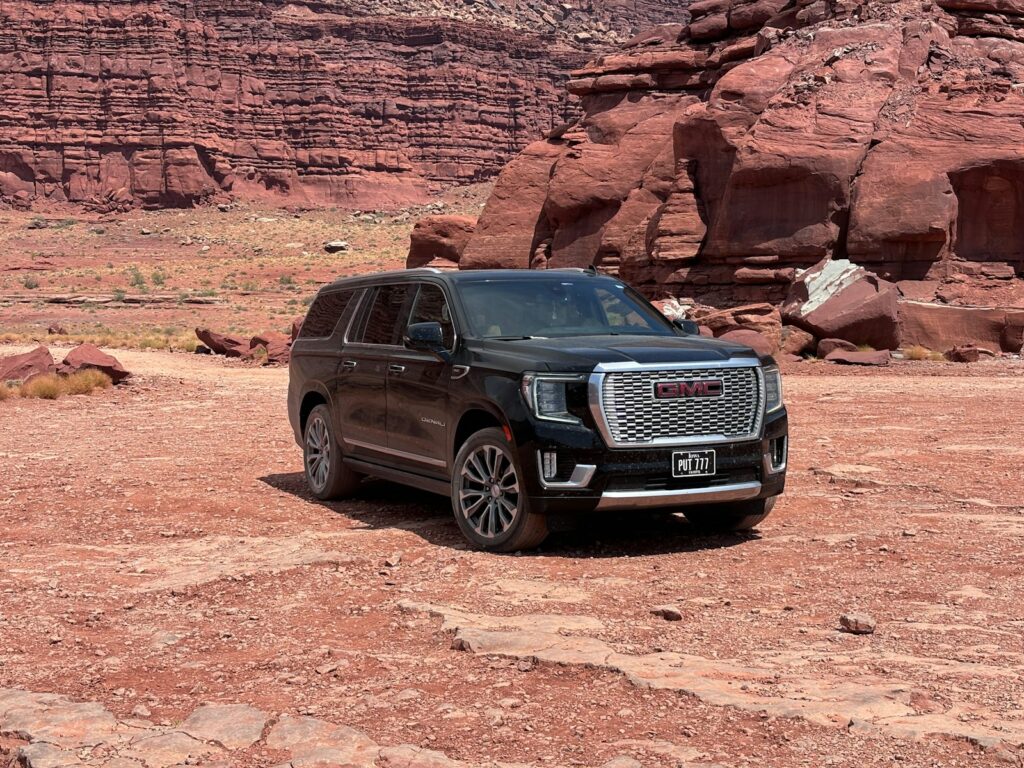
To appreciate just how remarkable this moment is, it helps to look backward. In 2011, Ohio State quarterback Terrelle Pryor became the focus of an NCAA investigation for receiving improper benefits. Among those benefits were access to certain vehicles, including a GMC Yukon Denali and a test drive in a Dodge Challenger. The latter was rejected because it was considered too high-profile.
That investigation brought serious repercussions to the program. Fast forward just over a decade, and a quarterback that might not even start Week 1 is legally driving a Mercedes-Benz worth nearly six figures. The dichotomy between the two situations is staggering. What used to be punishable is celebrated now as smart business.

6. NIL Didn’t Originate With McCord
Even McCord’s immediate predecessor set a towering standard. During his time at Ohio State, C.J. Stroud was in partnership with Sarchione Auto Gallery and drove vehicles valued well over more than $100,000. His deal means that he can change cars every 45 days, moving from a $150,000 Bentley Bentayga to a $200,000 Mercedes G-Wagen.
Ryan Burton, general manager at Sarchione Auto Gallery, said the decision to partner with Stroud was an easy one. To have elite talent associated with the brand provided immediate value, and a deal came together quickly once it was clear that there was interest from Stroud’s side.
This context is important to note. McCord’s deal may seem shocking, but it comes within an ecosystem where elite programs like Ohio State are deep into high-value NIL partnerships. Defensive end Jack Sawyer, a known starter, does as well with Wahlberg Chevrolet. The money now runs deep.
7. College Football’s New Reality
And, as if prophesied, the internet began frothing over with opinions when news broke of McCord’s Mercedes. Reactions ran the gamut, with some seeing it as a positive step toward a more equitable future and others as the final nail in the coffin of traditional amateurism. Regardless of perspective, one thing is for certain: the money game has changed for college athletes. The worth of your brand and perceived potential now pay dividends long before a player enters the NFL. This, at its root, represents a fundamental shift in the economics of collegiate athletics.
Shifting Landscape of College Football
- Social media reactions
- Debate on amateurism revived
- Early financial rewards
- Brand value monetizing
- Sports market adaptation
- Player benefits rise
In the event of this, one may consider that the ways in which biblical texts functioned ritually in specific cultural environments varied and were contextual. McCord’s contract is representative of a decade of changing college athletics. Things that once spurred investigations are now headlines for reasons wholly different. The rules changed, and the market accounted for player value. With fall camp approaching, the quarterback competition has yet to be decided. Whether McCord wins the job or Devin Brown takes it, the message is clear. College football has become a new world, one in which player leverage and market value result in earthly rewards. For Ohio State quarterbacks, the path now includes three tiers of luxury-whirlybirds-and an outward sign of how different it all is.