

Pontiac’s Banshee: The Corvette Rival GM Canceled Before Production
The 1960s were an important time for the American car industry. This was when companies like General Motors had to deal with a lot of competition and it was not about selling cars it was personal. General Motors had different divisions, like Chevrolet and these divisions were all trying to get attention and sell cars. Chevrolet was doing well but other companies, like Ford were starting to cause problems for them.
Ford came out with the Ford Mustang. It was a big hit. People loved the Mustang because it was fast looked good and was affordable. This made other companies realize that they had to make cars that were also fast looked good and were affordable. The Ford Mustang changed what people wanted in a car. This caused a lot of excitement in the industry. General Motors had to think about what they were doing and how they could compete with the Mustang.
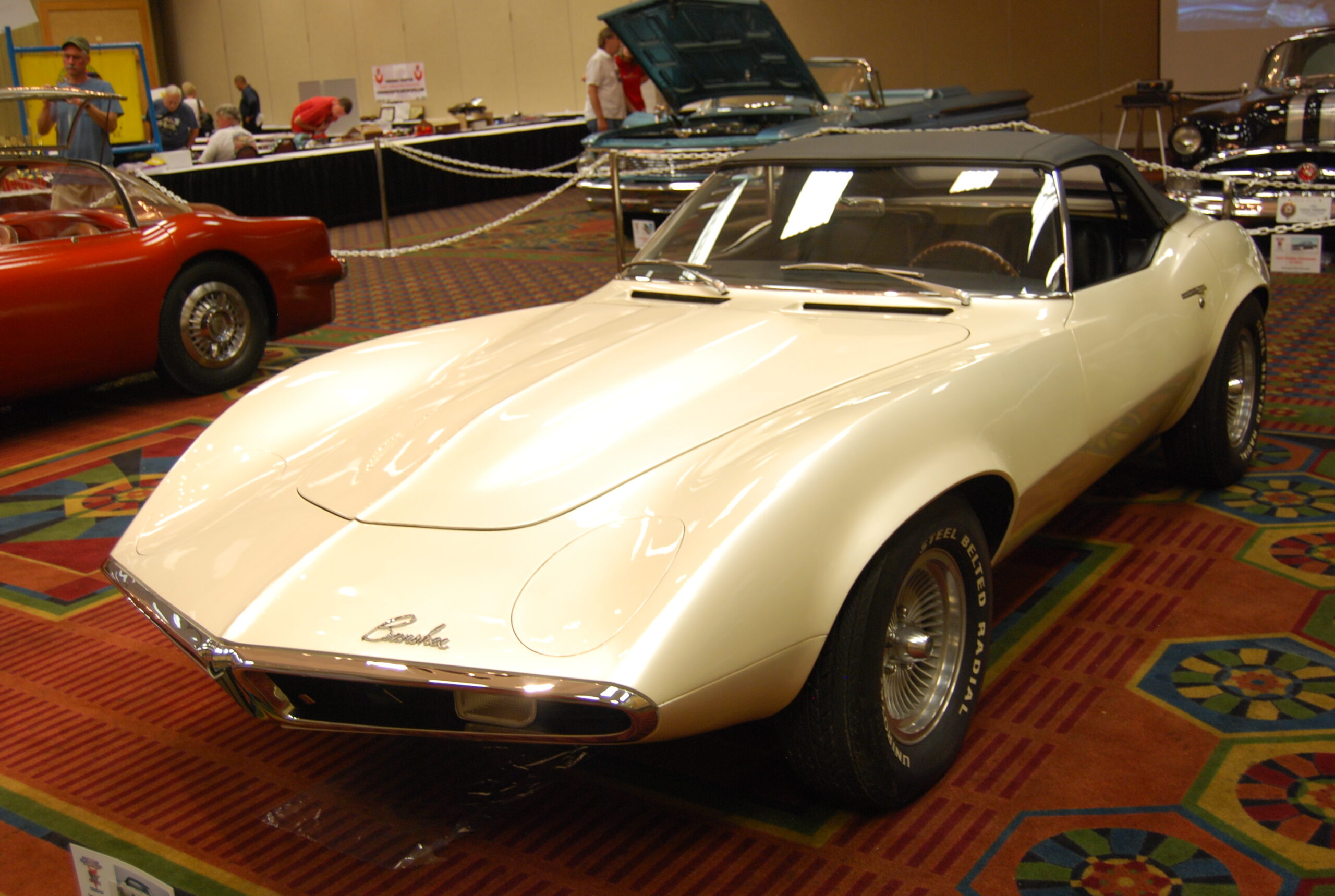
This was a time when people were thinking about exciting ideas. One of these ideas was a car called the XP-833, which became known as the Banshee. The Banshee was a car that could have been really big for Pontiac. It was an idea and it showed that the people at Pontiac were willing to take risks and try new things. Even though the Banshee was a great idea it never actually got made. This is an interesting story and it makes you wonder what would have happened if the Banshee had been built. The Banshee is still talked about today. It is considered one of the most interesting “what if” stories, in the history of cars.
1. The Birth of an Idea
The idea behind the XP-833 did not come out of nowhere. It was the result of Pontiac changing what they wanted to achieve. They wanted to be more than a regular car brand. They wanted to make sports cars that people would love to drive. The goal was to make a car that was fun to drive but easy to use every day. This balance between being fast and being useful was the idea. Pontiac did not just want to make a car. They wanted to change what people thought an American sports car could be.
Key Idea Behind the XP-833 Vision:
- Expanding what Pontiac usually made
- Entering the sports car market
- Making a car that was both fast and useful
- Creating an image for Pontiac
- Focusing on making driving fun for everyone
At that time the car industry was trying things. Sports cars were becoming popular. Car makers in the US were trying to get peoples attention. Pontiac saw a chance to make something. The XP-833 was their response. It was not another sports car. It had its personality.
What made this project special was the people leading it. The Pontiac team believed in trying things. They wanted to show what Pontiacs engineers could do. They wanted to make a car that was new and also felt like a Pontiac. This mix of goals, creativity and smart planning made the XP-833 more, than just an idea. It was what Pontiac wanted to be.
2. John DeLorean’s Vision
John DeLorean was the man, behind this project. He was known for doing things in the car world. He thought cars should make people feel something not get them from point A to point B. He wanted cars that were exciting looked great and stood out from the rest. This way of thinking drove the creation of the XP-833. What made it special.
The Reasons Behind DeLorean’s Approach:
- He wanted to try things in car design
- He aimed to make driving feel more emotional
- He focused on building a car with an identity
- He prioritized ideas and being original
- He led with confidence and a clear vision
John DeLorean knew Pontiac needed something exciting. The XP-833 was meant to be a showstopper. A car that would prove what Pontiac could do and attract a kind of driver. By mixing performance, style and innovation he hoped to create a car that felt real and thrilling.
His leadership gave the project energy and direction. What started as an idea quickly took off and became a serious project. The team working on the XP-833 shared his excitement and willingness to take risks, which helped move the project even when things got tough.
3. Designing the XP-833
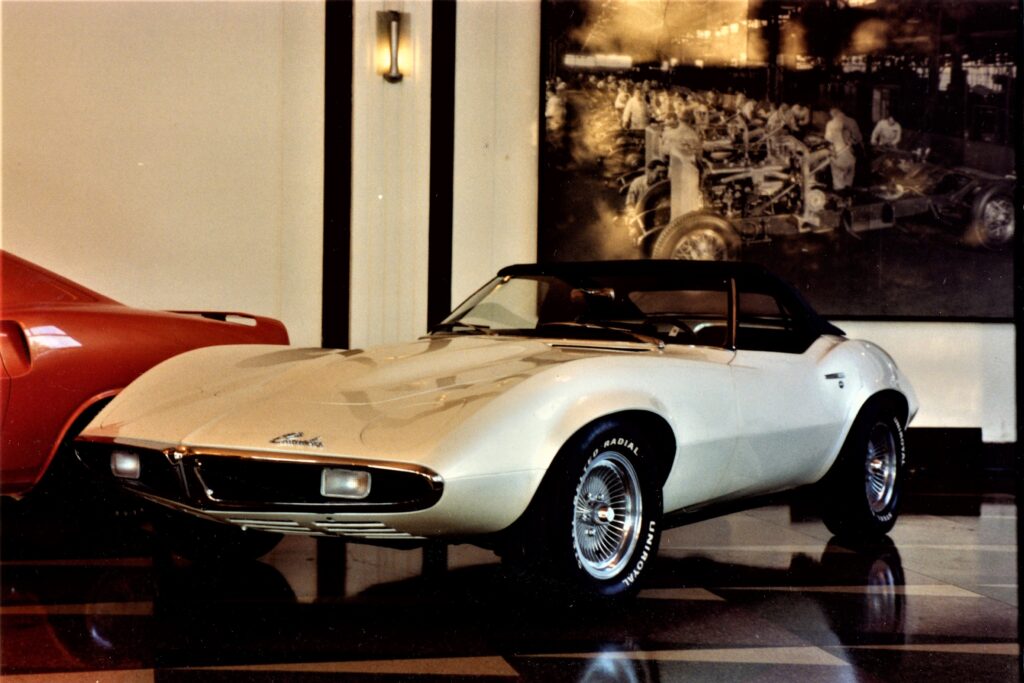
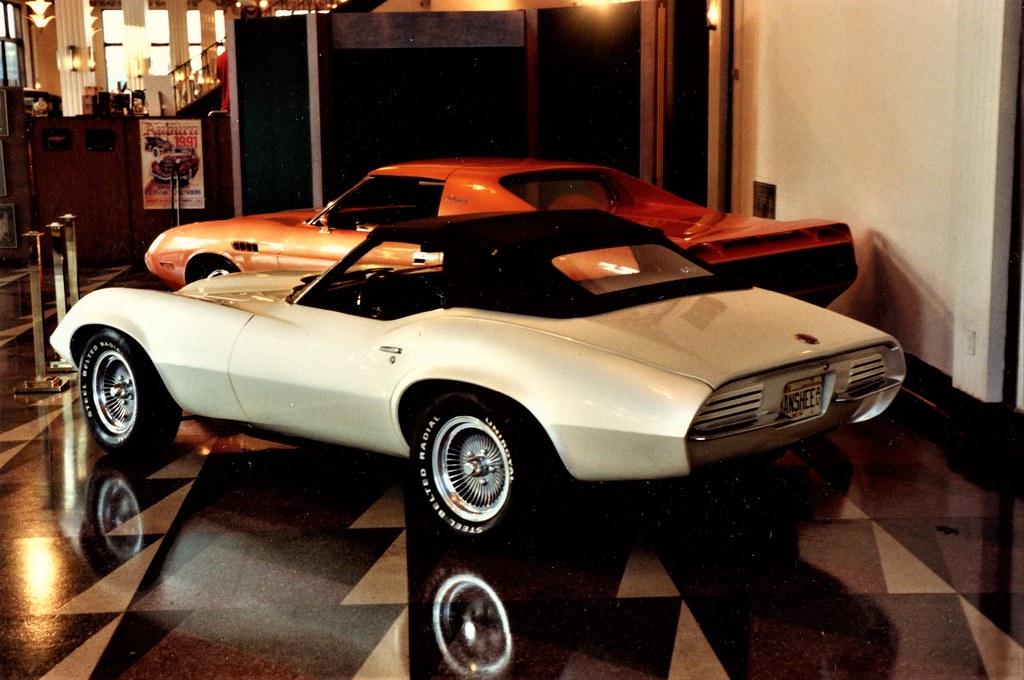
The XP-833 design is a mix of old and new. It has the hood and short back that people like in a sports car. This makes it look good. It is good for performance. The body is made of fiberglass which is a modern idea. This helps the car stand out. It is also good for how it handles on the road.
Key things about the XP-833 design:
- Long, Short back
- Lightweight fiberglass body
- It is low to the ground. Looks aggressive
- It looks like a car but also modern
- It really catches your eye when you see it on the road
The way the XP-833 looks is not about how it appears. It is, about what it says. The XP-833 looks bold and confident. It does not look like cars. Its low stance and sharp lines make it look like a car that can perform well. This is what Pontiac was going for.
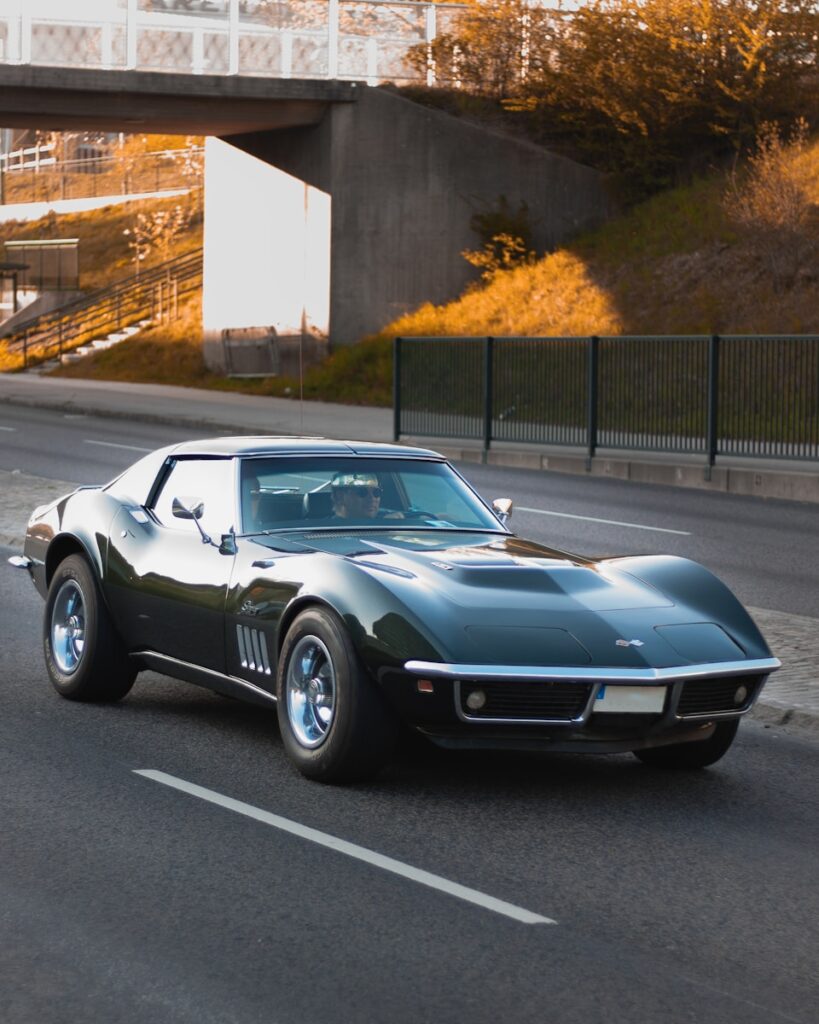
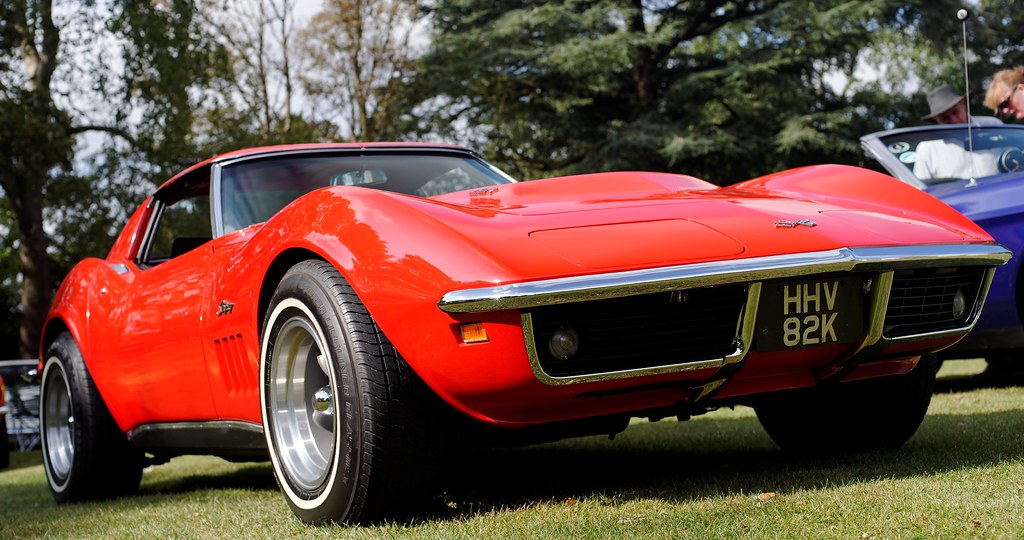
When people saw the XP-833 they immediately thought of the Chevrolet Corvette. The Corvette is a known car. People started comparing the XP-833 to the Corvette. This would later affect what happened to the XP-833 project at General Motors.
4. Engineering with Purpose
When you look at the XP-833 it is clear that the people who made it wanted to make something that’s useful and easy to use. They did not add a lot of things that were not needed. The engineering team chose to use solutions that worked well and did not cost too much. This way the XP-833 can be used by people. It is still fun to drive.
Core Engineering Approach and Strategy:
- Balanced performance and cost efficiency
- Use of hybrid structural frame
- Reliable components from existing platforms
- Focus on simplicity and durability
- Practical engineering with clear purpose
The special frame of the XP-833 was very important. It made the car strong, without making it too heavy or complicated. The team used parts from cars that they knew were good. This made the car reliable. It did not take too long to make.
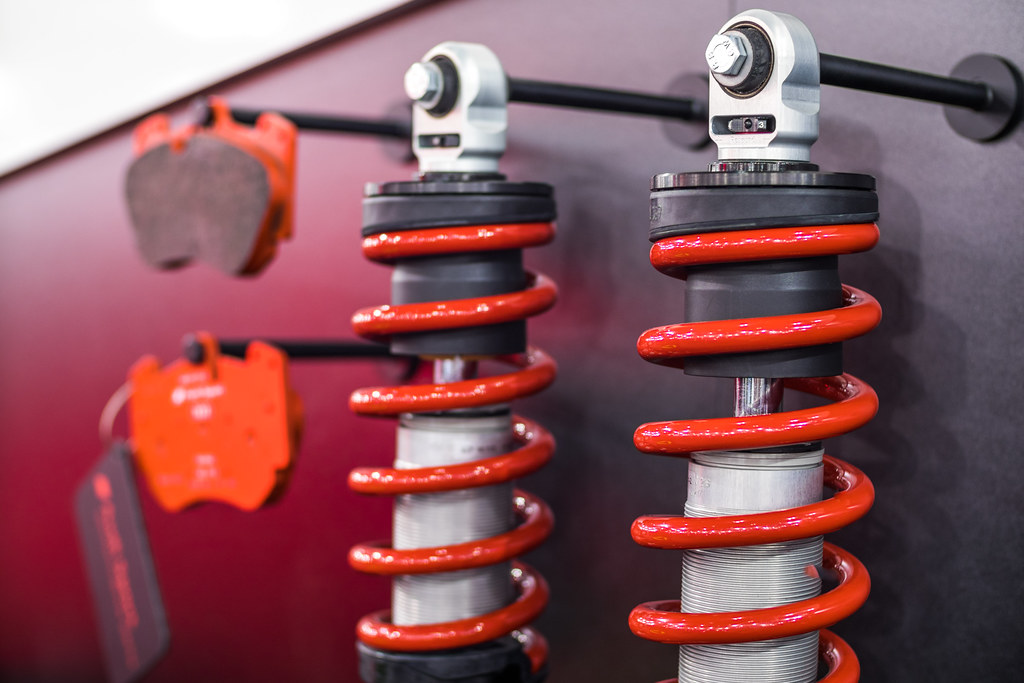
The suspension system of the XP-833 was also well made. It was not just made to look good it was made to work on real roads. The team made sure it could handle bumps and turns and that the driver would feel safe. This made the XP-833 a real car that can be driven every day not a idea.

5. Performance Potential
The XP-833 was made to do more than just look good. It was built to perform well. The XP-833 has a body that’s great, for moving quickly and easily. This makes the XP-833 a lot of fun to drive. People who like cars that’re exciting and responsive will really like the XP-833. The XP-833 is very exciting because it is much fun to drive.
Highlights of Performance Capabilities:
- Lightweight build for agility
- Responsive and engaging driving dynamics
- Multiple engine options planned
- Balance between power and efficiency
- Broad appeal across driver segments
The people who made the XP-833 thought about engine options so the XP-833 could be enjoyed by many kinds of drivers. The basic XP-833 model is a balance of price and performance. The powerful XP-833 models are for people who want a really exciting driving experience.
This means the XP-833 is a car that can be enjoyed by people. The XP-833 is not just for people who love speed. It is also, for people who just want a fun and nice car to drive every day. The XP-833 is a choice because it is fun and stylish but it is also practical.
6. Internal Competition Concerns
The XP-833 was getting closer to being real. That made people at General Motors worried. The XP-833 was similar to the Corvette. That caused problems because General Motors did not want to make a car that would compete with the Corvette. General Motors was careful about making cars that could take attention away from the Corvette. The XP-833 and the Corvette had goals and that was a big concern for General Motors. General Motors did not want the XP-833 to split the market and take sales away, from the Corvette.
Reasons Behind Internal Concerns:
- Similar standing to Corvette model
- Risk of overlapping customer base
- Threat to established brand hierarchy
- Concerns about market confusion
- Protecting flagship performance identity
The Corvette was more than another car in GMs lineup. It represented the brands performance history. Any new model that seemed to challenge its spot was going to face close examination from leaders. The XP-833 had potential. General Motors had to weigh that against its impact, on the Corvette and the rest of its lineup.
This situation made it hard for the XP-833 to move forward. With its new ideas and possibilities it started to be seen as a possible threat to the companys internal stability instead of a clear chance for growth. The XP-833 and Corvette were two models that General Motors had to balance.
7. The Decision to Cancel
By the middle of 1965, the XP-833 project had reached an advanced stage of development. The design was refined, engineering challenges had been addressed, and the car was close to becoming a production reality. It represented years of effort, creativity, and collaboration from the team behind it.
Factors Leading to Project Cancellation:
- Concerns over brand overlap issues
- Internal resistance within GM leadership
- Protecting Corvette’s market position
- Strategic shift in company priorities
- Fear of internal competition impact
Even though the XP-833 project was doing well the final decision was to stop it. The people in charge at General Motors were worried about how the XP-833 would affect cars like the Corvette and they did not think the XP-833 project was a good idea anymore. This led to the XP-833 project being cancelled before it could be sold.
This was a change for the XP-833 project. The XP-833 project had seemed like an idea, for Pontiac but it was suddenly stopped. The XP-833 concept never got to show what it could do on the road.
8. A Legacy Redirected
The XP-833 never actually made it to production. That was not the end of the XP-833 story. A lot of the ideas and design elements of the XP-833 were used again. Became part of other projects at General Motors. This means the XP-833 had an impact, on things in ways that people did not see coming and the influence of the XP-833 continued.
How the Legacy Was Carried Forward:
- Design elements reused in projects
- Influence on future Corvette models
- Ideas integrated into GM development
- Concept contributions not wasted
- Innovation continued through adaptation
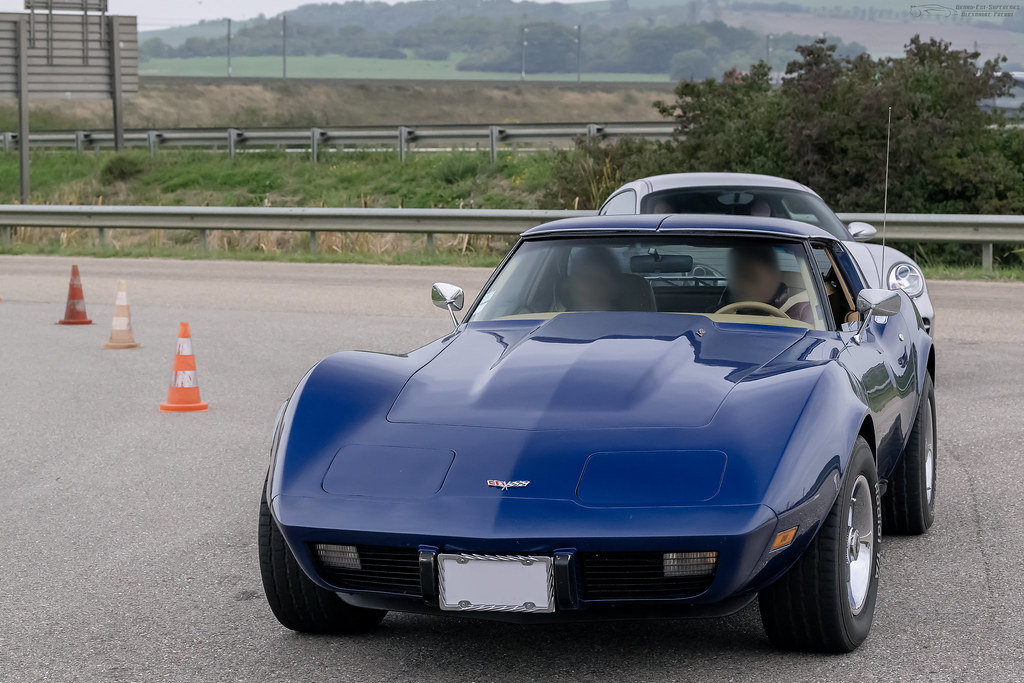
The Corvette is a cool car and it is interesting to see how it came to be. The people who made the XP-833 did a job and some of the things they did were used in the next Corvette. This is a part of how cars are made. People try new things and even if they do not work out they can still help with something else later on.
This shows that when people are working on cars they are always trying to come up with ideas. Even if they stop working on a project the things they learned can still be used to make something better on. The Corvette is an example of this and the people, at GM who work on performance vehicles are always trying to make them better. The XP-833 was a part of this process and it helped shape the direction of the Corvette and other cars like it.
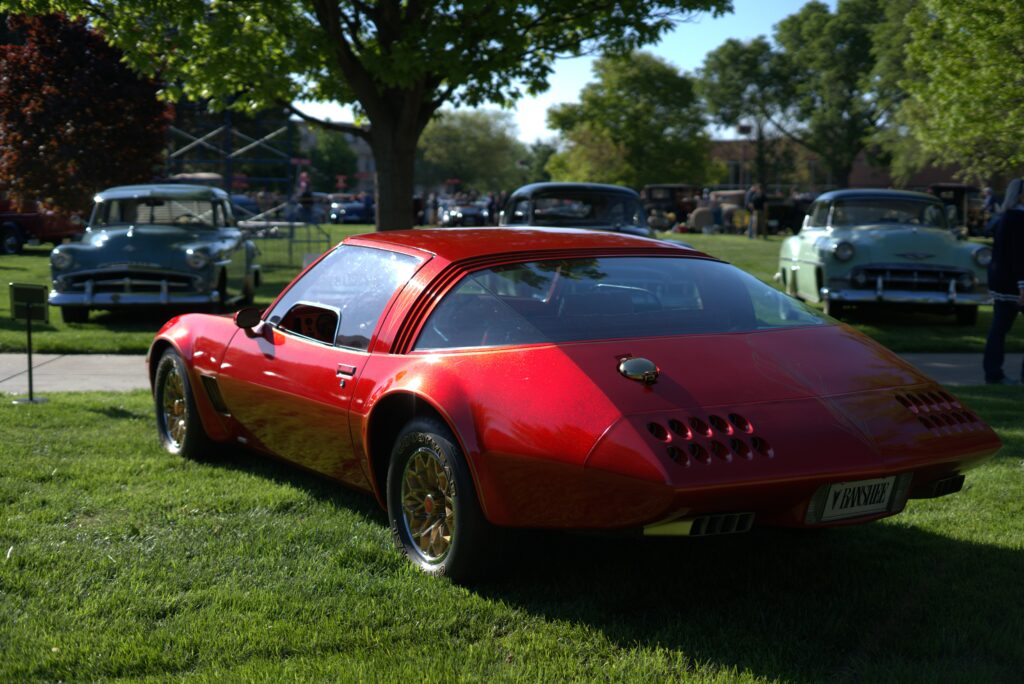
9. The Banshee Name Lives On
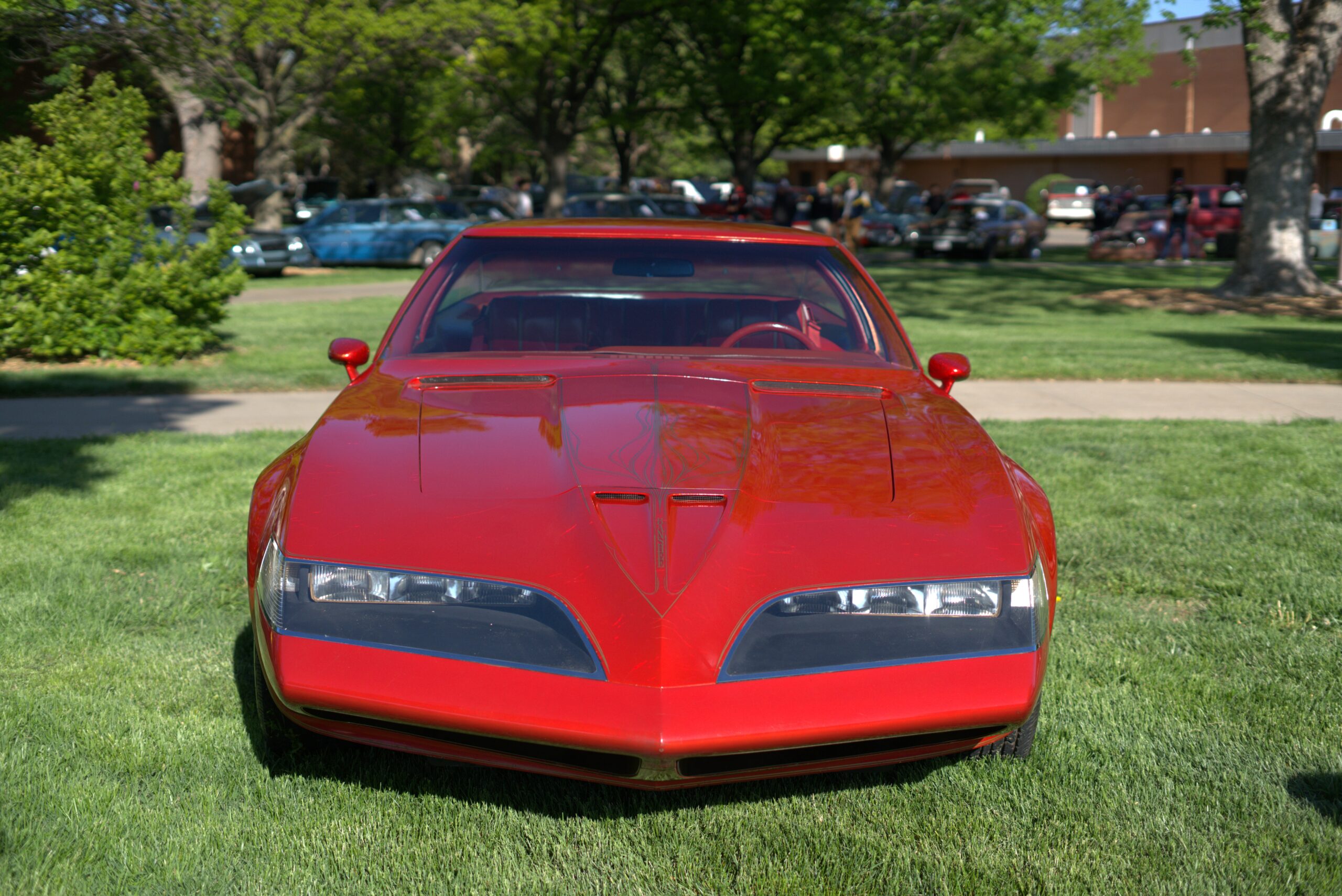
The name Banshee was not connected to the XP-833 at first. Later on the name Banshee became associated with the XP-833 project. This gave the XP-833 project an identity and a new legacy. The name Banshee got really well known over time. Now the name Banshee is linked with Pontiacs ideas and forward thinking concepts. The name Banshee is what people think of when they think of Pontiacs work.
Significance of the Banshee Identity:
- Name added after initial concept
- Symbol of innovation and creativity
- Connected to multiple concept cars
- Represented Pontiac’s bold ambitions
- Evolved beyond a single project
As Pontiac continued to develop new concept vehicles, the Banshee name was reused across different iterations. Each version carried forward the spirit of innovation and experimentation that defined the original XP-833. Eventually, the name became more than just a label it turned into a symbol of what Pontiac could achieve when it embraced bold ideas and creative freedom, reflecting the brand’s untapped potential.
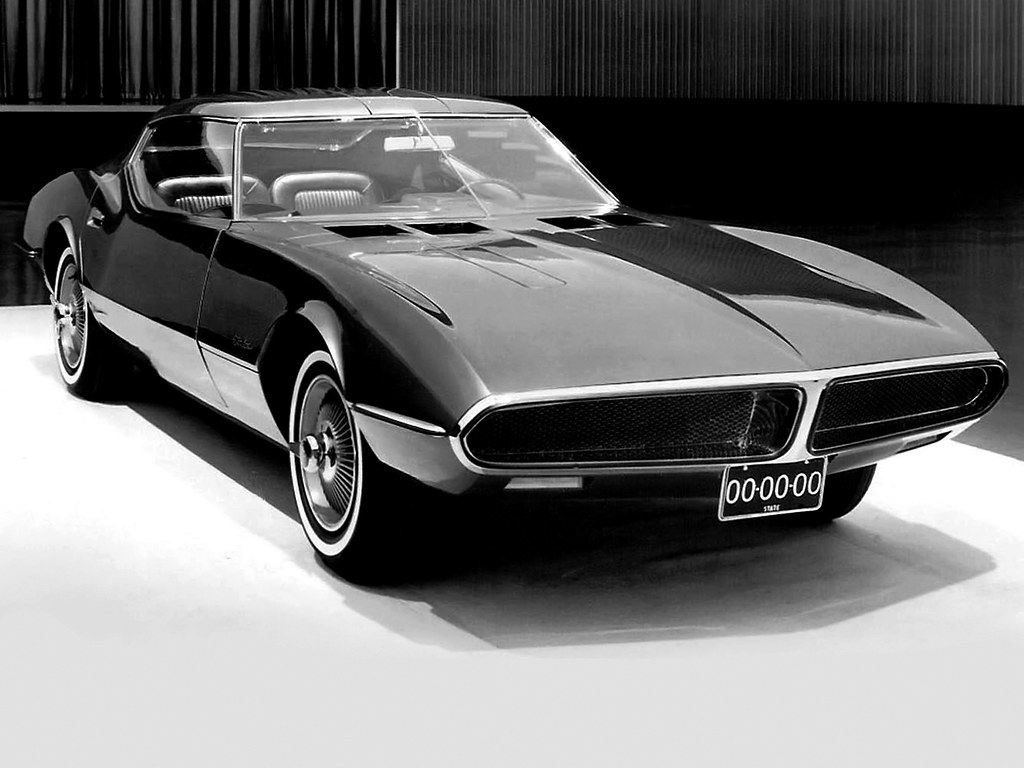
10. Influence on Future Concepts
The later Banshee concepts showed that Pontiac was willing to try out ideas and do things differently. Banshee concepts had a cool look that was way ahead of its time. They made Banshee concepts with aerodynamics and really cool interiors that were not like what people were used to. Banshee concepts were, about trying new things and seeing what would work.
Impact on Future Automotive Design:
- Introduction of advanced design ideas
- Focus on aerodynamic efficiency improvements
- Exploration of futuristic interior concepts
- Influence on production vehicle designs
- Inspiration for broader automotive industry
These concept cars were not just for show. They really changed production models. Many design elements and tech innovations, from these concepts ended up in cars. The impact went beyond Pontiac. The whole car industry took notice of these ideas. It showed that even experimental car projects could have an effect and help shape car design.