

Raptor Lights: The Government Mandate That Became a Truck Fashion Statement
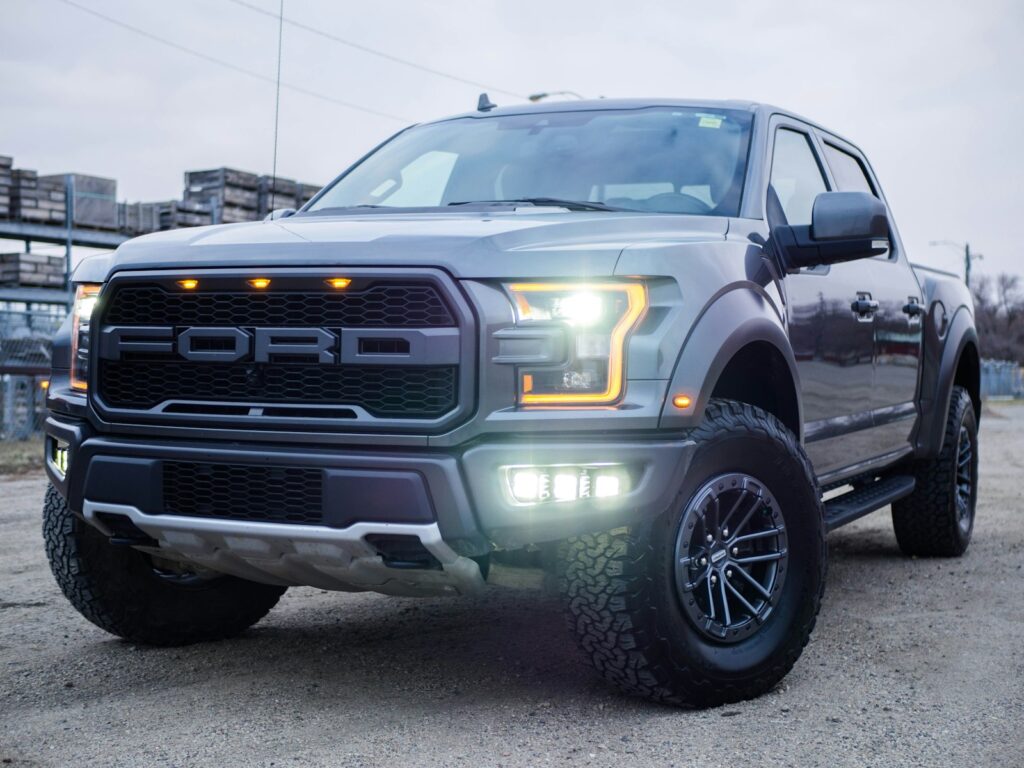
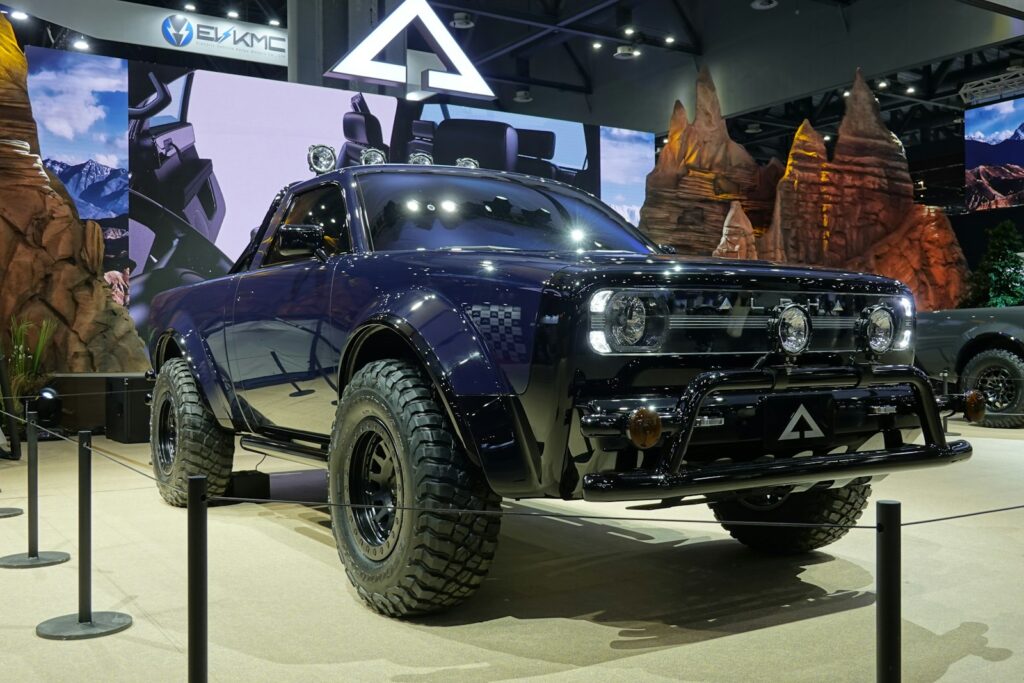
Take a stroll through any parking lot today and you will be in a position to see a common aspect in most of the trucks and SUVs; three small amber lights illuminating the front grille. They particularly appear on vehicles such as the Tacoma, 4Runner and F-150, so that they virtually seem as part of it, as opposed to being an aftermarket addition. To a large number of individuals, these lights have long been a part of the contemporary truck appearance.
The interesting part of this trend is that individuals easily attribute the existence of these lights as a mere decoration. They are as basic as you would find in an upscale trim package such as a sunroof or leather seats. There is nothing to do with their origin, however, which has to do with comfort, luxury or even with the taste in design. The origin of these lights is a far more practical one, that is, government safety regulations.
The legend surrounding these so-called “Raptor lights” is a mash-up of both law and design choices, as well as fan culture. One aspect which began as a legal necessity of oversized vehicles gradually became one of the most recognizable styling trends within the truck industry. What was initially the case in one model has since permeated the brands and redefined the appearance of trucks on the road today.
1. The Truck That Started It All
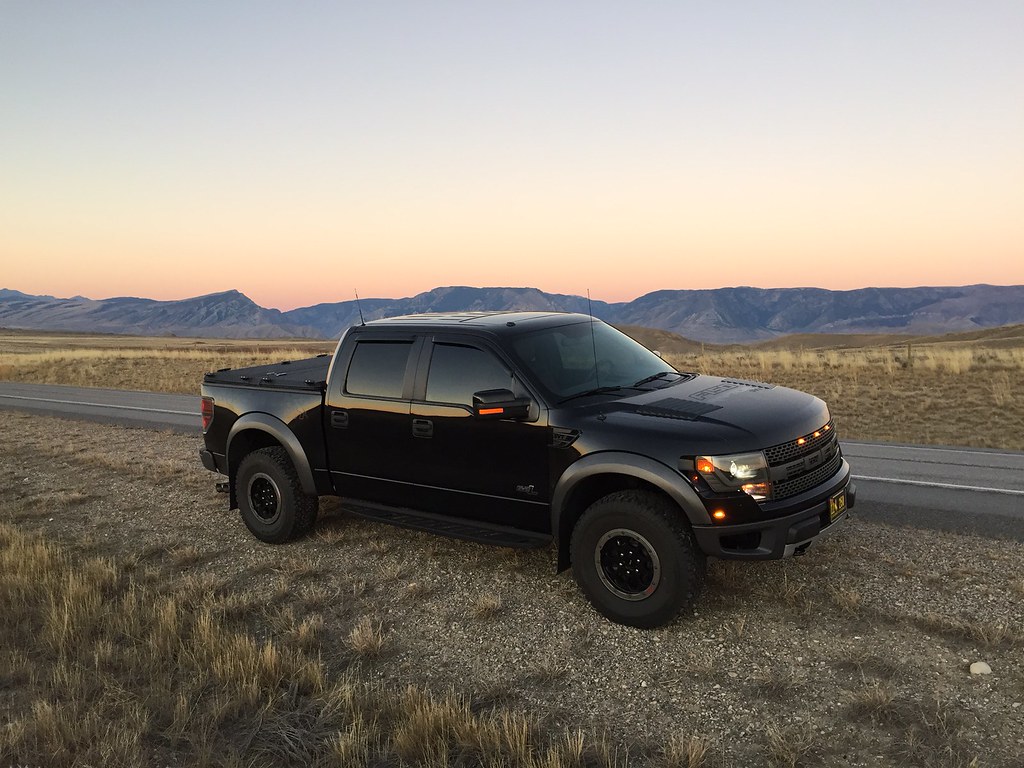
The creation of grille-mounted amber lights can be directly attributed to the release of the Ford F-150 Raptor in 2010 a truck that helped reinvent everything that a pickup could be. It was not constructed as a normal utility car but a high performance off road car that is capable of penetating rough conditions without any complications. Its broader stance, muscular figure and its desert-themed engineering ensured that the car was immediately identifiable both on and off the road. The whole Raptor was an indication of power, strength and a daring spirit that was attractive to fans.
Key Highlights of the Trend:
- The impact of bold design of Raptor
- High off road performance identity
- Light feature iconic amber grille light feature
- Increasing popularity amongst truck owners
- Fashion among pickup fraternity
The three amber lights that were placed in the grille of the Raptor were one of the most unusual features that attracted the eye. These lights were not only aesthetically impressive but they also added to the imposing road presence of the truck. Most people at the time thought that it was just a style decision that help to bring out the aggressive and rough character of the truck. Their position and luminance made the front fascia to look like a signature and the Raptor would be identified by the sight even as far as the eyes can see it.
With the rise in popularity and attention, the design elements of the Raptor started affecting the market in the general trucks. The buyers of other pickup models began to install similar grille lights in order to recreate the same daring and violent appearance. What started as a characteristic feature of the high-performance truck turned out to be a commonplace styling trend.
2. Not a Style Choice, but a Requirement
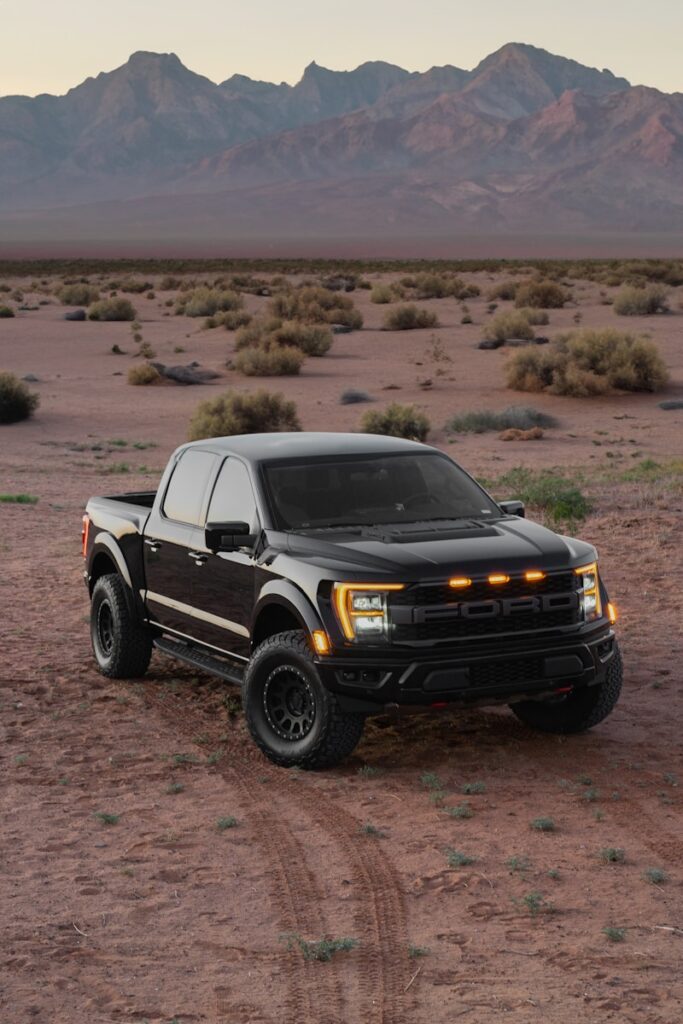
These amber lights, which were mounted on the grille, had been no intended decoration, in spite of their bold and eye-catching appearance. They were not only included on trucks such as the Ford F-150 Raptor because it was decided by design but as the result of federal safety regulations. Automobiles that are wider in size must have certain lighting components included in them to enhance visibility and awareness on the road. This implies that the lights have some functional role which is directly related to safety standards.
The reason such lights are necessary is:
- Wide vehicle federal safety regulations
- Beyond legal size restrictions
- Compulsory visibility lighting
- Commercial vehicle standards classification
- Functional design, not aesthetic design
The width of the first-generation Raptor was more than 86 inches and that exceeded the 80 inch regulatory limit. This categorization automatically exposed it to regulations commonly used on bigger commercial vehicles such as trucks and trailers. This made it such that the addition of identification lights was mandatory and not an option. Such rules are created to make sure that fat cars could be easily spotted, particularly in the situations when the visibility might be minimal, e.g., at night or in bad weather.
The primary goal of such lights is easy and utilitarian in nature as they enable other motorists to notice the dimensions and size of a vehicle. In this way they minimize the possibilities of misjudging on the road, particularly on narrow areas or during dim times. They do not increase the appearance but rather increase the awareness and safety. This difference shows how design in the automotive industry is usually influenced by functionality.
3. Here, the Identification Lamps can be understood in different ways
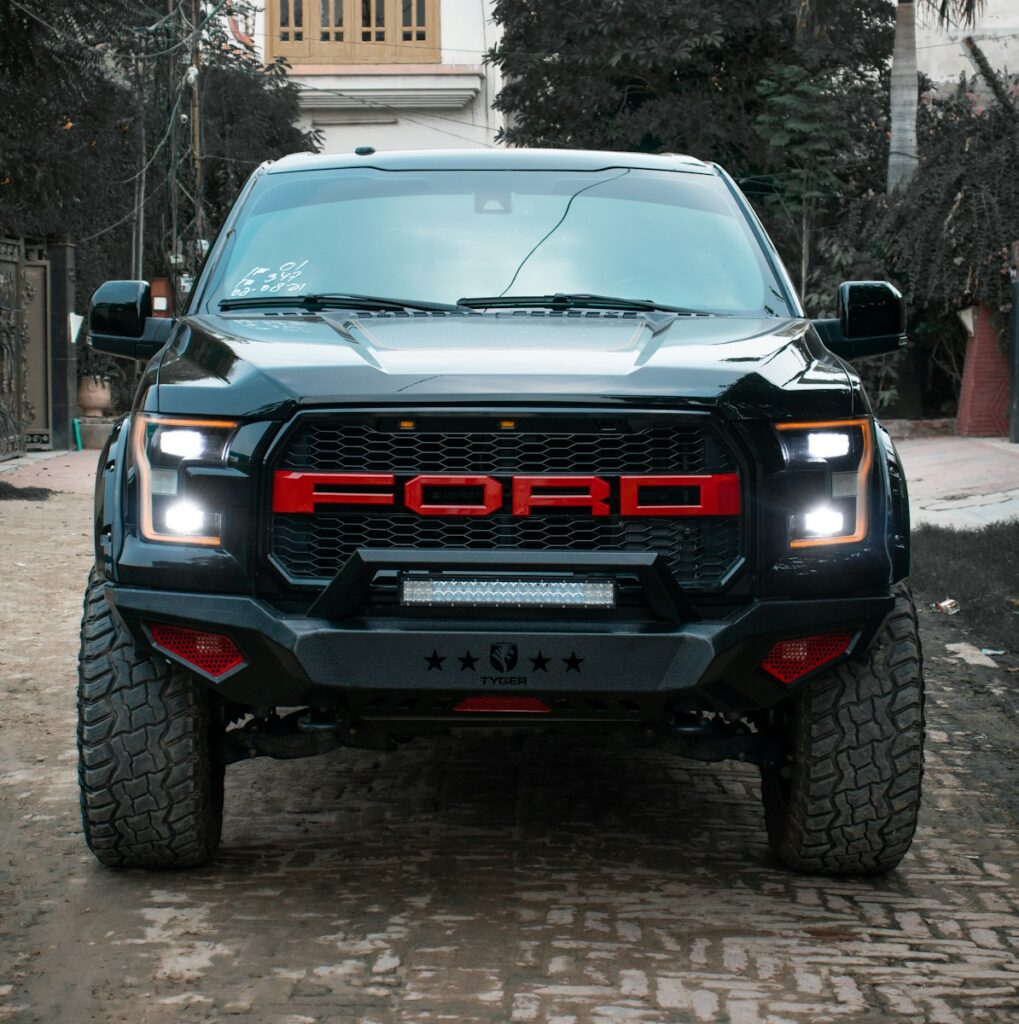
These lights are known as identification lamps and this is their official name which comes directly to what the lights indeed are, not what they look like. Although the terminology might appear technical and boring, it is quite clear what they are in the system of vehicle safety. The design of these lamps is to refer to the presence of wide vehicles and ensure that their presence is evident to other drivers. They are standardized in use, and are consistent with the types of vehicles of different types that fit the same width requirements.
Identification Lamps: Major Characteristics:
- Formally, known as identification lighting lamps
- Located in the top center section
- Amber lights used on front
- Red lights used at rear
- Standardized positions on easy view
The specifications of installation of these lamps are explicit on the successful installation to help maximize effectiveness. Their position ought to be as high as possible on the vehicle and as much as possible to the centerline. Such placement will make the lights readily visible to the observer at a distance, and not to be blocked by any other design feature. Their clarity is further improved by the amber lights used at the front and red lights used at the rear as per the automotive lighting conventions that all drivers are already aware of.
This steady arrangement provides an easy and ready visual cue to other road users. These lights are a signal when viewed in a distance that a larger-than-average vehicle is either coming towards or is already in the vicinity. With this early awareness, the drivers will be able to alter their positions or speed, which improves safety on the road. Essentially, identification lamps are very small and significant to incurring uncertainly and increase awareness in normal driving scenarios.
4. Why Placement Matters
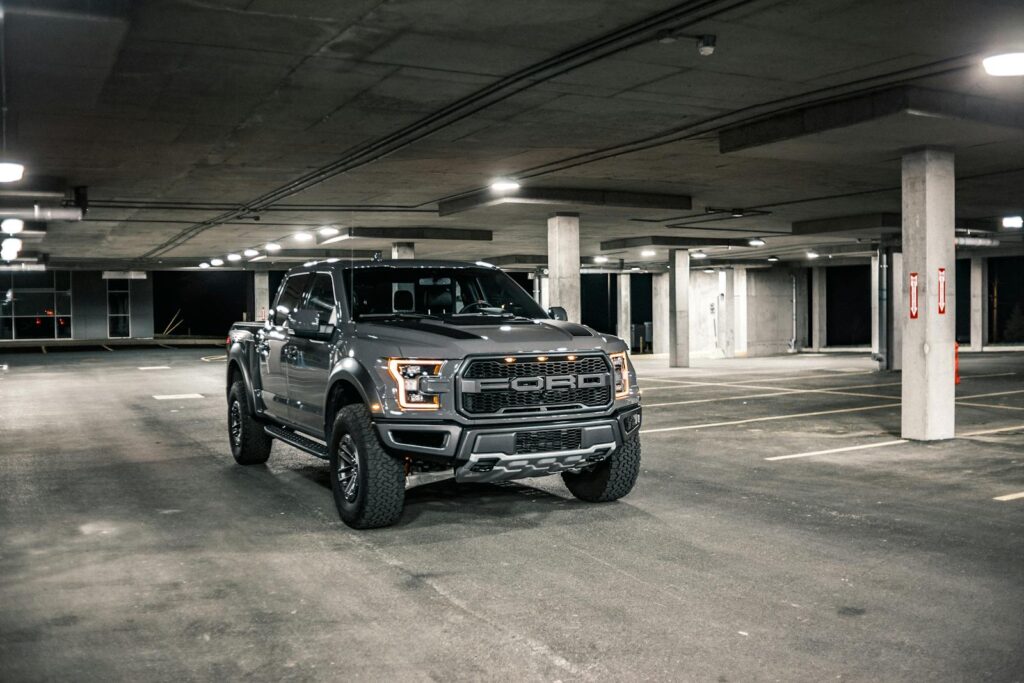
The first thing that can be noticed is the location of the identification lights on the Raptor. Even though these lights are traditionally placed on the roof of most large trucks, the Raptor does things a bit differently and incorporates these lights into the grille itself. Such design decision makes the truck look more aggressive and modern without imposing any visual clutter to the top. It also aids in keeping a cleaner profile, which corresponds to the performance based image of the truck. The positioning is purposeful as it is functional and has a high design statement that will be noticed on the road.
Important Reasons why the lights should be placed there:
- Space rules on lamp positioning are flexible
- Close to top and centerline
- Integration of the grille to make it look cleaner
- Contemporary design that is law-abiding
- Visual emphasis became functional
This was not a chance phenomenon but dictated by the flexibility of the regulations that manufacturers can manipulate the positioning within some limits. The specific positioning may change as long as the lights are close to the top and shot more or less in the centerline. The designers used this provision to evade the old-fashioned roof mounting system.
The lights made in the grille also made them more visually coordinated with the front of the truck. Rather than seeming like an extension, they were a natural extension of the identity of the vehicle. This strategy helped a lot in turning an obligatory way of safety into a symbolic aspect many followers are proud to enjoy and imitate currently.
5. An Existing Feature
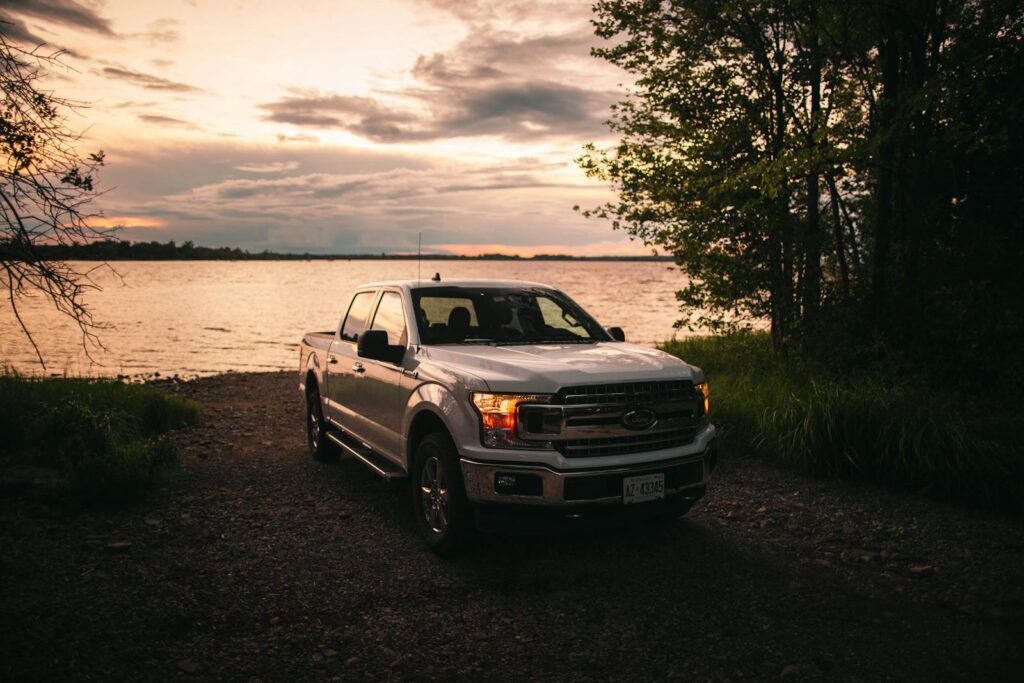
These lights were commonly fitted in heavy duty and commercial vehicles long before the Raptor made them popular. A typical example of the cab lights as they were commonly referred to was the dually pickups and large work trucks which were meant to carry and pull. They were strictly functional, aiding in determining the size and width of a bigger car in the road. During that period, they did not come along with style and personalization. Rather they were considered to be an essential requirement of work oriented machines.
Background of Cab Light Usage:
- Typically found on work trucks with a lot of weight
- Nowadays, they are referred to as cab lights
- Applied to dually pickup vehicles
- Concentrated on a utilitarian objective
- In relation to commercial vehicle category
At that time these lights did not draw much attention of an average motorist or fan. They were merely accessories of the utility-oriented truck design and were hardly altered or customized. They were associated with construction, towing, or industrial application by most people as opposed to personal expression or aesthetics. Their presence was not admired and anticipated.
The Raptor has officially changed this perception by reintroducing the same feature but in a style-oriented and performance-oriented setting. It turned these lights into a work of beauty by combining them into a bright and violent style thus making a part of the house that was initially very practical to be more aesthetic. This perceptional change contributed significantly to their being popular to a larger audience.
6. More Than Just Three Lights
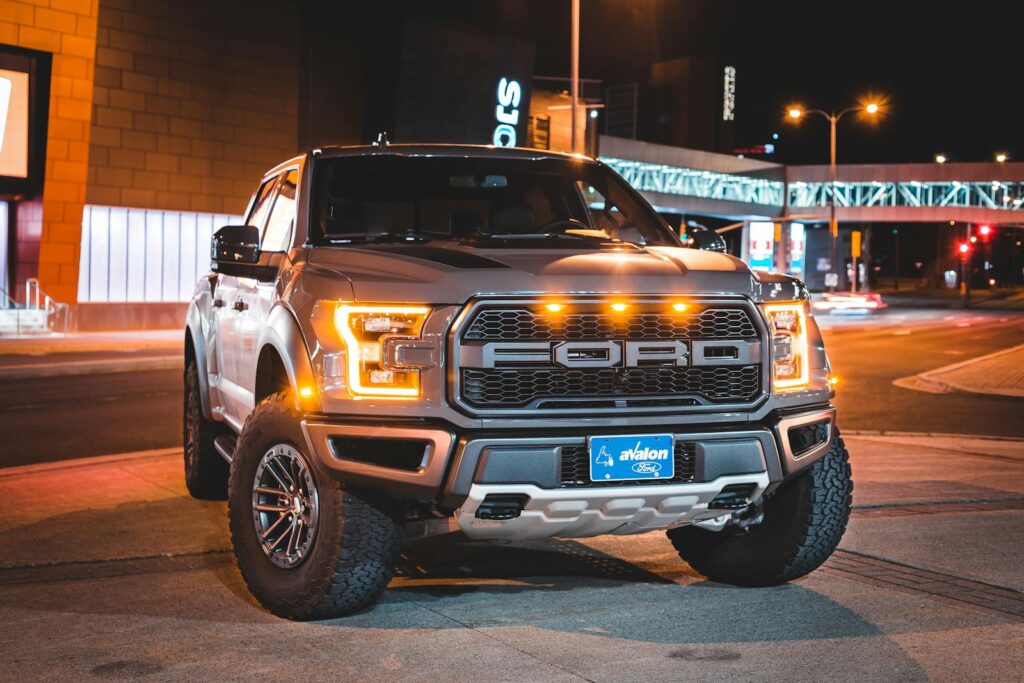
The first thing that people imagine when they think of Raptor-style lighting are the three small amber lights inside the grille. Although this is now the most well known part, the lighting installation is not as straightforward as it may seem. The initial setup has five front identification lights in it and not three. This entire installation is aimed to give a better visual confirmation of the overall width of the vehicle. It is a better depiction of the size of the truck on the road.
Lighting configuration: Full Disclosure:
- Total of five front lights
- Three lights in grille
- Two lights on outer edges
- Broader visual connotation of size
- Full setup often overlooked
The central part of the system is composed of the three grille-mounted lights and it is the most visible part. The extra two lights that are close to the outer edges of the front fenders however, increase the visual width of the vehicle. Collectively, they constitute a harmonious and serviceable pattern of lighting, which is compliant with the regulations. This complete setup will guarantee that the size of the truck is communicated in various angles.
Numerous after-market upgrades make this system more basic by addressing the grille lights only. The main reason is that they are also easier to install and more graphic. Nonetheless, in the process, they tend to lose the full functional design which the original system was expected to offer.
7. Vehicle Width
The main feature at the center of this all is a simple measurement, which is car width. The need of identification lamps depends on the fact whether a vehicle passes the 80-inch mark. This specification alone is very important in determining the necessity of these lights or not. It does not concern style, level of trim or brand. Rather, it is entirely grounded on physical formulations as stipulated by the safety laws.
Factors based on Width Lighting Requirement:
- Regulatory threshold 80 inch wide
- Establishes requirement of identification lamps
- Narrow trucks are below limit
- Bigger trucks have to have the mandatory lighting
- According to mere vehicle size
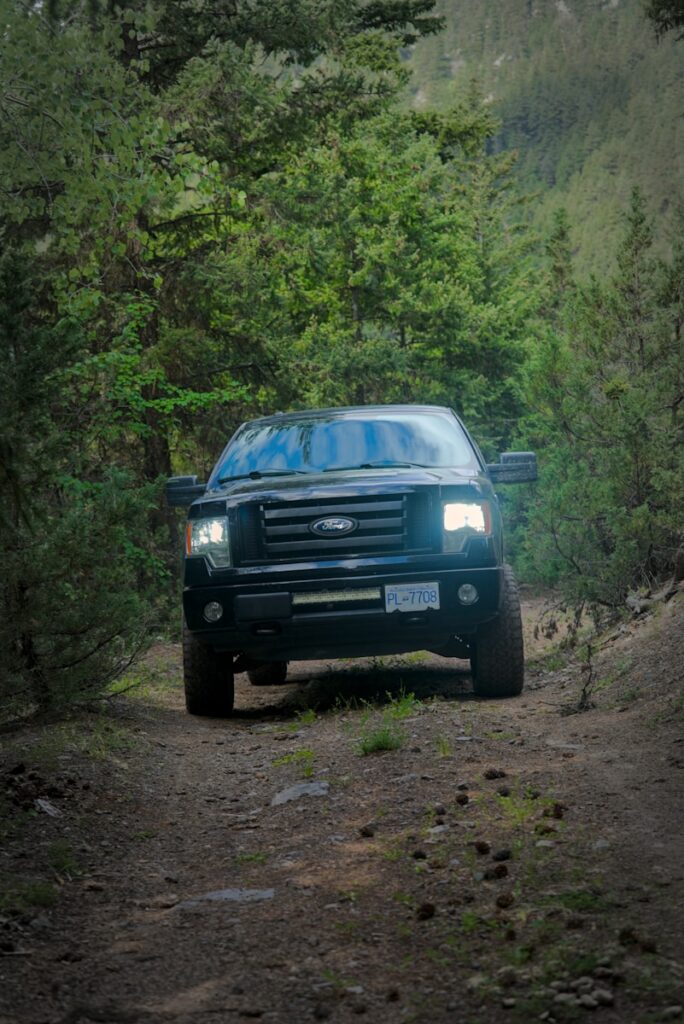
Several of the common pickup trucks are barely below this limit and that is the reason why they are not factory-equipped with identification lights. Such models as the standard Ford F-150 or Toyota Tacoma are a bit narrower and thus, do not need them. In contrast, those trucks that are bigger than this width are required to obey the rule and have adequate lightings.
The difference is the reason why certain trucks have these lights whereas other vehicles do not have these lights yet belong to the same brand. It does not concern the design choice but direct consequence of regulatory classification. This knowledge can be used to clear the widely misunderstood fact that these lights are nothing more than an additional style feature.
8. The Rise of Imitation Culture
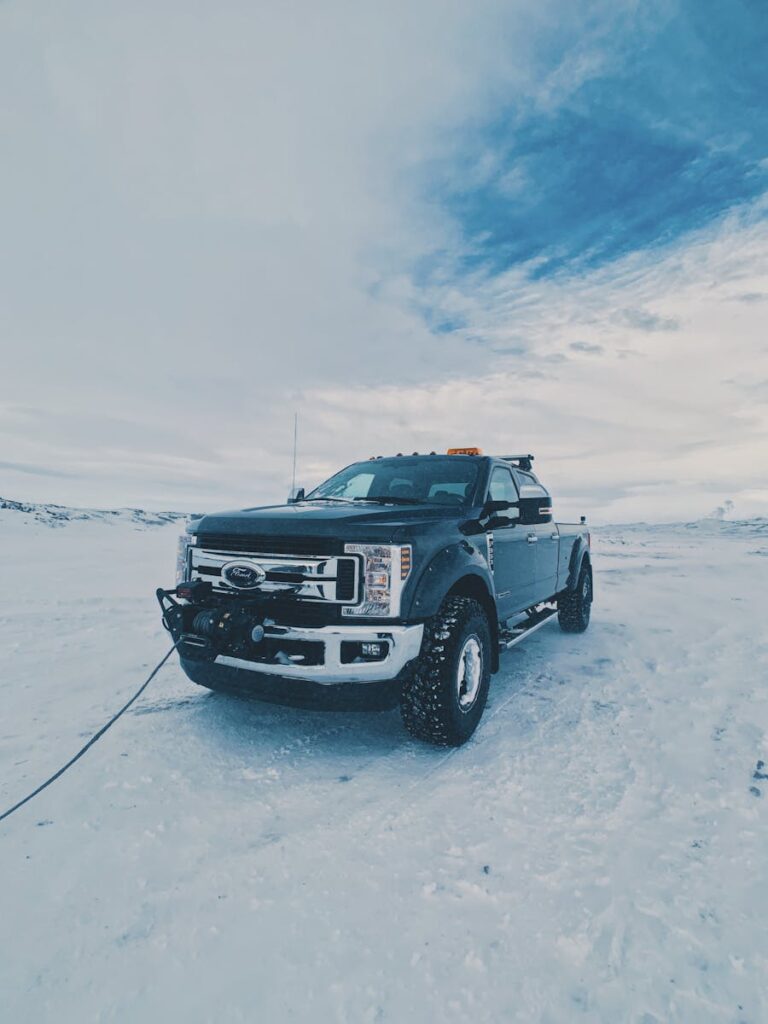
As the Raptor gained widespread attention, its bold design quickly began influencing truck owners across different segments. One of the easiest ways to replicate that aggressive off-road look was by adding grille-mounted amber lights. This simple modification allowed owners to capture a similar visual identity without needing a high-performance truck. Over time, what started as inspiration turned into imitation, spreading rapidly within the truck community. The trend became less about necessity and more about achieving a certain aesthetic that symbolized strength and capability.
How the Trend Spread Across Owners:
- Inspired by Raptor’s bold design
- Easy way to copy aggressive look
- Adopted across multiple truck brands
- Non-required vehicles adding the feature
- Style driven by visual appeal
This growing trend didn’t stay limited to one brand or model. Owners of various trucks, regardless of size or purpose, began adopting the same lighting style. Vehicles that never required identification lamps started featuring them purely for aesthetic reasons. This created a cross-brand phenomenon where the visual language of one truck influenced an entire category.
The appeal of these lights goes beyond their appearance. They represent toughness, off-road readiness, and a sense of rugged capability. Even if a truck is mainly used for daily commuting, the addition of these lights gives it a more adventurous and powerful presence. This symbolic value is what continues to drive their popularity.
9. Style vs Function Debate
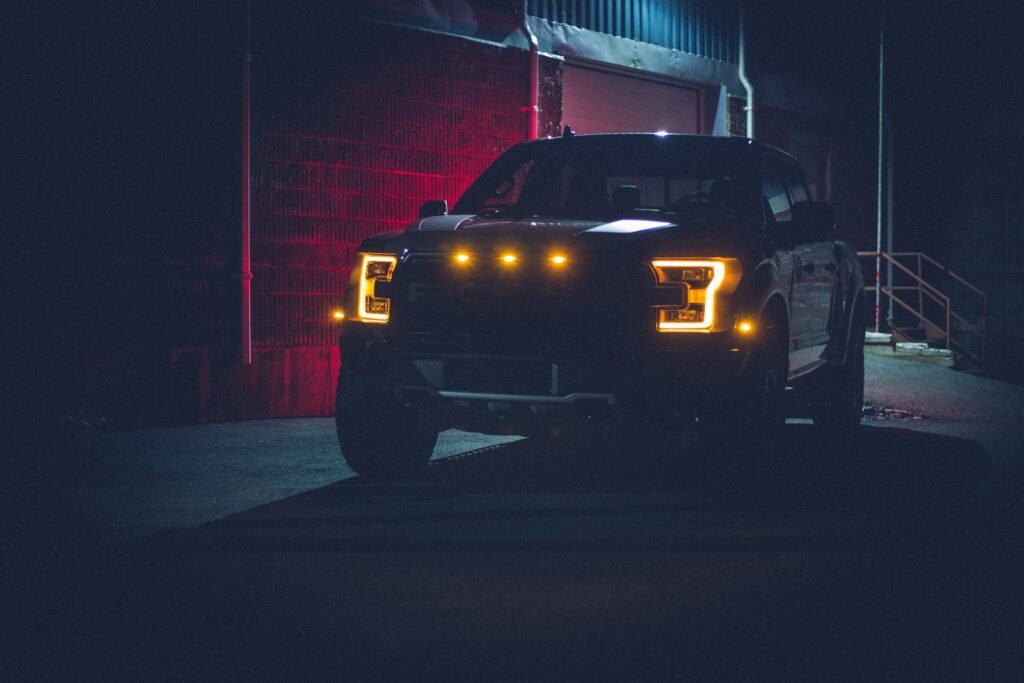
The increasing popularity of grille-mounted lights has led to an ongoing discussion among truck enthusiasts. Some view them as a great way to enhance the vehicle’s visual identity, while others question their purpose on trucks that don’t require them. This contrast between style and function highlights a broader debate in automotive culture. It raises questions about whether modifications should serve a purpose or simply reflect personal taste. The discussion continues as more owners adopt the trend for purely aesthetic reasons.
Debate Between Looks and Practical Use:
- Strong visual appeal for customization
- No real function on smaller trucks
- No added safety or performance
- Purely aesthetic modification choice
- Personal preference drives installation
For trucks that fall below the required width threshold, these lights do not provide any real functional benefit. They don’t improve visibility in a meaningful way, nor do they enhance performance or safety. In such cases, their role becomes entirely visual, acting as a design element rather than a practical feature.
Despite this, many owners willingly choose to install them. They understand that the lights are not necessary but still appreciate the unique look they bring. For many, it’s about standing out and expressing individuality through their vehicle. This balance between logic and style is what keeps the debate alive.
10. Easy Installation and Lasting Impact
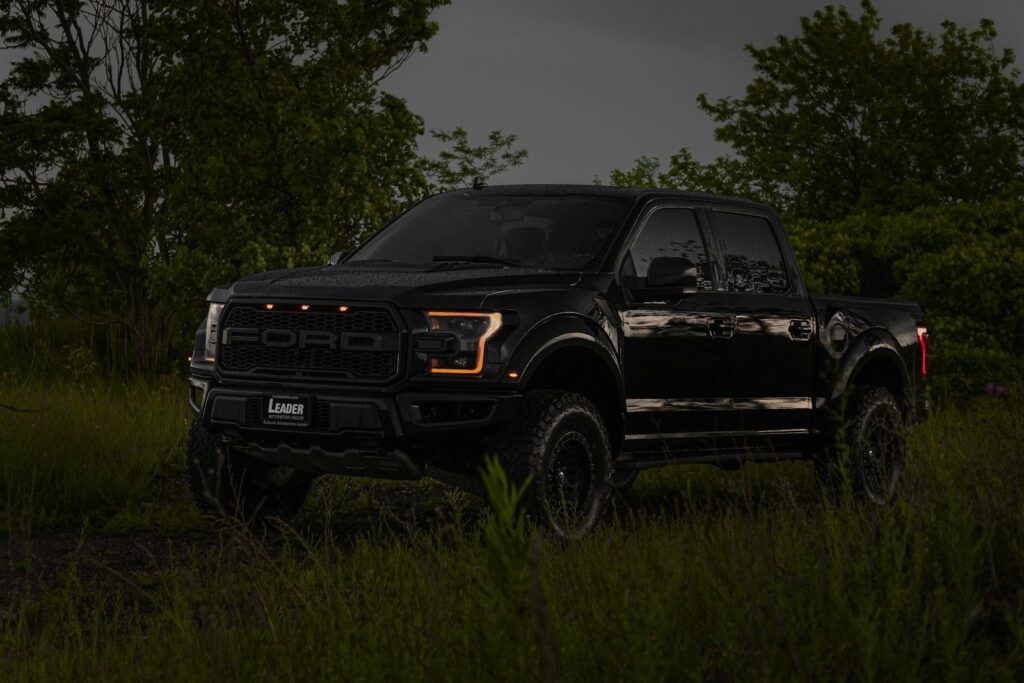
One of the biggest factors behind the rapid growth of this trend is how easy it is to adopt. Aftermarket kits are widely available and designed to be user-friendly, making installation accessible even for beginners. Most setups require only basic tools and can be completed within a short time. This simplicity lowers the barrier for entry, allowing more truck owners to experiment with the modification. As a result, the trend has spread quickly and continues to grow across different vehicle segments.
Reasons Behind Trend’s Rapid Growth:
- Widely available aftermarket lighting kits
- Quick and simple installation process
- Minimal tools required for setup
- Connects easily with vehicle system
- Accessible for most truck owners
These kits are often designed to integrate seamlessly with the vehicle’s electrical system. In many cases, the lights turn on automatically with the engine, creating a factory-like experience. This plug-and-play approach makes the modification even more appealing, especially for those who want quick results without complex work.
Over time, what began as a strict legal requirement has evolved into a recognizable design trend. It shows how automotive culture can take a purely functional feature and transform it into a symbol of identity. Today, these lights represent more than just vehicle width they reflect style, personality, and a shared connection within the truck community.