

Renault’s Bold India Plan: Duster and Bigster Hybrids Confirmed
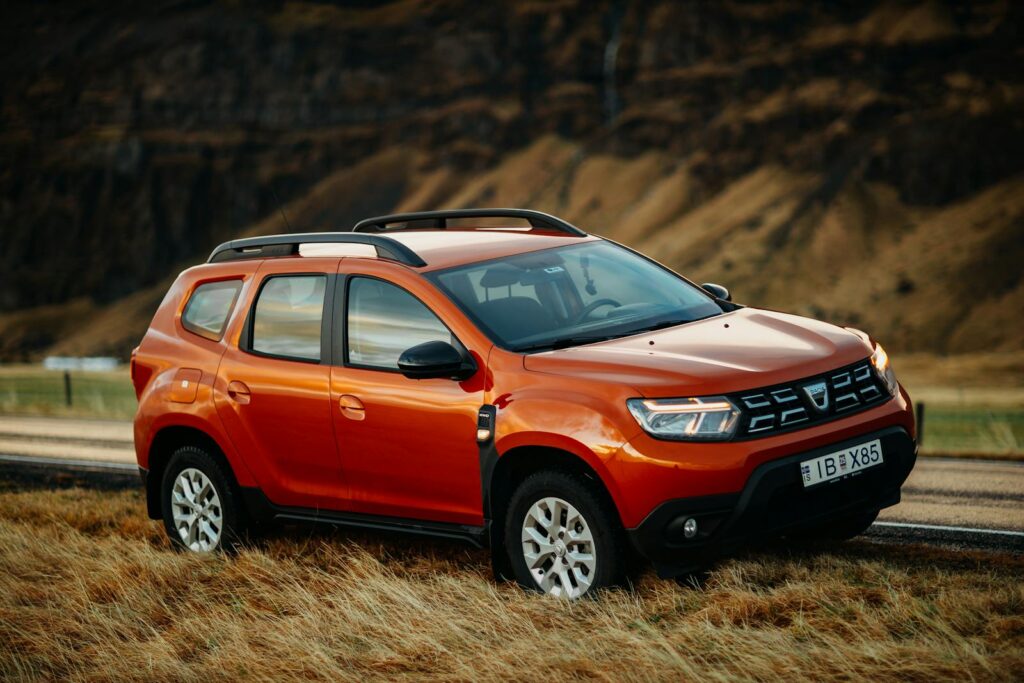
A fresh chapter unfolds for India’s car market, yet another sign of shifting tides. The spotlight turns once more to a model people remember the Renault Duster. Not just any vehicle, it marked a shift where SUVs started fitting into daily routines without hassle. Tough looks met soft rides inside, creating a mix that clicked with drivers nationwide. Years passed quietly, then hints began surfacing Renault isn’t done with this name. Now whispers become reality: a full remake takes shape, ready to re-enter roads under new skin. This comeback isn’t simply about bringing back a familiar badge. Instead, it signals a change in direction for Renault, one where gaining ground in India’s expanding SUV segment becomes a clear priority.
Key Highlights
- Iconic Suv Returns
- New Generation Duster Launch
- Renault adds more SUV models
- Hybrid technology introduction
- Future ready vehicle strategy
Next up, Renault gears toward launching a new version of the Duster, set to kick off a wave of SUVs hitting India soon. Following close behind, a roomier three row model named Bigster should show up, bringing extra legroom and daily usability for bigger households. Not far down the line, a smaller crossover tagged Bridger might enter the scene, slotting into tighter urban spaces. Each vehicle targets its own pricing tier, spreading options across budgets without overlap. With these moves, Renault shapes a lineup built to stand firm in India’s busiest car markets. This blend of size and cost could quietly shift how the brand fits into local driving life.
What stands out next is how Renault plans to put strong hybrid setups into its new SUV lineup. Rather than sticking to just one kind of fuel, the brand mixes turbocharged petrol motors with hybrid tech, possibly adding CNG later. Shaped by what’s actually happening in India’s auto scene right now, this mix makes sense. People expect their cars to be frugal, lively, and fair on price all at once so the plan lines up with real demands, also keeping an eye on shifts ahead.
1. The Strategic Indian SUV Retail Comeback of Renault
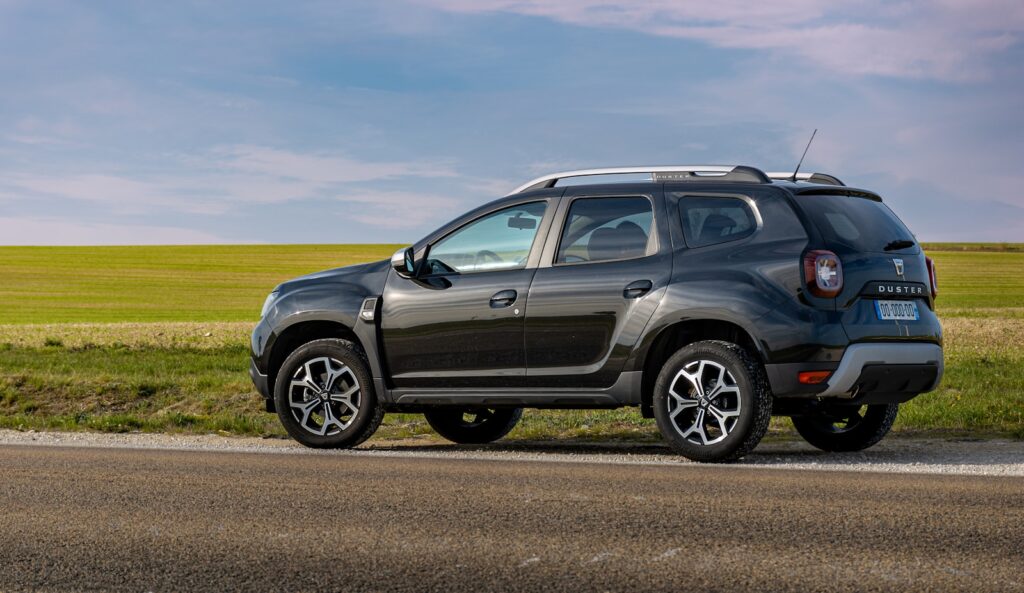
The new strategy of Renault in India is based on the reconstruction of its presence in the SUV sector. The original Renault Duster once brought the company a great level of success and contributed greatly in defining the modern SUV market of the country. However, with time, competition grew as new models of other manufacturers became available in the segment. This change decreased the market presence of Renault. The company is now planning to make a powerful comeback by launching a new generation of SUVs, which would align with the requirements of the modern consumers, in terms of design, technology, and performance.
Key Highlights
- Renault SUV comeback plan
- Focus on Indian buyers
- Three SUV strategy
- Competing in key segments
- Strong brand identity
- Long term market commitment
To this end, Renault is planning three SUVs that will serve the three market segments. New Renault Duster will be competing in the mid size SUV segment one of the most competitive in India. The Renault Bigster will be aimed at the customers who require a three row family SUV, which is convenient and comfortable to use by bigger families. In the meantime, the Renault Bridger will be placed in the small sub 4 metre segment, which is still appealing to first time SUV buyers.
This multi model approach demonstrates a long term interest of Renault to the Indian automotive market. The company is not developing a new product range using minor improvements to the existing vehicles, but rather it is designing an entirely new product range with current platforms and technologies. In such a way, Renault will be able to restore its presence and become a significant player again in one of the rapidly expanding SUV markets in India.
2. Timeline and Launch Projections of Production
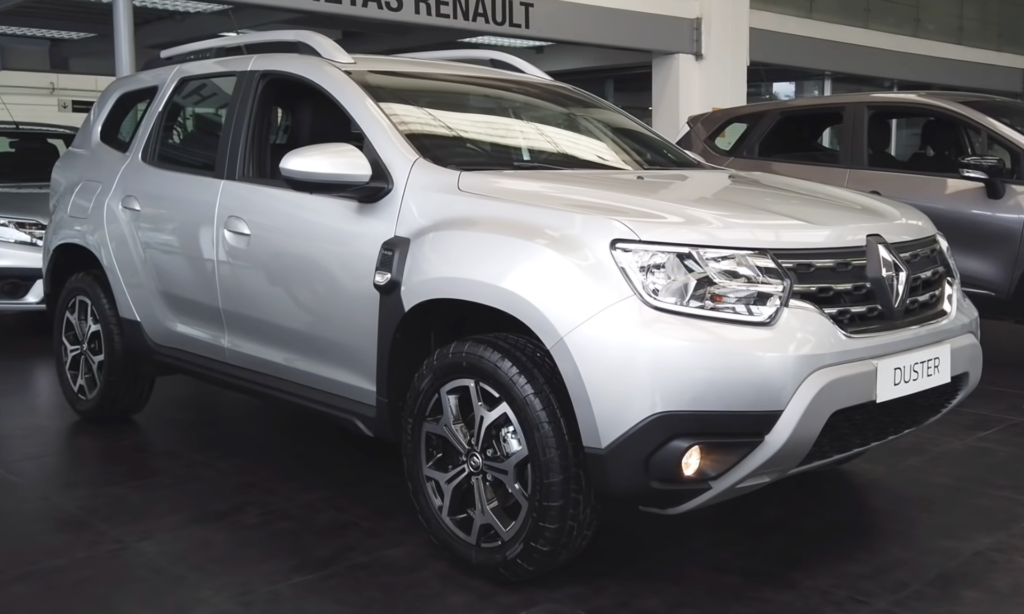
The next Renault Duster will also be manufactured in the Renault Nissan plant in Chennai. The preparations of production have already begun in the company as it tries to complete the specifics of the new generation SUV. It is estimated that the production would be able to start in September 2025 and would give Renault time to organize the plant and manufacturing operations. This schedule would see the market introduction of the new Duster early in the year 2026, which would in alignment with the larger scheme of the firm to roll out several SUVs over the next few years.
Key Highlights
- Production plant in Chennai.
- Production begins 2025
- Market launch expected 2026
- Petrol models first phase
- Hybrid variants later
- Gradual powertrain rollout
During its launch, the SUV is likely to be launched with petrol power. The decision is a representation of the current toward of demand in India with petrol vehicles being the most preferred by the buyers in the country. Renault will concentrate on providing good performance as well as competitive prices at the early launch stage. The turbo petrol engines will be of significance in this step with a trade off between efficiency and the driving performance.
The petrol versions should be followed shortly by hybrid versions of the Duster. High industry reports indicate that the estimations are approximately six to twelve months after the first launching. With the arrival of hybrid versions later, Renault will be able to maintain a high level of customer interest and gradually enter advanced electrified technology into the product range.
3. Turbo Petrol Engines Performance
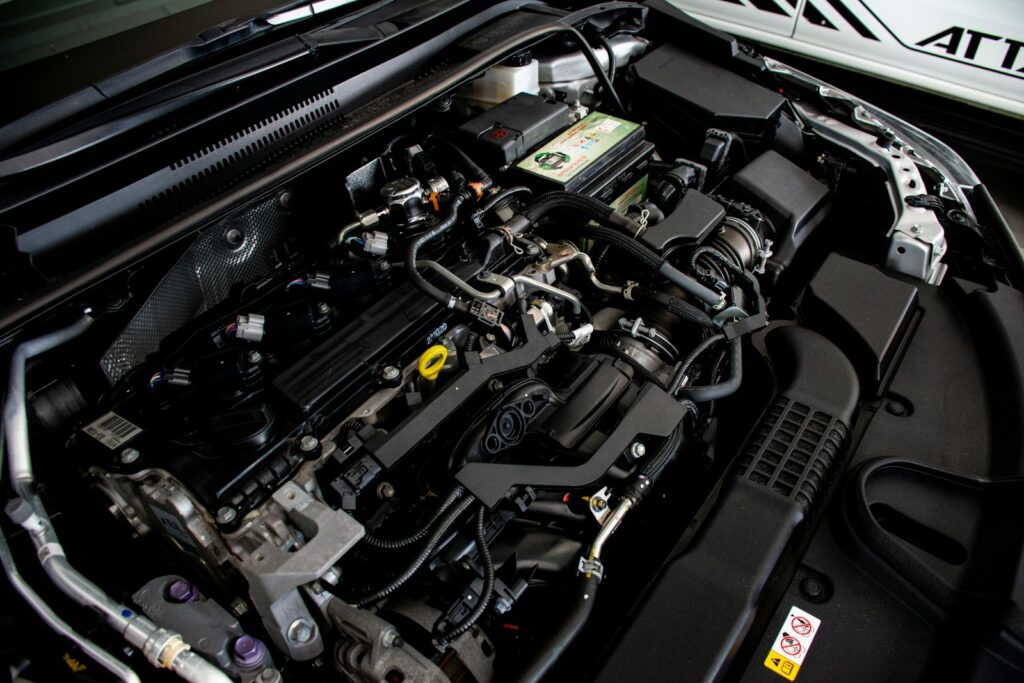
The range of the new turbo petrol engines will be considered to be one of the main peculiarities of the new Renault Duster. These engines are made in order to offer good blend of performance and efficiency in daily driving. It is likely that the entry level engine will be a 1.0 litre three cylinder turbo petrol, which generates about 100 horsepower and 160Nm of torque. This arrangement must provide a good performance in urban environment, as well as good fuel efficiency, thus it can be used on daily commuting.
Key Highlights
- litre turbo engine
- 100 horsepower output
- Efficient everyday driving
- 1.3 litre turbo option
- Strong performance figures
- Manual and automatic gearboxes
Renault will also have an improved chance of competing with buyers who want more powerful performance by providing a 1.3 litre turbo petrol engine. It should also deliver about 163 horsepower and 280Nm of torque thus making the Duster one of the stronger SUVs in the group. This performance will enable the vehicle to be competitive enough when competing with other popular vehicles of the same segment.
Transmission will also be a factor that can affect driving experience. Six speed manual transmission is anticipated to be fitted as standard in some variants with the more powerful engine having a dual clutch auto gearbox. Such a combination will enable the drivers to select between a more entertaining manual driving experience or the comfort of an automatic gearbox.
4. High Power Technology and Efficiency
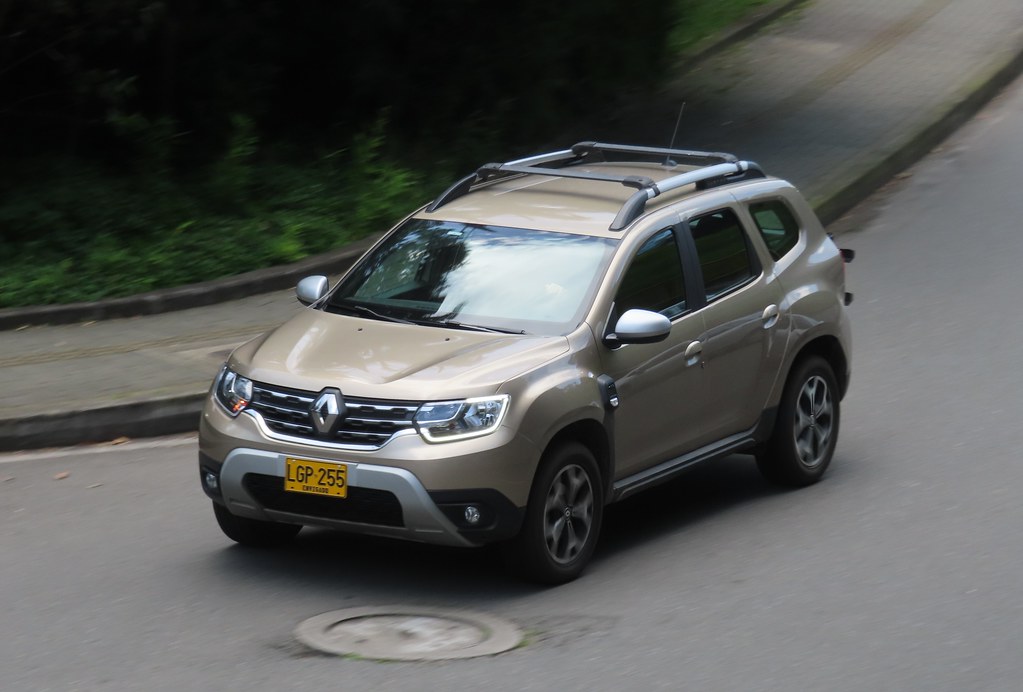
The next Renault Duster will feature advanced strong hybrid technology, which will be a key move in the development of the Renault powertrain policy. Hybrid vehicles are vehicles that have a petrol engine and electric motors which enhance fuel economy and emissions. The technology proves to be very handy within a congested urban setting where traffic conditions are characterized by frequent traffic stops and low velocity. In this case, the hybrid systems will be able to operate with the assistance of electricity, which will benefit the car taking less fuel. A hybrid SUV may be a reasonable and well balanced option to Indian shoppers seeking to achieve better efficiency and do not necessarily go to the electric version.
Key Highlights
- Hybrid powertrain system is strong
- Petrol electric combination motor
- Better city fuel efficiency
- Reduced emissions driving
- Electric mode capability
- Advanced automatic gearbox
The global variant of the hybrid option combines a 1.6 litre petrol engine and two electric motors and a small battery pack. It gives a total output of about 140 horsepower and still has the ability to drive partially electric during the city conditions. Another feature of the hybrid system is the high tech electric automatic gearbox that is aimed at making the use of energy more efficient and delivering the power with the smoothness it brings. This kind of technology could render daily driving more efficient and quieter, especially in the city where the consumption of fuel is usually higher because of the national traffic issues.
To Indian customers, the hybrid Duster may offer the combination of electrification and the difficulties of fully electric vehicles. The infrastructure is not fully developed in most areas of the country, and hybrid cars do not require external charging. The system is convenient since the battery can be recharged automatically during the driving process, but at the same time, it provides better fuel efficiency and reduces the level of emissions.
5. Another Hybrid That is under consideration
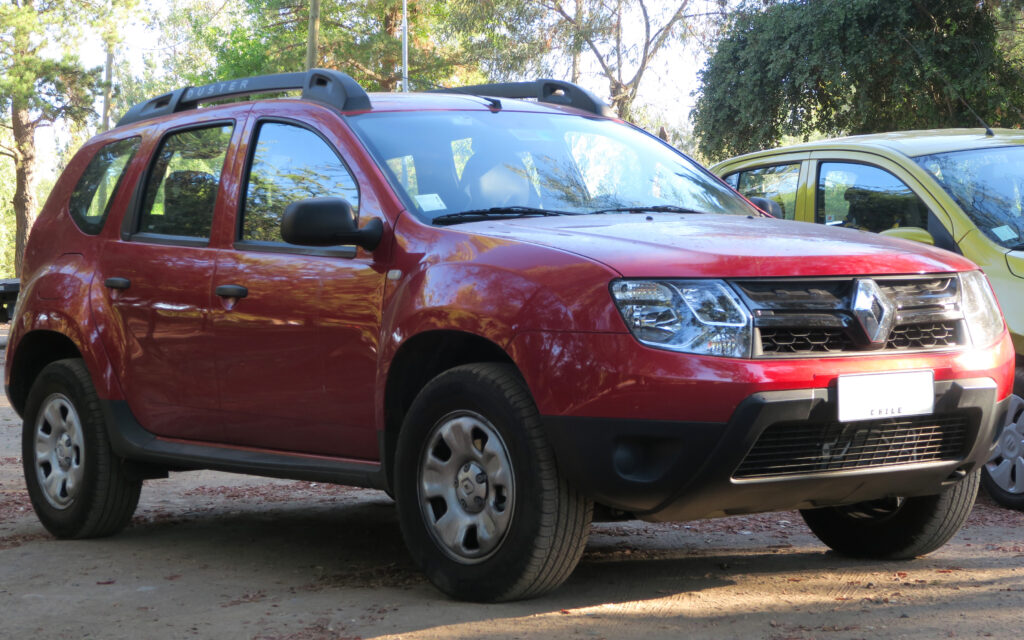
Along with the hybrid form, Renault is also being said to be exploring an even more powerful electrification of the Duster. Such an arrangement would add a bigger petrol engine with an electric motor and battery pack to power it up to a greater performance. This would give the drivers the hybrid efficiency advantage as well as have greater acceleration and highway performance. Renault can enable customers to select a balance between fuel consumption and power according to their driving requirements because there are several hybrid models.
Key Highlights
- Larger petrol hybrid engine
- Increased simultaneous power output.
- Better highway performance.
- Equivalent performance and strength.
- Multiple hybrid choices
- Improved driving ability.
The stronger hybrid model that is being considered would be powered by a 1.8 litre petrol engine with an electric motor and a bigger battery pack. All these parts can create a combined power of approximately 160 horsepower. These performance numbers would make the Duster one of the best hybrid SUVs in the segment. This configuration may be especially helpful to drivers who often have to cover a long distance or travel with passengers and luggage.
The fact that there are more than one hybrid choice also gives freedom to customers. Drivers might want to focus on savings in fuel to do daily commuting, and some might want more power and acceleration to drive on highways. By launching various hybrid models, Renault would have made sure that Duster is attractive to more customers with different patterns of usage.
6. The Bigster: the Next Three Row SUV by Renault
Renault is also to release a bigger SUV, the Renault Bigster, after releasing the new Duster in the market. This model will increase the reach of the company to the three row SUV segment, which is already rapidly developing in India. The Bigster should be targeted at family customers who seek the comfort of having a large car that can accommodate many passengers. With the introduction of a bigger SUV, Renault will compete with some of the most popular models that are already leading in the segment.
Key Highlights
- Renault three row SUV
- Large family car design.
- Competing large SUV segment
- Launch expected around 2027
- Focus on passenger comfort
- Expanding SUV portfolio
The Bigster will enable Renault to compete with the established vehicles; Mahindra XUV700, Tata Safari, and Hyundai Alcazar. These SUVs have become very popular with their practicality and their technological features as well as their spacious interior features. The new model of Renault will focus on providing the same strengths but retaining the rugged nature of the Duster brand.
Even prototypes of the Bigster have already been seen around the manufacturing plants of Renault in Tamil Nadu. The car seems to have a massive and a boxy shape that is aimed at maximising the interior space. It has broad proportions and is upright, indicating a great presence on the road which may suit the buyers who want bold and practical SUVs.
7. Outside appearance and Roadside impression
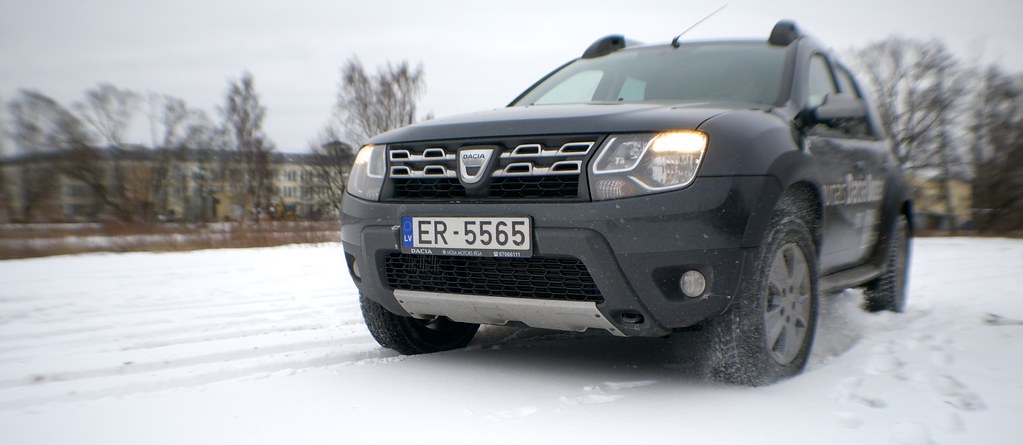
Design is a very critical aspect in appealing to the modern SUV consumer and the Bigster seems to have a daring and assertive attitude towards its design. The recent design code of Renault revolves around clean lines, unique lighting signatures and good proportions. These components contribute to the formation of a contemporary and familiar appearance that can be distinguished in the road. The shape of the Bigster also implies its purpose as a higher family SUV, being a mix of rough features and modern style.
Key Highlights
- Bold modern SUV design
- LED daytime running lights
- Muscular wheel arch styling
- Large alloy wheel options
- Tall rugged SUV stance
- Strong road presence
The SUV has a wide LED light signature on the front that is the daytime running light and this signature unites both sides of the grille. The headlamps are also arranged a little lower and this offers a stratified and contemporary appearance. This design strategy provides the car with a recognizable face even though it has a great visual identity of the modern cars of Renault.
The SUV appears to have a tall roofline and strong wheel arches on the side, which highlight its ruggedness. The alloy wheels are huge (they may be as large as nineteen inches) and they add the grandeur of the car. Vertical tail lights and an interior roof spoiler finish the design at the back resulting in the Bigster having a good mix of pragmatism and modern design.
8. International Home Comfort and Contemporary Characteristics
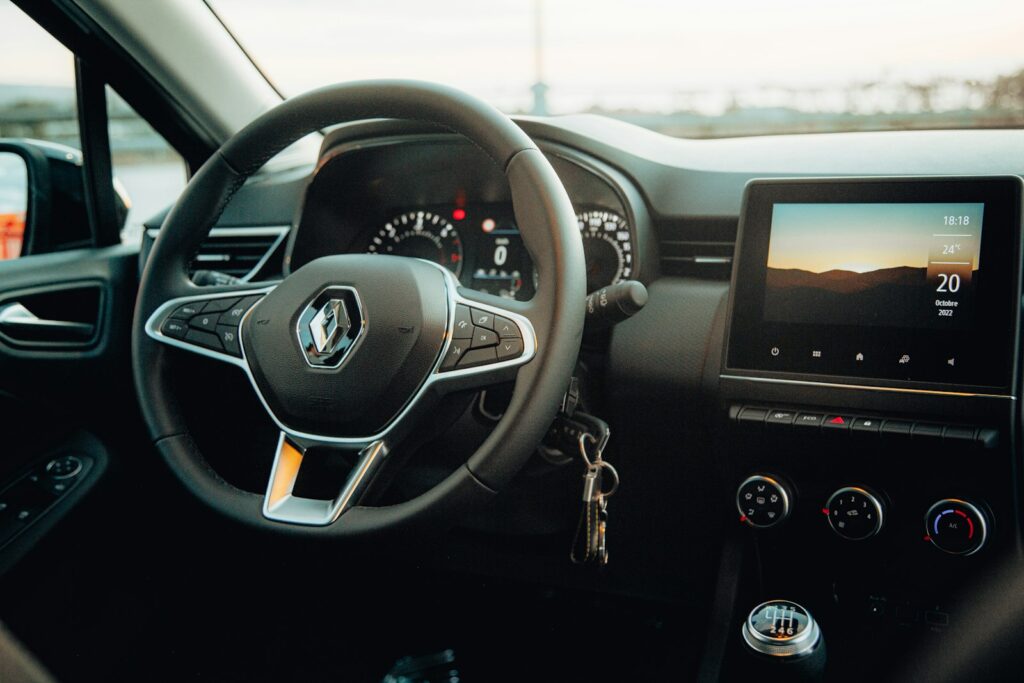
Renault will be targeting the development of a comfortable and technological cabin environment in the Bigster. Contemporary SUV consumers tend to seek a car that is both practical and highly digital in nature, the Bigster has a good chance of meeting the demands. The interior design is likely to be similar to the new Duster such as the large infotainment screen and a dashboard centered to the driver.
Key Highlights
- Huge touchscreen infotainment system
- Entirely computerized instrument cluster
- Three row comfortable seating
- Rear passenger air vents
- Premium interior materials
- Advanced driver assistance
The huge touchscreen infotainment system will most probably provide wireless Smartphone access, which gives the drivers an easy time navigation, music, and communication systems. Digital instrument cluster can also show valuable car information like navigation system, hybrid system, and driving statistics. The technologies are designed to facilitate the driving experience by making it more convenient.
The SUV may have higher variants that will add new high quality features. They might come with ventilated front seats, the presence of panorama sunroof, and the advanced driver assistance systems that enhance the safety of vehicles. Comprising comfort, technology, and functionality, Renault aims to make sure that the Bigster will not be outcompeted in the market more feature driven, which is dominated by the SUVs.
9. Platform Multi Fuel Flexibility and CMF-B
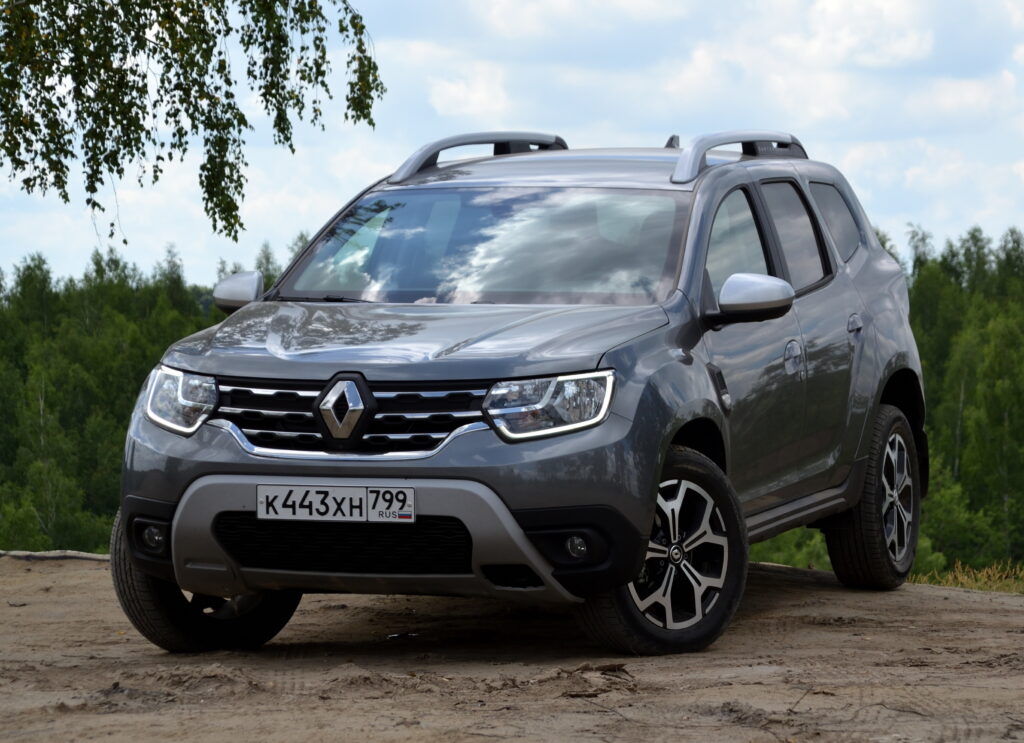
Renault Duster and Renault Bigster will both be constructed on the CMF-B versatile platform. The Renault Nissan alliance has created this modern platform to accommodate various types of vehicles and powertrain technology. The flexible design of the car enables the manufacturers to create petrol, hybrid, and even fully electric cars based on the same structural design.
Key Highlights
- Modern CMF B architecture
- Multiple powertrain supporter
- Hybrid electric petrol compatibility
- Agile vehicle development
- Alliance shared technology
- Future ready vehicle platform
This means that the platform is flexible, enabling Renault to keep pace with the new market environment. Rather than come up with distinct systems of each type of powertrain, the same platform may have dissimilar technologies. This saves on development cost and also enables the company to launch new models more effectively. The CMF-B platform will also host other vehicles of the alliance partner of Renault Nissan. Consequently, it is the technological foundation of some of the future SUVs that will specifically target emerging markets like India.
10. Renault future SUVs and Long Term Vision
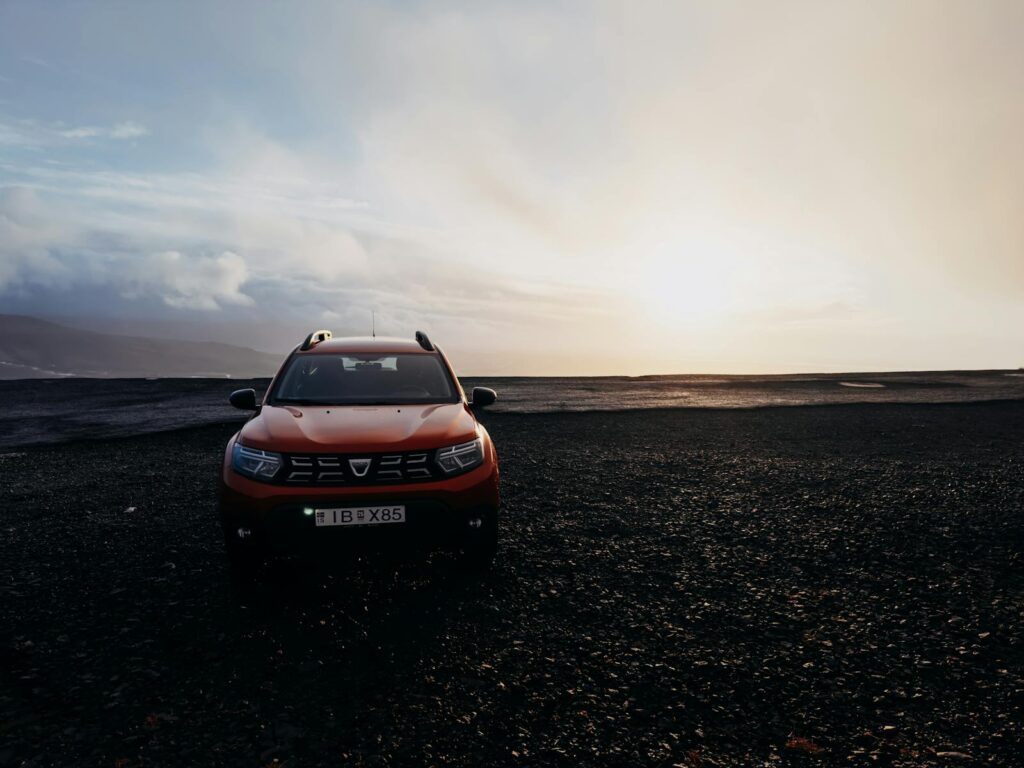
Finally fulfilling Renault SUV offering is the Renault Bridger, a small SUV that would be positioned between the current Renault Kiger and the next coming Duster. The targeted segment that this model will focus on will be the common sub 4 metre SUV that has been and is still appealing to buyers seeking affordable cars that are also trendy. On teaser photos early in development, the design looks boxy and smooth on the outside, with a unique tailgate mounted spare wheel.
Key Highlights
- Compact sub four metre SUV
- Wedged in between Kiger Duster
- litre turbo engine
- Automatic and manual
- Designed for urban buyers
- SUV expansion of Renault
Bridger will have a 1.0 litre turbo petrol with approximately 100 horsepower. Both manual and automatic transmission are likely to be provided, as well as it will provide flexibility to the buyers in the sense of their preference in driving. This engine will concentrate on providing effective performance as well as keeping the market competitive in terms of price in the compact SUV market.
The Duster, the Bigster, and the Bridger are the pillars of the new SUV strategy of the Renault in India. The company can be able to regain its market presence by integrating the latest platforms, hybrid technology, and strategically positioned vehicles into various segments. This approach would give Indian buyers a new series of innovative SUVs with a good design, enhanced efficiency, and overall usability in their everyday lives.