




Russia’s Stalled Engine: How the Auto Industry Exposes a Deeper Crisis
The Russian automobile market is literally in a dire state at the moment, and the indicators cannot be missed. When you witness a reduction in sales of new cars by nearly half within one month such as the 45.5% fall in March 2025 versus compared to the same level in the previous year begins to seem more like a bad quarter than a red flag being shaken in your face by the whole economy. The individual would not simply be waiting until their budgets are less constrained before they purchase new cars; the bigger picture is that of an industry and actually a country that has been disconnected to the global system that it once depended significantly. Sanctions, the exodus of Western businesses, and decades of reliance on imported expertise have reduced Russia to scrambling to have its plants operational and its streets full of cars that people can afford to buy.
These are developments I have been following over an extended period of time and it is more than impressive how the auto industry is acting as a reflection of larger economic forces. When AvtoVAZ, the manufacturer of those ubiquitous Lada automobiles, must cut back on production, and send employees home at least an additional day a week, it not only is bad news of one company, but also an indicator that consumers lack confidence, credit is not cheap and the old playbook does not apply. I will discuss the key elements of what is going on in the following paragraphs, attempting to describe the situation as I have gathered it after reading of the happenings, meeting people someone familiar with the industry, and watching the data change month after month.

1. AvtoVAZ and the reality of the daily world of declining production
AvtoVAZ is not just any other car maker in Russia it is more of a national institution. Loda brand has been integrated in the daily lives of people since decades be it during family vacation or during commuting to the countryside. However, in recent times the firm has been forced to make some rough decisions. They reduced their yearly manufacturing target of 500000 vehicles to just 300000 and changed the majority of their employees to a four-day workweek. Showrooms are stocking unsold vehicles and customers are simply not coming as they were before. It seems that the monthly payments are impossible to make, given that the interest rates on loans are high and thousands of families are continuing to repair their old cars instead.
The impact of the knock-on effect is grave. The local governor in the Samara region where the main plant is located took to the streets requesting more government aid as the optional number of citizens employed directly at AvtoVAZ are about 40,000 and another 15,000 are tied up to jobs indirectly. As the workloads begin to reduce every week, the pressure is felt by the workers, suppliers, and small shops that are located around the factory. It is the type of circumstance, which makes one aware of how close together everything is in an industrial city.
Key Indicators of Dilemma at AvtoVAZ:
- Production target was cut by 40 percent.
- Four day workweek is the norm.
- Growing piles of unsold cars.
- Governor makes a public request of state assistance.
- 55,000 total jobs at risk.

2. The Comfortable Often Works Strategy That Went Dead
Russia had a well-thought-out strategy of the automobile sector almost a decade and a half: invite major foreign enterprises to establish facilities in the country, provide them with tax breaks and other incentives, and gradually transfer a larger portion of the production process to the domestic sphere. The concept was intelligent on paper as far as it did not need to re-invent everything to use Western technology and management. Renault-Nissan invested in AvtoVAZ big, Hyundai and others constructed glittering new plants and it worked, albeit awhile. In 2012, the sales were recorded at almost three million vehicles, and Russia believed that the country was finally becoming a legitimate player in the global automobile manufacturing.
The model failed within days following 2022. Western brands withdrew due to sanctions and politics, leaving behind factories, disrupted supply chains and a massive knowledge void. Russia was forced to shift abruptly to Chinese allies but the process has been very rocky and incomplete. The vision of an independent, contemporary auto industry is even more distant than it has never been.
The Failure of the Old Approach:
- Technology and employment were introduced by foreign companies.
- Pre-2022 the localization was on the rise.
- Sales peaked around 2012.
- Western exit generated huge vacuum.
- Chinese imports occur quickly.
3. The Strangle on the Everyday Consumers and the Soaring Prices
What strikes home more than anything else about how bad things have become is to look at the average Russian family struggling to purchase a car or to conclude that they can no longer afford to do so. The cost of a new car has now increased drastically, and what seemed to be a large yet achievable purchase before now seems totally out of the reach of most people. Jumps of about 50 per cent in average costs were observed back in 2021-2023 and even in 2025 the trend continued to increase with weighted averages of around 3.5 million rubles or more in some months, but locally assembled options ran closer to 1.95-2 million at the end of the year after some adjustments. Such a growth comes with a big blow when salaries are not correspondingly increasing and other living standards are also going up.
To add to the sticker shock, the problem of funding has turned into a nightmare. The Bank of Russia had kept its major interest rate at very high levels throughout most of 2025 and it culminated in very high interest rates that rendered loans to borrowers prohibitively expensive before ultimately returning it to 16 percent in the end of December. In the case of such models as the trendy Lada Vesta, where the majority of purchasers used to use credit (up to 85 percent in good times), it resulted in the monthly payments swelling or the offers being canceled. Individuals reacted by holding on to their current cars and this extended the mean age of vehicles present in the market to approximately 15.5 years. It can be seen: there are more patch-ups on old models, more failures, and a silent loss of mobility by common people, who used to update more regularly.
Everyday Impacts on Russian Car Buyers:
- New car prices up sharply year after year.
- High interest rates crush loan affordability.
- Many skip purchases and repair old vehicles.
- Average car age now over 15 years.
- Seven in ten cars more than a decade old.
4. Government Moves: Subsidies, Tariffs, and Mixed Signals
Moscow hasn’t just watched this unfold they’ve thrown a lot of policy tools at it, some helpful and some that seem to pull in opposite directions. On the supportive side, there are hefty subsidies offering discounts of up to 25 percent on cars made inside Russia, with funding locked in through at least 2026. The idea is straightforward: make domestic brands like Lada more competitive on price so buyers don’t automatically turn to imports. Those programs have kept some sales alive, especially for entry-level models that people might still stretch for with extra help.
Then there’s the tougher approach: sharply higher import duties and the recycling fee, which can add thousands of dollars (around $7,400 for many mid-size engines) to the cost of any foreign-made car. The goal is to discourage imports and protect local jobs, but it hasn’t fully worked as planned. Chinese brands still dominate a big chunk of the market because their base prices often stay lower even after fees. In a telling move, the government even relaxed some localization rules mid-year to try coaxing more Chinese investment into actual Russian production. It’s like they’re protecting the home team while quietly holding the door open for outsiders showing just how tricky the balancing act has become when you need both domestic output and foreign capital to keep things moving.
Government Policies Trying to Steady the Market:
- Discounts up to 25% on Russian-made cars.
- Subsidies funded through 2026.
- Higher import duties and recycling fees.
- Extra costs around $7,400 per typical car.
- Lowered localization rules to attract Chinese firms.
5. Broader Industrial Strain: From Cement to Railways and Coal
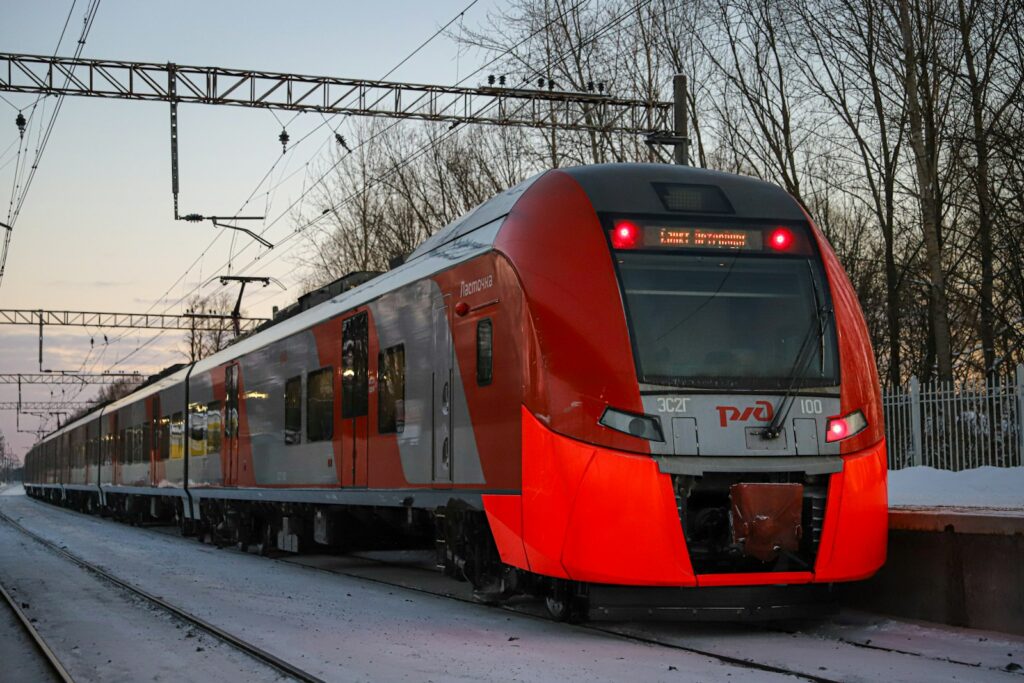
The auto sector’s struggles are echoing loudly across other heavy industries, where similar patterns of reduced hours and cost-cutting are showing up. Russian Railways, a massive employer, has reportedly asked some office staff to take unpaid leave as freight volumes drop off. The country’s biggest cement producer shifted to a four-day workweek to avoid outright layoffs amid a slowdown in construction. Coal operations are in especially rough shape, with a huge share of companies now unprofitable and losses piling into the hundreds of billions of rubles. Metals and other resource-heavy sectors are feeling it too, with furloughs and shorter schedules becoming more common.
These aren’t random coincidences. Weaker domestic demand, falling exports under sanctions, and the pull of resources toward military-related needs are all contributing to a slowdown that hits capital-intensive industries hardest. When big state-linked employers start trimming hours or jobs, it ripples out to suppliers, local economies, and consumer confidence. The overall corporate picture looks grim: net financial results down, losses swelling significantly, and payment delays creating cash crunches that force smaller businesses to close. It’s the kind of broad-based pressure that makes recovery feel farther away, especially when high interest rates and budget strains limit how much stimulus can be applied without risking more inflation.
Signs of Trouble Across Heavy Industries:
- Four-day workweeks at major cement plants.
- Unpaid leave requests at Russian Railways.
- Coal sector with high unprofitable share.
- Rising corporate losses and payment delays.
- Weaker demand hitting metals and freight.

6. The Deeper Economic Warning Signs in 2025 and Beyond
By late 2025 and into early 2026, the numbers started telling a tougher story than many expected. Corporate profits overall slipped noticeably, while losses ballooned reports showed total negative results jumping nearly a quarter in some periods, pushing into the trillions of rubles. Non-payments became a real headache too: companies waiting on money from partners (often state-linked ones) faced delays, which then snowballed into cash shortages for smaller suppliers and local businesses. It’s like a chain reaction where one missed payment forces cutbacks elsewhere, and confidence erodes further.
The Central Bank, under Elvira Nabiullina, had held rates very high through much of 2025 to tame inflation peaking around 21 percent earlier before gradual cuts brought it down to 16 percent by December. That helped curb price spirals but also choked credit for everything from car loans to factory upgrades. Her statements reflected the shift: acknowledging that the economy had overheated from war-driven demand and was now cooling, with forecasts for slower growth ahead. It’s a careful balancing act trying to ease without letting inflation flare up again but it leaves many sectors still struggling to borrow or invest.
Key Economic Pressure Points Emerging:
- Corporate losses surged sharply in 2025.
- Non-payments creating cash flow crises.
- High interest rates held long to fight inflation.
- Gradual rate cuts to 16% by late 2025.
- Warnings of cooling after wartime overheating.

7. Heavy Industry Feeling the Full Weight of Slowdown
Beyond cars, the real pain shows up in Russia’s classic heavy hitters coal, cement, metals, and transport. Coal has been especially rough: losses piled up massively through 2025, with estimates of hundreds of billions of rubles in the red and a big majority of companies unprofitable. Global prices fell, sanctions complicated exports, and higher domestic rail costs added extra burden. Mines that once ran full tilt now face cutbacks, and the ripple hits entire regions that depend on those jobs.
Cement producers like the big ones shifted to four-day weeks because construction slowed fewer projects mean less demand for materials. Metals and mining followed similar paths, with furloughs and reduced hours becoming common. Even Russian Railways, the backbone for moving goods across that vast country, saw freight volumes drop noticeably in key categories like construction cargo and cement. Office staff got asked to take unpaid leave in some cases, a quiet but telling sign that even state giants are tightening belts.
Struggles in Core Heavy Sectors:
- Coal industry posting huge annual losses.
- Majority of coal firms unprofitable.
- Cement plants on four-day weeks.
- Rail freight down sharply in key areas.
- Unpaid leave at major transport employer.

8. Why the Old Growth Model Is Running Out of Steam
Russia’s recent economic run leaned heavily on a few big drivers: redirected spending toward defense and related industries, high commodity prices (at least for a while), and whatever consumer demand could hold up. But by 2025-2026, those engines started sputtering. War-related sectors kept growing somewhat, but non-military parts especially resource extraction and manufacturing stagnated or shrank. Sanctions closed off markets and tech access, while domestic demand weakened under high prices and tight credit.
Experts and officials have noted this shift: the economy moved from overheating (too much demand chasing limited supply) to a more dangerous stagnation phase. Reserves that once buffered shocks are thinner, tax burdens rose to fund priorities, and non-military spending got trimmed. The result is a system where growth feels increasingly one-sided dependent on state injection rather than broad-based activity. When heavy industries falter, it drags everything else: fewer jobs, lower wages in those areas, less tax revenue, and a tougher outlook overall.
Reasons the Growth Engine Is Weakening:
- Overreliance on war-related spending.
- Sanctions limiting exports and tech.
- Commodity price drops hitting resources.
- Rising taxes and budget reallocations.
- Shift from overheating to stagnation.
9. The Human and Regional Toll of These Changes
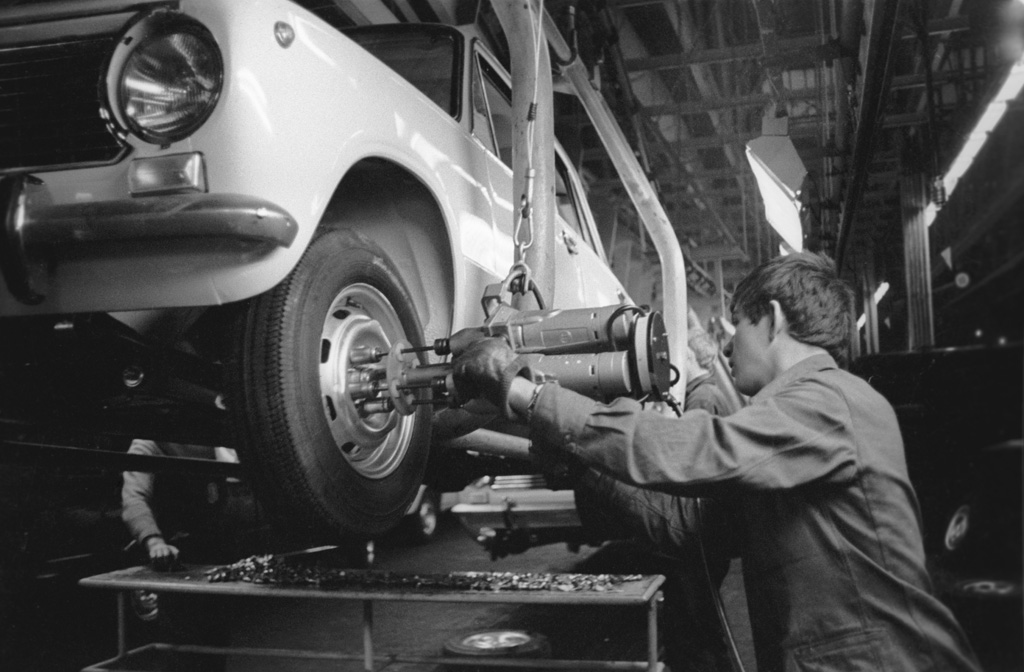
It’s easy to get lost in percentages and ruble figures, but the real impact lands on people and places. In industrial towns whether near AvtoVAZ plants, coal basins, or rail hubs shorter workweeks mean less take-home pay. Families stretch budgets tighter, delay big purchases (cars, appliances, home repairs), and lean harder on whatever savings or family support they have. In coal regions, where alternatives are few, prolonged losses raise fears of deeper cuts or closures.
Even in bigger cities, the effects show: older cars staying on the road longer, fewer new starts in construction, quieter shipping yards. Consumer confidence dips when headlines talk about corporate red ink and payment delays. For workers in these sectors, it’s not abstract it’s wondering if the next shift will be full or shortened, or if the plant will keep running at all. That uncertainty feeds back into even lower spending, which then slows recovery more.
Real-Life Effects on Workers and Communities:
- Reduced pay from shorter weeks.
- Job security worries in industrial areas.
- Delayed family purchases and repairs.
- Strain on local shops and services.
- Lower confidence hitting spending.

10. Looking Ahead: Can Russia Turn This Around?
No one has a crystal ball, but the path forward looks challenging. Some hope rests on deeper Chinese partnerships in autos and elsewhere maybe more real investment rather than just imports but that’s slow and uncertain. Government subsidies and tariffs might prop up certain sectors temporarily, but they can’t replace lost global integration or fix weak demand overnight. Rate cuts help a bit with borrowing, yet inflation risks keep the Central Bank cautious.
The bigger question is whether structural changes happen: rebuilding domestic capabilities, easing some pressures on businesses, or finding new export outlets. Right now, the mix feels like firefighting patching leaks rather than redesigning the system. The auto industry’s mirror shows the stakes: once a symbol of modernization through foreign ties, now a cautionary tale of vulnerability. If heavy industry keeps sliding and corporate health doesn’t improve, 2026 could bring more of the same or worse. Still, economies can surprise when pressure forces adaptation; whether Russia pulls that off amid ongoing constraints remains the open, uneasy question hanging over it all.
Possible Paths and Remaining Challenges:
- Deeper localization with Chinese partners.
- Continued subsidies but limited impact.
- Cautious rate easing to aid credit.
- Need for broader structural fixes.
- Risk of prolonged stagnation ahead.