

Subaru’s Hybrid Future: A Deep Dive into Its New SUV Lineup

Subaru has never been like any other company in the crowded automotive world. Its brand equity has been built on two things over the decades: the recognizable nature of the Boxer engine and the reliable feel of Symmetrical all-wheel drive. All these aspects created a business with a reputation of practicality, durability and trust in any weather. Owners did not purchase a Subaru as a means of transportation, nor did they purchase into a philosophy of balance, safe cars, and going anywhere. The consistency contributed to the development of one of the most loyal groups of consumers in the business.
The third defining pillar of electrification is now carefully being added to the company. Subaru is going stepwise as opposed to brands that have jumped full battery-electric into alterations. It is not about dropping its roots but consolidating it with a hybrid integration. The Forester Hybrid is the first step in this change, and it marks a step towards more widespread electrification of the brand without sacrificing the DNA of the brand.
This change is more than a different engine choice. It is a reset of the future course of Subaru. Hybrid technology will be technological to achieve better fuel economy, less emission and a more drive-able characteristic but it should still exist with the roughness that drivers desire. The problem of the company is to maintain its identity and adapt to the variation of regulations and consumer needs. The outcome is a brand-wide strategic initiative that goes way beyond one model introduction.

1. The Forester Hybrid: Chapter Next
Subaru Forester has been playing a key role in the brand since it has a large cabin, safe reputation, and reliability in all-weather use. It is targeted at the families, commuters and outdoor lovers who are more practical. The next logical step would be to introduce a hybrid variant particularly due to the growing demands by compact crossover consumers to have more fuel economy without compromising on practicality. The new model caters to the known strengths with an addition of electrified efficiency. There is a slight increase in performance and nothing is done to performance in terms of practicality. Subaru does not aim at reinvention but instead at evolution. The outcome is a car that honors its heritage and yet, accommodates the contemporary needs.
Hybrid Model Key Highlights
- Improved total horsepower of the system.
- Daily driving responsiveness.
- Increased city highway fuel econ.
- Unchanged rear cargo capacity.
- Performance oriented design in practice.
This hybrid system will increase the standard gasoline model by 14 horsepower to a total of 194 horsepower. Although this does not make the Forester a sport oriented car, it enhances smoothness and responsiveness in day to day driving. Merging on the highways is more comfortable and the acceleration is more genteel. The model has its strongest declaration where efficiency is concerned with estimates of 35 mpg city and 34 mpg highway. Subaru was able to keep the 28 cubic feet cargo area behind the rear seat remarkably intact. Those buyers of this type, who base their decision on interior versatility, will not discover that anything essential has been lost in the electrification transition.
2. Within the Hybrid Powertrain
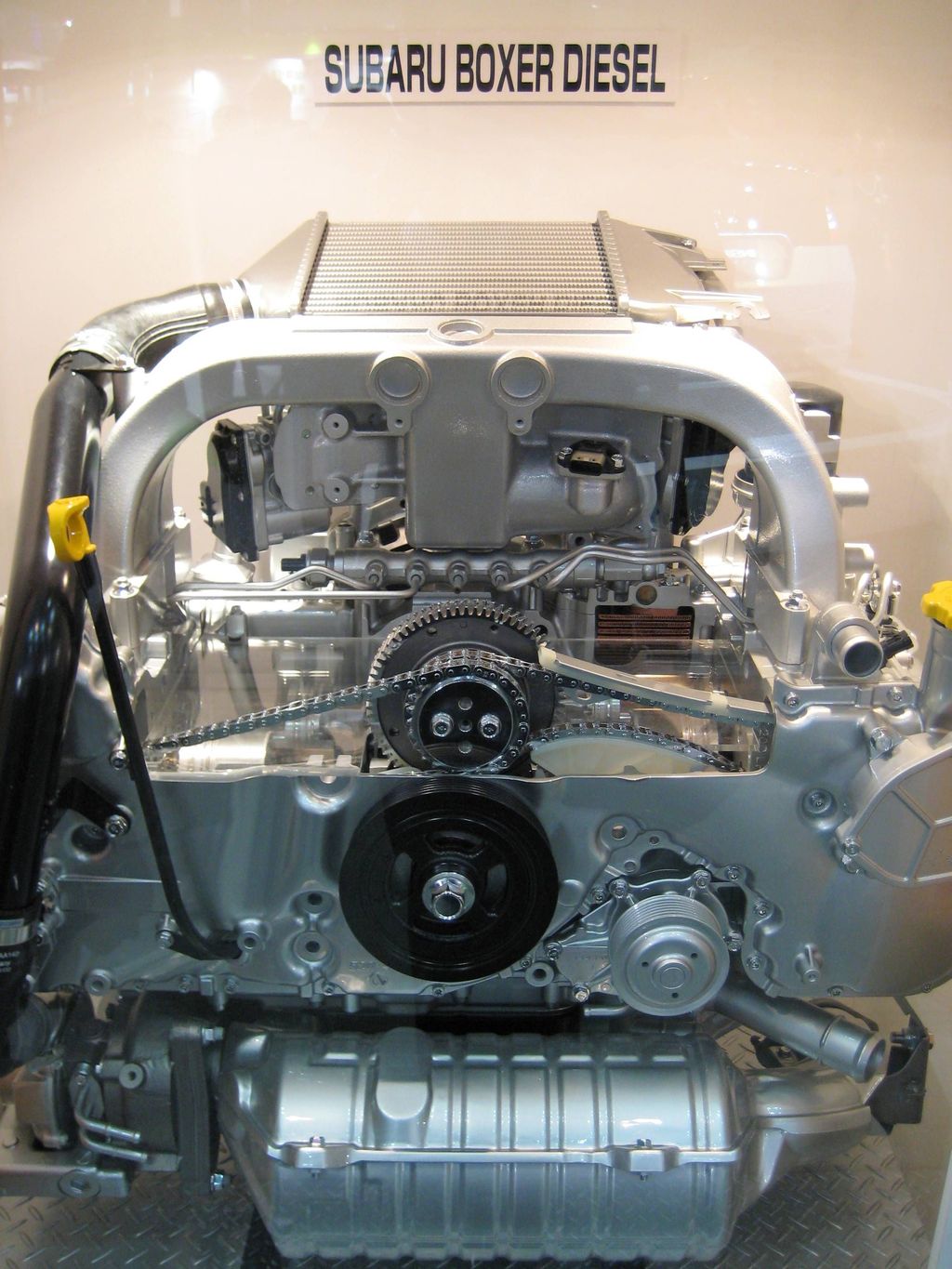
The Forester Hybrid is based on a well-designed series-parallel system that performs flawlessly. This design enables this vehicle to switch to both gas and electric power or use both when the extra power is required. It has a 2.5-liter flat-four Boxer engine, which is synchronized with an electric traction motor and a second motor that functions as a generator to recharge a 1.1-kWh lithium-ion battery. The system always regulates energy movement without the involvement of a driver. The transitions are silent and effective in the background. Balance and integration are the main elements in the overall design. All this is to maintain convenience and familiarity, which is automatic.
Strategic Structure of powertrain systems.
- Series parallel hybrid configuration.
- 2.5 liter Boxer engine
- Bidirectional motor energy coordination.
- Lithium ion battery support
- Standard all wheel drive
At low speeds or during light throttle operation, electric assistance to the throttle minimizes fuel consumption and maintains low cabin noise. The gasoline engine and motor work together harmoniously to provide constant acceleration when a higher acceleration is needed. There is no need that drivers have to plug in or change their driving habits because all transitions are controlled by the system. Subaru is keeping its all-wheel drive design, where all the power is directed at all four wheels to ensure confidence in traction. The change to transaxle-based system enhances efficiency as well as integration over previous transmission systems. The general aim is perfecting without losing mechanical familiarity.
3. Driving Experience: Moderate and Smooth
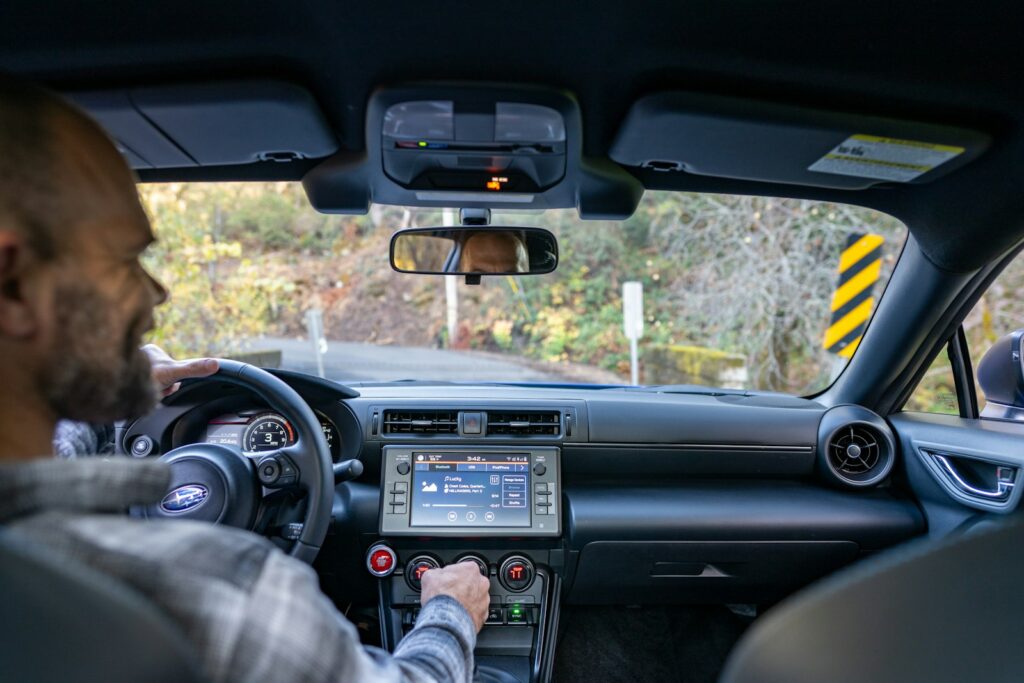
The Forester hybrid has a more developed image on the road than the gasoline-only model. Sound insulation is also added, which will lead to a significantly quieter cabin, especially at lower speeds when the electric power is the most active. In the surrounding town, the shift between the electric and gasoline propulsion is so minimal that it may go undetected by many drivers in the town. The entire ride is stable and calm. Subaru focuses on comfort and predictability rather than on sportiness. Driving to work is comfortable and relaxed. It is a driven experience, which is thoughtful refinement, not dramatic transformation.
On Road Performance Traits
- Quieter cabin at low speeds
- Faultless power source transitions.
- Constant cornering body control.
- Drive-by-wire feel of steering.
- Balanced regenerative braking system.
The remains are dealt with by corners, providing a stable handing with a reassuring body control that is good to use by the family. The steering might not be as sharp as judging sport oriented competitors, but there is a steady and dependable feedback. The braking system combines the process of generating friction and traditional braking rather seamlessly although the pedal may be sensitive, but not all the time. The car accelerates to 60 mph in 8.6 which is slightly slow when compared to its rivals such as the Honda CR-V Hybrid, Toyota RAV4 Hybrid and Hyundai Tucson Hybrid. Subaru emphasizes stability and consistency rather than fastness. The towing capacity remains a viable 1,500 pounds, and does not strain during light recreational use.
4. Comfort and Convenience in the Interiors
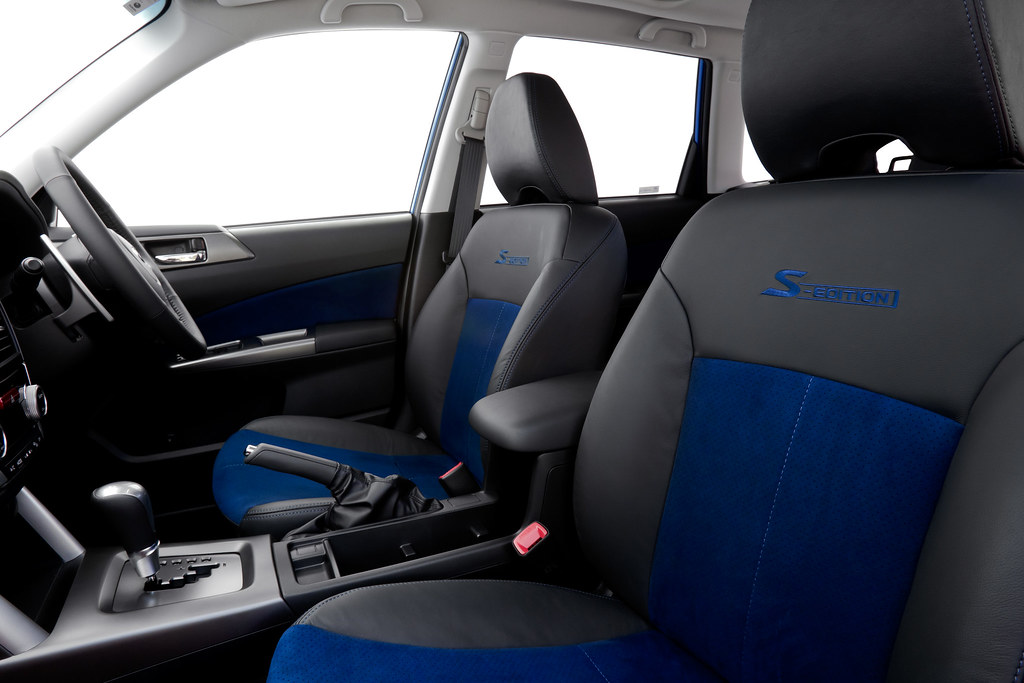
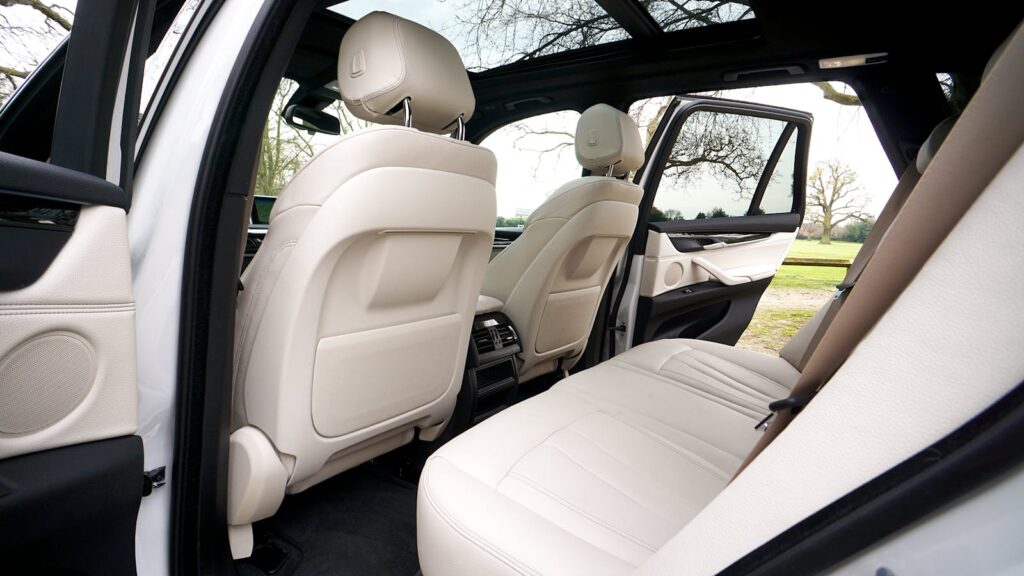
In the interior of the Forester Hybrid, there is a knowing frugality, which is slightly refined. The driver seat is heavily bolstered and standardly heated so that the driver can be comfortable in case of long journeys or in cold weather. The high seat station provides good exterior visibility, which does not need to be stressed since it adds to the confidence-building image of the vehicle. The cabin design is functional and convenient. Materials are believed to be strong and carefully chosen. Continual to the design philosophy is practicality. Subaru has remained focused on comfort of all the occupants. The general mood favors day in, day out functionality more than anything.
Cabin Comfort Essentials
- Front seating- heated supportive.
- High confident driving posture.
- Big rear passenger legroom.
- Practical storage compartment layout.
- Regular capacity of cargo space.
The legroom is also quite generous to the rear passengers, thus making the longer journeys comfortable to both adults and children. Storage compartments are also placed in a strategic manner to be as convenient as possible and cargo space is the same as on the nonhybrid. There are those who say that the interior design is a mash up of several different design effects, but ergonomics is the obvious priority. Controls are easily understandable and easy to use. Instead of emphasizing on flashy aesthetics, the cabin provides reliability and usability. To a lot of buyers, such reliable functionality is worth more than daring fashion proclamations.
5. Technology That Enhances the Push
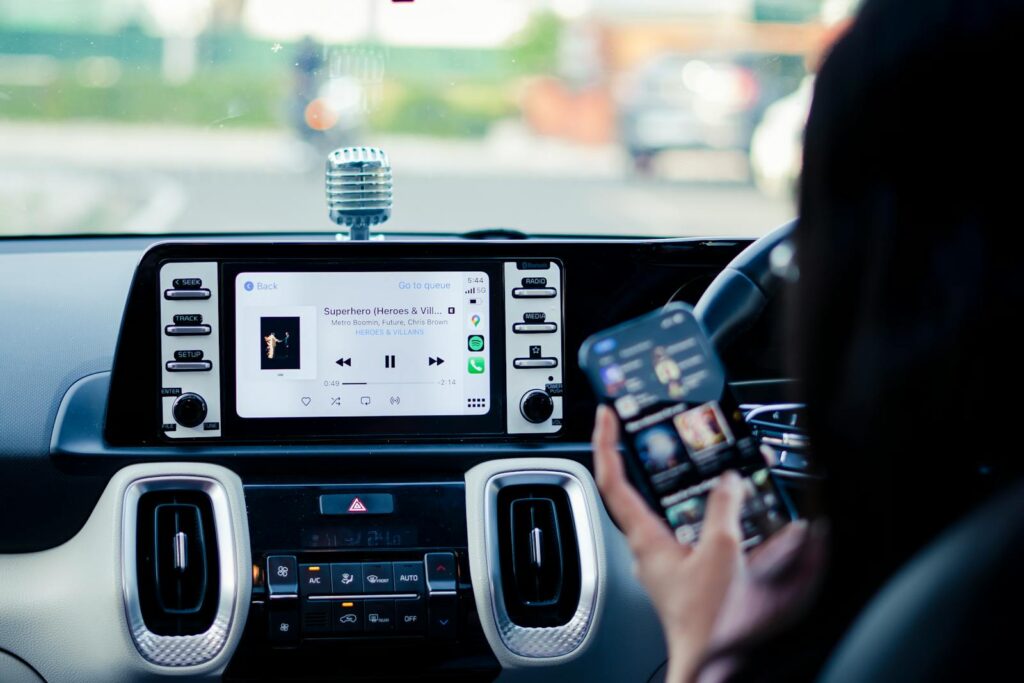
Contemporary crossover consumers demand high technology and Subaru answers the call by making its 11.6-inch vertical touchscreen prominent in the middle of the dashboard. The display has infotainment and climate capabilities, and is compatible with wireless Apple CarPlay and Android Auto. Volume and tuning physical knobs have not been removed and this provides familiarity and ease of use. The design incorporates cyber technology and real world functionality. The drivers do not get distracted with the essential features. The system strikes a balance between the contemporary presentation and simple operation. The convenience is always in the center of the design.
Incorporated Technology Functionalities.
- Big vertical touchscreen screen.
- Smartphone connectivity built-in wireless.
- Digital instrument cluster interface: This is a digital display of an instrument cluster, such as an odometer, tachometer, and speedometer.
- Inbuilt wireless power pack.
- Standard advanced safety package.
The digital instrument cluster (12.3 inch) also improves the modernity of the cockpit, and key driving data are displayed clearly and efficiently. The wireless charging pad is placed below the center stack to reduce cable clutter and facilitate device convenience. Though the touchscreen can be a little slow to respond to, the experience is very good. The Forester is still characterized by safety in the form of the standard EyeSight driver-assistance package. A blind-spot monitoring, lane-keeping assist, and adaptive cruise control are some of the features that make the driver more confident. Combined, these technologies support the long-term image of reliability and family-centered security of the model.
6. Pricing Structure and Trim Structure
Subaru makes the Forester Hybrid a higher end entry point in the range, starting with a price of 36,180. This is the point of departure of the added efficiency and technology infused into the model. By integrating the features of heated seats, dual-zone climate control, integrated navigation, panoramic sunroof and hands-free liftgate, the Premium trim provides a high value base. More refinements and convenient additions to this equipment are developed in higher trims. Notably, the hybrid arrangement is not limited to one version only. Subaru has a strategy that guarantees wider availability of the trims of choice. This solidifies the objective of ensuring accessibility of electrification and not exclusivity.
Pricing and Trim Highlights
- Premium positioned hybrid offering.
- Powerful standard packages of features.
- Hybrid in a variety of trims.
- Value strategy of balanced equipment.
- Practical comfort safety inclusion.
This proliferation of the hybrid alternative among multiple trims will help Subaru to avoid the trap of confining efficiency to a niche market. The buyers are allowed to choose the arrangement that best suits them without compromising electrification. Balancing between the levels and the prices of the equipment will be sought to offer a tangible value as opposed to inflated positioning. Customers receive significant fuel economy gains with a comfortable and familiar set of safety and comfort features. This format enhances the reputation of the Forester as being practical. Subaru does not use the hybrid as an experiment, but builds it into the main product. The outcome is a pricing strategy that encourages both affordability and quality image.
7. Learned Lessons in Plug-in Experiments
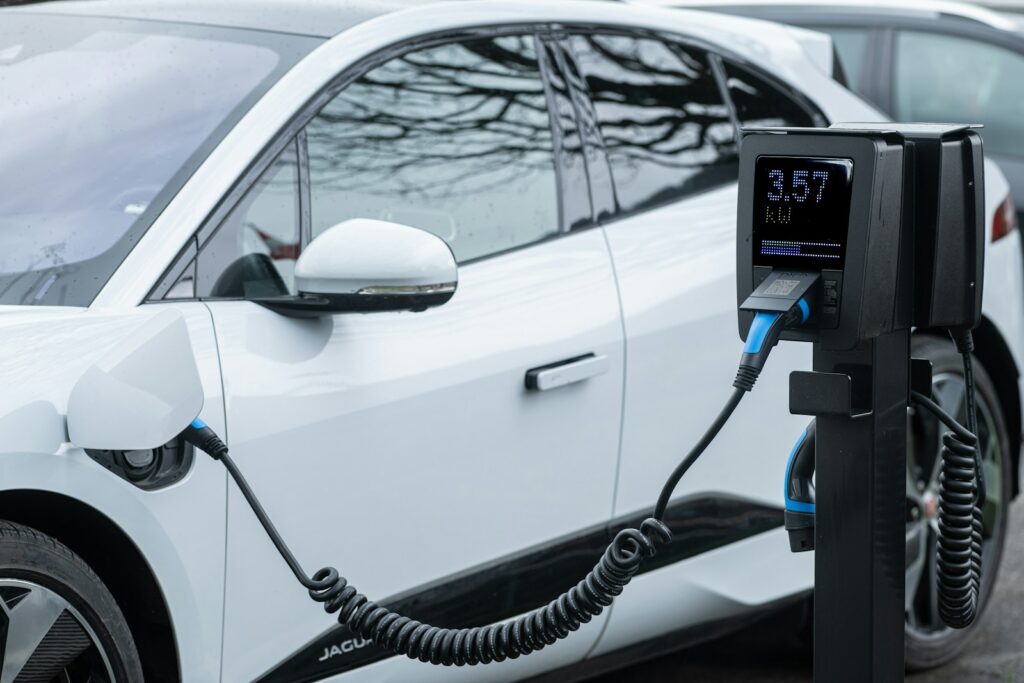
The previous experience of Subaru with the Crosstrek Hybrid offered valuable insights on behavior of consumers and functionality. The plug-in system has had limited impact using its small range of capabilities (driving range) and the fact that it was only available in some states. There were many reports of owners not regularly using the charging feature to decrease the financial and environmental advantage of the system. This identified a disconnect between theory and practice. The complexity generated was a hindrance to certain buyers. Subaru realized that convenience is an important aspect of adoption. These lessons defined the present-day hybrid path of the company.
Lessons Learned in the Field.
- Poor electric range difficulties.
- Limited availability of markets in the region.
- Low regular charging usage
- Complexity was added which made it less appealing.
- Efficiency in practice is now given first priority.
A conventional hybrid system will eliminate the expense of external charging and provide significant efficiency improvements nonetheless. Reduced initial expenses make accessibility even better than plug-in options. Increased accessibility in North America guarantees increased coverage and presence in a market. Subaru is not repeating the past restrictions, but instead concentrating on the daily routine usability. This change is an indication of keen consideration of consumer patterns and infrastructure facts. The brand enhances the possibility of long-term adoption by making the ownership experience easier. The new strategy focuses on convenience, reliability and realistic consumer demands.
8. Enhancing Hybridization Throughout the Portfolio
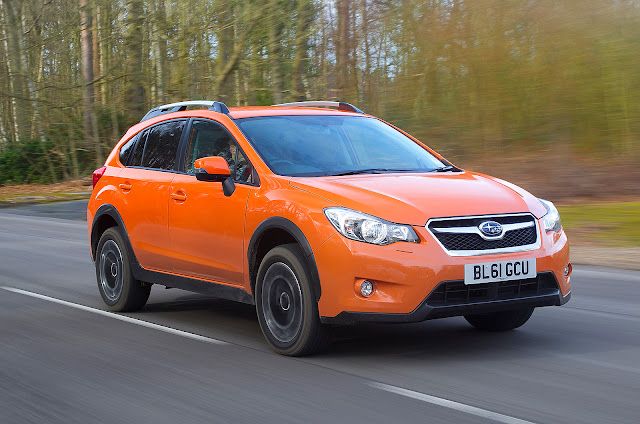
The Forester Hybrid points to the start of an expansion of electrification in the Subaru inventory. The new Crosstrek Hybrid will share the same standard hybrid structure tightening the consistency across the models. The new generation outback will also be equipped with a hybrid during the redesign process. The bigger cars such as the Ascent are still being considered to be electrified. Their bigger size and weight require more modern systems and higher engineering investment. The regulatory ambiguity of the requirements of the emissions contributes to the complexity of long-term product planning. In spite of that, Subaru is still considering expansion opportunities. The plan is a step by step and planned development.
Power Electrification in the Future:
- Expansion Hybrid Crosstrek models.
- Outback next generation hybrid.
- Electrification review of large SUVs.
- More investment in engineering systems.
- Planning of regulatory standards consideration.
Subaru is moving at a slower pace of introducing hybrid technology model per model rather than seeking a quick change. Such a gradual implementation enables the company to stay at the stable level of production, adjusting to the environmental and market demands. Every addition increases brand versatility without interfering with brand identity. The allocation of engineering resources may be done selectively, so that the level of reliability and the performance standards are not compromised. Subaru is able to reduce risk by not doing any radical changes, but also gradually creating the long-term capability. This balanced strategy provides stability in terms of innovation and operational continuity. The wider perspective is sustainable growth in accordance with the changing regulations and customer demand.
9. Saving the Core Identity of Subaru
As a tradition, the leaders of the Subaru brand always underline that Boxer engine design and Symmetrical all-wheel drive are still the pillars of the brand. Electrification is to be added to these characteristic features and not to substitute them. This balance will assure the loyal customers that there will be no impairments in capability and traction. The front of the vehicle is efficient with the packaging of the hybrid components as power is applied to the rear of the vehicle via a driveshaft. This design maintains mechanical recognition and reliable performance. Long-term commitment is also strengthened by manufacturing investments in Japan. All decisions are continuant rather than progressive. The hybrid evolution is based on the already existing strengths.
Fundamentals of the Brand Ethics.
- Boxer engine layout retention.
- Symmetrical all wheel drive
- Efficient hybrid component packaging.
- Rearward transmissal mechanical power distribution.
- Long term investment on manufacturing.
Subaru retains its traditional engineering architecture, which means that its electrification will not destroy its personality, but will improve it. Reliable traction and balanced handling dynamics are still enjoyed by customers. Changes in technology are trusted by the mechanical framework that is familiar. It is an indication that hybrids are not a one-time move and this is evidenced in the investment in production facilities. The use of innovation is done cautiously to secure brand values. This school of thought focuses on uniformity and accommodates modernization. The identity of Subaru is still the core of all technological developments.
10. Looking to a More Efficient Tomorrow
The adaptation of Subaru to the hybrid technology shows cautiousness but not a doubt. To leave the tradition and turn to modernization, the company pays attention to practicability, convenience, and the uniformity of the brands. Drivers get better fuel efficiency without compromising the reliability and capability that characterizes the line up. This is a very considerate development that does not ruin the main strengths. There could be future opportunities such as hybrid Wilderness trims or larger SUV electrification, meaning that it is not a dead idea. Every step makes it more versatile and it responds to the environmental expectations. The approach demonstrates its patience and purposefulness. Gradualism is a gradual process and not a sudden event.
Vision for Continued Growth
- Pragmatic effectiveness oriented innovation.
- Regular brand identity development.
- There are possible hybrid Wilderness trims.
- Increased SUV electrification.
- Gradual long term strategy
This latest chapter is a sign of intentional refinement and not re-invention. Subaru is always improving on something rather than throwing away established underpinnings. The more hybrid variants are introduced on the market, the more versatile the line becomes regarding changing consumer demands. Fuel consumption is better saved without compromising on the ability or daily functionality. The company has managed to be stable despite the change in technology which has earned it the trust of both old and new clients. What has been achieved is a future-focused portfolio based on already established strengths. Subaru is headed towards a more productive future but still retains its classic nature.